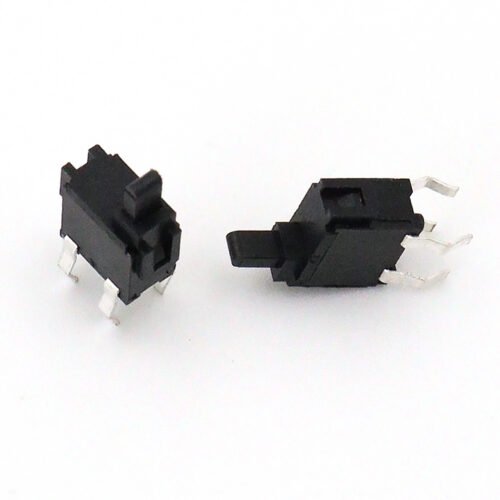
Daily Maintenance and Service Life Extension Tips for Micro Switches
This article shares practical operation and maintenance advice for snap-action switches. These tips help manufacturers cut component replacement costs and enhance long-term product stability.
Avoid Mechanical Damage During Installation
Though these precision parts are compact, standardized installation and daily care can significantly extend working lifespan. Common faults include poor contact, lever sticking and failed self-reset, which usually result from dust buildup and incorrect operation.When mounting, never squeeze or bend the actuator lever excessively. Overstroke force may deform the internal spring and lead to reset failure. For SMD and through-hole models, follow recommended soldering temperature and duration to prevent housing distortion and contact burnout.
Keep Working Environment Clean
Dust, sawdust and oil residue are major threats to trigger components. Dirty deposits can jam moving parts and interfere with signal triggering. Routine visual inspection and regular cleaning preserve consistent switching performance. Good maintenance lowers replacement frequency and raises the overall yield of finished electronic products.
Regular Inspection & Load Check
Apart from cleaning, periodic load testing is also recommended. Running the component beyond its rated current will accelerate contact oxidation. For devices working under continuous vibration, check fastening status regularly to avoid loose soldering.With simple daily upkeep, these compact trigger components can maintain reliable performance over millions of cycles, reducing unexpected downtime for home appliances, automation equipment and consumer electronics.