H1: Top Actuated and Side Actuated Tact Switch Structural and Application Differences
The installation and actuation direction defines the application range of each tact switch. Top actuated and side actuated tact switch are the two mainstream structures in the electronic component market, covering most miniature button control needs.
Top actuated tact switch receives vertical pressure from the top of the button. It has a simple internal structure, sensitive response and stable conduction performance. Common sizes including 4*4mm, 6*6mm and 12*12mm top actuated tact switch are widely used for device reset keys, function buttons and main control switches on various electronic devices.
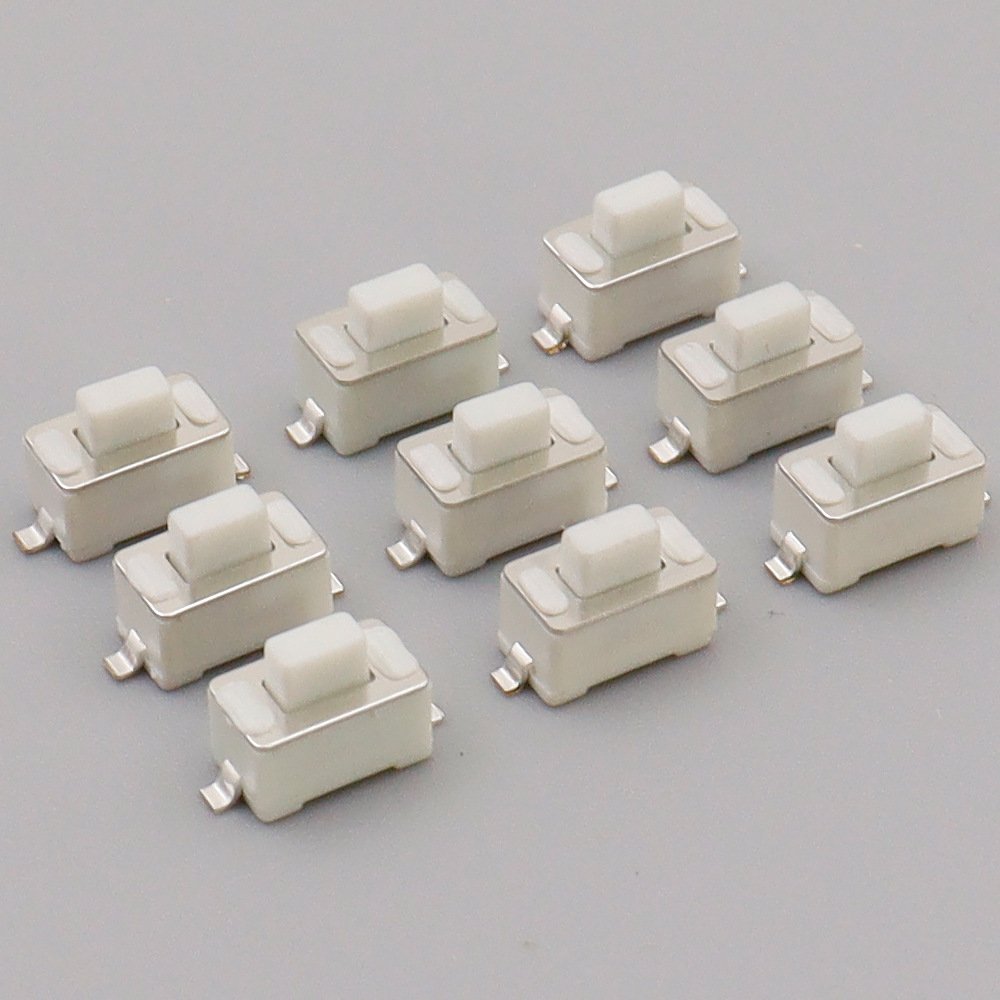
Side actuated tact switch is pressed horizontally from the side, designed for ultra-thin product structures with limited vertical height. Mini side actuated tact switch in 2*4mm, 3*4mm and 3*6mm sizes are commonly applied in e-cigarettes, thin remote controls and wearable electronic equipment. This tact switch effectively saves vertical space and fits slim product shell design.
PCB designers need to reserve corresponding pressing stroke and structural gap according to tact switch actuation type. Reasonable use of top actuated and side actuated tact switch can avoid assembly interference and improve the overall structural rationality of electronic products.



One thought on “Top Actuated vs Side Actuated Tact Switch: Usage and PCB Design Tips”