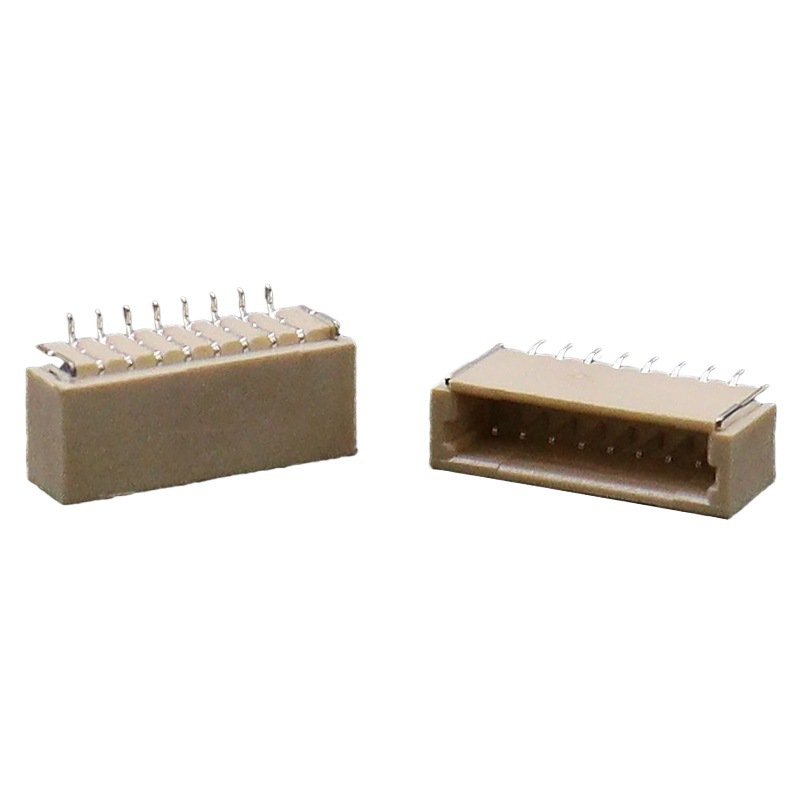
Fundamental knowledge of electronic connectors for circuit connection and signal transmission
An electrical connector is a core electromechanical component widely used in electronic and electrical systems. As a key connecting part, it bridges two active electronic devices to realize stable current conduction and signal transmission, which is the basic guarantee for the normal operation of all circuit equipment.
Such connection units always work in pairs, consisting of two core parts: male terminals and female terminals. Male types are also called pins, headers or male plugs, while female types are named receptacles, sockets or jacks. The precise mating of male and female ends ensures tight circuit connection and avoids loose contact.
Different from fixed welded circuits, these connection components support flexible plug and unplug. They simplify equipment assembly, maintenance and replacement, greatly improving the practicability of electronic products. From consumer electronics to industrial equipment, all electrical systems rely on standard connection solutions to complete circuit docking.
With simple structure and stable performance, this type of connecting part has become an indispensable basic component in the electronics industry. Its core value lies in realizing modular circuit connection, reducing maintenance costs and improving the overall stability of electronic equipment.