Blog
How to Choose the Right Waterproof Micro Switch: Complete Selection Guide

Why Waterproof Micro Switches Matter
In humid, dusty and harsh places, electronics fail fast. Therefore, you need strong parts. A waterproof micro switch keeps signals steady in wet conditions. Meanwhile, the Waterproof Tact Switch offers the same sealing in a compact form. As a result, both parts protect your equipment well.
Moisture causes short circuits. Dust leads to corrosion. Moreover, heat makes things worse. A good switch stops all three problems. Consequently, your device lasts much longer. In addition, maintenance costs drop. For this reason, engineers choose sealed switches first.
However, the market is full of options. Some are weak. Others are strong. Therefore, buyers feel confused. This guide explains the key points. After that, you can pick the right model with confidence.
What Is a Waterproof Micro Switch?
A waterproof micro switch is a small, precise part. It reacts very fast. In addition, it works with light pressure. When you press it, the circuit opens or closes at once. As a result, signals stay accurate.
Ordinary switches have open bodies. Therefore, water enters easily. In contrast, waterproof models use seals. For example, they add rubber rings. Moreover, they use silicone cladding. Consequently, the metal parts stay dry. This design blocks dust too.
Because of this, the switch works in wet places. For instance, it fits vending machines. It also fits coffee makers. Furthermore, it suits ice makers. Even with frequent use, it keeps working. Thus, it avoids false triggers.
Common Actuation Types
Different machines need different triggers. Therefore, switches come in three types. First, the plunger type uses direct press. It fits small appliances. Next, the lever type uses a small arm. It suits door locks. Finally, the roller type fits moving belts. As a result, you can match any design.
For example, an ice maker uses a lever switch. It checks the door state. Meanwhile, it works in high humidity. Consequently, moisture cannot break it. This keeps the ice system stable.
Key Factors for Selecting a Qualified Waterproof Micro Switch
Wrong choices cause failures. Therefore, check four points. First, the IP grade. Second, the electrical specs. Third, the size and structure. Fourth, the lifespan. Let us review each one.
1. IP Protection Grade
The IP grade shows dust and water resistance. Therefore, it matters most. IP65 blocks dust fully. Moreover, it resists water spray. However, it cannot be immersed. In contrast, IP67 allows short immersion. Specifically, it survives 30 minutes in one meter of water. As a result, IP67 fits harsh outdoor use.
For example, car wash tools need IP67. Likewise, outdoor controls need it. In addition, water heaters need it. Because of this, always pick IP67 for wet sites.
2. Electrical Parameters
Voltage and current must match. Otherwise, the switch burns out. Therefore, check the load first. For low-power sensors, use 0.1A 12VDC. Meanwhile, car locks often use 3A 12VDC. Furthermore, big appliances need 5A or 10A at 250VAC. As a result, the circuit stays safe.
3. Size, Structure and Actuation Mode
Small devices leave little room. Therefore, size is critical. Ultra-small models fit compact gear. In contrast, standard models suit heavy machines. Moreover, contact type matters. SPST gives simple on-off. However, SPDT allows complex logic. Consequently, choose based on your control need.
4. Mechanical Life and Material Durability
Frequent use wears parts down. Therefore, lifespan is key. Good switches reach 100,000 to 1,000,000 cycles. Moreover, stainless steel adds strength. In addition, strong plastic resists aging. As a result, food and factory equipment stay reliable. Thus, cleaning does not harm the seal.
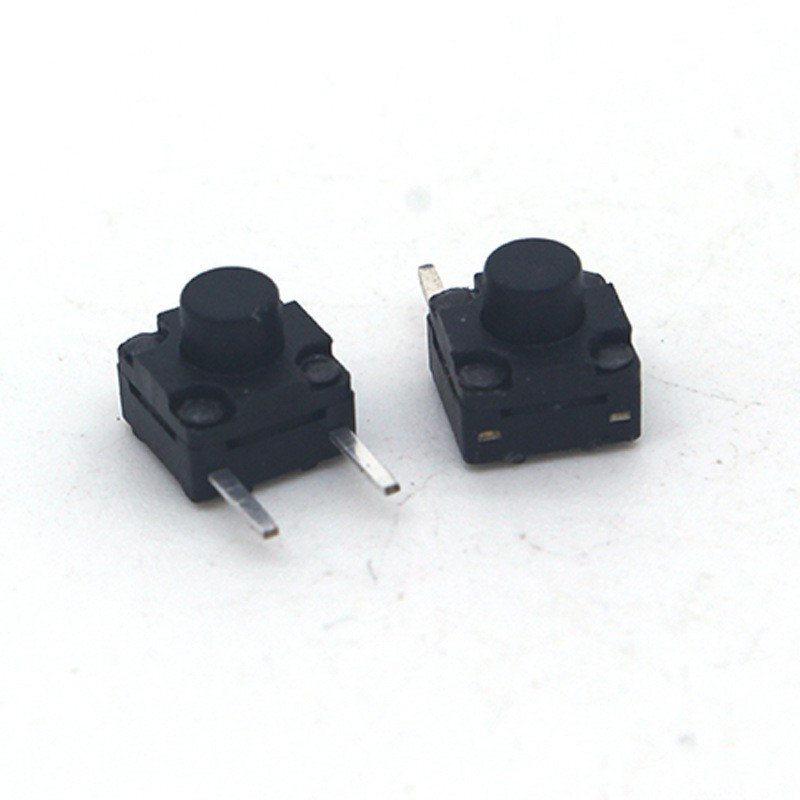
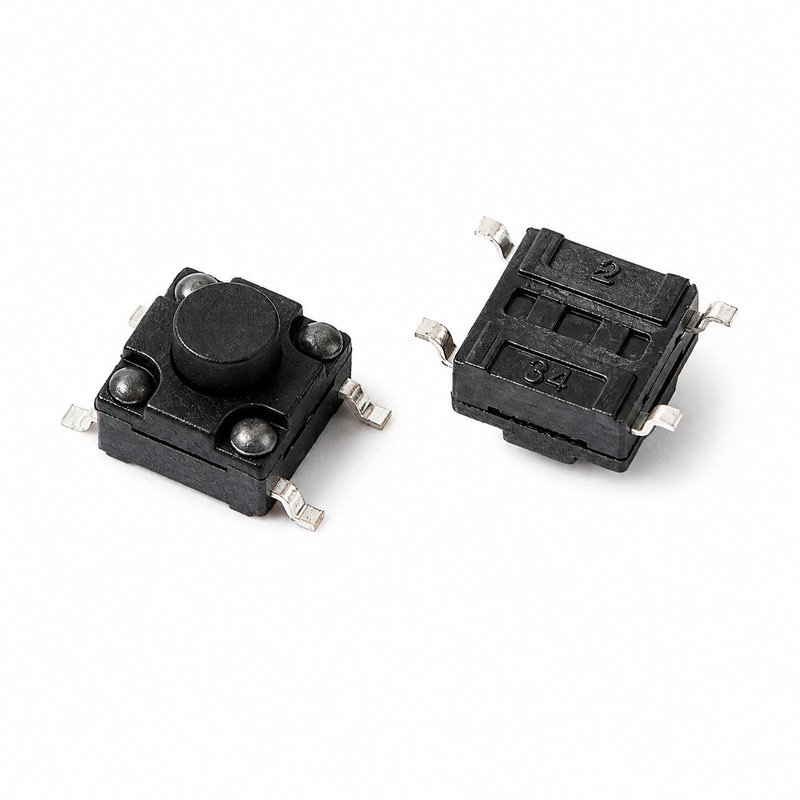
Waterproof Tact Switch: A Compact Alternative
Sometimes space is very tight. Therefore, a smaller part works better. The Waterproof Tact Switch gives sealed protection in a tiny body. Moreover, it shares the IP67 rating. Consequently, it fits dense circuit boards. In addition, it keeps the same long life. For this reason, many designers prefer it.
However, it is not always the answer. For high current, use a micro switch. Meanwhile, for light signals, the tact type is ideal. Therefore, compare both before buying. As a result, you avoid waste.
Typical Application Industries
Many fields use these switches. First, the car industry uses them for door locks. Next, home appliances use them in washers. Furthermore, factories use them on belts. Finally, outdoor gear uses them in gardens. Because of this, demand keeps growing.
Each industry has its own need. For instance, cars need shock resistance. In contrast, kitchens need moisture resistance. Therefore, match the grade to the site. Consequently, performance stays high.
Conclusion
To sum up, choose with care. First, set the IP grade. Next, match the voltage. Then, check the size. Finally, confirm the lifespan. As a result, your equipment runs longer. Moreover, repair costs drop. In addition, safety improves. Therefore, a good Waterproof Tact Switch saves money over time. For custom needs, ask a professional supplier. Consequently, you get the perfect fit.
FAQ
Q1: What is the difference between IP65 and IP67 waterproof micro switches?
IP65 blocks dust and spray. However, it cannot be immersed. In contrast, IP67 survives 30 minutes in one meter of water. Therefore, IP67 fits rain and wash sites.
Q2: How do I choose the current and voltage specs?
Low-power sensors use 0.1A 12VDC. Meanwhile, cars use 3A 12VDC. Furthermore, big loads need 5A or 10A at 250VAC. As a result, overload is avoided.
Q3: Which actuation type is better?
None is best for all. Plunger fits direct press. Lever suits linkages. Roller fits sliding parts. Therefore, match it to your machine.
Q4: What is the service life of a qualified waterproof micro switch?
Good models reach 100,000 to over 1,000,000 cycles. Moreover, strong materials extend this further. Consequently, they support long use.