Blog
Micro Switch Types & Complete Engineering Selection Guide

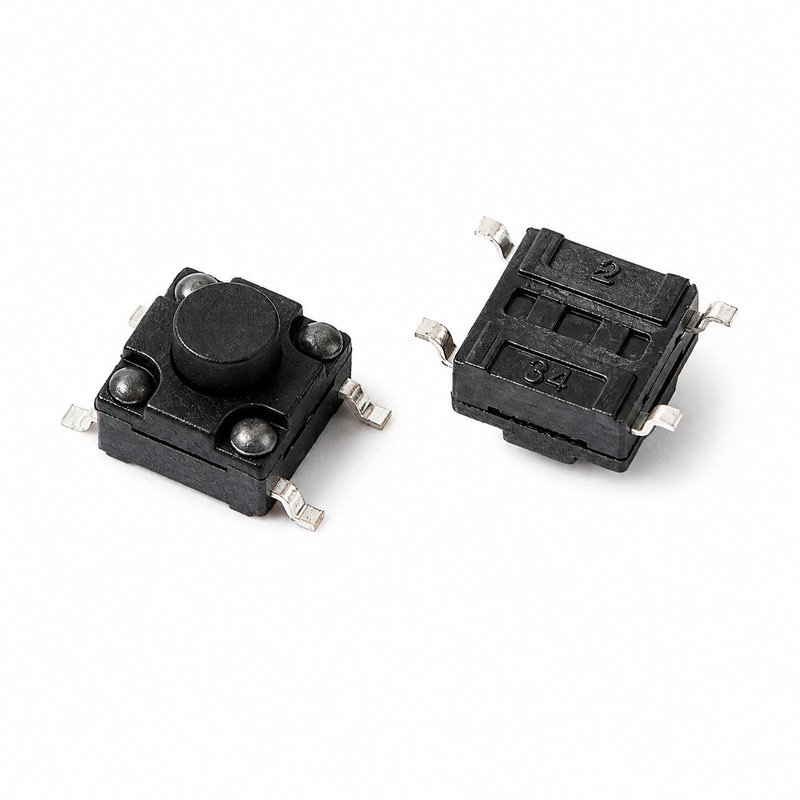
The electronics and smart device industries keep growing fast. Micro switches are now essential parts in home appliances, cars, computers and industrial machines. They are small but very important. They handle triggering, position detection, safety feedback and circuit switching. Therefore, choosing the right type is critical for engineers and buyers. Among all variants, the Waterproof Tact Switch stands out for outdoor and harsh use. This guide explains micro switch types, features and selection rules.
What Is a Micro Switch?
A micro switch is also called a snap-action switch. It uses a built-in spring mechanism for fast contact change. Therefore, it needs only a small force to trigger. Once pressure reaches the set point, the contacts snap open or closed at once. As a result, signal transmission is fast and accurate. Compared with ordinary switches, micro switches offer clear technical advantages.
- Sensitive and fast response: They need only a small trigger force and switch circuits quickly.
- Superior long-term reliability: They keep stable performance after tens of thousands of operations.
- Ultra-compact size: Their small body fits tight spaces inside portable electronics.
- Extensive compatibility: They work in car locks, EV guns, appliances, computers and machines.
Main Types of Micro Switches & Their Core Features
Micro switches are grouped by size, current, structure and function. Each type fits different engineering needs. Below are the three mainstream types.
1. Small High-Precision Micro Switches
These switches target precise control in tight spaces. They are optimized for miniaturization and consistent triggering. Therefore, they deliver stable, zero-delay signal output. Their size saves internal equipment space. Moreover, they offer consistent accuracy and long mechanical life. As a result, they suit long-term, low-load frequent use. Typical uses include medical testers, smart appliances, control terminals and consumer electronics.
2. High-Current Industrial Micro Switches
These switches are built for heavy industrial loads. Reinforced structures and high-conductivity contacts handle large currents. Therefore, they avoid overheating and burnout under high power. In addition, they resist compression and impact well. Consequently, they perform steadily in complex industrial sites. Typical uses include automation lines, robots, power cabinets and heavy machinery.
3. Compact Universal Micro Switches
These switches balance size, basic performance and cost. Therefore, they serve as general parts for light and medium loads. Their structure adapts to many spaces. Moreover, installation is simple and fast. As a result, they meet the needs of civilian electronics at low cost. Typical uses include home appliances, consumer devices, security gear and control panels.
Waterproof Tact Switch: A Vital Choice for Harsh Environments
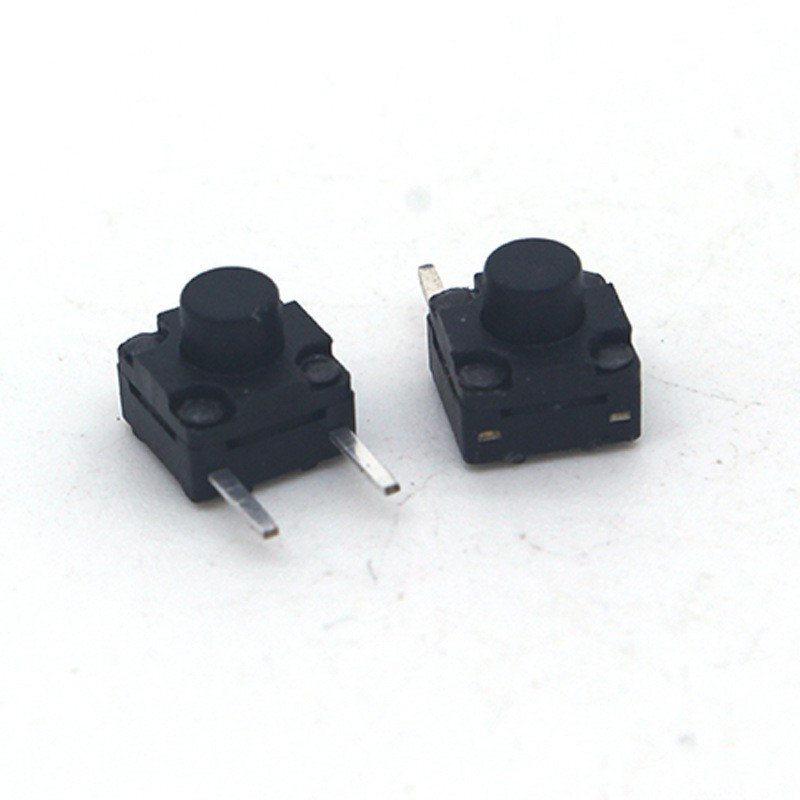
Among all the types above, the Waterproof Tact Switch deserves special attention. Many projects run in rain, dust or humidity. In such cases, ordinary switches fail quickly. Therefore, a sealed waterproof model is the safer choice. It resists moisture, dust and temperature changes without signal drift. Consequently, it protects the whole system from environmental damage. For wet or outdoor designs, always shortlist a waterproof tact switch first.
Key Micro Switch Selection Criteria for Engineering Projects
Good selection prevents signal failure, burnout and safety risks. Engineers and buyers should evaluate five core dimensions before purchase.
1. Electrical Parameter Matching
First, confirm the rated voltage and current. They must match the equipment circuit. Otherwise, long overload causes heating and oxidation. Therefore, for high-power gear, choose a dedicated high-current micro switch.
2. Installation Dimension Adaptability
Next, match the switch size to the product’s internal space. For mini precision devices, pick small high-precision models. Meanwhile, for roomy industrial gear, standard or reinforced models are better. As a result, the install stays firm without loose movement.
3. Trigger Mode & Mechanical Performance
Different devices need different trigger force and stroke. Therefore, choose a trigger structure that fits the mechanical design. A proper force prevents false triggering. In addition, it keeps action accurate during normal use.
4. Environmental Adaptability & Protection Grade
Evaluate the real operating environment carefully. For outdoor, humid or dusty sites, prioritize high-grade protection. For example, IP67 waterproof and dustproof models resist erosion well. Consequently, they avoid failure from moisture, dust and temperature swings.
5. Service Life Requirements
Finally, check mechanical and electrical lifespan. For frequent-use devices like chargers, long life is critical. Therefore, adopt long-life switches to cut replacement and maintenance costs.
Conclusion
Micro switches are core control parts across civilian, home and industrial equipment. Different types offer different strengths in size, current and environment. Therefore, engineers must match circuit, space, environment and lifespan needs. Standard selection improves stability and cuts failure costs. To explore sealed options, browse our full range of Waterproof Tact Switch products for your next design.
FAQ
What are the three main types of micro switches?
The three mainstream types are small high-precision micro switches, high-current industrial micro switches and compact universal micro switches. Each fits different load and space needs.
What is the difference between high-precision and high-current micro switches?
High-precision models focus on miniaturization and accuracy for electronics. In contrast, high-current models focus on load resistance and durability for industrial control.
What factors should be prioritized for micro switch selection?
Core factors include electrical matching, install size, trigger mode, protection grade and service life. Together, they ensure safe and stable operation.
Do outdoor devices need waterproof micro switches?
Yes. Devices exposed to rain, dust or humidity must use high-grade waterproof micro switches. Otherwise, moisture causes oxidation and circuit failure.