H1: SMD Tact Switch vs Through Hole Tact Switch: Full Selection Guide
Tact switch products are mainly divided into SMD surface mount and through hole plug-in types, which are suitable for different production processes and product structures. Understanding their differences helps engineers and buyers select the correct tact switch for mass production and prototype design.
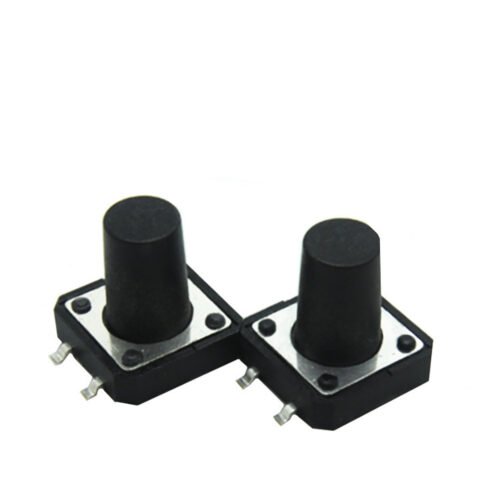
SMD tact switch is designed for automatic SMT assembly. It usually comes with tape and reel packaging, supporting high-temperature reflow soldering. Most miniature side and top actuation tact switch adopt SMD structure, which saves PCB layout space and improves production efficiency. This type of tact switch is commonly used in compact devices such as remote controls, earbuds, and portable consumer electronics.
Through hole tact switch features straight pins that penetrate the circuit board and complete soldering fixation. It offers stronger mechanical stability and anti-vibration performance compared with surface mount models. The through hole tact switch is more suitable for manual welding, small batch production, and equipment that requires long-term structural stability.
In practical selection, slim and lightweight electronic products prioritize SMD s tact witch, while household appliances, industrial controllers and high-vibration equipment prefer through hole tact switch. Matching the right tact switch according to production mode can effectively reduce defective rates and extend product service life.