Blog
How to Choose a Mini Toggle Switch and Avoid Common Pitfalls

Faced with a dazzling array of Mini Toggle Switches, are you worried about choosing the wrong model leading to incompatibility or unstable performance? This article will help you establish a systematic selection logic and avoid common purchasing pitfalls.
I. Why are similar-looking mini toggle switches not interchangeable?
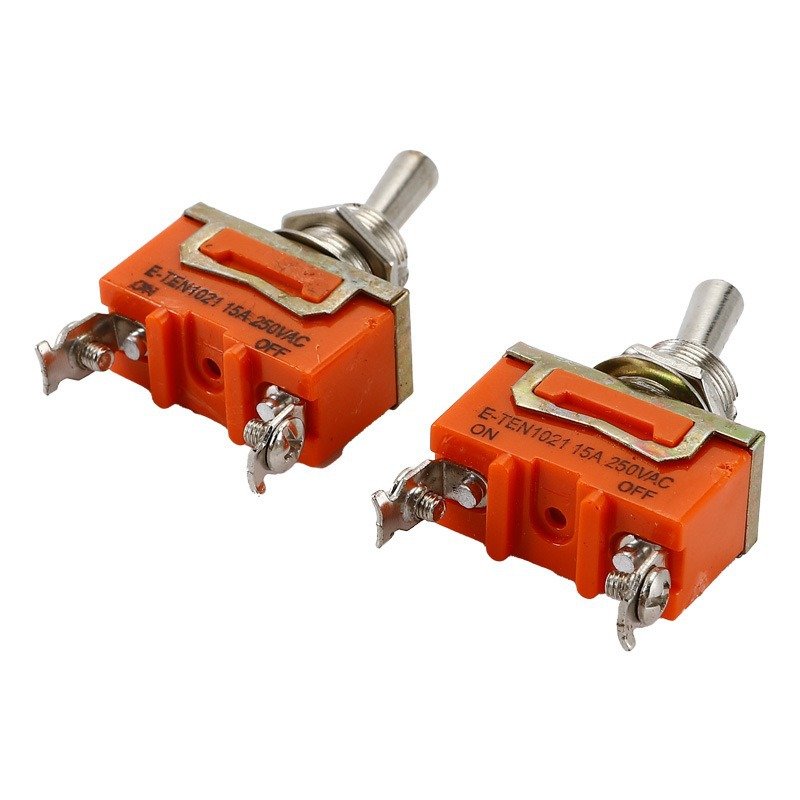
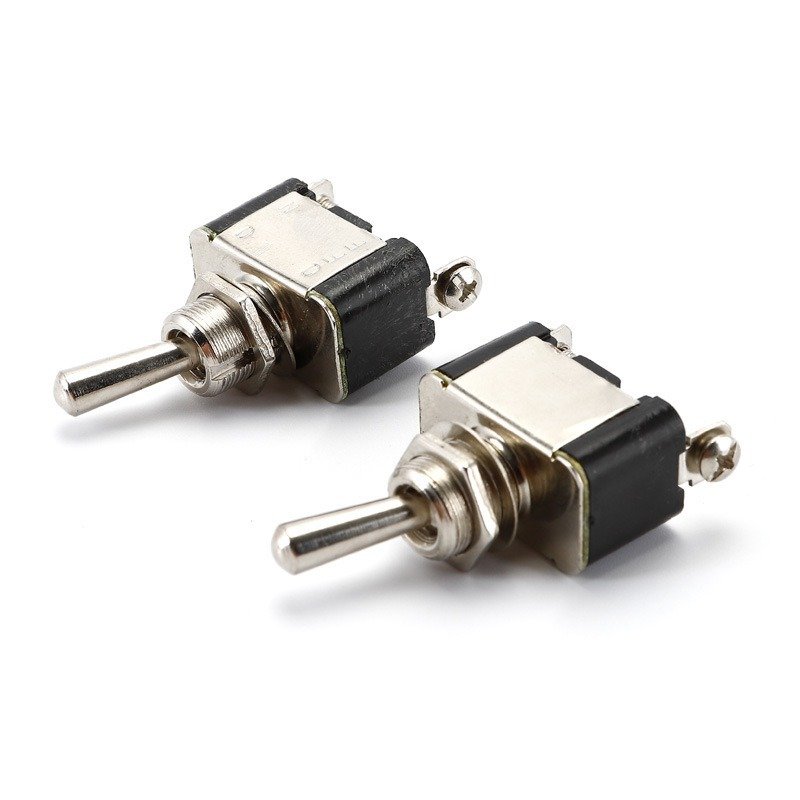
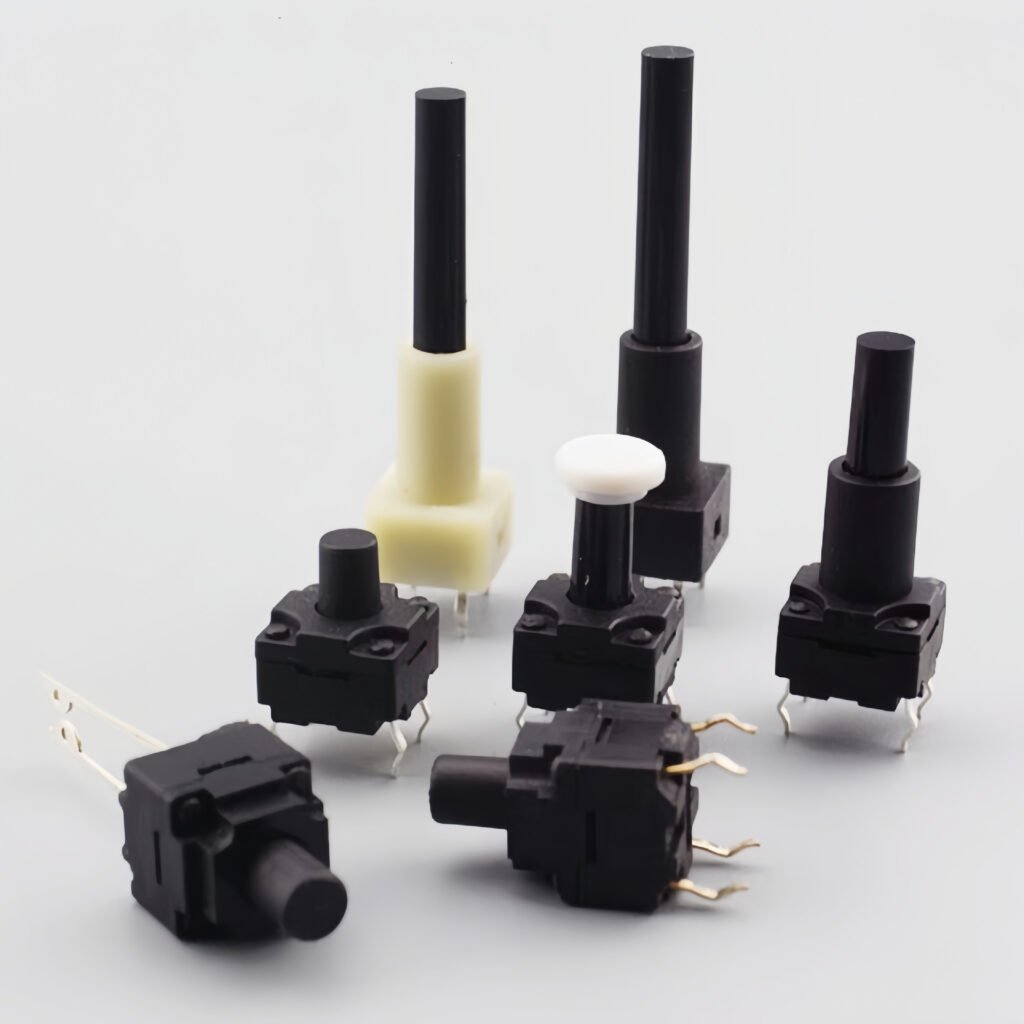
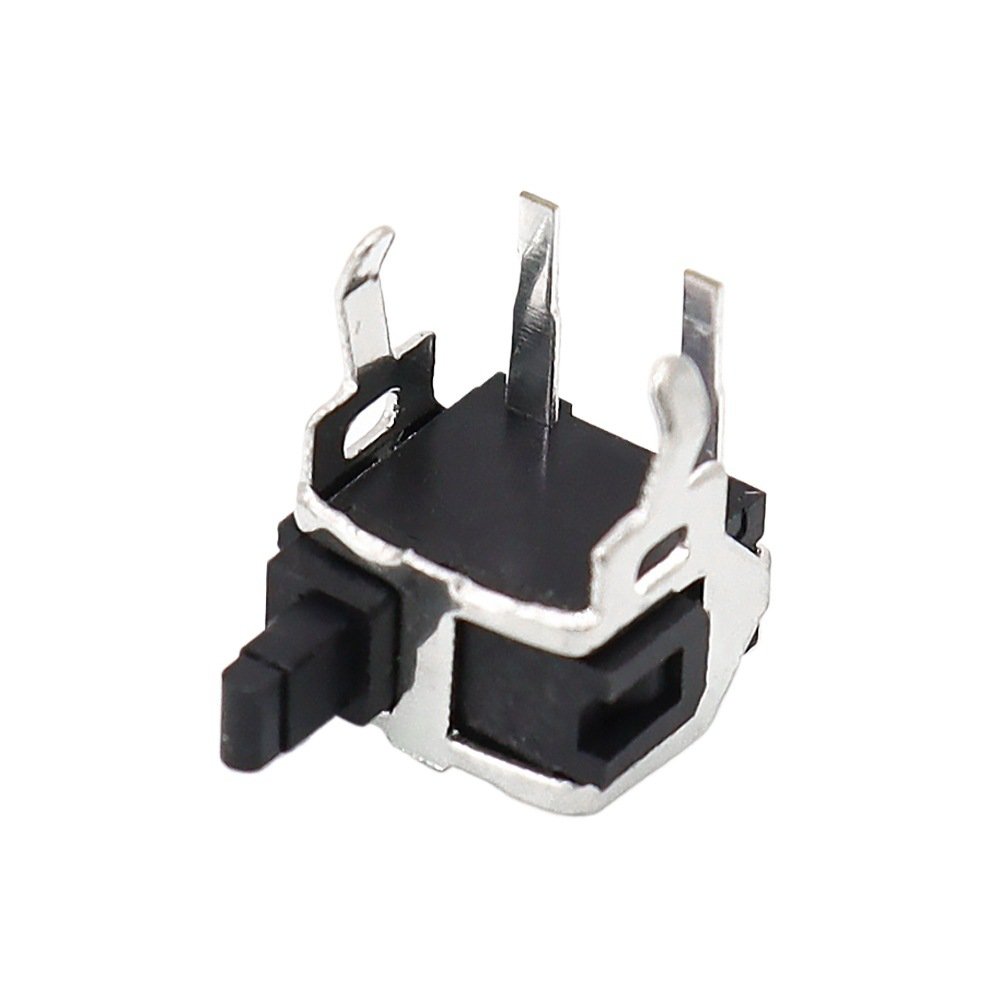
While seemingly simple mini toggle switches actually require strict matching to the usage scenario based on three fundamental dimensions:
- Slot structure: Single-pole double-throw (SPDT) and double-pole double-throw (DPDT) determine the complexity of circuit control.
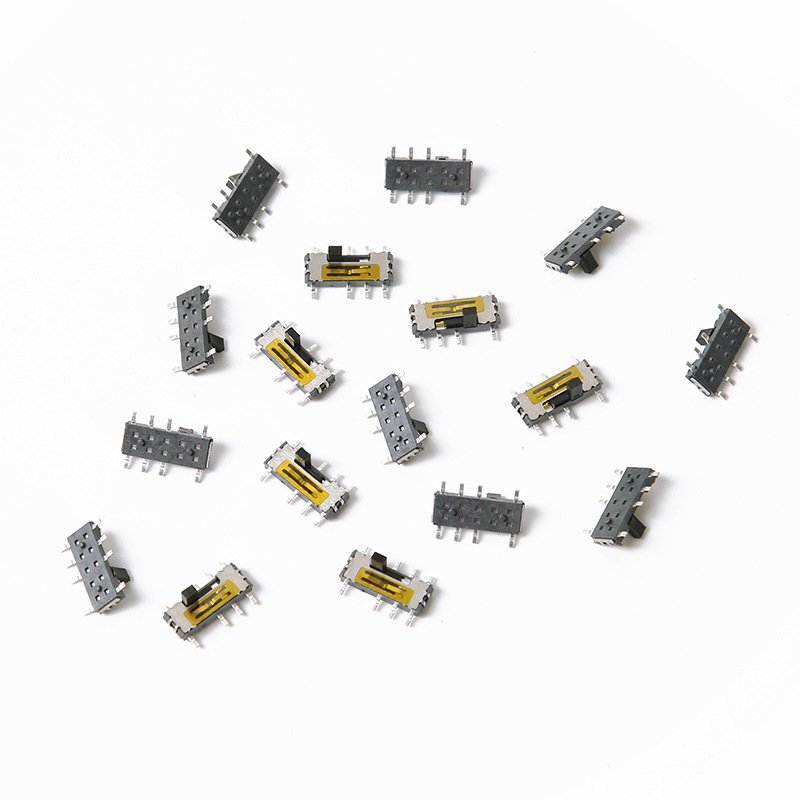
- Mounting method: Surface mount (SMD) and through-hole (THT) affect PCB layout space.
- Contact type: Gold-plated contacts are more suitable for high-frequency operation, while silver alloy contacts are cheaper.
For example, consumer electronics products tend to choose surface mount two-position switches, while industrial equipment may require a three-position structure to meet multi-channel control needs.
II. Practical Differences Behind Current Parameters
Rated current parameters cannot be simply compared by numerical value; the key is to consider load characteristics:
- Resistive loads (such as indicator lights) have minimal impact on the switch, so the nominal current value can be used.
- Inductive loads (such as motors) generate inrush current during startup, requiring a margin of safety.
- Capacitive loads (such as power circuits) require attention to the contact’s arc resistance.
Parameters calibrated in laboratory environments differ from actual operating conditions. In humid or dusty environments, a comprehensive assessment based on the protection level is necessary.
III. How to Accurately Match Mini Toggle Switches for Different Application Scenarios?
When selecting a mini toggle switch, the core is understanding the differentiated performance requirements of different scenarios. Here are the selection logics for three typical scenarios:
- Consumer Electronics: Prioritize ultra-thin designs and low-current-load miniature toggle switches, such as surface-mount models, to ensure stable operation in compact spaces.
- Industrial Control: Models requiring higher current and mechanical stress tolerance are needed; structures with silver-plated contacts or metal housings are better suited for frequent operation.
- Medical Devices: Focus on RoHS certification and environmental sealing to prevent liquid penetration leading to circuit failure.
A common misconception in industrial scenarios is directly applying consumer electronics switches. Although they may look similar, ordinary miniature toggle switches are prone to contact oxidation due to current overload under continuous start-stop conditions, while industrial-grade models extend their lifespan through thickened conductive materials and reinforced mechanical structures.
For outdoor equipment requiring waterproof and dustproof protection, the protection rating of the switch body alone is insufficient. The matching waterproof toggle switch base and sealing ring are equally crucial; otherwise, the interface may still become a weak point for moisture intrusion.
Once the main switch selection is finalized, the compatibility of the supporting components must also be verified: whether the switch cap travel matches the operating force, whether the terminal block spacing conforms to the PCB layout, and whether the mounting holes match the panel openings. These details are often more easily overlooked than the main parameters.
IV. After selecting the main switch, which supporting components are easily overlooked?
When purchasing mini toggle switches, many people only focus on the main switch parameters, neglecting the compatibility of supporting components. In actual installation, situations frequently arise where the switch cap size is incorrect, the base mounting hole position is misaligned, or the terminal type is incompatible, leading to delays in the overall project schedule.
Key supporting components require simultaneous confirmation of three types of compatibility:
- Mechanical compatibility: The matching degree between the switch cap mounting hole diameter and the toggle lever diameter; the compatibility of the base fixing method (screw/clip) with the equipment panel.
- Electrical connection: The correspondence between the terminal type (plug-in/soldered) and the cable specification; whether additional crimping clamps or crimping pliers are needed.
- Environmental protection: In humid environments, waterproof and dustproof switch panels are required; for high-frequency operation scenarios, it is recommended to add aluminum alloy rotary switch caps to improve durability.
For example, in dense installation scenarios in industrial control cabinets, ordinary switch clamps may not withstand long-term vibration. In this case, nylon clamps with a buffer design should be selected to ensure cable fixing strength while reducing mechanical wear. Medical equipment requires a high degree of cleanliness, and the matching custom membrane switch panel effectively prevents liquid seepage.
It is recommended to allocate 15%-20% of the budget in the procurement list for matching components, prioritizing standardized parts from the same brand as the main switch. If it is necessary to mix different brands, be sure to obtain physical samples for assembly testing to avoid minor differences between the drawing parameters and the actual product.
V. How to maintain the long-term stability of mini toggle switches?
Performance degradation of mini toggle switches often begins with neglecting details: contact oxidation leading to poor contact, changes in toggle force causing misoperation, and dust accumulation affecting the clarity of the positions. The cost of preventing these problems is far lower than the cost of subsequent repairs.
Three easily overlooked maintenance steps:
- Remove oxide layers quarterly with a dedicated contact cleaner, avoiding the use of corrosive solvents such as alcohol.
- Regularly check the tightness of the switch clamps to prevent vibration from causing misalignment.
- In high-humidity environments, wrap moisture-proof insulating tape around the terminals.
- Use an inductive tester (multi-functional, high-precision, intelligent circuit tester for live and neutral wires, suitable for home use).
For switches in critical equipment, it is recommended to use a non-contact tester for monthly inspections. Detect potential faults by checking continuity and current stability. If the switch becomes noticeably stiff or the position is unclear, replace it promptly instead of continuing to use it.
Recording the cumulative number of switch operations helps predict mechanical lifespan. When the switch reaches approximately 80% of the manufacturer’s rated value, it should be included in the replacement plan. During maintenance, ensure the original switch cap and base are properly matched to avoid mixing parts from different batches, which can cause changes in the operating stroke.
Conclusion
A systematic procurement strategy for Mini Toggle Switches should form a closed loop: first, determine the core parameters based on the current load and operating frequency; then, match the scenario-specific protection level and mechanical structure; next, plan the list of supporting components; and finally, establish a preventative maintenance mechanism. Remember, the initial cost of the switch only accounts for a small portion of the total lifecycle cost; adaptability design and long-term reliability are key to avoiding hidden costs.