Blog
Tact Switch vs Rocker Switch: Quick Selection Guide

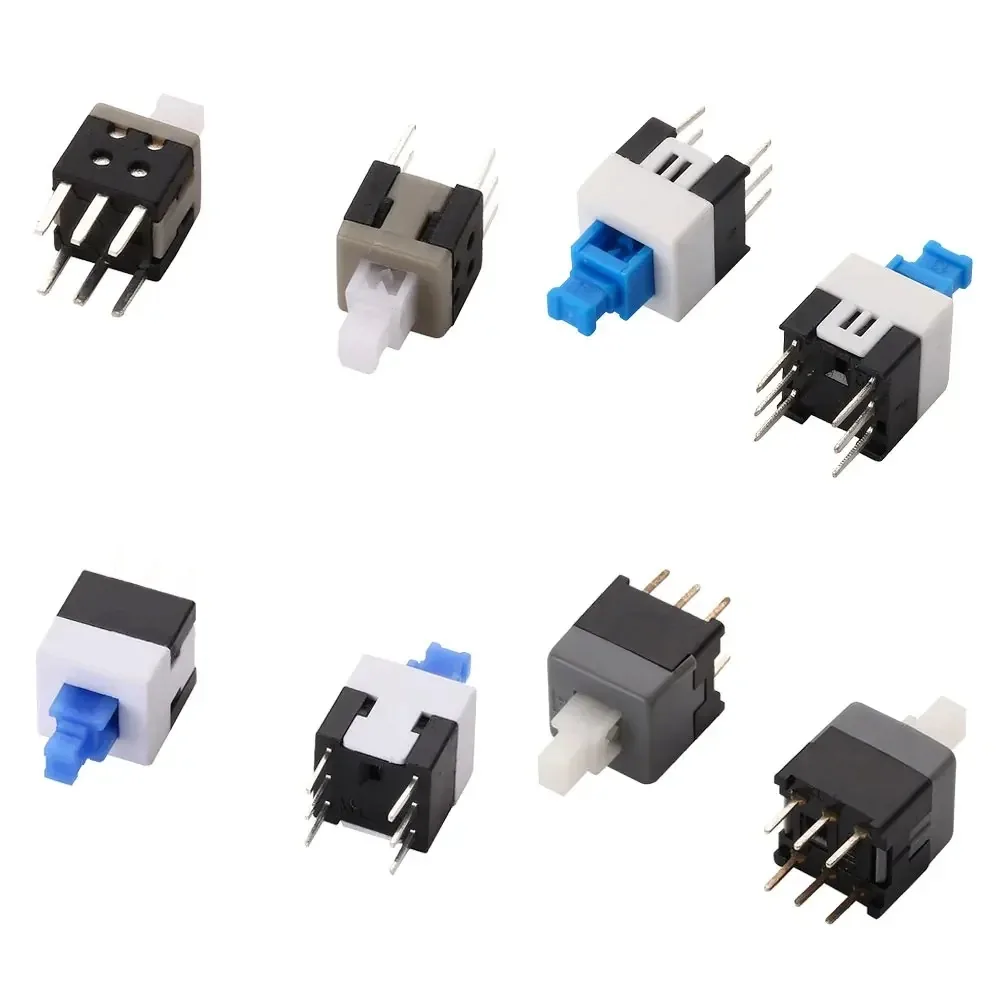
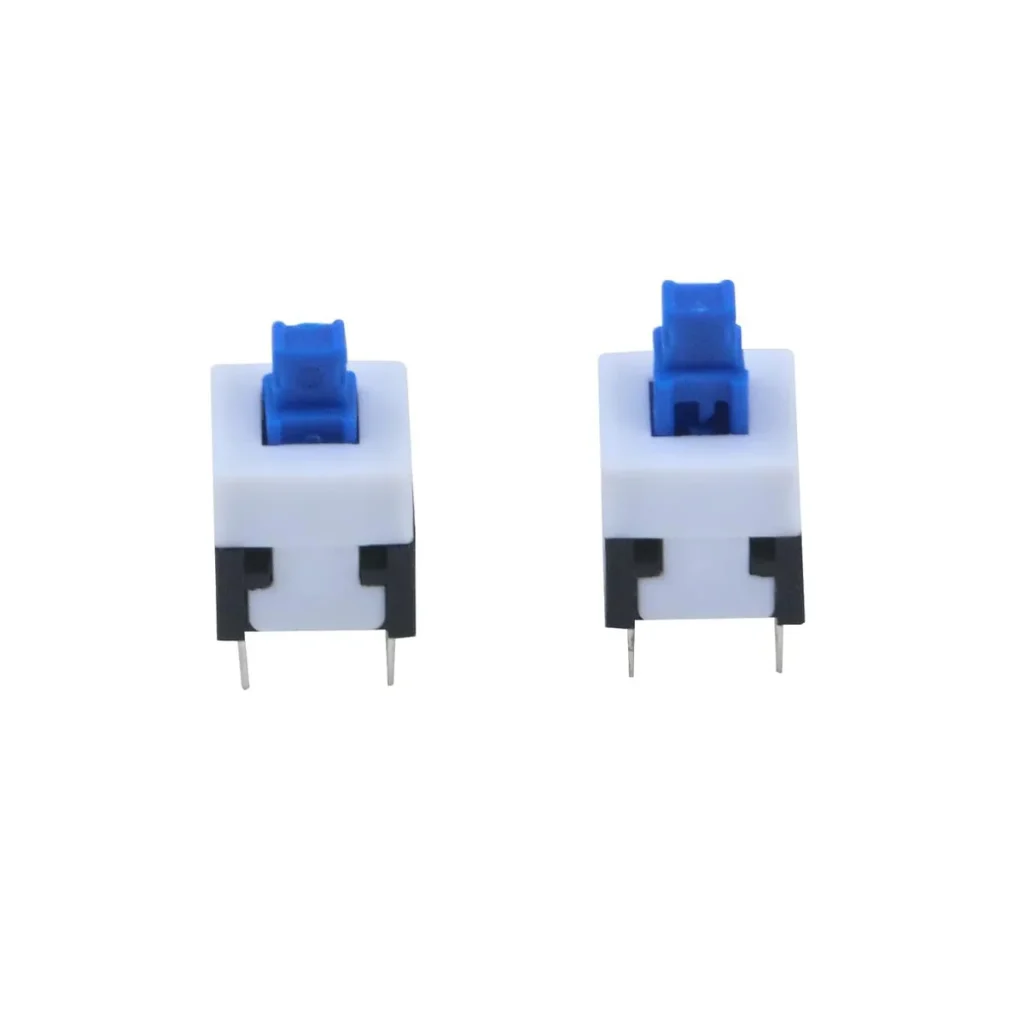
Tact switches and rocker switches are common electronic components for OEM projects. Mis‑selection may lead to unstable performance or safety risks. This article briefly compares their features, applications and buying advice.
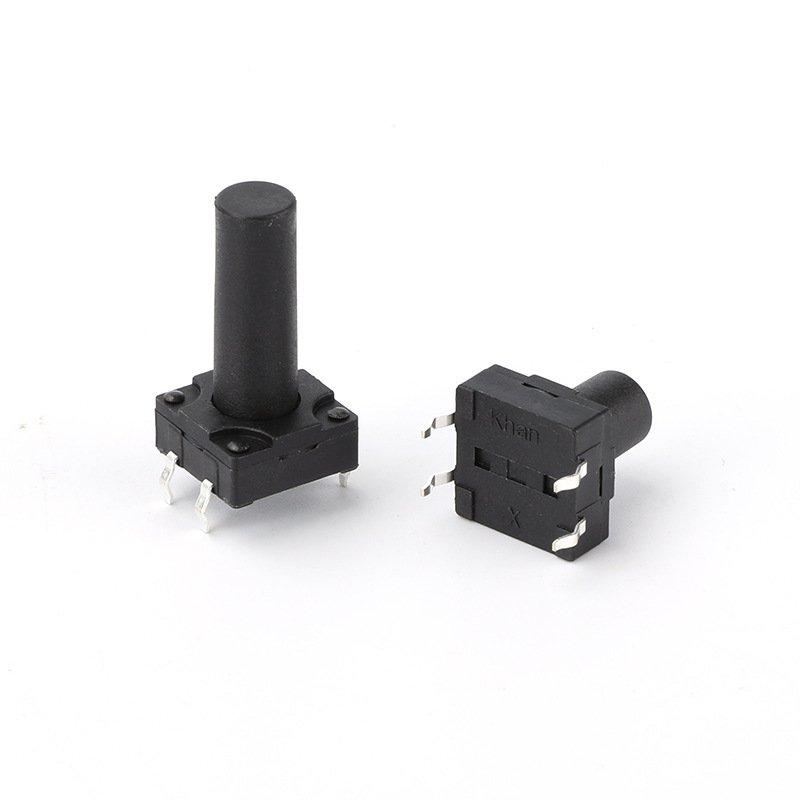
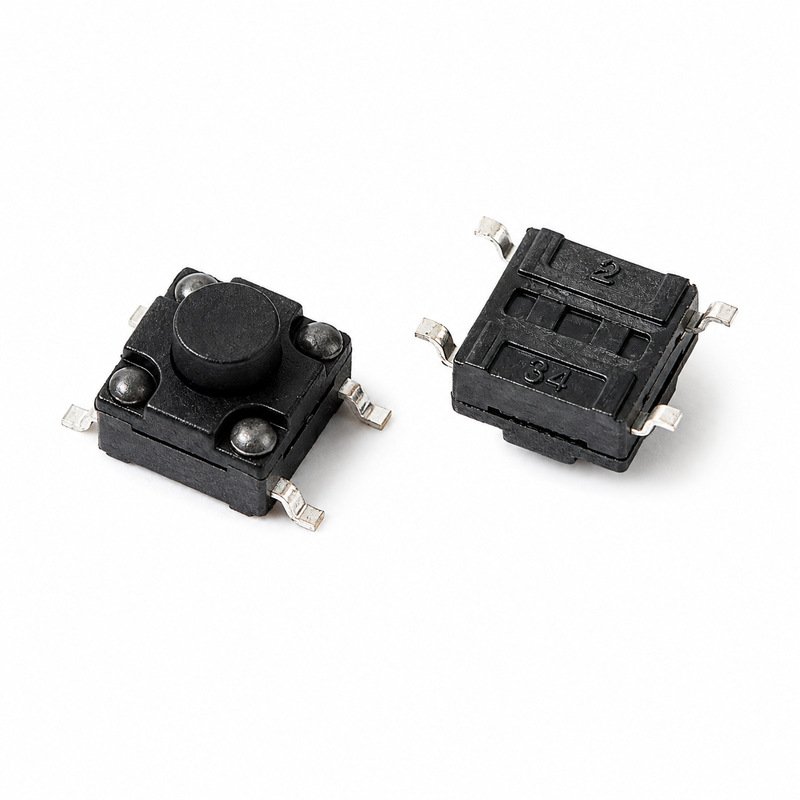
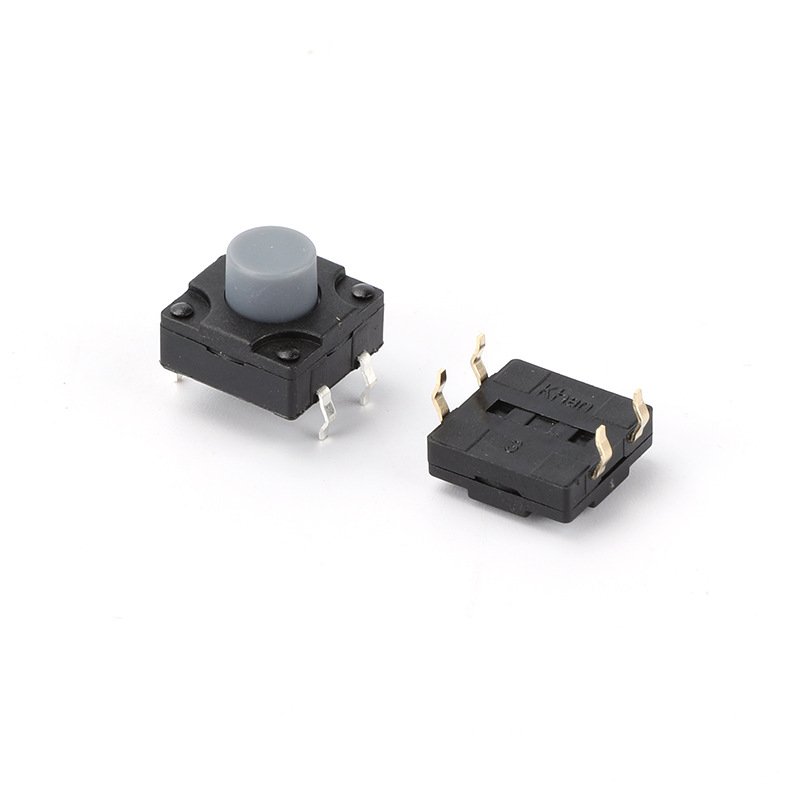
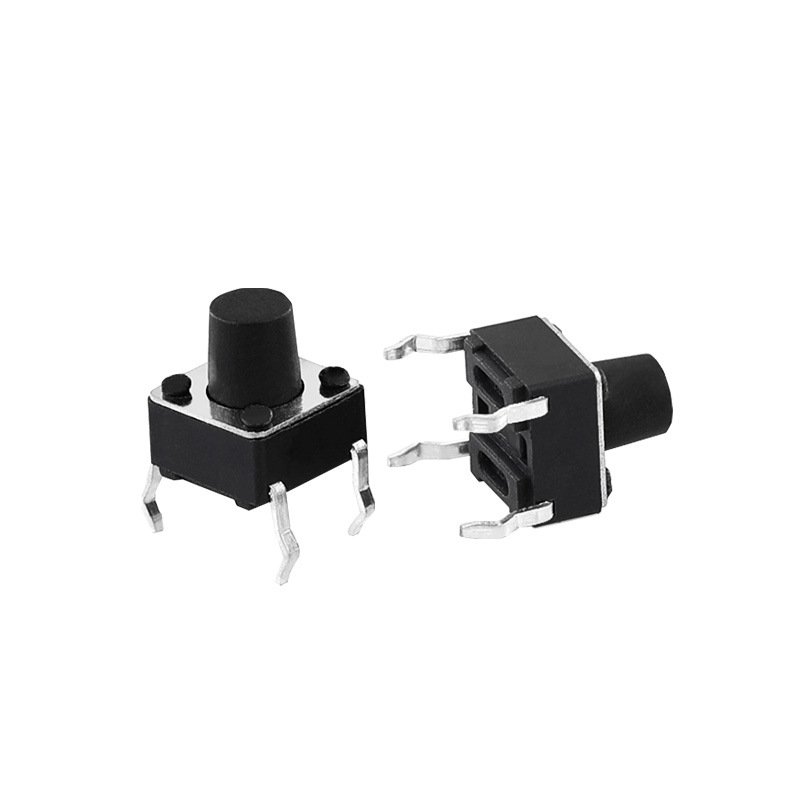
What Is a Tact Switch
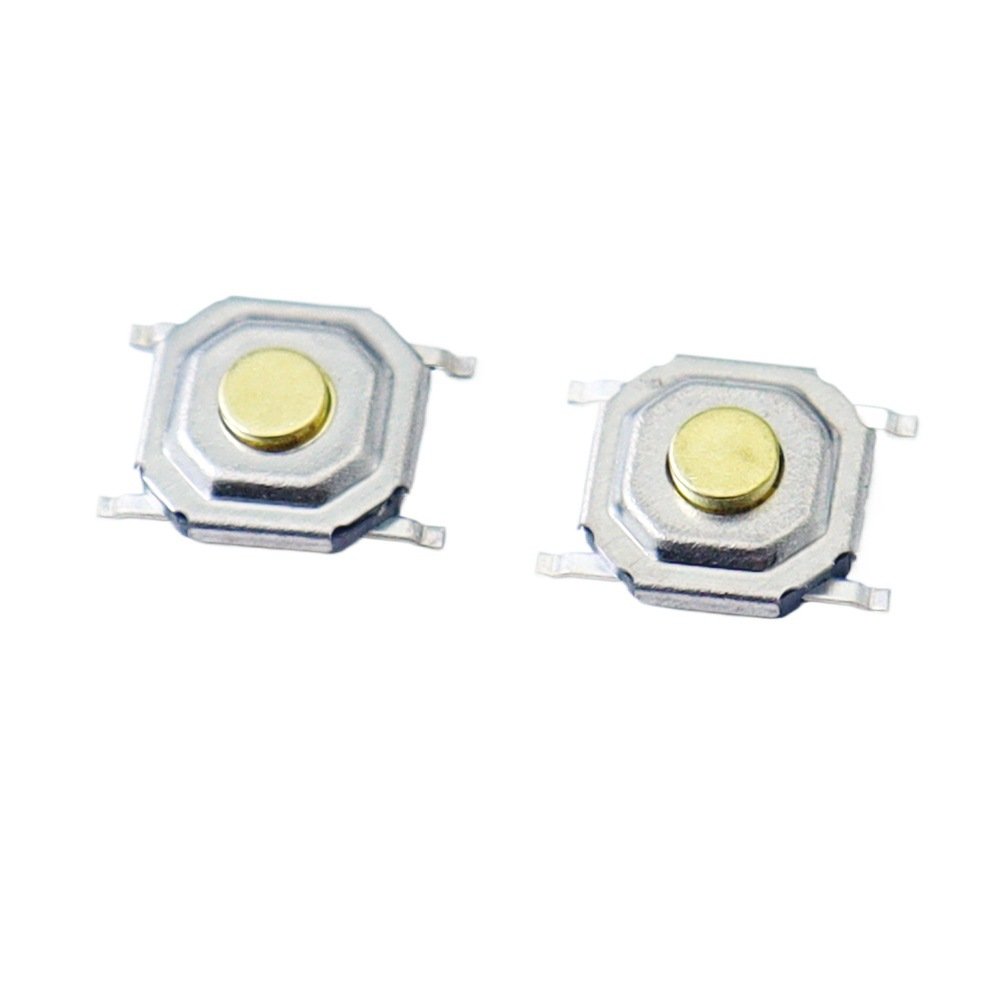
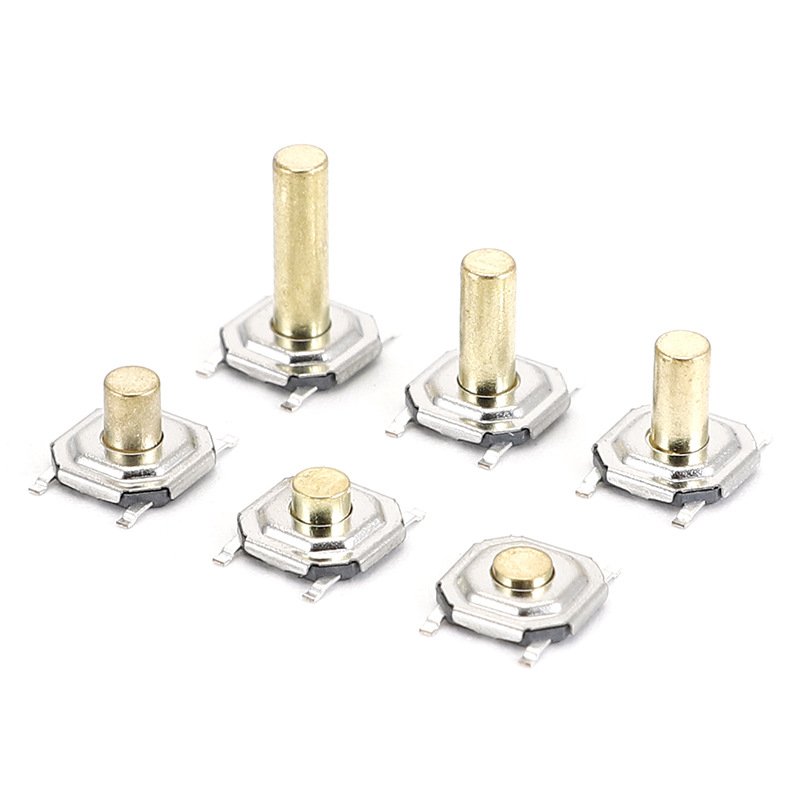
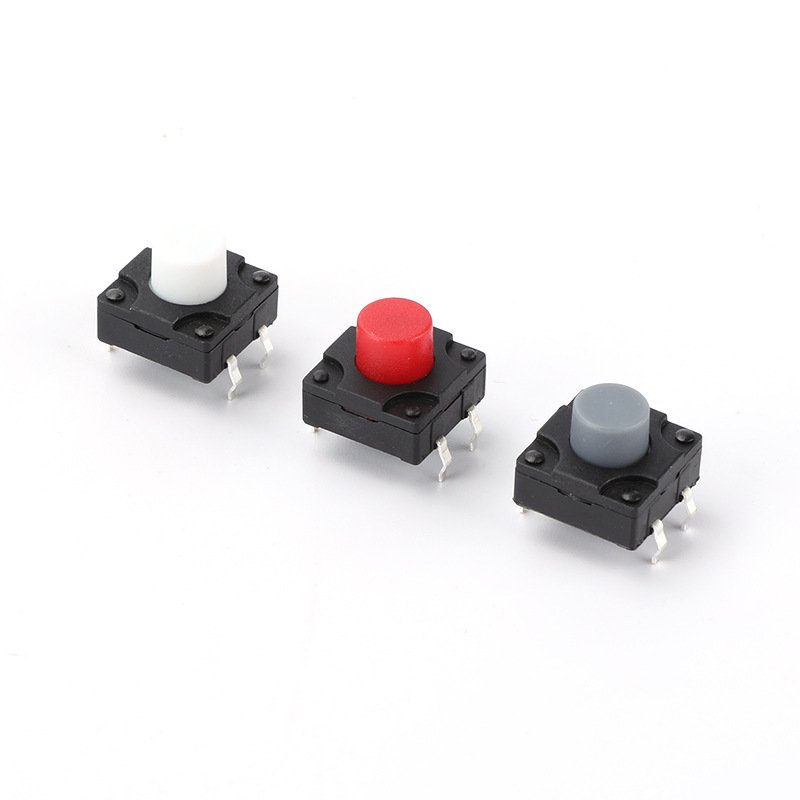
The tact switch is a momentary push‑button part, soldered on PCB. It triggers signal only when pressed and springs back after release.
Main Features
‑Small footprint, saves PCB space
‑Soft tactile feedback for frequent triggering
‑Only for low‑current signal circuits
‑Available in SMD and through‑hole versions
Typical Uses
Remote controls, device control panels, appliance buttons.
Drawbacks
Cannot handle high‑current power loops. Heavy frequent pressing accelerates internal shrapnel wear.
What Is a Rocker Switch
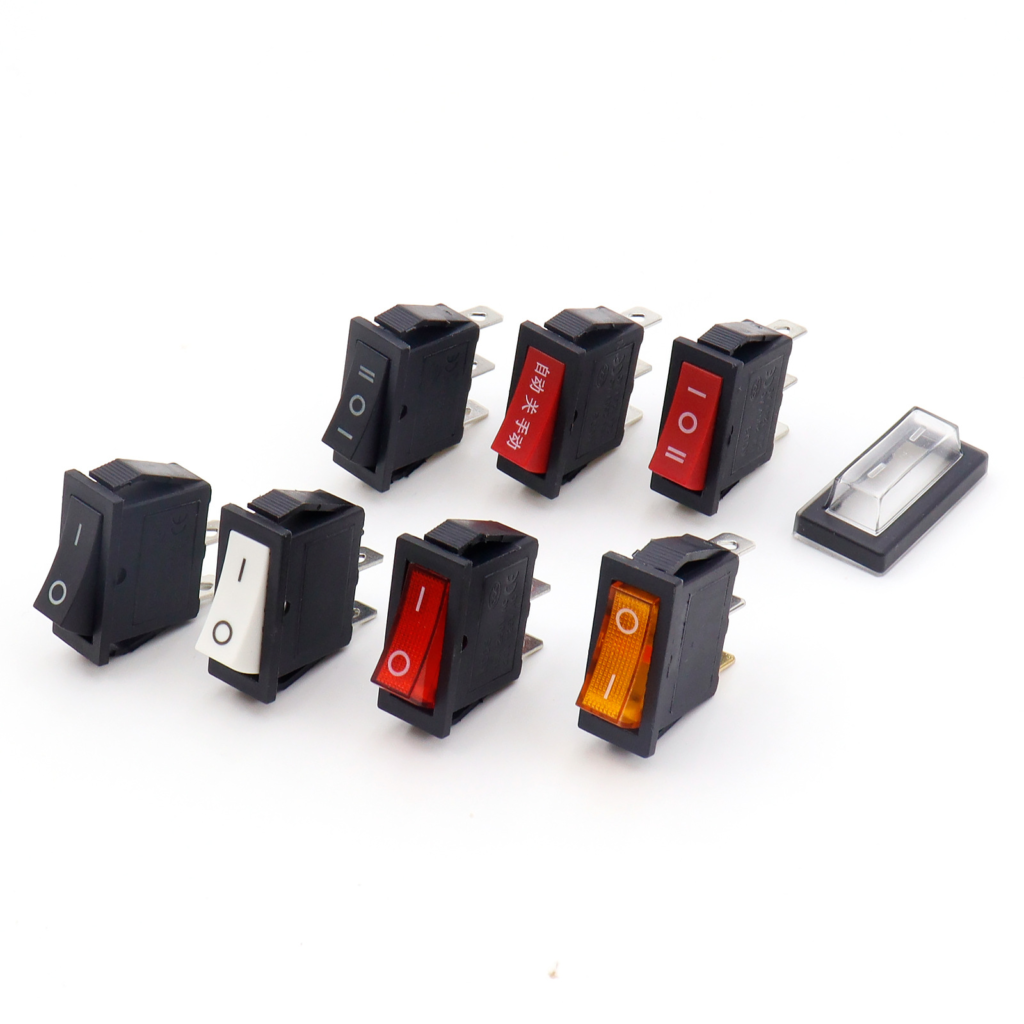
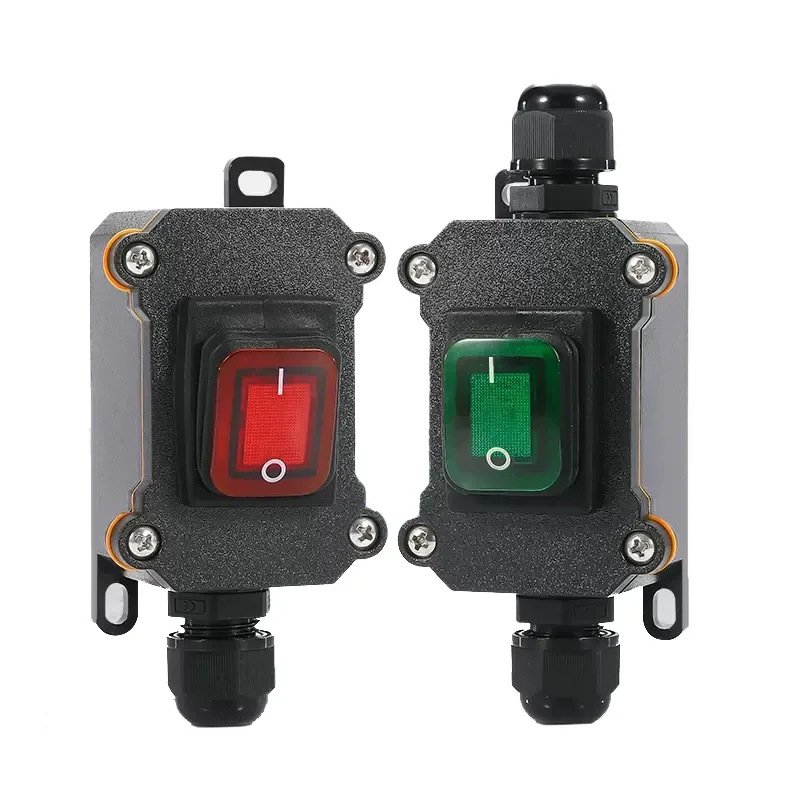
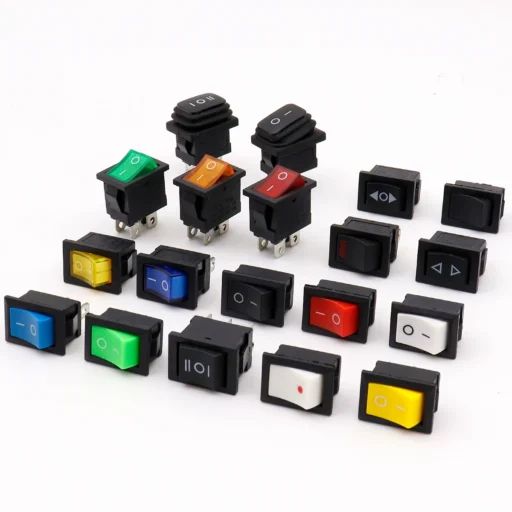
Rocker (boat‑type) switches are latching components. After toggling, they stay ON or OFF, mounted on equipment panel cutouts.
Main Features
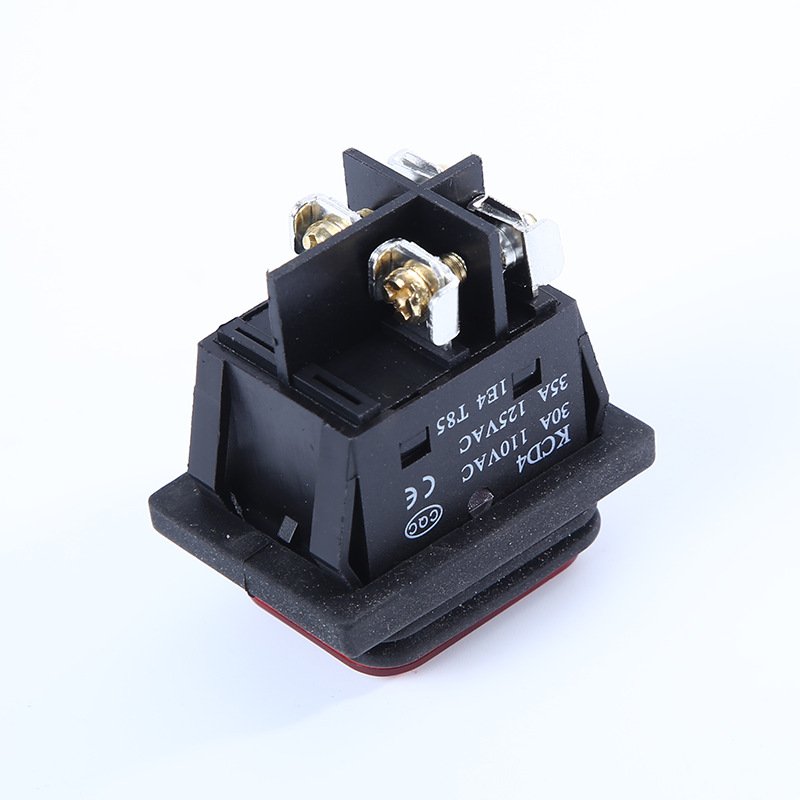
‑Supports higher voltage and current for main power control
‑Clear visible ON/OFF status
‑Robust structure for heavy‑duty usage
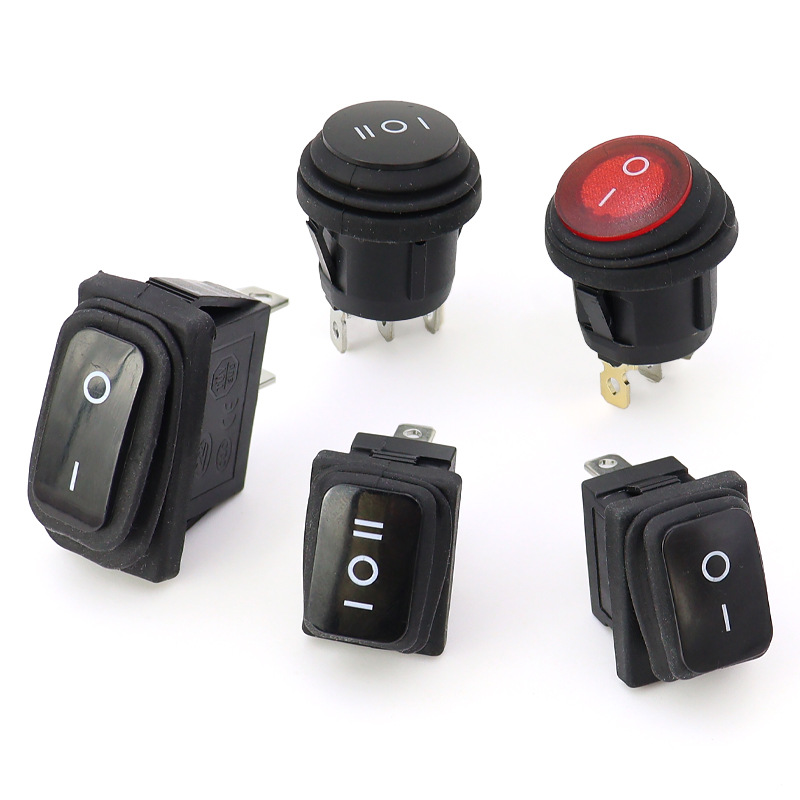
‑Multiple pin options, some with indicator lights
Typical Uses
Household appliances, power supplies, industrial cabinets, vehicle accessories.
Drawbacks
‑Large size, not suitable for compact miniature devices.
How to Choose
Pick tact switches if
‑You need compact buttons for signal input
‑Only momentary trigger is required
‑Limited space on PCB or housing
Pick rocker switches if
‑You need direct main power on/off control
‑Clear visual status indication is needed
‑Equipment works under relatively large current
Bulk‑Buy Tips
‑Do not use tact switches for high‑power main circuits
‑Confirm rated voltage, current and installation dimensions before ordering
‑Choose waterproof or high‑temp resistant models for harsh environments
‑Test samples before mass production
Conclusion
Tact switches are good for signal triggering, while rocker switches suit power switching. Match the switch to your real‑world working conditions to lower failure rates.