

Blog
Daily Maintenance and Common Fault Troubleshooting for Push Button Switch and Rocker Switch

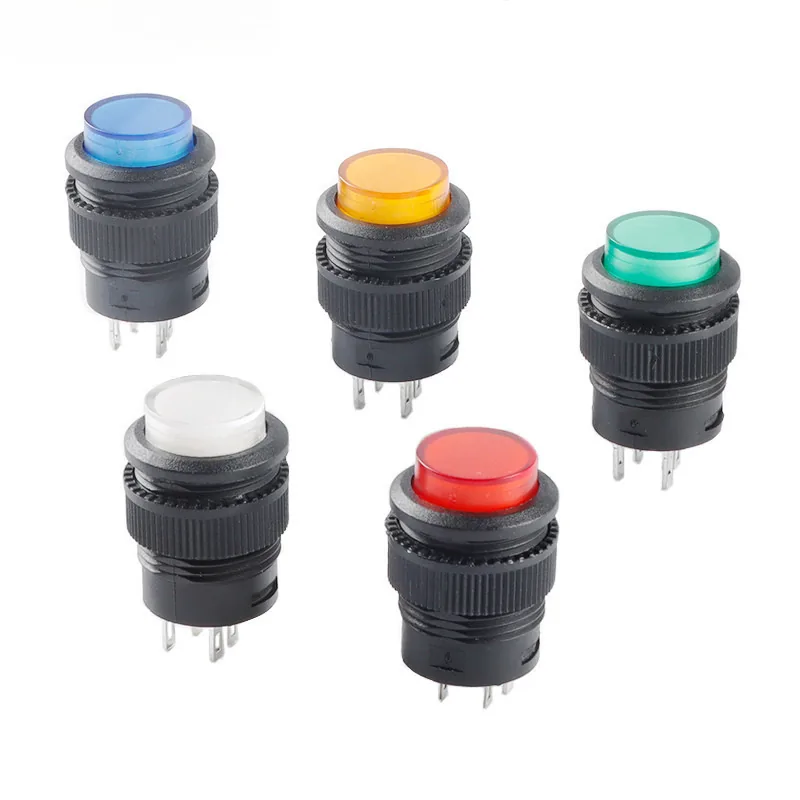
Common Fault Types of Push Button Switch and Rocker Switch Solutions
Push button switch is prone to poor contact and tact switch insensitive reset and key jamming after long-term use. Poor contact is mostly caused by dust accumulation and oxide layer on internal contacts, which leads to unstable circuit conduction. For this fault, clean the internal dust and oxide dirt of the switch with professional cleaning agent to restore contact conductivity.
Insensitive button reset is generally caused by spring fatigue or foreign matter jamming inside the switch. Clean the internal sundries and replace the aging spring structure to restore the pressing and reset function. If the push button switch is pressed without response frequently and the internal contact is severely worn, it needs to be replaced in time to avoid affecting the normal operation of the equipment.
 Typical Faults and Maintenance of Rocker Switch
Rocker switches often suffer loose‑gear switching, invalid locking and overheating during operation. Internal wear on rocker transmission parts causes loose gear sense, which brings inaccurate switching. Long‑term wear further triggers poor contact and virtual circuit connection.
Rocker switches heat up mostly from overload current or loose wiring terminals. Check whether your load current matches switch parameters. Tighten wiring terminals to stop high‑temperature ablation from poor contact. Compared with push button switch, rocker switch features a more robust internal build. Overload use and improper installation create most of its failures.
## Daily Standard Maintenance Skills
Regular daily maintenance extends service life for push button and rocker switches. Keep installation areas clean and dry. Prevent dust, water vapor and oil pollution from building up. Stop foreign debris from entering internal parts to avoid jamming and corrosion.
For frequently operated push button switches, inspect pressing sensitivity and contact state on a routine basis. For rocker switches inside high‑power circuits, check wiring tightness and gear‑locking stability regularly. Never overload switches for long‑time use. Match power load with the rated parameters of your push button or rocker switch.
Timely Replacement Judgment Standard
Replace your push button switch right away if you see frequent failures or obvious structural damage. Replace it also when it fails normal reset, shows ablation marks or permanent gear failure, or generates severe heating.
Carry out regular inspection and standardized maintenance. These steps keep push button and rocker switches work stably. They lower equipment failure rates and cut long‑term operation and maintenance costs.
2 thoughts on “Daily Maintenance and Common Fault Troubleshooting for Push Button Switch and Rocker Switch”