Blog
Structural Innovation in Switches and Sockets: Easier Installation

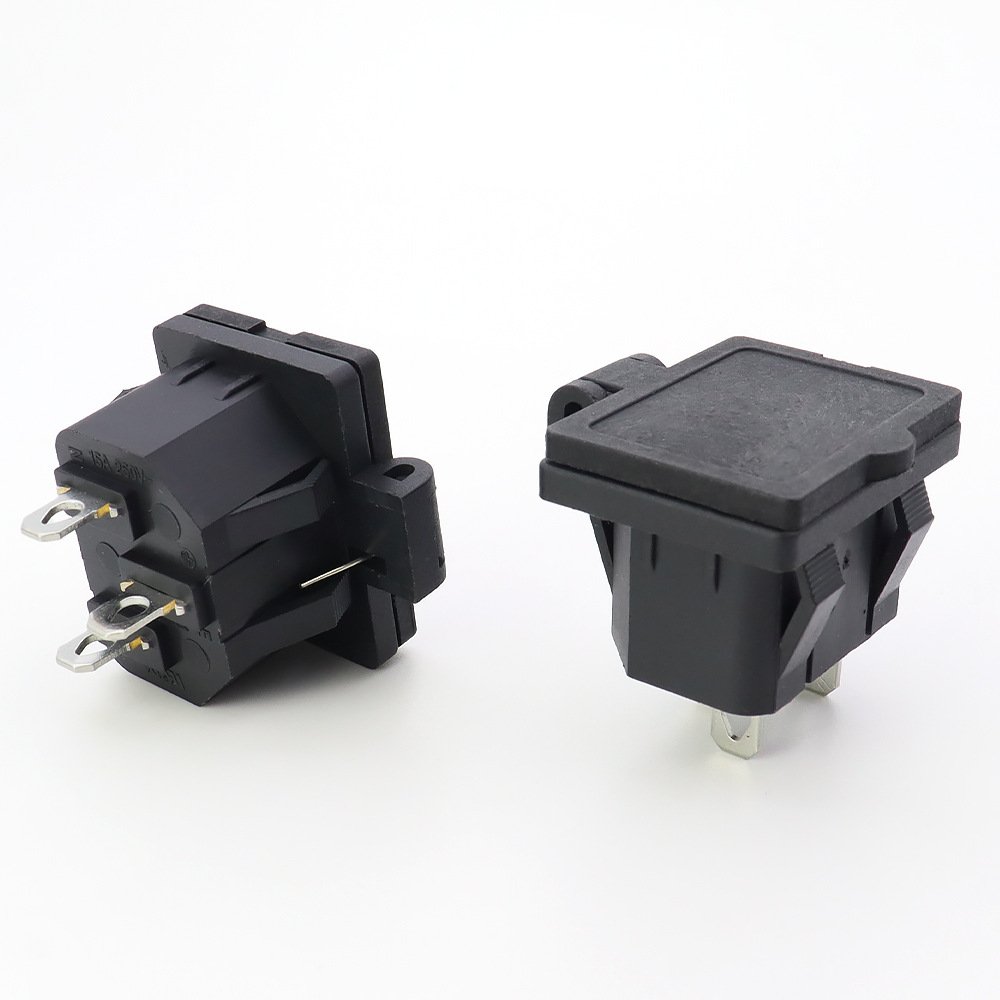
Modern buildings, industrial automation lines, commercial offices and high-end residences all rely on one common component. Switches and sockets form the core interface of every electrical system. As application scenarios grow more diverse, structural innovation and installation convenience have become key factors in market competition. Traditional sockets show clear limits in wiring speed, mounting style and function integration. They struggle to meet the demand for fast deployment and efficient maintenance. This article explores structural and installation innovations across terminal blocks, mounting brackets and function density. Concrete cases help B2B buyers understand the latest product trends and engineering value.
One-Piece Terminals vs Split Terminals: Wiring Efficiency Compared
Split terminal blocks have long dominated low-cost sockets. However, they force workers to strip wires, insert them and tighten screws by hand. This method is cheap, yet it creates real problems during large deployments. Loose connections cause poor contact. Each wiring point takes eight to fifteen seconds on average. Screws loosen over time and raise maintenance risk. Skill level varies from worker to worker, which hurts safety consistency. On sites such as construction projects, data centers and hotel engineering, this approach has clearly fallen behind.
In contrast, one-piece push-in spring terminals have risen quickly. They use tool-free, self-locking spring clamps that raise both speed and reliability. First, wiring is fast: insert the stripped wire directly and finish in three to five seconds without any tool. Second, the self-locking structure stays firm against vibration and loosening. Third, the process is standardized, so insertion depth and pressure stay consistent and human error drops. Moreover, the terminals are reusable, which helps future rewiring. For example, Schneider Electric and ABB have applied push-in technology across their high-end sockets. Many domestic industrial switch makers have adopted the same solution.
Quick-Mount Brackets: Flexible Installation and Better Space Fit
Screw-based mounting brackets remain common in traditional switches and sockets. Still, they require drilling holes in walls, panels and rails, then driving screws. This brings several pain points. Installation takes long and needs multiple tools working together. Uneven walls or misaligned holes prevent a firm fit. Mounting strength depends on the worker’s hand force, so brackets tilt or loosen. In fast-build, batch-construction or finely finished spaces, this method is clearly inefficient.
Modern switches and sockets are moving toward quick-mount embedded bracket structures. Their core design includes three parts. First, screw-free clip structures use high-strength spring metal or ABS clips that snap directly into panel slots. Second, adaptive wall-compensation design fits different wall thicknesses and materials for a stable fix. Third, modular back-box compatibility unifies the base size so different panels and function units can be swapped. As a result, this structure suits hotel smart wall-control systems, data-center power modules and industrial rail-mounted sockets. For instance, Siemens DELTA series introduced a screwless mounting system favored by large engineering contractors, cutting install time by over 60 percent versus tradition.
Higher Function Density: More Features in the Same Volume
Standard module size is limited by wall-box dimensions and electrical safety distances. Therefore, traditional sockets often follow a one-module-one-function rule that feels sparse. One socket opening occupies one module space. USB, network and low-voltage ports are set separately, which makes combinations complex. Module thickness is restricted, so integration is weak. Modern commercial buildings, high-end homes and control systems expect multi-function integration within limited space, fewer mounting positions and a unified visual style.
Several directions raise the density of modern sockets. First, multi-function integration merges several features into one module. Examples include a socket plus USB charging plus smart power monitoring in a single unit. Another combines a socket, network port and HDMI into one module. Industrial versions integrate a three-phase plug, status indicator and fuse protection. Second, PCB stacking and multi-layer layout use vertical circuit boards, L-shaped connectors and flexible cables to route more functions in tight space. For example, a dual-layer PCB delivers both USB-A and USB-C output, while SMD parts compress thickness. Third, modular plug-in interfaces use a unified female base. Each function module clicks into the main module, saving space and easing replacement. Hospital bedside multi-function panels are a typical case.
Other Structural Innovation Trends
Beyond the three core directions above, several extra trends are worth noting. First, magnetic panel design has entered some high-end switches and sockets. It improves visual unity and mounting ease, fitting mansions, hotels and conference halls. Second, micro-structure components such as precise spring clips, micro relays and embedded chips shrink the device while adding smart control. Third, rotatable module layouts serve adjustable-direction needs. Desktop and conference-table sockets can rotate to the use direction, improving the plug-in experience.
Why Structural Innovation Drives Switches and Sockets
Application scenarios keep expanding, so B2B customers now ask more from their switches and sockets. They want fast deployment, flexible modules, high integration and long-term reliability. The structural innovations discussed here—one-piece terminals, quick-mount brackets and function-density optimization—are reshaping how traditional sockets are designed. In fierce competition, only makers who keep improving product structure and user installation experience can stand out in the high-end market. For engineering projects, bulk supply and brand integration services, structural innovation is no longer a nice extra. It is a real technical moat. To learn more about specific structures, custom development or application cases, contact us for technical materials. We can also build efficient, easy-to-install switches and sockets for medical, industrial and data-center scenarios.
For a deeper look at the basics, see our guide on Sockets with rocker switches, and review the Sockets selection and maintenance guide before specifying your next project.