Blog
Global Power Socket Certification Systems and Testing Requirements

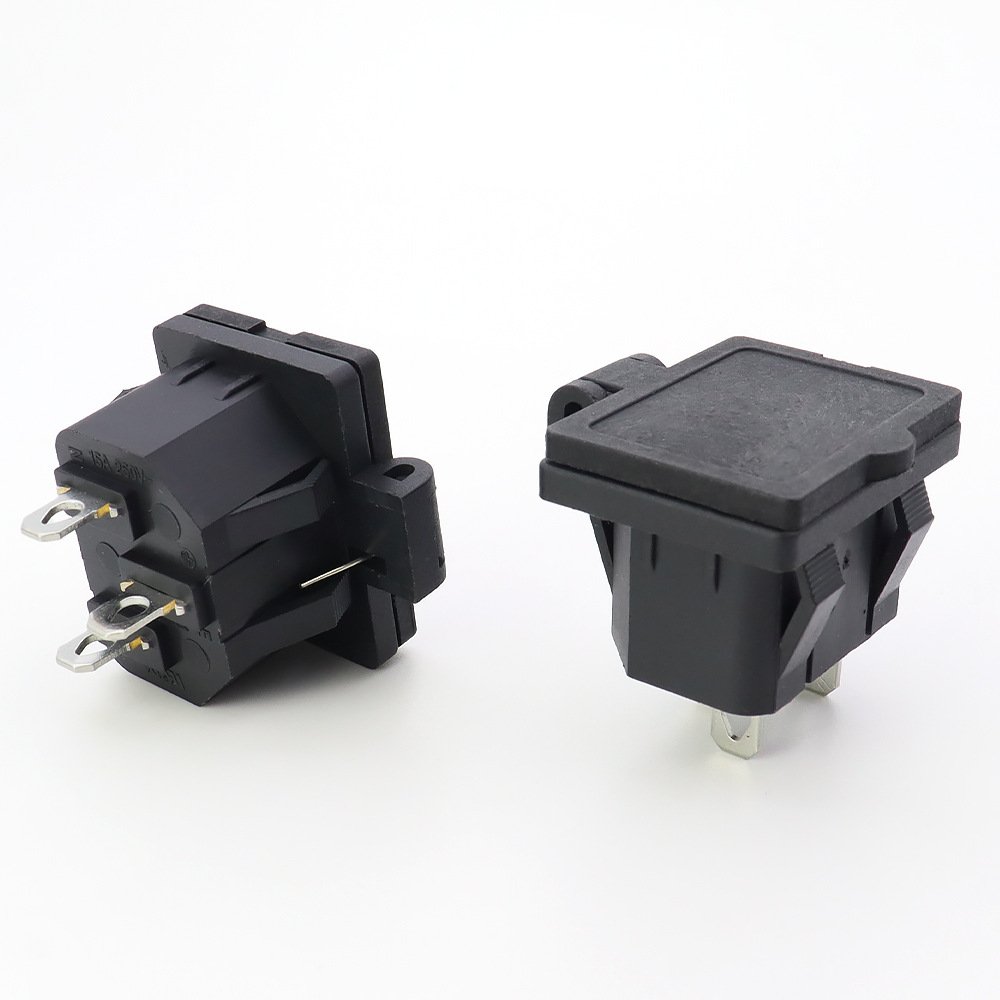
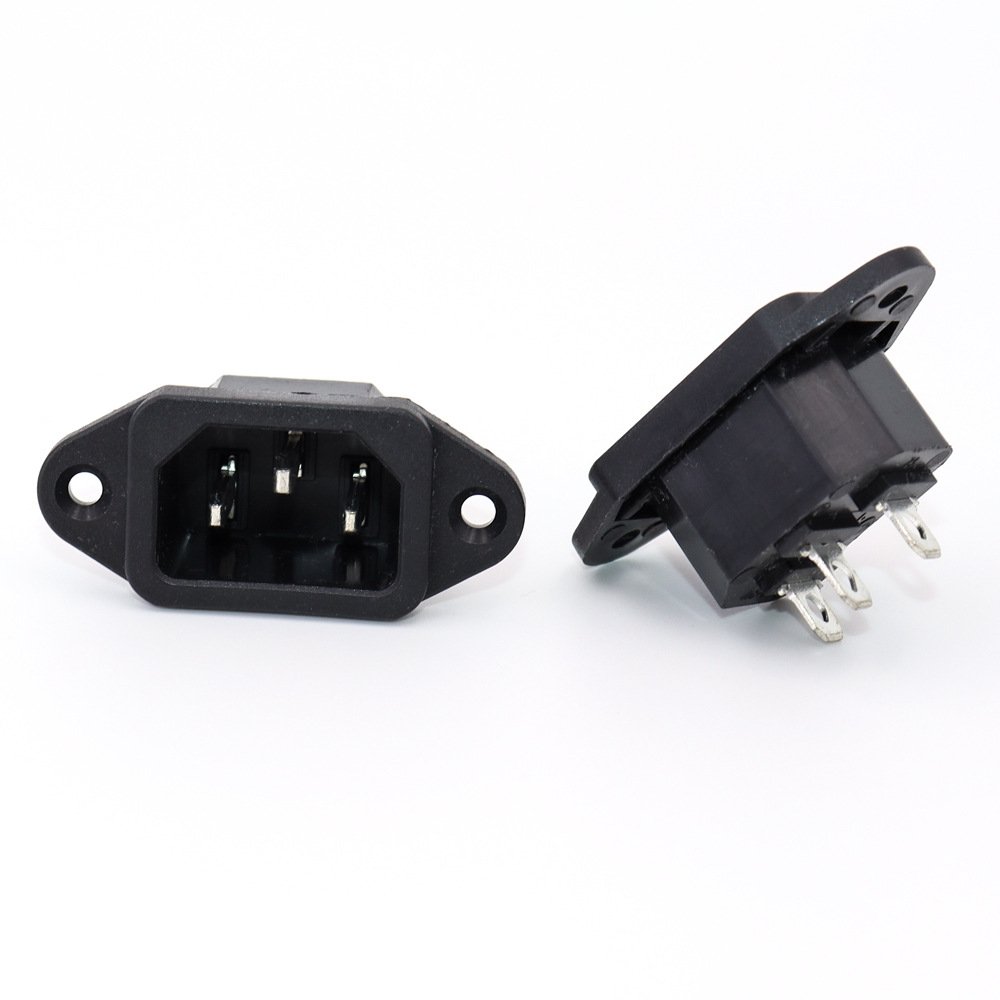
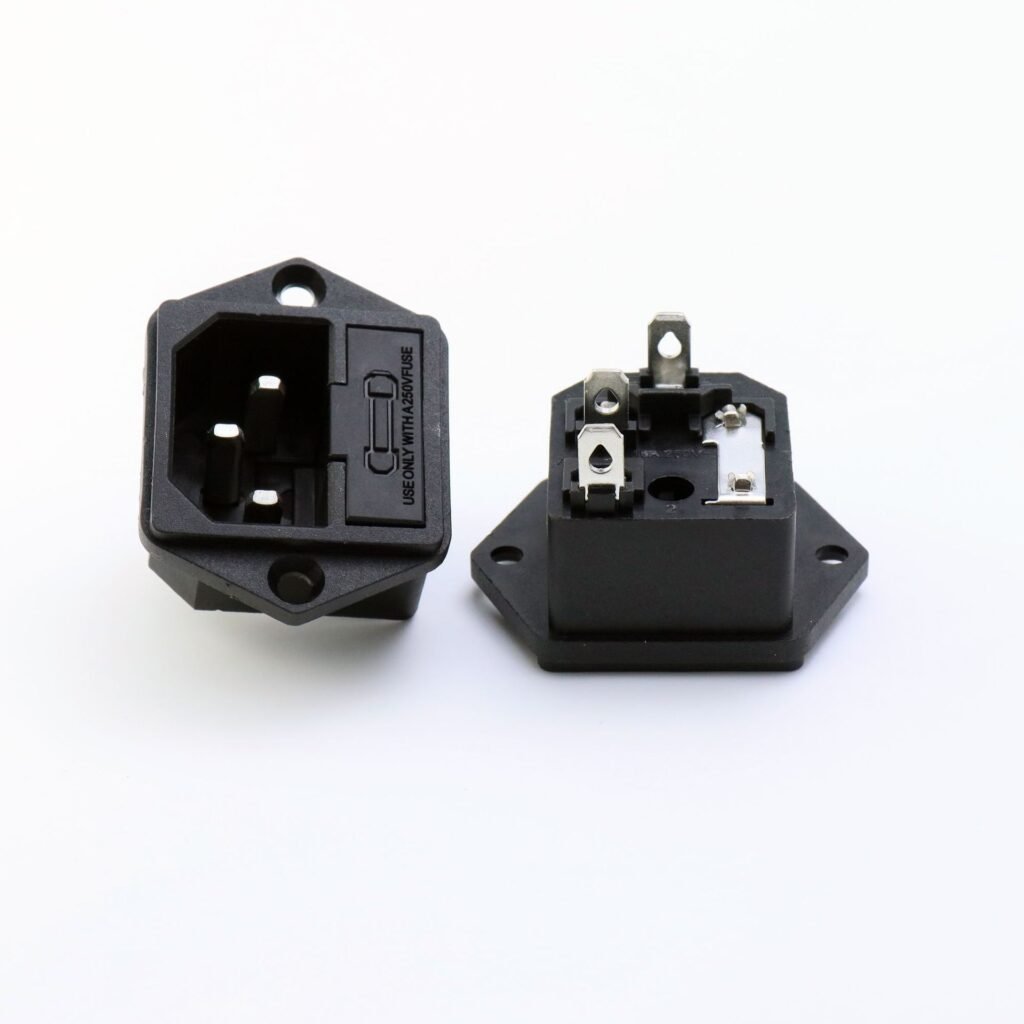
Power sockets are the point where users meet the mains grid, which makes them among the most strictly regulated components in the electrical industry. A product that passes every requirement in its home market can still be rejected in another country simply because it lacks the right certification mark. This situation is not an isolated case; it reflects a broader pattern that shapes the whole industry.
As a global manufacturer serving B2B buyers, integrators, and OEM partners, we see how certification differences ripple straight into design decisions. In this guide, we break down six major certification systems and compare their test priorities side by side. We also explain how certification requirements influence material selection, structural design, and cost planning. Understanding these differences helps buyers specify correctly. It also helps manufacturers plan certification roadmaps with far fewer surprises.
Why Power Sockets Require Market-Specific Certification
Low-voltage electrical connection products fall under mandatory regulatory control in most jurisdictions. Each national scheme exists to serve several purposes, and every sockets design must answer the same core questions.
- User safety. Certification limits the risk of electric shock, fire, and short circuits.
- System stability. Standards help maintain the reliability of national power infrastructure.
- Durability. Test cycles verify that products tolerate long-term environmental stress.
- Environmental control. Restrictions on hazardous substances support greener manufacturing.
Products without the required mark face bans on sale and use. Importers also carry legal liability, so certification is a commercial prerequisite, not a marketing badge.
Major Certification Systems and Their Core Differences
The table below summarizes the six certification systems discussed in this article, covering their market, mandatory status, governing standard, and primary focus.
| Certification | Country / Region | Mandatory | Test Standard | Primary Focus |
|---|---|---|---|---|
| UL | United States | Yes | UL 498 | Safety performance, structure, temperature rise, electrical clearance |
| VDE | Germany / EU | No (CE is mandatory) | IEC / EN 60884-1 | Mechanical endurance, contact resistance, structural safety |
| CCC | China | Yes | GB 2099 | Structure, electrical performance, aging, flame resistance |
| TUV | Germany / EU | No | Based on EN / IEC standards | Alternative to VDE, with production consistency audits |
| PSE | Japan | Yes | JIS C 8303 | Insertion force, polarity identification, arc control |
| KC | Korea | Yes | K 60884 | Close to IEC, with additional EMC requirements |
As you can see, no two systems are identical. Two schemes may reference the same IEC base standard and still differ in what they test. They also differ in how they enforce it, which shapes the cost and schedule of every sockets program.
UL (United States): Structure and Safety at the Core
The governing standard is UL 498, Attachment Plugs and Receptacles. Key test areas include:
- Temperature rise. Under rated current and extended energization, terminal and housing temperature rise must stay within limits such as 30 K.
- Insertion and withdrawal force. Contacts must not be damaged by either loose or excessive force.
- Polarization and safety features. Receptacles must prevent mismatched insertion and include child-safety shutters.
- Glow-wire testing. Materials must demonstrate flame resistance.
- Durability. Products should retain function after 10,000 insertion cycles.
UL relies heavily on drawing review inside recognized test laboratories. A typical three-slot US receptacle requires a grounding strap that cannot detach, plus a safety shutter mechanism. It must also pass mechanical impact strength testing to prevent exposed contacts after a drop. Recognition is highly valued across North America. This is why many buyers specify it even when local law does not strictly require it.
VDE (Germany / EU): Reliability and Precision Combined
VDE certification follows EN 60884-1, aligned with IEC 60884-1. Testing covers contact resistance limits after aging and mechanical endurance of 25,000 insertion cycles. Assessors also verify damp heat and leakage resistance, dimensional consistency with European plugs, and the comparative tracking index for insulation materials. While VDE is not legally mandatory, it carries exceptional credibility in the European Union. It is especially valued in industrial and premium appliance segments, and is often paired with CE marking rather than replacing it. Buyers who need application-level guidance can also review our selection and maintenance advice for Sockets before finalizing a specification.
CCC (China): Structure, Electrical Performance, and Flame Resistance
CCC certification references GB 2099.1, which mirrors the IEC framework. Testing includes mechanical strength verification through drop, impact, and insertion force. Clearance and creepage distance measurements confirm no breakdown under voltage. Furthermore, glow-wire and needle-flame testing evaluate flame behavior near heat sources, and aging tests confirm material stability in high-temperature chambers. Protective features such as child-safety shutters and anti-misinsertion structures are also required.
Because CCC is a mandatory market access requirement, manufacturers need a complete factory inspection system in place. Approved bodies including CQC, TUV SÜD, and the China Quality Certification Center can issue certificates. As an example, a 16 A wall socket sold in China must complete needle-flame testing with flame extinction within 30 seconds, while also meeting arc control requirements to prevent carbonized tracking paths.
TUV (Germany): Factory Consistency and Safety Performance
TUV bodies work from EN 60884-1 with the same structural and functional test scope as VDE. Their distinguishing feature is an emphasis on factory quality assurance. This covers production consistency audits and periodic follow-up inspections. That service model reduces duplicate certification cost when combined with CE marking. Compared with VDE, TUV tends to offer more scheduling flexibility, and in exchange it demands strong production traceability.
PSE (Japan): Detailed Structure and Marking Requirements
PSE certification follows JIS C 8303. Test items include 15,000 insertion cycles, polarity verification for line and ground mapping, arc control checks after repeated mating, contact pressure testing to prevent failures from thermal expansion, and label durability tests confirming that nameplate information stays legible over time.
PSE applies to all AC 100 V and 200 V sockets, and its documentation is demanding. For instance, a portable power socket with USB output must keep USB port temperature rise below 30 °C and use label text at a minimum height of 2 mm to satisfy the standard.
KC (Korea): Electrical Safety Combined with EMC
Korean KC certification references K 60884-1, which is close to the IEC standard, yet it adds electromagnetic compatibility requirements. Testing covers electrical safety items such as temperature rise, breakdown strength, and resistance. It also verifies EMC performance so sockets neither emit nor tolerate unnecessary interference. Furthermore, plastics must meet RoHS and halogen content limits, and product labeling must present all information in Korean.
How Certification Differences Influence Product Design
Multi-certification programs change product development in three practical ways.
First, material selection must satisfy several test methods at once. A product targeting both UL and VDE needs plastics that pass glow-wire testing and maintain a CTI of at least 600 V. Such demands usually point to high-performance PC or PBT alloys.
Second, structural design must bridge multiple standard families. Slot dimensions and polarity configurations have to accommodate US, EU, and Japanese layouts simultaneously. Modular platform designs allow regional variants to share a common base and reduce certification effort. Our guide on Sockets explains how integrated socket and switch assemblies are structured for this reason.
Third, certification cost and schedule need active management. Lead times differ considerably, with UL typically requiring 8 to 12 weeks and PSE around 12 to 16 weeks. Manufacturers should prioritize markets and phase certification accordingly. Shared test reports between related sockets variants shorten this cycle further.
Summary and Recommendations
Certification is more than an entry ticket for power sockets. It concentrates product quality, design capability, and compliance operations into one measurable framework. To handle the differences among UL, VDE, CCC, PSE, and KC, manufacturers should start multi-certification planning at the design stage. They should also build internal test capability to simulate several national standards. Selecting third-party laboratories that already hold multiple accreditations further reduces duplication. In addition, companies must manage the full certification lifecycle, from initial approval through annual surveillance. Accumulating long-term data on contact resistance, temperature rise, flame performance, labeling, and insertion life raises success rates for future programs. Because tighter certification frameworks keep expanding, manufacturers that build technical depth and compliance capacity now will hold the stronger position in global markets.
For specific socket certification requirements or custom design support, our engineering team is ready to assist with technical consultation and long-term cooperation.