

Blog
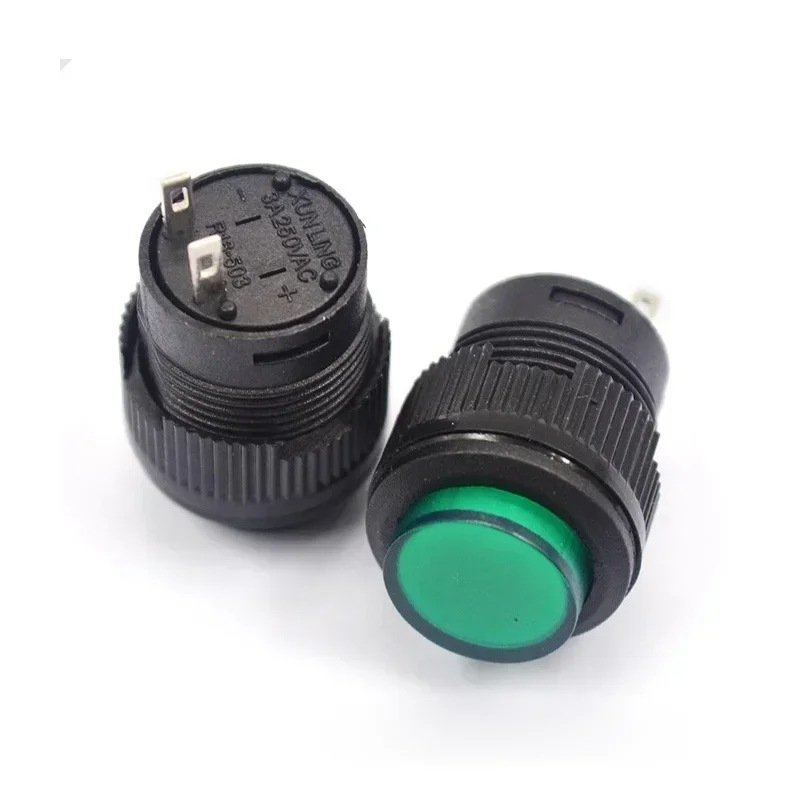

Push Button Switch in EV Cockpit HMI Design
Push Button Switch in EV cockpit HMI design: how it works with touchscreen and knob, and why tactile feedback improves driving safety.
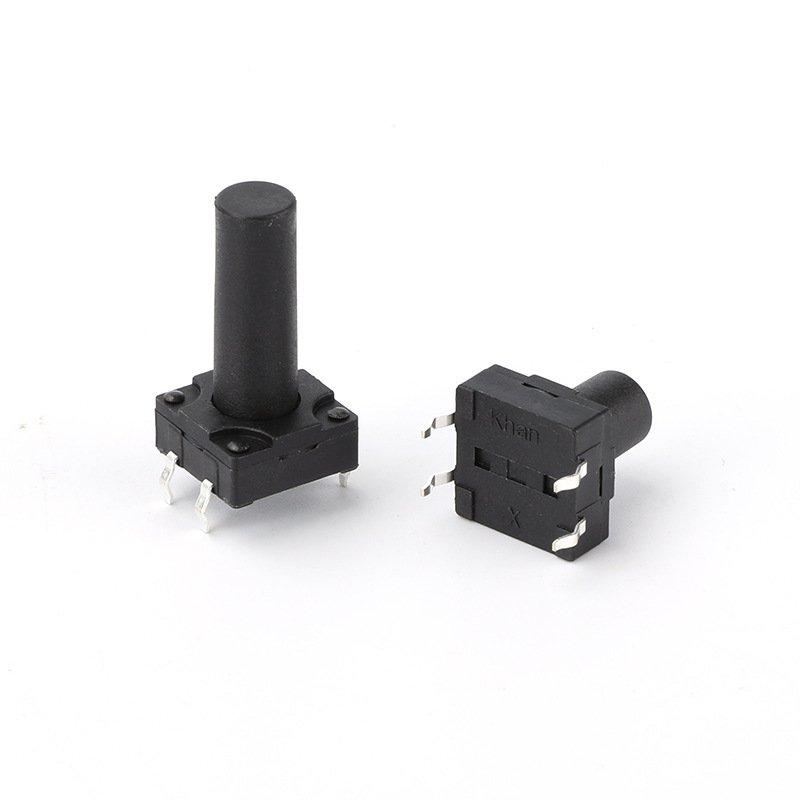
Tact Switch Mechanical Life: Innovative Design Tips
Tact Switch mechanical life: extend it with new spring materials, contact-structure optimization, and consistency design for harsh use.
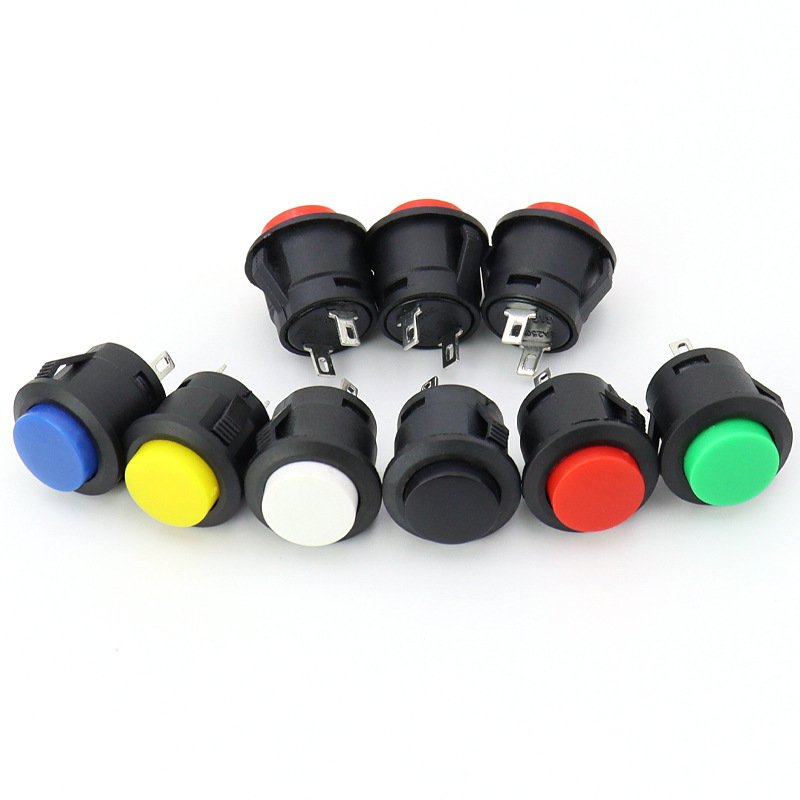
Metal Push-Button Switch LED Backlight Design: Schemes and Low-Power Optimization
Metal push-button switch LED backlights: single, dual, and RGB options with high-brightness, low-power optimization for industrial, automotive, and medical use.
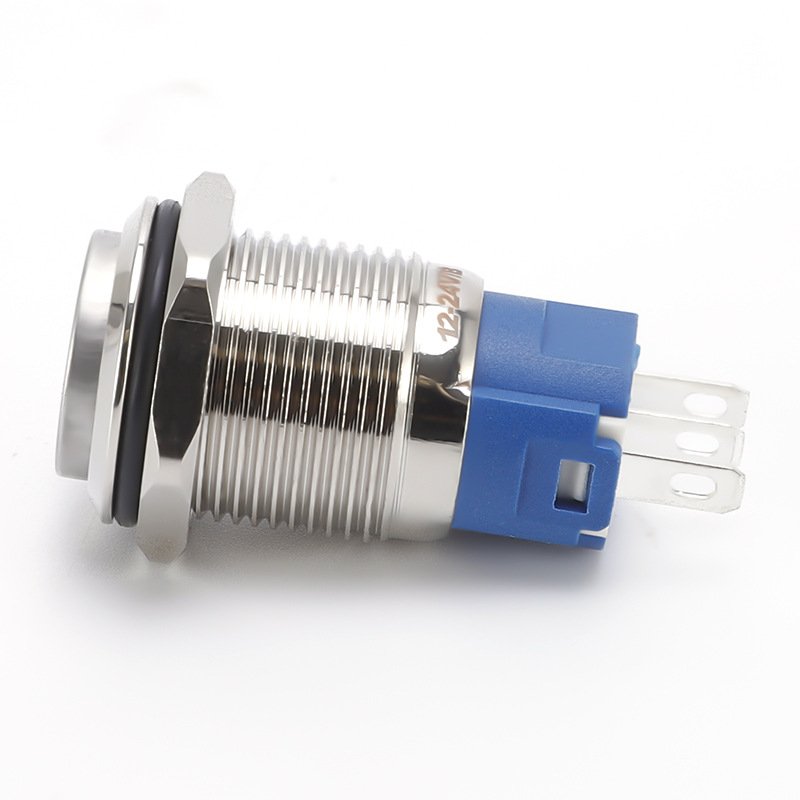
Push-Button Switch Wiring and Mounting: Connection and Assembly Guide
Push-button switch wiring and mounting guide: pin, screw, solder, quick-connect, plus snap-in, threaded and nut-lock, with an industry table.

Micro Switch Working Principle: Snap-Action Explained
Learn the micro switch working principle and how the snap-action mechanism gives instant switching, self-held contact force, and fast arc suppression.
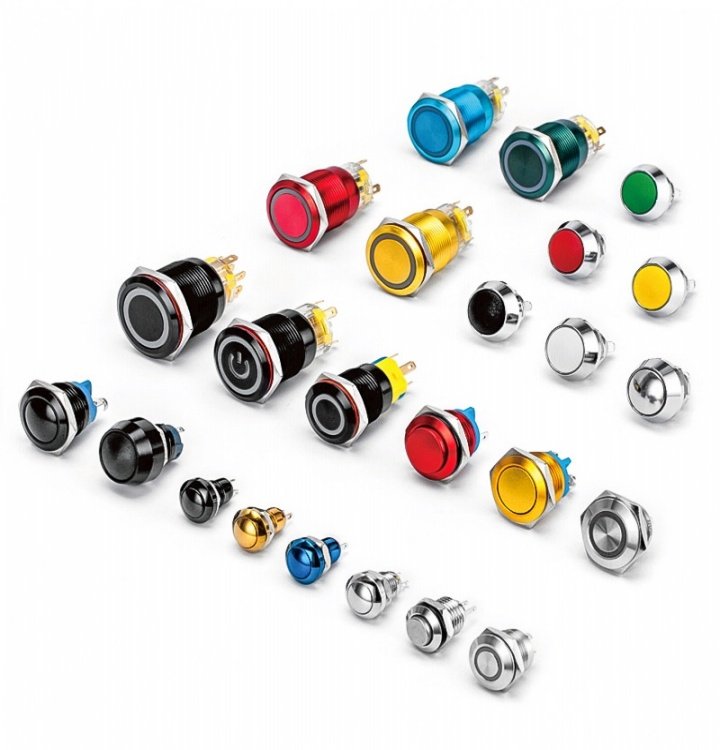
Push-Button Switch Eco Design: Materials, Recycling and LCA
Push-button switch sustainability covers lead-free materials, recyclable design, RoHS/REACH compliance and lifecycle carbon assessment.
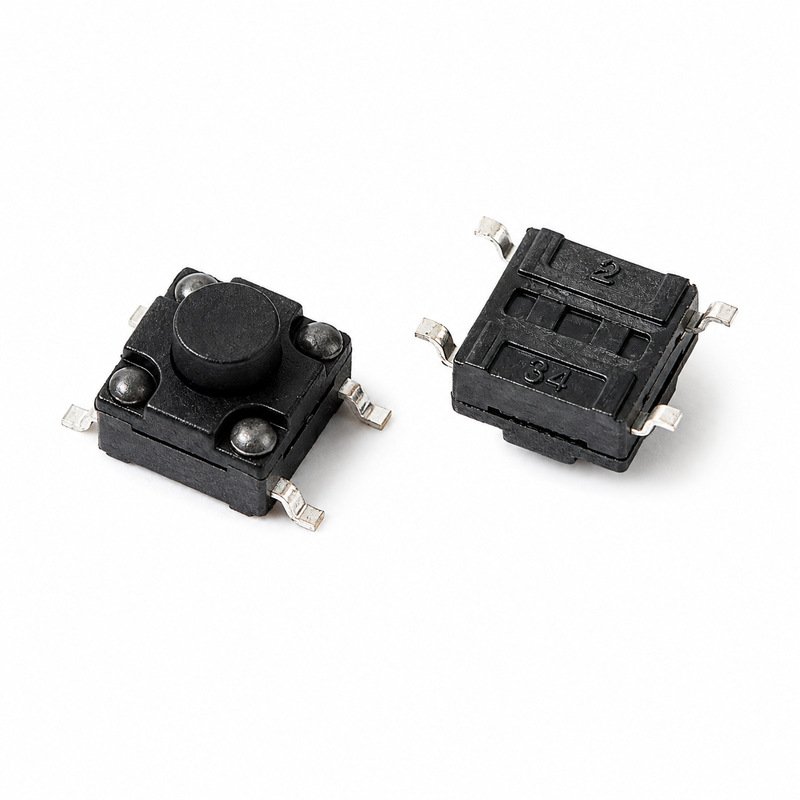
Waterproof Tact Switch: Key Selection Parameters Explained
Learn how to choose a waterproof tact switch. Compare IP65, IP67 and IP68 sealing methods, key materials, common failure causes, and buying tips.
Micro Switch Contacts Compared: Silver, Gold, or Copper?
Micro switch contacts compared: copper oxidizes fast, silver alloys rule 10-20A power switching, gold plating protects weak signals in harsh air.
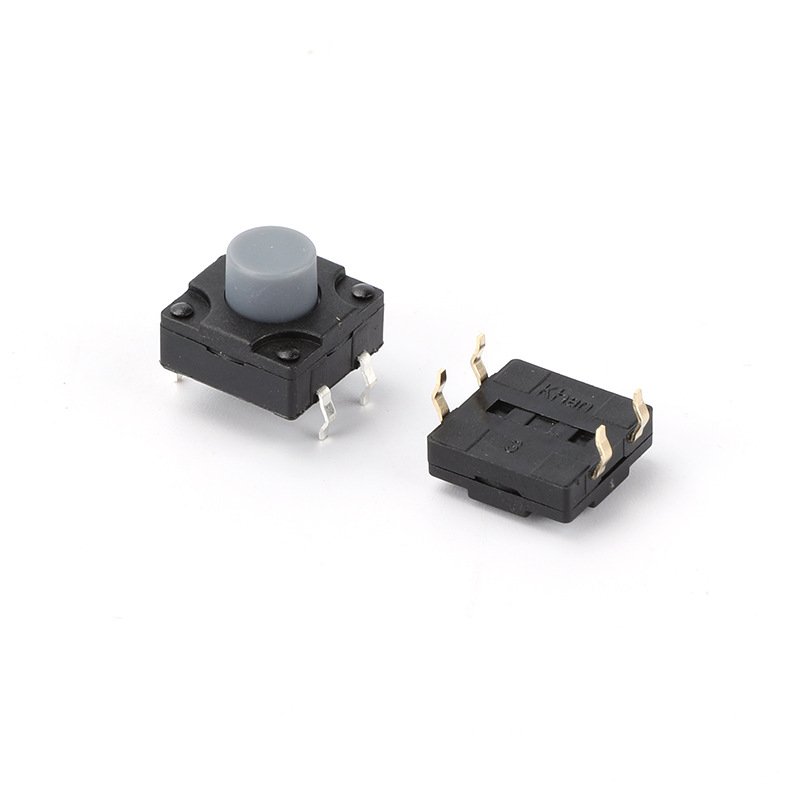
What Is Normal Tact Switch Contact Resistance? Why Low Resistance Matters
Normal tact switch contact resistance is 100 mΩ fresh and 30 mΩ for gold plating. See why low resistance matters for MCU keys.

Self-Locking vs Momentary Toggle Switch: Function and Application Comparison
Self-locking and momentary toggle switches behave very differently. Compare structure, circuit design, safety and pick the right type.