

Blog
What Is Normal Tact Switch Contact Resistance? Why Low Resistance Matters

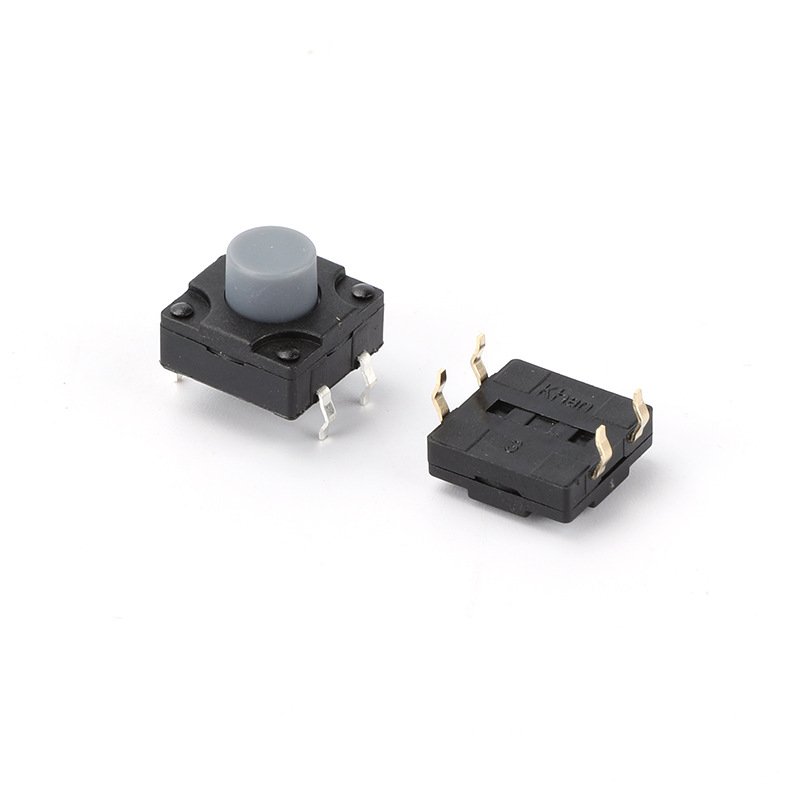
What Is a Normal Tact Switch Contact Resistance?
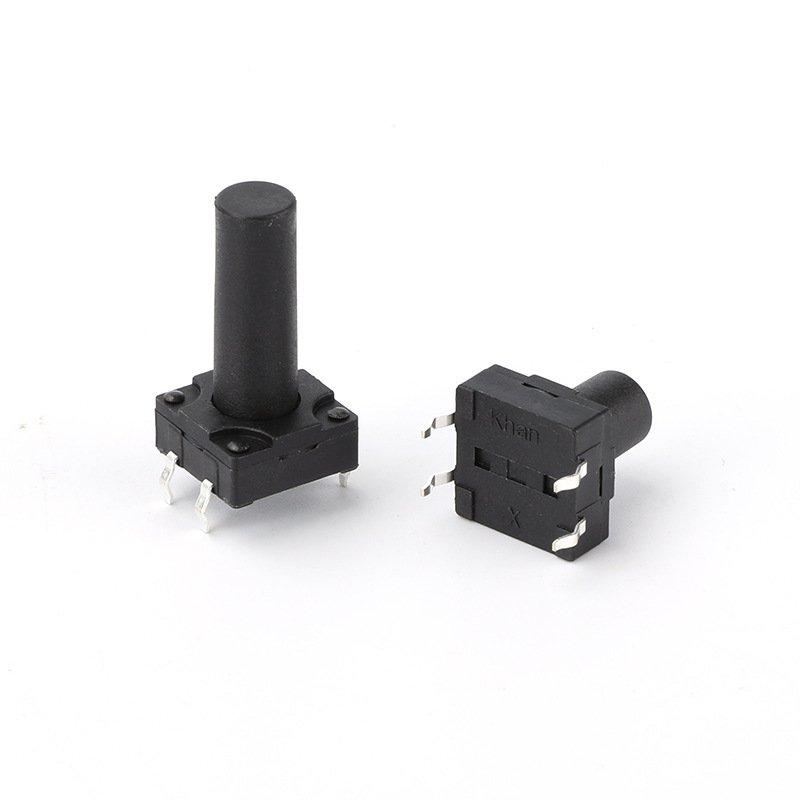
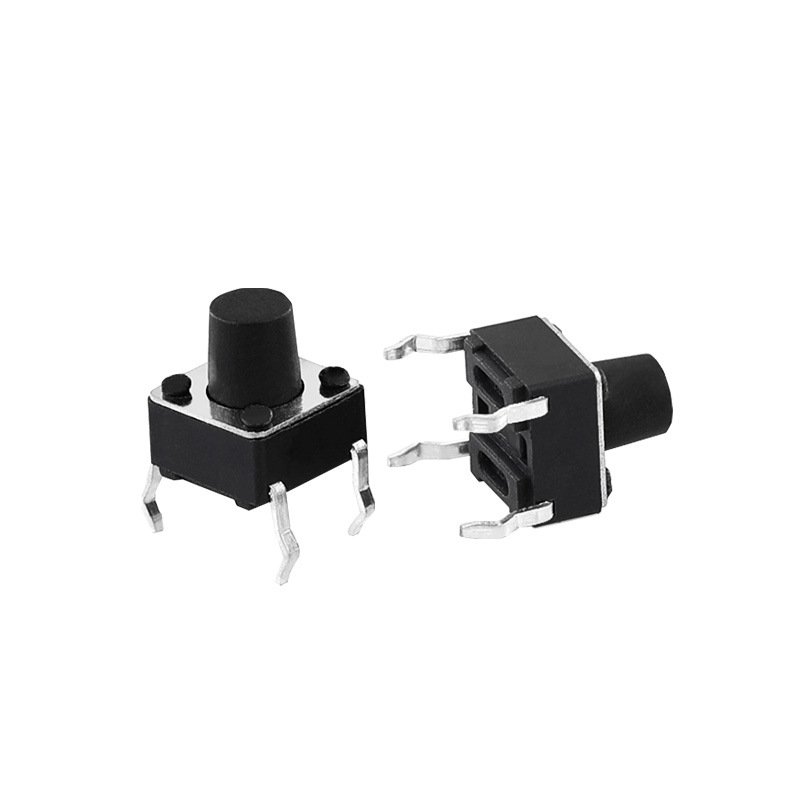
A tact switch reports its contact resistance in milliohms. The number tells you how cleanly the button passes a weak signal. Therefore, this guide explains the normal range, how it is measured, and why low resistance matters in real hardware designs.
Normal Tact Switch Contact Resistance Values
The unit is the milliohm (mΩ), where 100 mΩ equals 0.1 ohm. Most industry parts follow a simple ladder. First, the factory-fresh standard for a normal silver-contact tact switch is 100 mΩ or less. This value is the pass line, not a target to celebrate. Better-quality parts reach 50 mΩ or less. High-end gold-plated contacts reach 30 mΩ or less and stay the most stable under low-voltage precision use.
After a full lifecycle of 100,000 presses, the limit can relax to 200 mΩ or less. Beyond that point, the part is normally judged failed, because the button starts responding intermittently. As a result, you see the classic symptom: a key that works sometimes and misses other times. Finally, note the test condition. Resistance is measured with a small signal of 10 mA to 50 mA at 20 mV. The test uses no heavy current, because a tact switch serves a weak GPIO signal, not a power path.
Why Low Contact Resistance Matters for Tact Switches
A tact switch sits inside an MCU GPIO key circuit. That circuit runs at 1.8 V or 3.3 V with only a few milliamps of current. This is not a power loop, and that fact is the whole reason resistance matters. The four points below explain why designers care about every milliohm.
Prevent Signal Voltage Drop
Ohm’s law states U = I × R, so a tiny resistance still creates a real drop. For example, at 1 mA with 200 mΩ of contact resistance, the drop across the contact is 0.2 V. On a 1.8 V system, that 0.2 V eats directly into the noise margin. As a result, the pressed key may never pull the IO level past its threshold. The chip then fails to register the press. The symptom is a button with no response or only occasional triggers. Lower resistance means a smaller drop and a cleaner, more reliable level.
Resist Aging and Oxidation
Repeated pressing wears the contacts, and damp or sulfur-rich air grows an oxide film on them. That film slowly raises the contact resistance. A part with low initial resistance has plenty of headroom. For instance, a 30 mΩ contact that ages up to 100 mΩ is still within spec. By contrast, a part that already sits near 100 mΩ fails the moment it ages slightly. It produces the hardest bug to reproduce, an intermittent fault that appears only sometimes.
Reduce Micro-Heating and Arc Erosion
Even at milliamp levels, high contact resistance generates local micro-heat on the tiny contact area and accelerates plating wear. Small arcs then erode the contact more easily, which pushes the resistance higher again. Consequently, a vicious circle forms where heat and erosion keep raising the resistance until the switch fails.
Improve Anti-Vibration Stability
When contact pressure fluctuates slightly from vibration or bounce, a low-resistance contact resists sudden value jumps. Therefore, it reduces false triggers and signal glitches, giving the key a steadier behavior under mechanical disturbance.
Quick Selection Guide
For ordinary remote controls and small appliances, silver-contact parts at 100 mΩ or less are enough. For Bluetooth earbuds, wearables, and industrial or medical precision keys, prefer gold-plated contacts at 50 mΩ or less. In short, match the contact grade to how critical the press is.
A Key Reminder: Crisp Feel Does Not Equal Qualified Resistance
A sharp, clicky feel does not prove the contact resistance is within spec. A metal dome can still feel crisp while its contacts have oxidized past the limit, causing intermittent failure. This mismatch is the most common trap in real products, because the button feels fine yet drops presses at random.
Conclusion
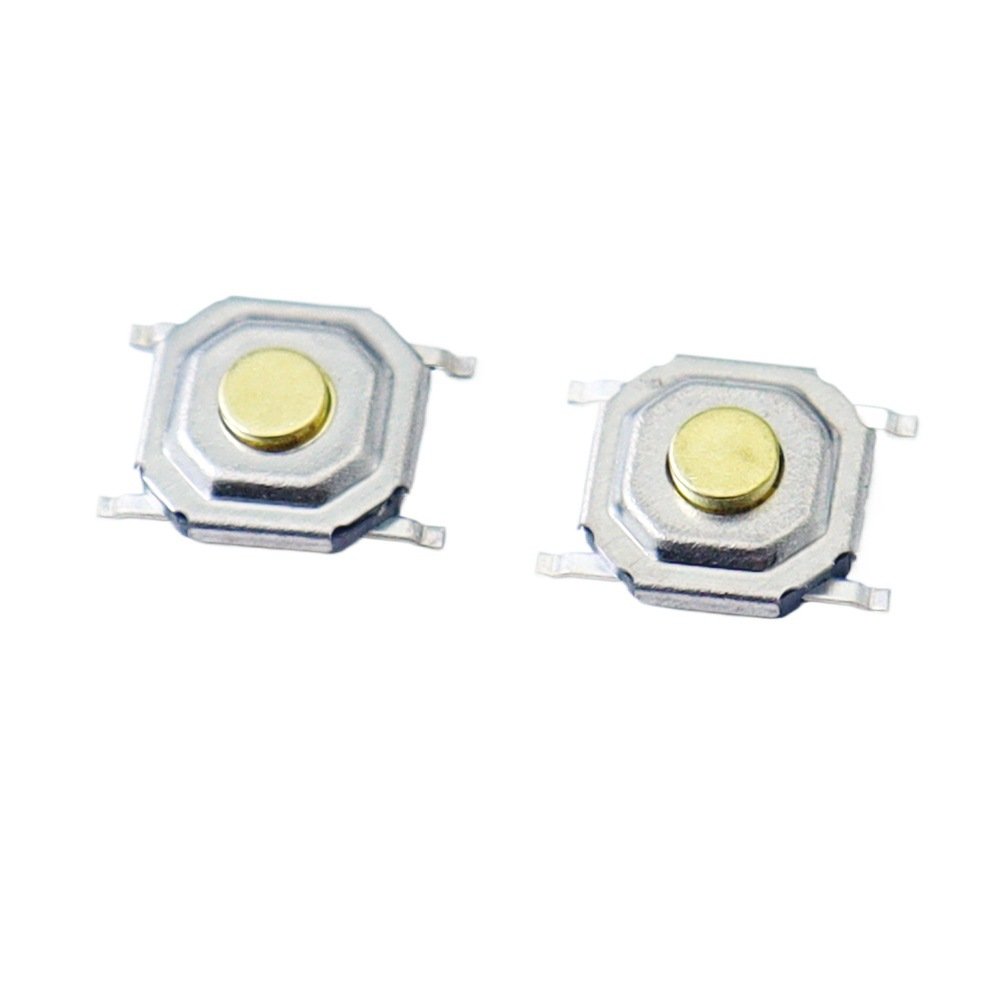
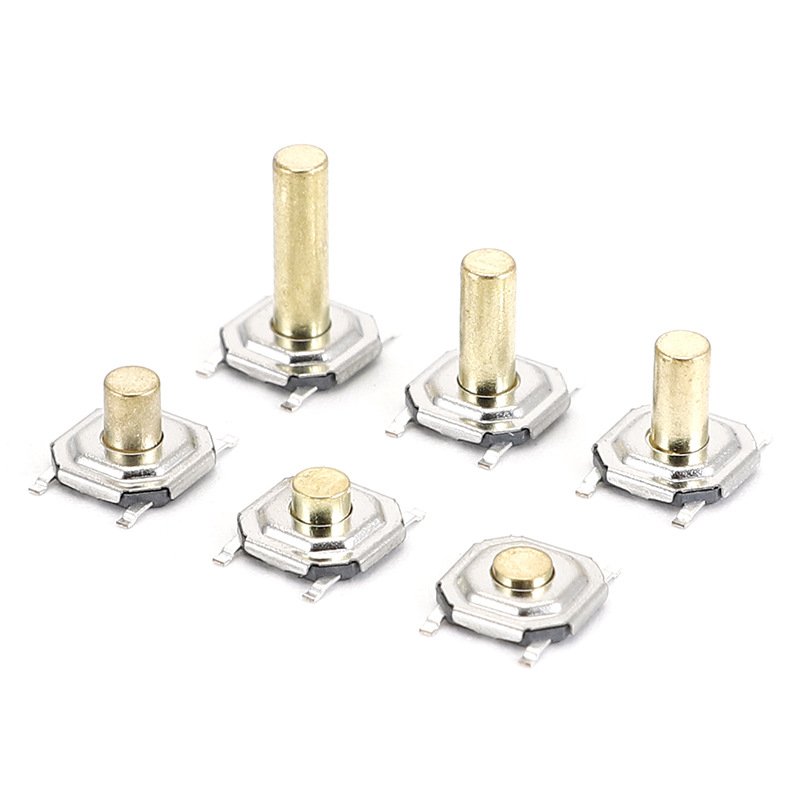
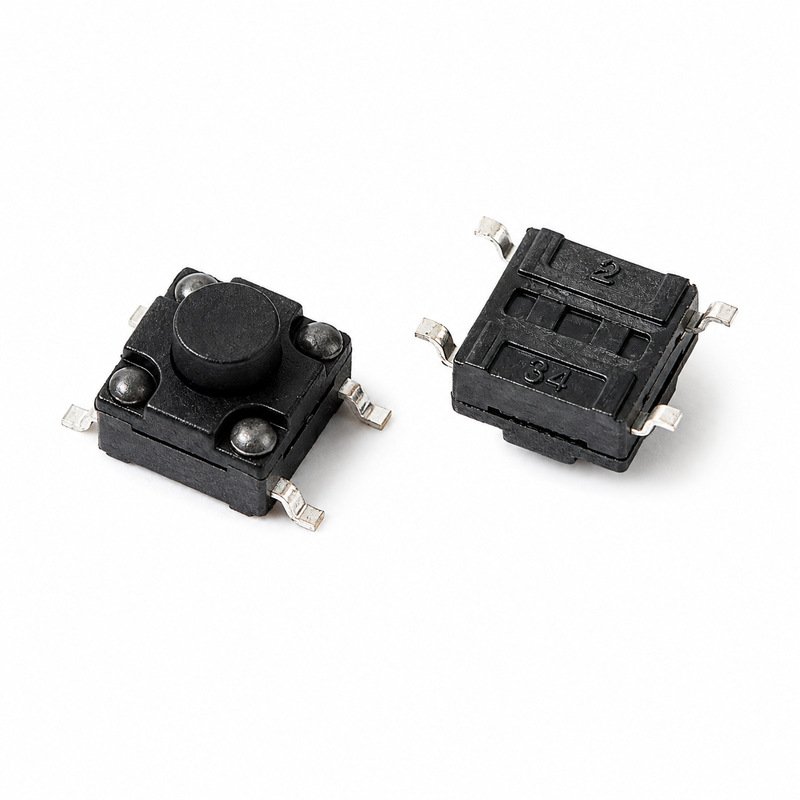
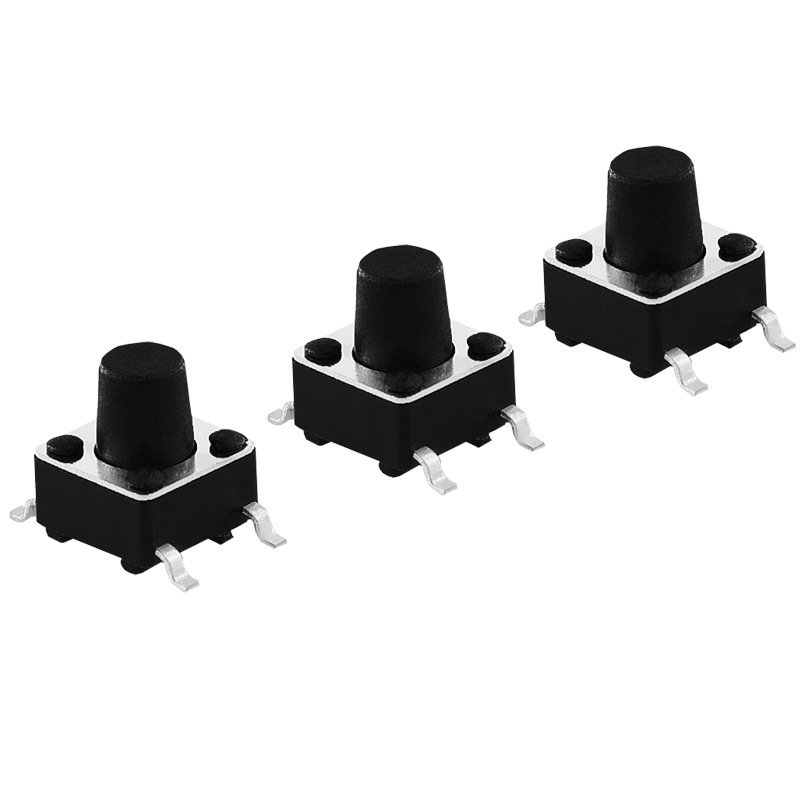
In summary, a normal tact switch starts at 100 mΩ or less. It should stay well below that for reliable use. Low resistance protects signal levels, fights aging, limits heat, and steadies the key under vibration. To find the right part, browse our low-resistance SMD switch range and our surface-mount tactile button catalog for side-by-side options.

2 thoughts on “What Is Normal Tact Switch Contact Resistance? Why Low Resistance Matters”