Blog
Tact Switch Mechanical Life: Innovative Design Tips

Tact Switch Mechanical Life: Innovative Design Tips
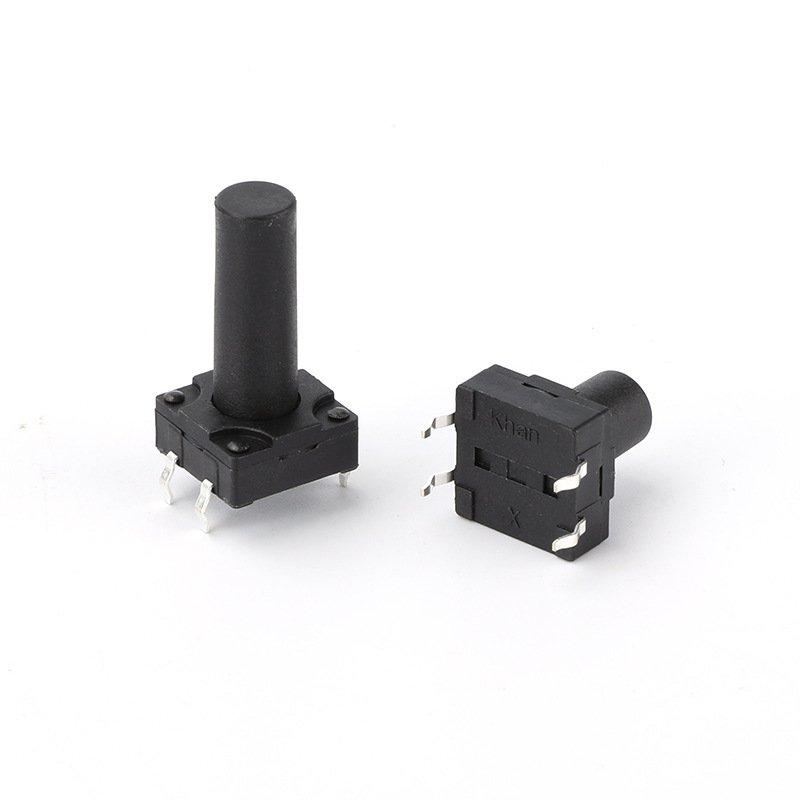
Tact switches sit inside phones, industrial panels, and medical devices. Their reliability depends on one core metric: mechanical life. As applications grow tougher, extending that life has become a top design goal. This article shows how new materials, smarter structure, and better manufacturing raise the Tact switch service life far beyond its basic rating.
Why Tact Switch Mechanical Life Matters
Mechanical life is measured in press cycles, often 100k, 500k, or more. First, it protects reliability by keeping performance steady over years of use. Second, it preserves the feel users expect, so wear never turns into a poor experience. Third, it strengthens competitiveness in industrial and high-end markets.
However, three challenges remain. Material aging weakens springs and contacts. Structural wear is hard to avoid under frequent friction. Most of all, consistency drops as the part ages, and the press feel changes.
New Spring Materials and Contact Structure
Better internals are the fastest route to a longer Tact switch life. The spring and the contact point decide most of the result.
Advanced Spring Materials
Nickel-titanium alloy, or Nitinol, recovers shape and resists fatigue far better than stainless steel. For example, a premium keyboard using Nitinol springs gained both longer life and faster rebound, with fatigue life two to three times higher. In addition, high-strength carbon steel with a wear-resistant coating resists friction in harsh settings, which extends service life in industrial controls.
Contact-Structure Optimization
Elastic contact points absorb energy and slow wear, so contact resistance stays stable. Specifically, one medical device raised resistance stability by 30% with this design. Moreover, multi-point contacts spread the stress, while silver-tungsten composite tips add corrosion resistance. As a result, aerospace-grade switches reach over 1,000,000 cycles.
Design Methods for Consistent Actuation
Long life also means the feel stays the same after millions of presses. Three methods deliver that consistency.
Balanced Mechanics
Force should spread evenly across the press point. Otherwise, uneven load bends the parts. For instance, a four-point support structure kept the feedback force identical on every press for a flagship consumer device.
High-Precision Manufacturing
Micron-level stamping and injection molding hold the spring and contact shapes tight. Therefore, friction and error drop. In automotive switches, this precision kept press consistency above 95%.
Dynamic Damping
A tiny internal damper absorbs excess energy and cuts vibration wear. Consequently, an industrial emergency control kept both longer life and steady feel.
Tact Switch Life Optimization Across Industries
Consumer electronics pair Nitinol springs with composite contacts, lifting earbud switches from 100k to 500k cycles. Medical equipment uses antibacterial coatings and sealed contacts, raising sterile-button life from 200k to 300k cycles. Meanwhile, industrial panels use strong springs and multi-point contacts to triple control-switch life under high-frequency use.
Future Trends in Tact Switch Durability
Smart designs will monitor wear with sensors for predictive maintenance. Furthermore, nanomaterials and 3D printing may reshape springs and contacts. Finally, modular, replaceable parts will let users swap worn sections instead of whole devices.
Conclusion
New spring materials, optimized contacts, and consistent-actuation design clearly extend tact switch mechanical life. Across consumer, industrial, and medical fields, these methods meet rising durability needs. As smart features and new materials spread, the humble tact switch will keep performing in ever tougher conditions.