

Blog
Metal Push-Button Switch LED Backlight Design: Schemes and Low-Power Optimization

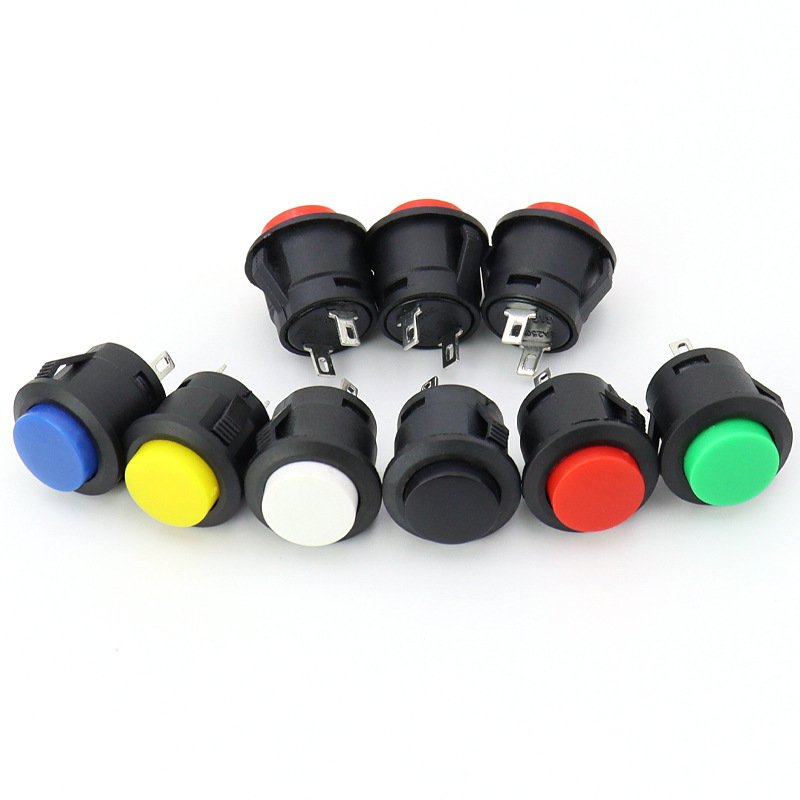
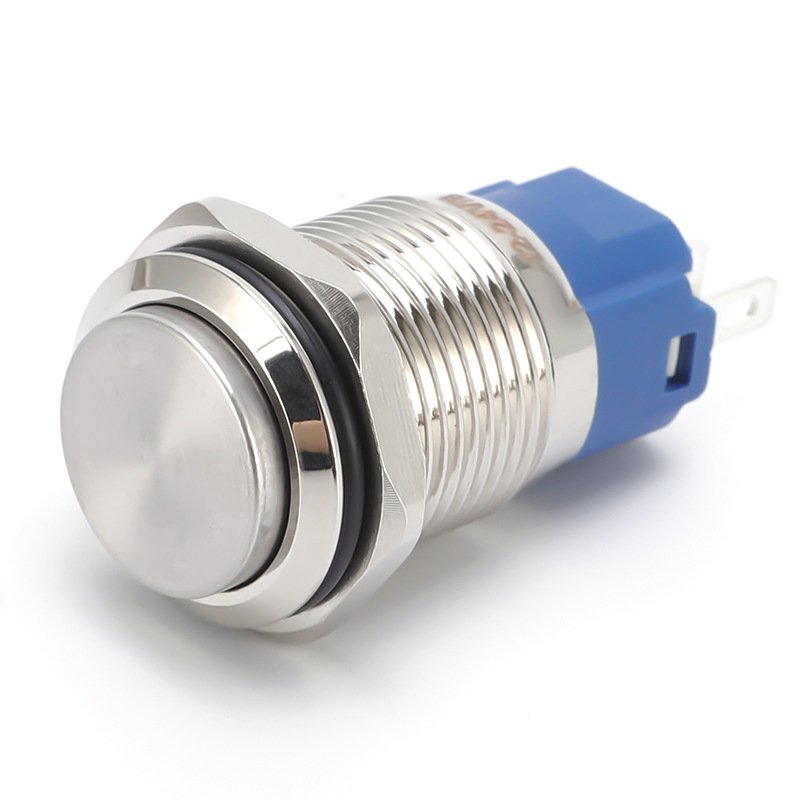
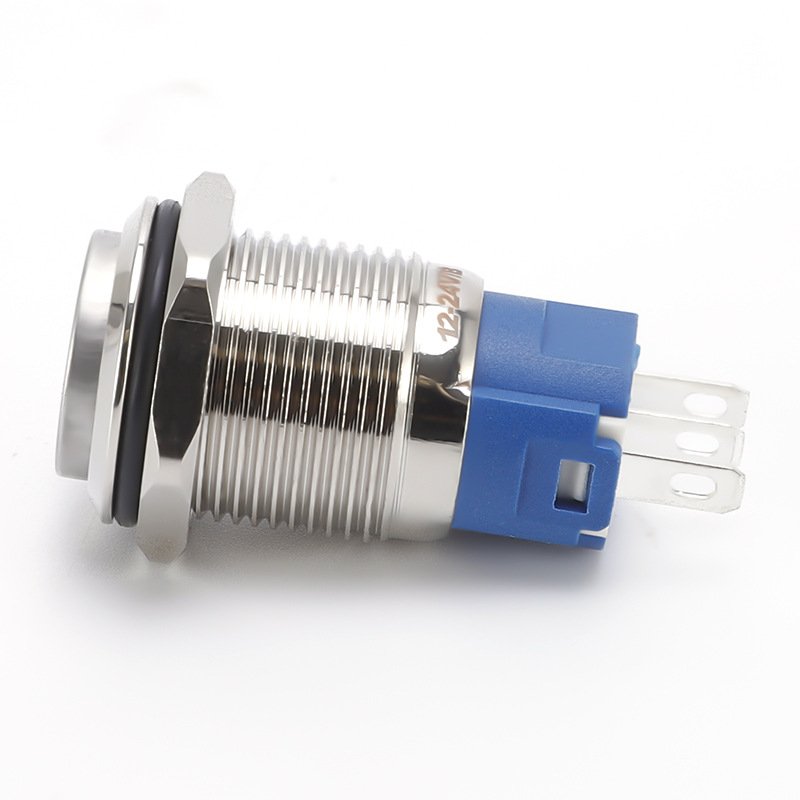
Industry, automotive, medical, and smart-home devices now treat the metal push-button switch as more than a control part. Therefore, it also carries interaction and information. Because users want clearer operation and better looks, lighted designs have become a core feature. An internal LED backlight lets the Push button switch show status, glow at night, and add ambient light. It can also balance energy saving with long-term reliability.
Why a Metal Push-Button Switch Needs LED Backlighting
However, traditional buttons only turn a circuit on or off. In fact, customer needs now go far beyond that basic function. First, status hints help users see power, run, or alarm states at a glance. Second, night use stays safe because the button is easy to find in the dark. In addition, brand style matters. Backlight color can match the whole product design. Finally, one button can send many messages through different light colors. Therefore, lighting is now a standard feature on a modern push-button switch.
LED Backlight Options for Push-Button Switches
1. Single-Color Backlight
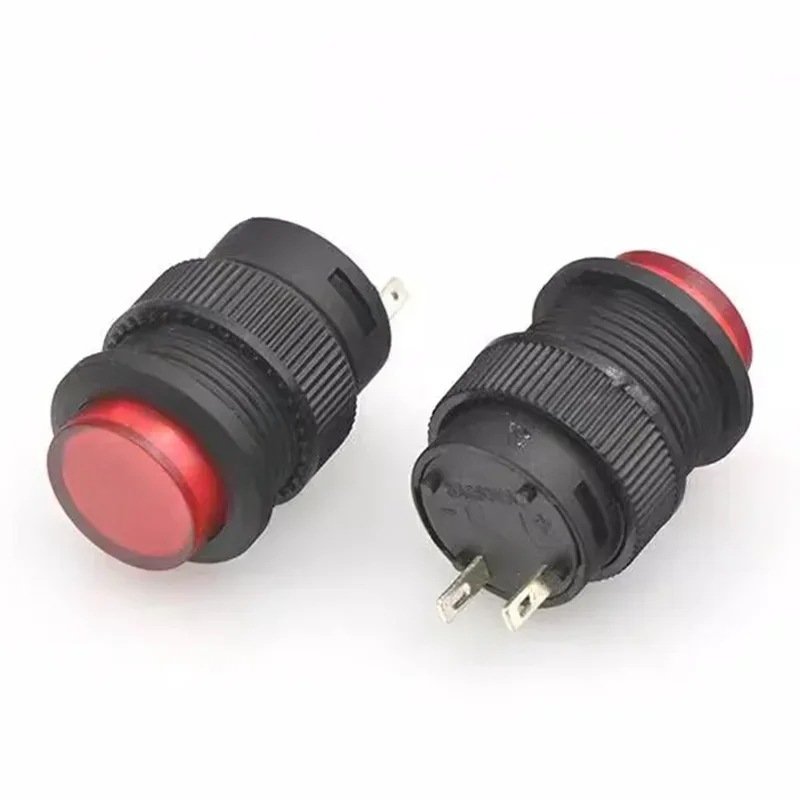
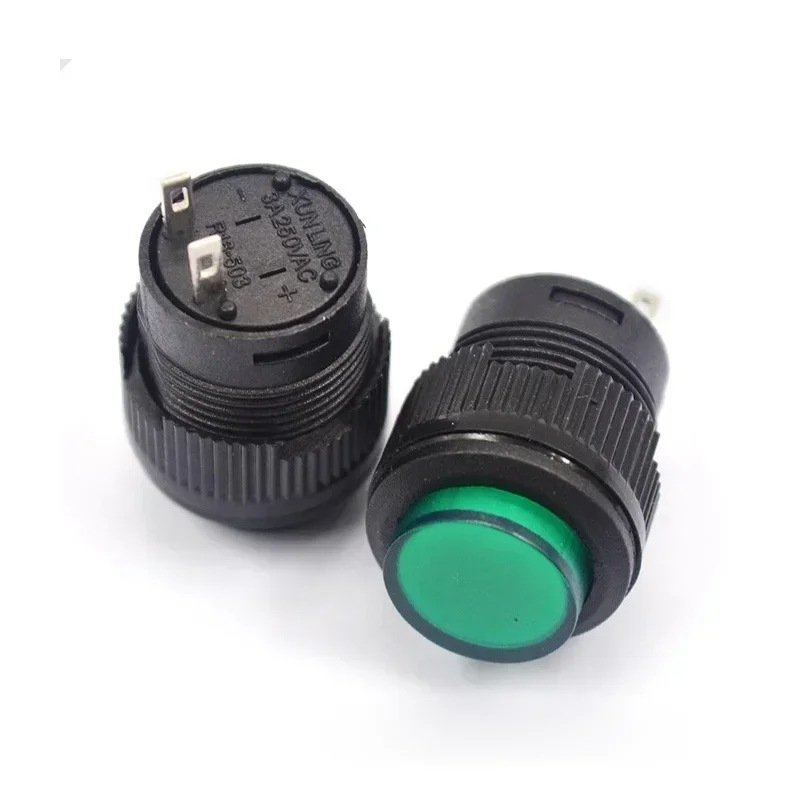
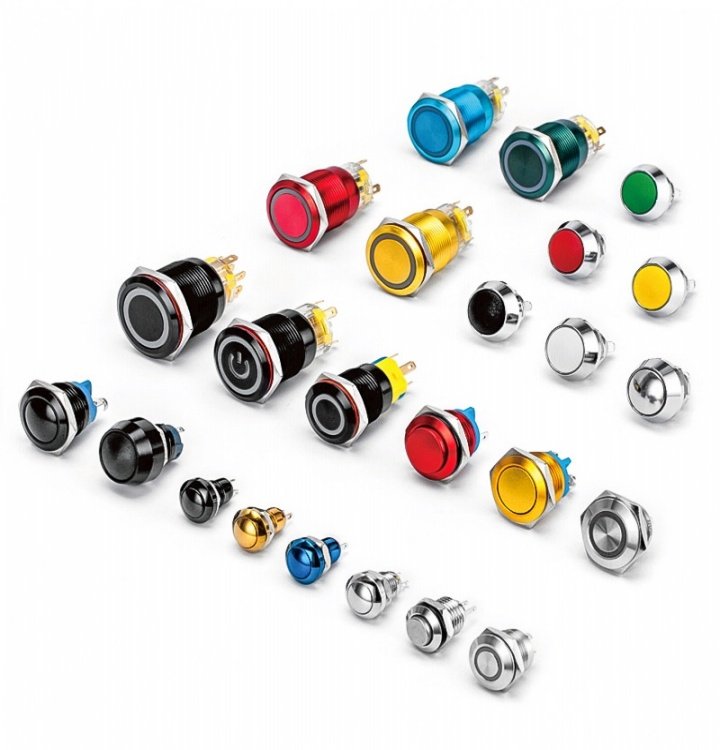
A single LED sits inside the button. In particular, green, red, blue, or white are common choices. This design costs less and stays very stable. Furthermore, it fits power indicators and single-state displays well. For example, medical testers often use green for standby and red for fault. Thus, the meaning is clear, and operators react fast.
2. Dual-Color Backlight
Two LEDs of different colors share one button. A circuit switches between them as needed. Therefore, this saves space and supports clear two-state hints. For instance, car window controls use green for normal and red for fault. As a result, drivers get the message without losing focus on the road.
3. RGB Backlight
First, an RGB LED mixes three base colors through current control. It creates rich effects like gradients and breathing light. Moreover, this option boosts look and feel and suits high-end products. However, it draws more power and needs a more complex driver. For example, smart-home panels use it well; blue means cooling, red means heating, and purple means eco mode.
High Brightness Meets Low Power
In short, the main challenge is simple: stay bright without wasting energy or heat. Specifically, several methods solve this well.
Efficient LED Chips
Specifically, choose LEDs above 120 lm/W for high light at low current. Pick low thermal resistance packages to cut heat and extend life.
Optical Structure
First, diffusers and light rings spread light evenly. Laser or etched symbols on the cap improve recognition.
Driver Circuit
In addition, use constant-current drive to keep brightness stable and avoid flicker. PWM dimming lowers power while keeping brightness adjustable.
Smart Control
Set a dim standby mode when no one is pressing. In addition, add an ambient light sensor to auto-adjust brightness. For instance, train cab buttons stay dim by day and bright by night. Thus, this saves energy and reduces driver fatigue.
Reliability and Durability
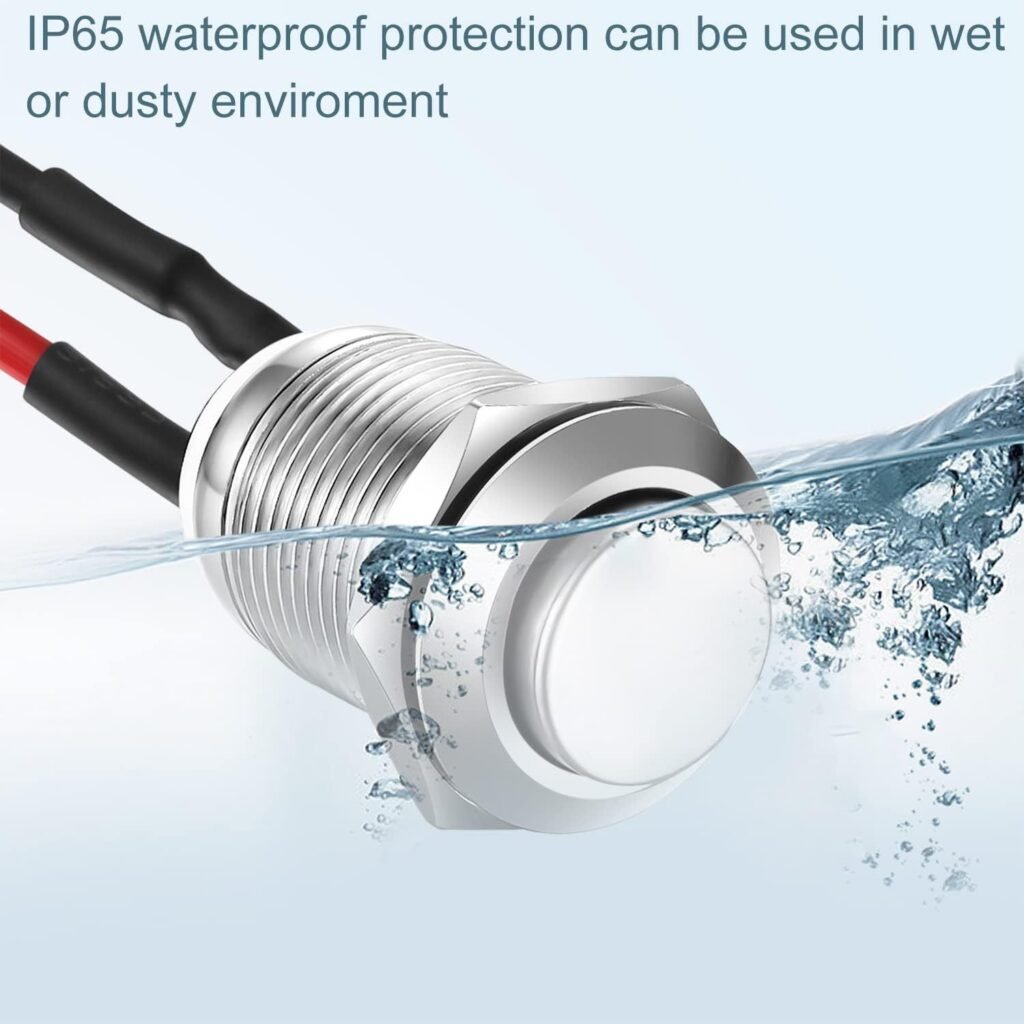
However, lighted buttons often face heavy use and harsh places. Therefore, several points need care. Consequently, LED life can exceed 50,000 hours, and the whole button must match it. For example, water and dust protection often reaches IP67 or IP68 to shield the circuit. Anti-vibration soldering helps in cars and trains. The parts should also work from -40°C to +85°C.
Industry Application Cases
First, medical devices need clear hints, low power, and easy cleaning. For example, single or dual backlights with anodized caps work best. In contrast, automotive electronics need bright, shake-proof, multi-state light. Dual or RGB backlights with constant-current drive fit well. Meanwhile, industrial control needs long life and clear alarms. Therefore, single high-bright LEDs with diffusers help operators act fast. Smart homes want beauty and control. RGB backlights linked to an app give both mood and hints. Thus, each Push button switch can be tuned to its own field.
Future Trends
First, smart backlight will link sensors and the internet for auto dimming. New Micro-LED and OLED tech will cut power further. In addition, touch and light will merge into one feedback surface. Furthermore, laser and print methods will let logos glow on demand. In short, the lighted push-button switch will grow in more industries.
Conclusion
In summary, a metal push-button switch with LED backlight is not just decoration. Overall, it is the bridge between user, status, and brand value. Specifically, single color is simple and efficient. Dual color saves space with more states. RGB enriches interaction and raises product level. Thus, with better LEDs, optics, drivers, and smart control, brightness and low power reach a fine balance. Finally, the future looks bright for this small but vital part.

One thought on “Metal Push-Button Switch LED Backlight Design: Schemes and Low-Power Optimization”