Blog
Waterproof Tact Switch: Key Selection Parameters Explained

Waterproof Tact Switch: Key Selection Parameters Explained
A quality waterproof tact switch is one of the most reliable components you can specify. A cheap imitation, however, can fail within months. The difference rarely comes from the IP label on the datasheet. It comes from the sealing process, the materials, and the contact plating behind that label. This guide explains the parameters that actually matter when you buy.
Start With the Real IP Rating
Many listings print IP67 on the shell without any test evidence. A credible supplier provides an original air-tightness or immersion test report together with the rating. Ask for it before you place an order.
| Rating | Water Capability | Test Basis | Typical Use |
|---|---|---|---|
| IP65 | Low-pressure spray and splash | 15-minute water jet test | Kitchen appliances, indoor devices |
| IP67 | Immersion at 1 m for 30 minutes | Full dust protection plus immersion | Bathroom, washing machines, automotive |
| IP68 | Continuous immersion, vendor defined | Vacuum leak detection | Pool equipment, underwater instruments |
| IP69K | High-pressure, high-temperature washdown | Close-range nozzle test | Industrial machine panels |
One common misconception deserves attention. IP67 does not mean the switch survives a pressure washer. High-pressure jets break through silicone seals. Machines that face washdown cleaning need a dedicated IP69K part.
Four Sealing Methods From Basic to Premium
1. Single Silicone Cap (Entry IP65)
A molded silicone cap covers the actuator and presses against the housing seam. The design blocks splashes and rain mist at a very low cost. The limits are clear. The housing snaps together without welding. The pins stay unsealed. Ordinary silicone also hardens after about a year of heat and humidity. This level suits remote controls and indoor appliances only.
2. Dual Silicone Seals With Ultrasonic Welding (Mainstream IP67)
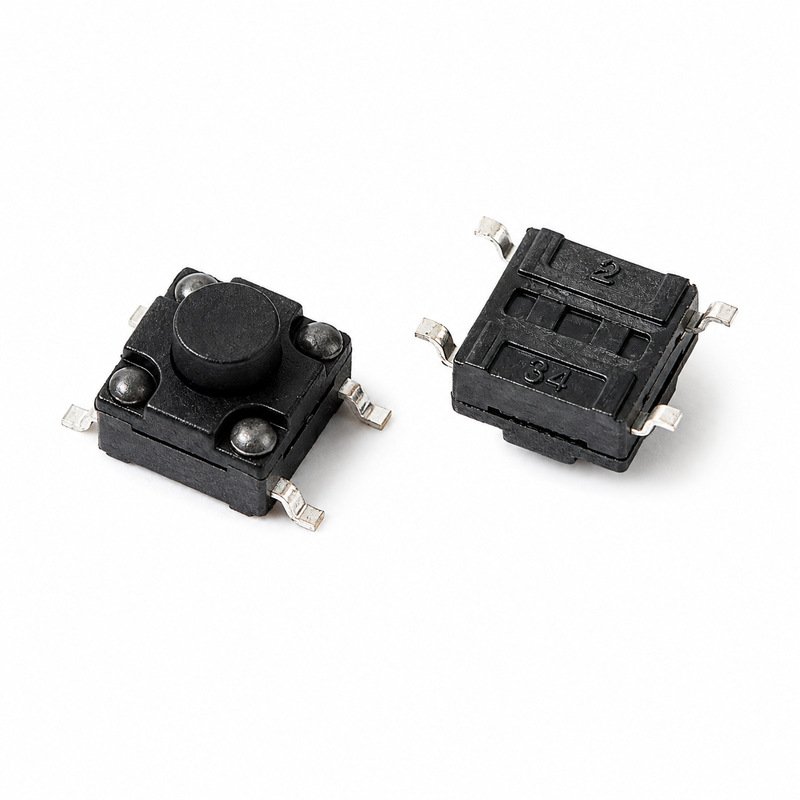
This structure adds two defense lines. An O-ring seals the static joint between the base and the cover plate. An independent silicone diaphragm seals the moving actuator, stretching with every press while the seal stays closed. A PET film above the metal dome blocks condensation as a third barrier. The housing halves are then fused by ultrasonic welding, which removes assembly gaps at a micron level.
A well-built IP67 unit handles 30 minutes at 1 meter depth, full dust exposure, and more than 1.5 million actuations. It supports SMT mounting. For bathrooms, vehicles, and outdoor lighting, this is the practical standard.
3. Epoxy Potting at the Base (Enhanced IP67 / Simple IP68)
Water often creeps along the metal leads through capillary action. Potting the pin area with epoxy seals that path completely. Switches built this way survive 120 hours of salt spray and resist oil, detergent, and condensation. The trade-offs are higher cost and no possibility of repair, because the compound cannot be removed.
4. In-Mold Overmolding With Vacuum Testing (Premium IP68)
The top tier molds the rigid shell and the soft seal in one injection cycle, so no assembly gap exists at all. Each unit passes a vacuum leak test with a leak rate below 10⁻² Pa·m³/s. The contacts also carry a nano hydrophobic coating. These switches run underwater for years in diving equipment, pool controllers, and medical washable devices. Expect premium pricing and mostly custom or imported stock.
Materials That Decide Long-Term Reliability
Sealant quality. Industrial HTV high-tear silicone handles -40°C to 120°C and keeps its elasticity past one million presses. Recycled silicone loses rebound near 60°C and cracks within a year.
Housing resin. PA66 with glass fiber or PC/ABS alloy resists UV and hydrolysis outdoors. Recycled PBT deforms with heat, and the housing seam opens wider over time.
Contact plating. Water enters only as vapor in a good design, yet vapor still oxidizes bare metal over time. A fully gold-plated dome keeps contact resistance stable at 50 mΩ or below. Nickel-plated domes rust in humid air within three months, and the key stops responding.
How Good Switches Fail Anyway
Even a sound design fails when the seal is damaged afterward. The most common cause is soldering heat. Reflow profiles above 260°C warp the housing. A hand iron held on the pins too long does the same, and the silicone then shifts out of position. Keep the temperature under 260°C and the contact time under 3 seconds.
Mechanical abuse comes next. Pressing the actuator at an angle stretches one side of the diaphragm until a gap opens. Sharp tools pierce the cap. Panel cutouts that are too large squeeze the seal, and standing water on the panel keeps the top submerged. Harsh media such as seawater, detergent, and steam above 80°C age the silicone far faster than the datasheet assumes.
Match the Rating to the Application
Indoor dry electronics can stay with a standard IP20 part. Kitchen appliances need at least IP65. Bathrooms, washing machines, outdoor lamps, and automotive controls should use IP67 with dual silicone seals and ultrasonic welding. Washable and submerged equipment calls for potted or overmolded IP68. Machine tools facing high-pressure washdown require IP69K.
Four Buying Checks Before You Pay
First, request the IP test report and reject any part that only carries a printed mark. Second, inspect the structure and favor ultrasonic-welded housings with dual seals over snap-fit designs. Third, confirm gold-plated domes, industrial-grade silicone, and a mechanical life of at least one million cycles. Fourth, test samples: soak one in clean water for 30 minutes, then press it repeatedly. Any dropout or contact-resistance drift means rejection.
The Bottom Line
Sealing layers, welding process, and silicone grade define waterproof performance, not the IP text on the shell. For most home and outdoor products, a dual-seal, ultrasonically welded IP67 design offers the best balance of cost and reliability. Browse our full range of waterproof tact switch models to find sealed options for every rating. You can also compare every tactile switch series before you decide.