

Blog
Understanding Different Types of Tact & Rocker Switches

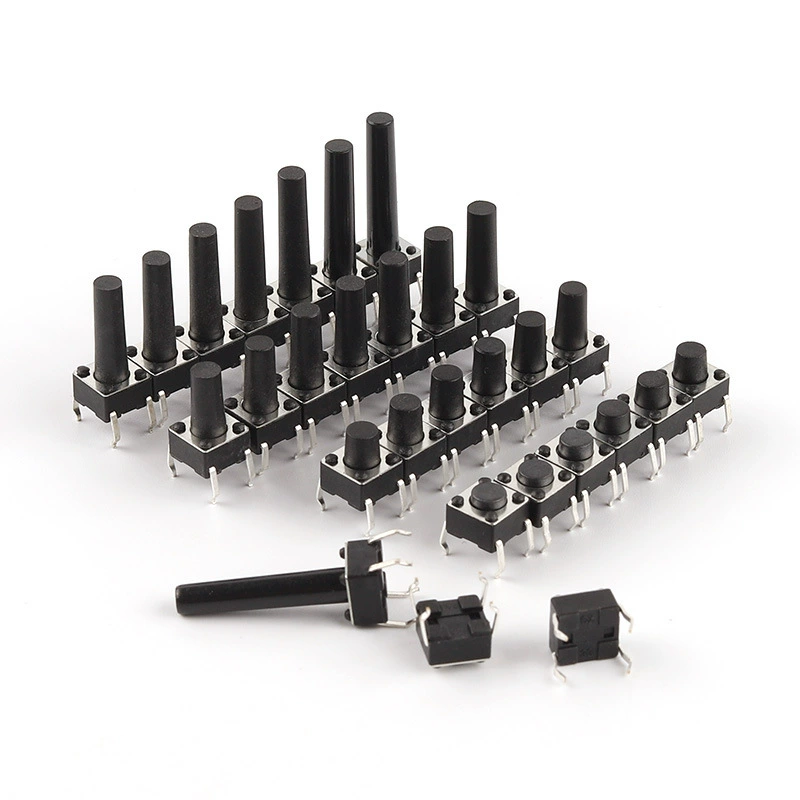
Switches are basic building blocks in nearly all electronic devices. Tact switches and rocker switches are two of the most widely‑used types. Many wholesale buyers often get confused about which one fits their projects. Each has unique mechanical features, working principles and suitable application scenarios. Clear understanding helps you make correct component choices for household appliances, industrial equipment and custom OEM products.
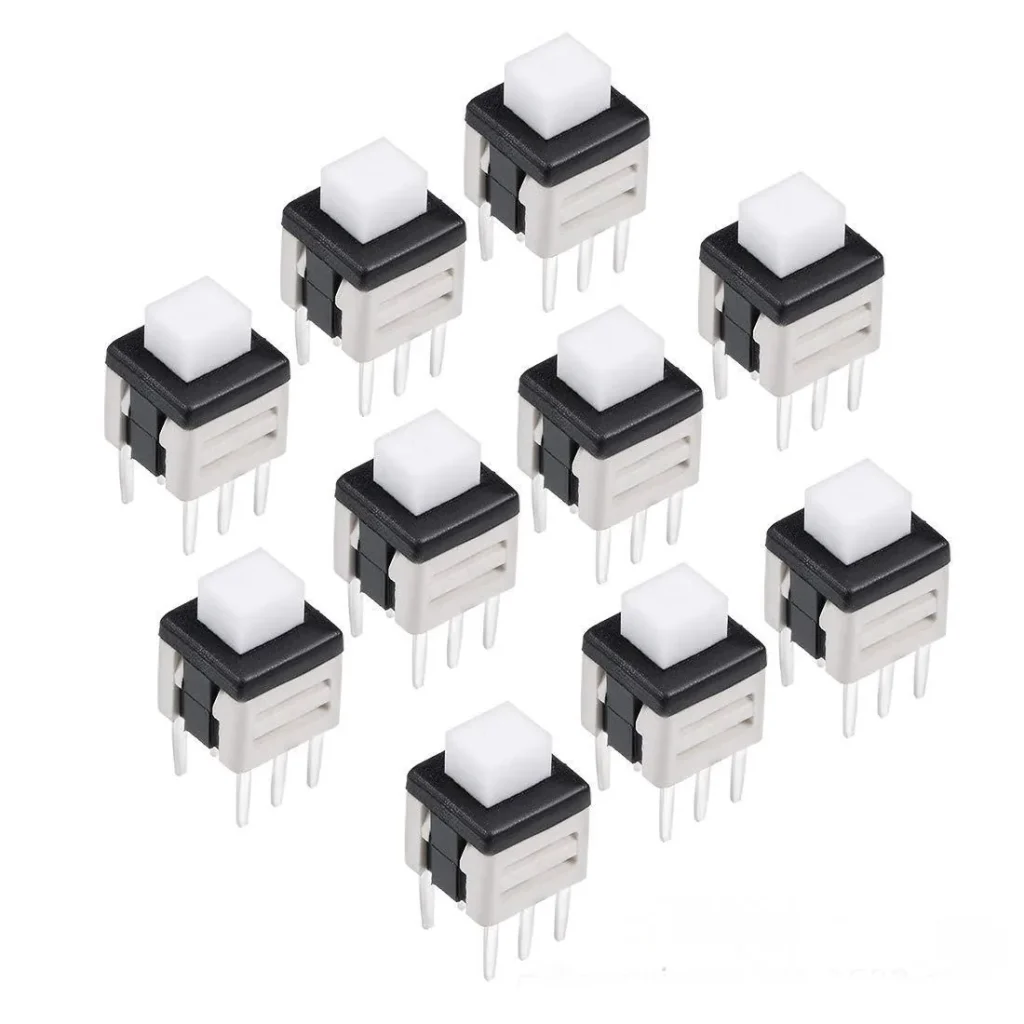
What is a tact switch
A tact switch, also called tactile push‑button switch, is a momentary‑action component. It only conducts power when you keep pressing it. Once you release your finger, it springs back and cuts off the circuit.
Main features:
Small footprint, compact size for PCB board mounting.
Light‑touch pressing feeling with clear tactile feedback.
Momentary function: no locking ON/OFF state.
Mostly SMD or through‑hole pin structure for circuit board welding.
Common applications:
Household appliance control panels, remote controllers, medical devices, keyboard buttons, small consumer electronics, instrument operation panels.
Limitations:
Tact switches are not designed to carry large current. They are signal‑level switches, usually for low‑voltage signal control, not for directly switching high‑power loads.
What is a rocker switch
Rocker switches, also known as boat‑type switches, are latching‑type components. After you flip the lever, it stays locked at ON or OFF position without continuous manual force. It keeps the circuit status until you toggle it again.
Main features:
Latch‑on / latch‑off stable state.
Can handle relatively higher voltage and current loads.
Various pin configurations: 2‑pin, 4‑pin, 6‑pin, double‑pole, reverse‑function models.
Various mounting hole sizes, with optional indicator lights.
Common applications:
Power switches for home appliances, truck accessories, industrial control boxes, power supply equipment, chargers, large‑size machinery panels.
Limitations:
Compared with tact switches, rocker switches take more space on device housing. Miniaturization is harder to achieve.
Core differences between tact switch and rocker switch
1. Working mode
Tact switch:momentary, press‑on release‑off.
Rocker switch:latching, keeps ON/OFF status after toggling.
2. Current capacity
Tact switch:low‑current signal control.
Rocker switch:supports higher current for main power control.
3. Installation way
Tact switch:mostly soldered directly onto PCB circuit boards.
Rocker switch:mounted on equipment housing panel with mounting cutout.
4. Operation feeling
Tact switch:short soft‑click tactile feedback.
Rocker switch:obvious flip‑over lever movement.
How to choose between them for your projects
Choose tact switches if:
You need compact PCB‑mount buttons for signal input.
Your application requires momentary trigger function.
Space on your device shell is very limited.
Choose rocker switches if:
You need to control main power supply of equipment.
You need stable locked ON / OFF working state.
Your project needs to handle relatively large current load.
You want visible, easy‑to‑operate panel power controls.
Practical notes for bulk buyers
Do not use tact switches for high‑power main power loop, it will cause contact burnout.
Confirm mounting hole size, pin layout and rated current before bulk procurement.
For harsh‑environment equipment, select waterproof‑enhanced versions for both switch types.
Both tact switches and rocker‑type boat switches play irreplaceable roles in electronic manufacturing. For OEM and wholesale customers, reliable suppliers can provide standardized or customized switch solutions according to your housing structure and circuit requirements.