Blog
Waterproof Micro Switch: Working Principle & Usage Guide

What Is a Waterproof Micro Switch? Working Principle & Complete Usage Guidelines
A waterproof micro switch is a sealed precision component built with a snap-action structure and an IP67-rated housing. Unlike ordinary switches, it keeps working in rain, dust and humidity where standard parts fail. This guide explains what it is, how it works, and how to install, weld and maintain it correctly.
What Is a Waterproof Micro Switch?
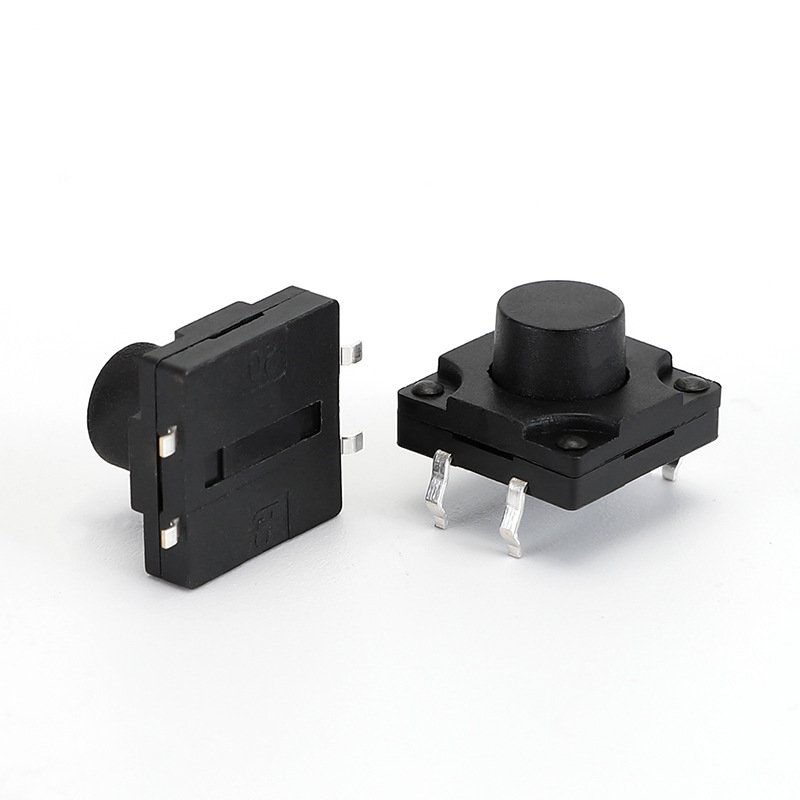
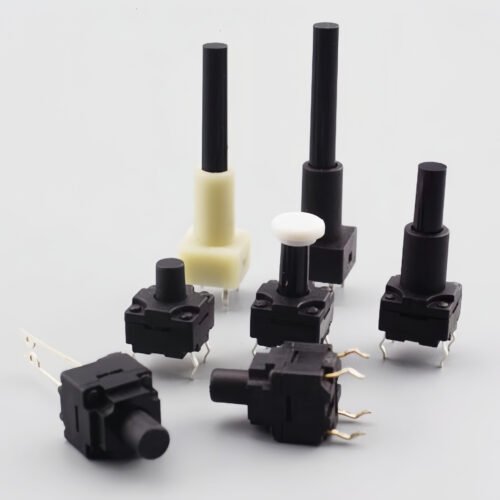
A waterproof micro switch is a sealed mechanical switch with an ultra-small contact gap and instant snap-action behavior. Its body combines a protective waterproof housing, an external actuator, an internal action reed, moving and fixed contacts, and an insulating base. Because it switches through physical metal contact, it stays reliable in wet and dirty places.
Core Characteristics of a Waterproof Micro Switch
The IP67 grade gives full dust resistance and temporary water-immersion resistance. In addition, the switch offers a very short action travel, low operating force and ultra-fast make-and-break speed. Notably, its response speed does not depend on how fast you press the actuator, so the signal stays consistent every single time.
How Does a Waterproof Micro Switch Work?
The working principle follows mature mechanical snap-action. First, external force presses the actuator, pushing the internal reed. When the reed reaches its elastic threshold, it snaps instantly. This drives the moving contact to connect or break the fixed contact in a flash. Then, when the force is removed, the reed springs back and resets the contacts to standby. As a result, the switch delivers stable signals even after millions of cycles.
IP67 Protection Limits You Must Know
The IP67 rating only covers static, short-term water immersion. Therefore, you should never operate the switch underwater with moving parts. Moreover, repeated pressing under running water will damage the seal and cause water ingress. Likewise, avoid oil, silicone and grease, because they form oxide deposits that lead to poor contact.
Standard Installation Specifications
Always disconnect the power before any installation or maintenance work. Use matched screws with flat and spring washers, and keep the torque between 0.23 N·m and 0.26 N·m. In addition, mount the switch on a flat surface, because an uneven base will tilt it and trigger jittery, unreliable signals.
Professional Welding Operation Standards
Welding heat is the biggest threat to the seal. For manual soldering, keep the temperature at 350℃±20℃ and finish within 3 seconds. By contrast, automatic trough welding uses 260℃±5℃ within 5 seconds. Never apply lateral force to quick-connect terminals, or you may crack the waterproof housing.
Daily Operation & Structural Protection
The rubber ring at the actuator is the heart of the IP67 performance. Consequently, you must avoid scratching or squeezing it during assembly. Even a tiny gasket cut will let moisture and dust inside, ruining the switch in harsh conditions.
Conclusion
A waterproof micro switch is the right choice for outdoor, humid and industrial equipment. However, strong environmental resistance is not unlimited freedom. Follow the no-underwater rule, the correct torque and the precise welding limits, and your switch will deliver long, stable service.
FAQ
Q1: What is an IP67 waterproof micro switch?
A: It is a sealed snap-action switch with full dust resistance and short-term water-immersion resistance, designed for rainy, humid and dusty environments.
Q2: Can waterproof micro switches work underwater?
A: No. IP67 only supports static immersion testing. Dynamic switching underwater damages the seal and causes failure.
Q3: What is the standard welding temperature?
A: Manual soldering needs 350℃±20℃ within 3 seconds; automatic trough welding uses 260℃±5℃ within 5 seconds.
Q4: Why does a waterproof micro switch lose contact?
A: Common causes are a damaged gasket, internal condensation, grease or silicone oxide, and irregular welding.