Blog
What Is a Tact Switch? Features, Types, Applications & Customization Guide

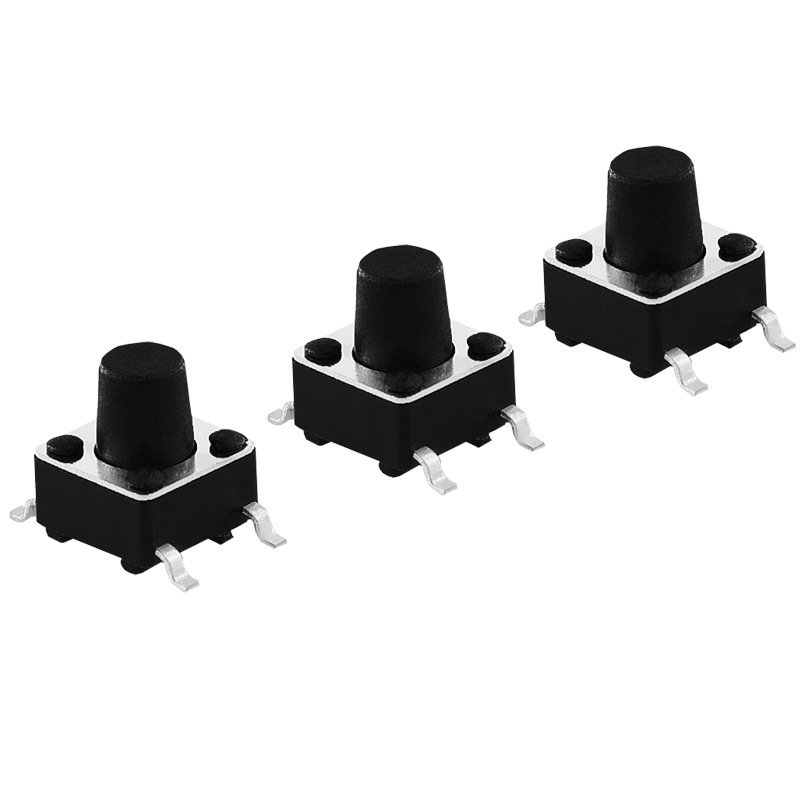
A tact switch, also called a tactile push switch, is a tiny but essential electronic component. It gives clear click feedback for precise human-machine input. This guide explains what a tact switch is, its features, types, applications and customization. As a result, designers and buyers can choose the right part with confidence. Browse our full range of tact switch products to find the best fit for your project.
What Is a Tact Switch?
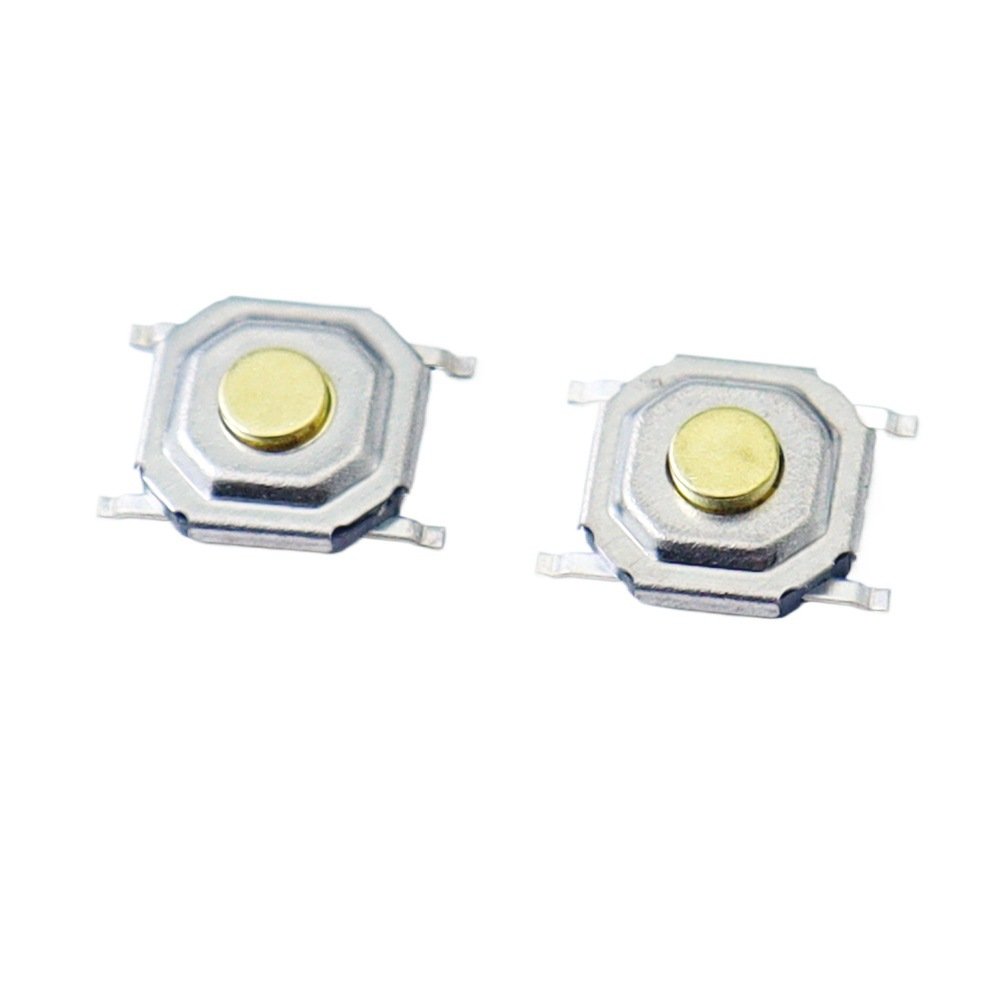
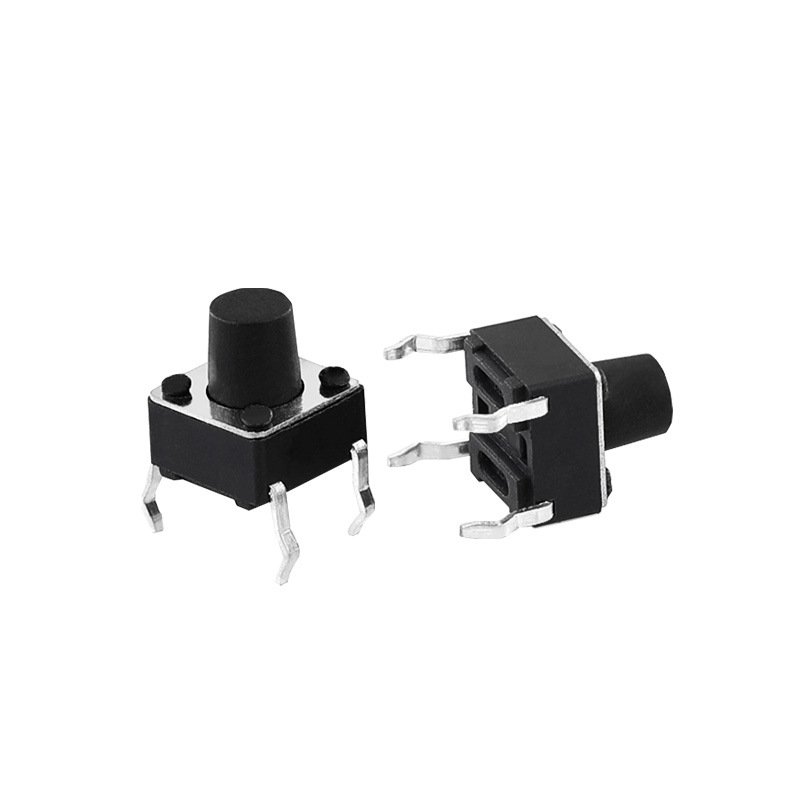
A tact switch is a momentary push button with a metal dome reed inside. When pressed, the reed touches the circuit and sends a signal. Upon release, it springs back and cuts off. Therefore, it is a self-resetting momentary switch. The click tells users the input worked without looking. Because of this, tact switches appear in remotes, keyboards, medical tools and cars. They combine a press button, cover, reed, base and pins in one compact unit.
Core Features of Tact Switches
Tact switches beat ordinary switches in fine control. Their main strengths are clear feedback, long life, small size, easy mounting and flexible customization.
Distinct Tactile and Audible Click Feedback
The metal dome reed creates a clear tactile bounce and soft click. Users confirm each press by feel alone. Consequently, they avoid missed or repeated actions in remotes, game pads and keyboards.
Exceptional Service Durability
Quality tact switches use wear-resistant reeds. They survive 100,000 to 10 million presses depending on grade. As a result, devices work reliably for years without replacement.
Ultra-Compact and Space-Saving Size
The miniaturized build fits dense PCB layouts. In addition, it solves space limits in slim phones, wearables and compact instruments. Therefore, designers pack more functions into less space.
High Compatibility and Easy PCB Integration
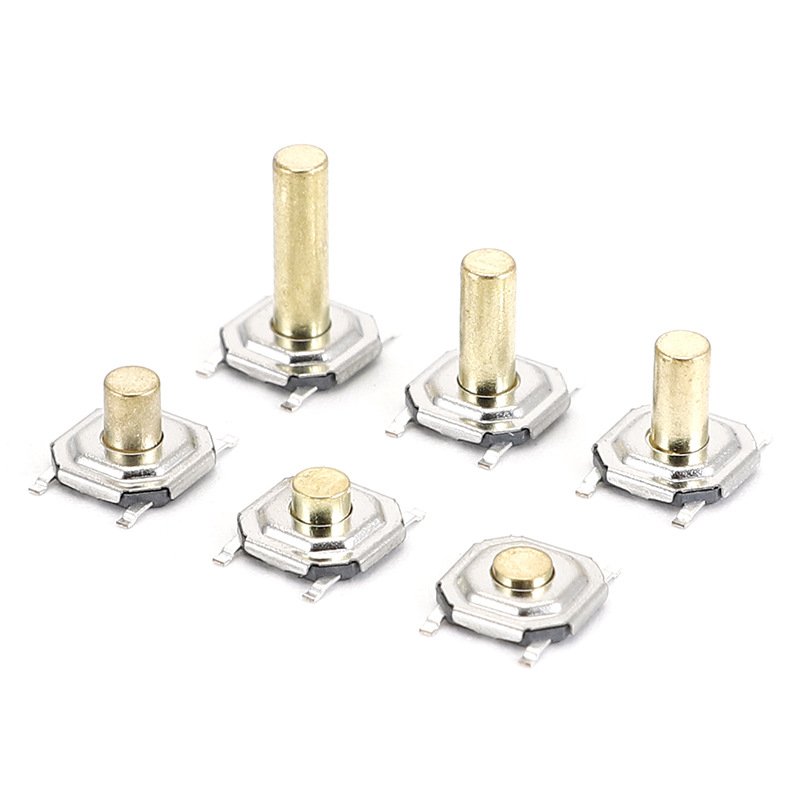
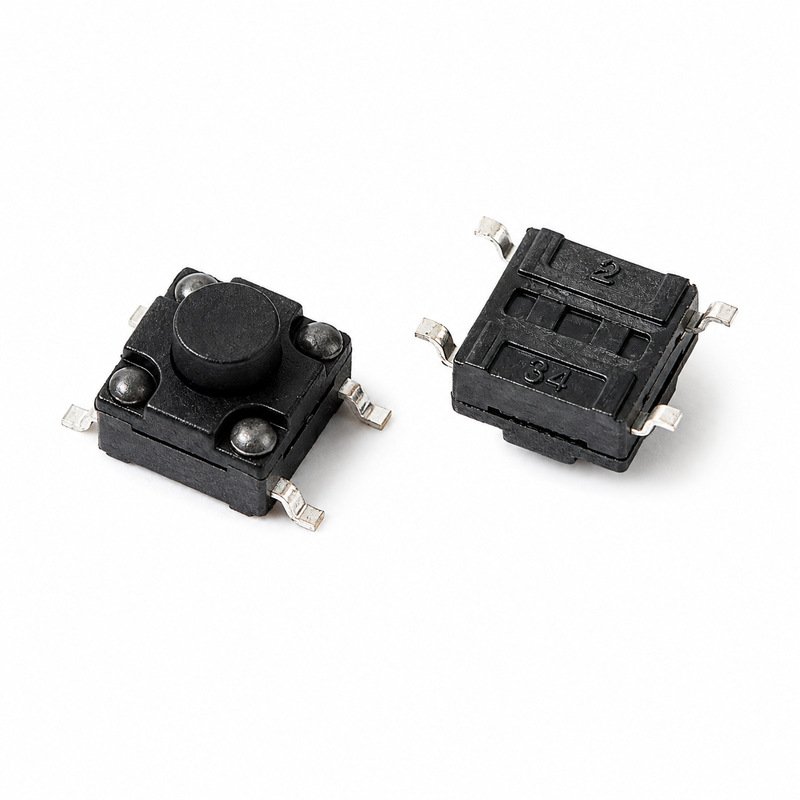
Tact switches come in through-hole and SMD types. Through-hole versions use wave soldering for firm joints. In contrast, SMD versions support fast automated SMT assembly. Both simplify production and cut costs.
Flexible Functional and Aesthetic Customization
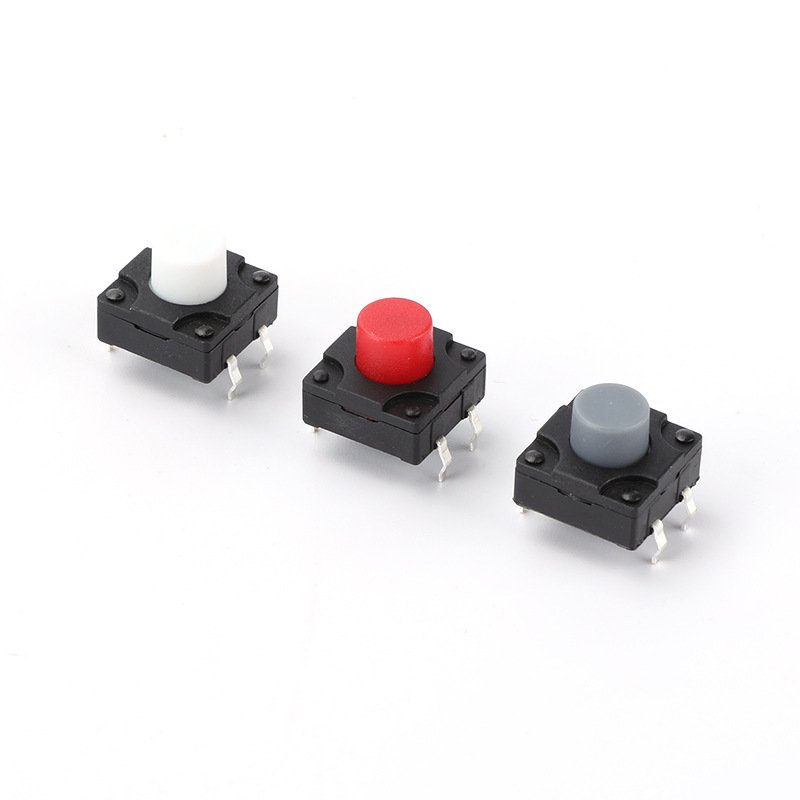
Designers can tune actuation force and travel distance. They can also change shape, size and button color. As a result, the switch matches both performance needs and brand style.
Main Types of Tact Switches
Tact switches split by protection, mounting and structure. The right type depends on your environment and board design.
Standard vs. Sealed Waterproof Type
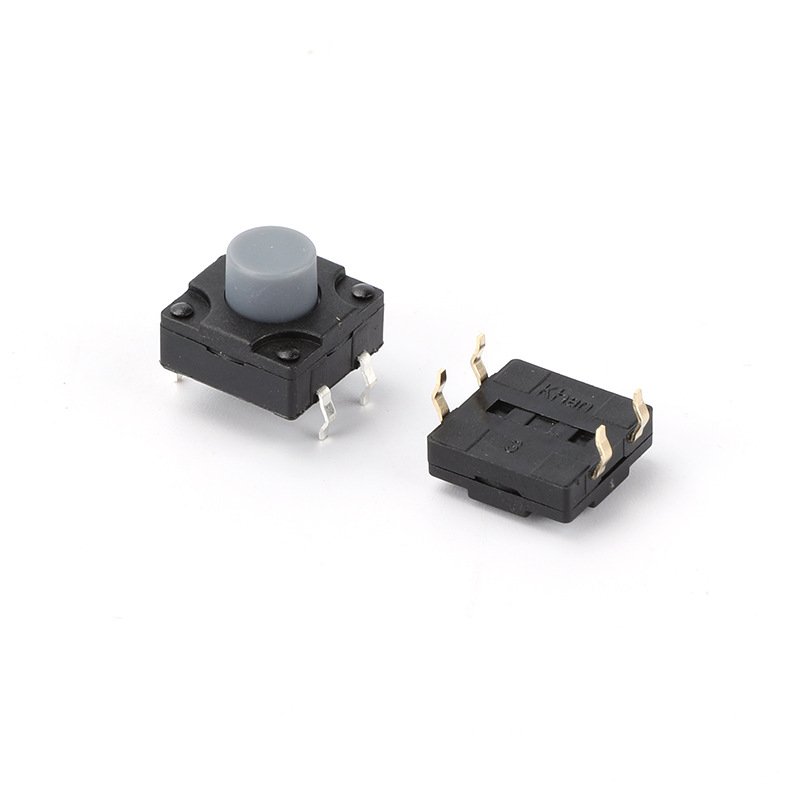
Standard tact switches suit clean indoor use. However, sealed models block dust and water. Therefore, they work in industrial, automotive and kitchen equipment.
Through-Hole vs. SMD Mounting Type
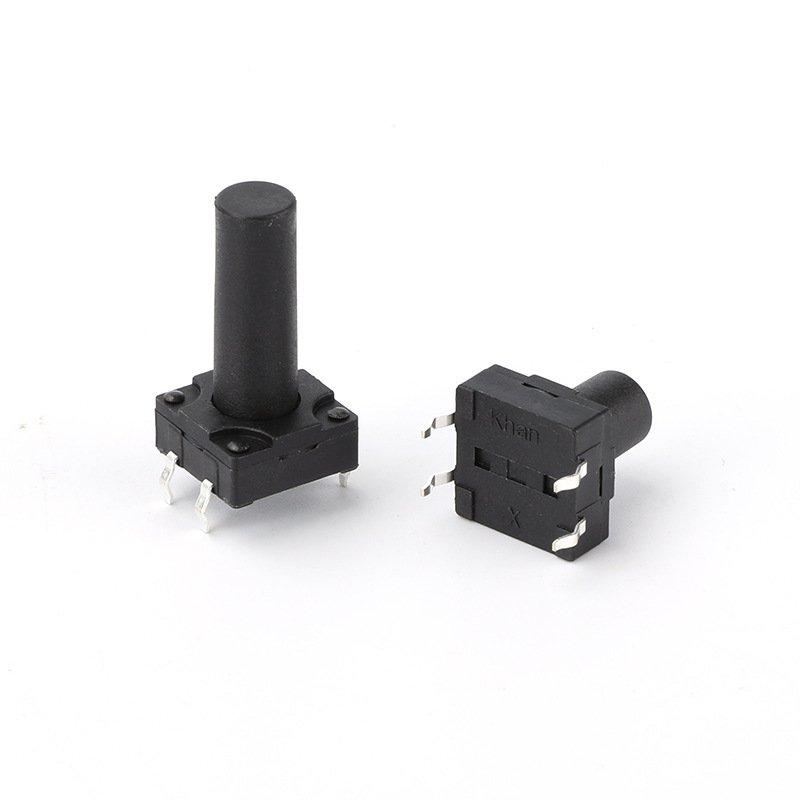
Through-hole tact switches have plug-in pins for strong shock resistance. On the other hand, SMD versions mount flat on the board for high-density layouts. Both support modern production lines.
Diverse Structural and Packaging Specs
Styles include vertical push, side push, long-travel, bracket-fixed and ultra-miniature. In addition, bulk and carrier-tape packaging suit different assembly needs. This variety meets almost any product requirement.
Wide Applications of Tact Switches
Thanks to small size and reliable feedback, tact switches serve many industries. Explore our sealed and SMD tact switch options to match your application.
Consumer electronics use them in remotes, audio gear and game controllers. Computer peripherals rely on them for keyboards and mice. Industrial panels and medical devices need sealed versions for tough, clean operation. In cars, they appear on dashboards and door handles. Home appliances, from microwaves to fridges, use them daily. Moreover, ultra-miniature tact switches power smart watches and fitness trackers.
Customization Options for Tact Switches
You can customize a tact switch in two ways. First, adjust performance: actuation force from light to heavy, and travel distance to fit user habits. Next, adjust appearance: shape, size and color. By combining both, you get a switch that fits your product perfectly.
Conclusion
A tact switch is a mature, reliable component with clear feedback, long life and small size. Its flexibility makes it vital across electronics, medical, industrial and automotive fields. As products shrink and smarten, waterproof and high-life tact switches will spread further. Therefore, choosing the right model improves both user experience and product stability.
Frequently Asked Questions About Tact Switches
Q1: What is a tact switch used for?
A tact switch is a momentary push button that gives clear click feedback. It handles precise human input and circuit control in many electronic devices.
Q2: What is the difference between standard and sealed tact switches?
Standard tact switches suit clean indoor use. In contrast, sealed models add dustproof and waterproof protection for harsh industrial, automotive and kitchen settings.
Q3: How long is the service life of a tact switch?
Quality tact switches last 100,000 to 10 million presses. Therefore, they match the full service life of most electronic products.
Q4: Are tact switches customizable?
Yes. You can customize actuation force, travel, size, shape and color to meet specific design and functional needs.