Blog
Small-Batch Custom Rocker Switch Production: SMED and Full-Chain Collaboration

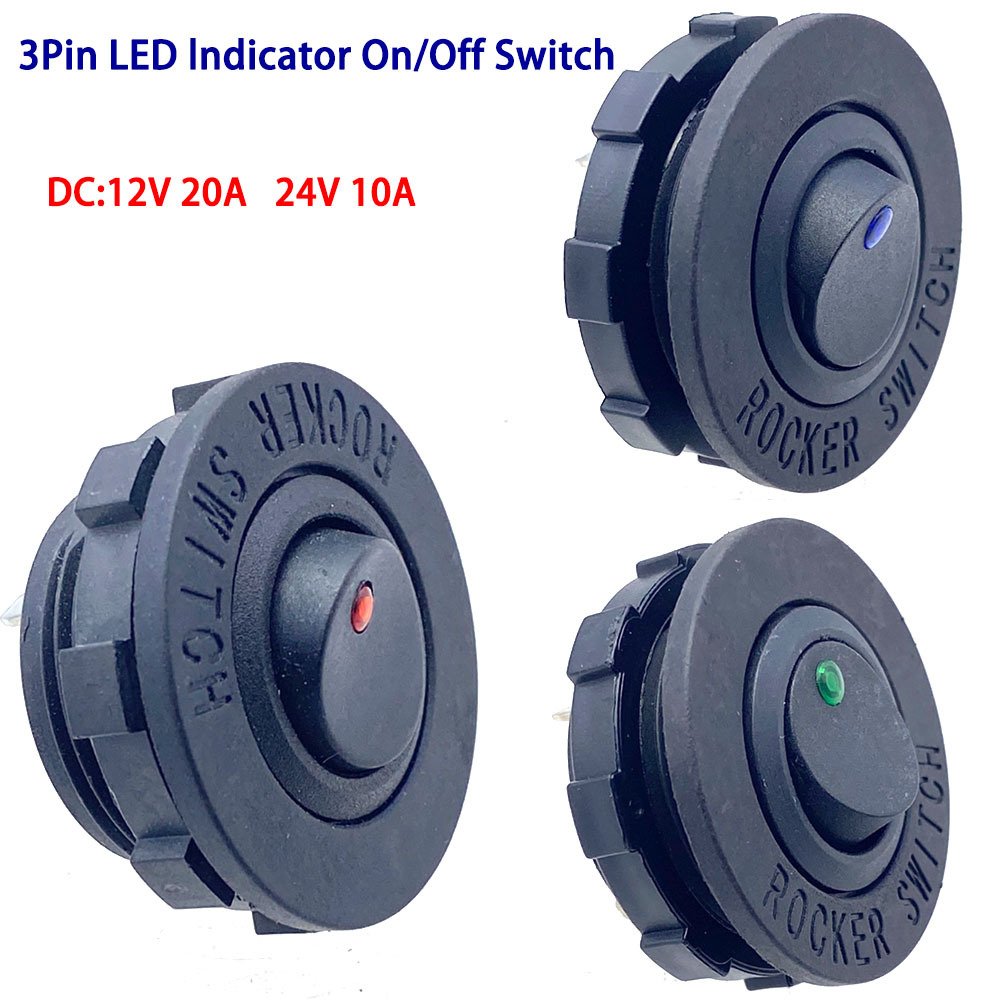
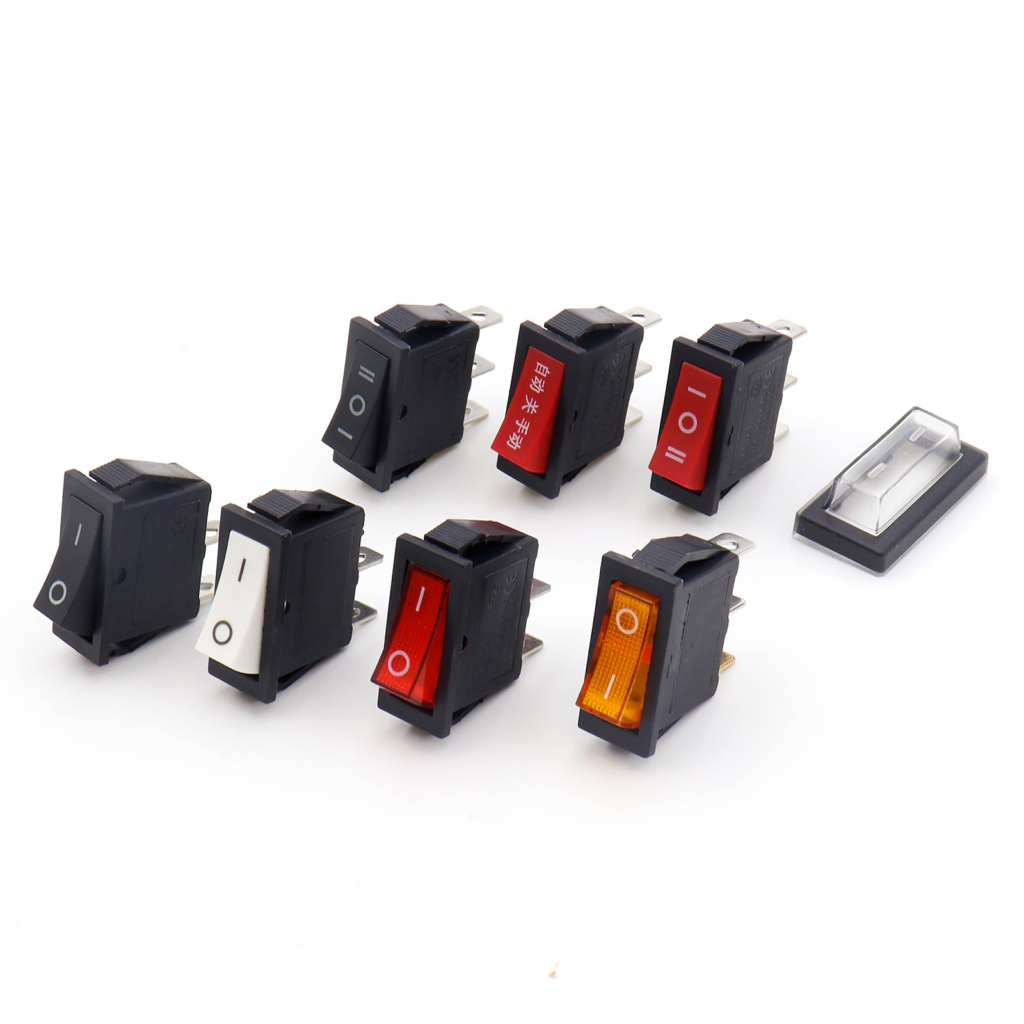
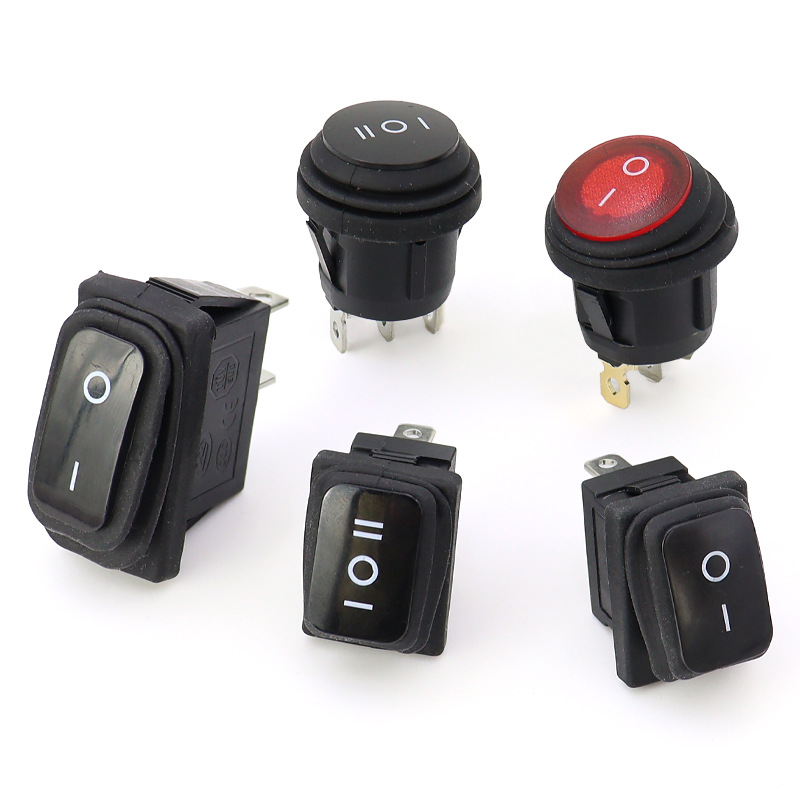
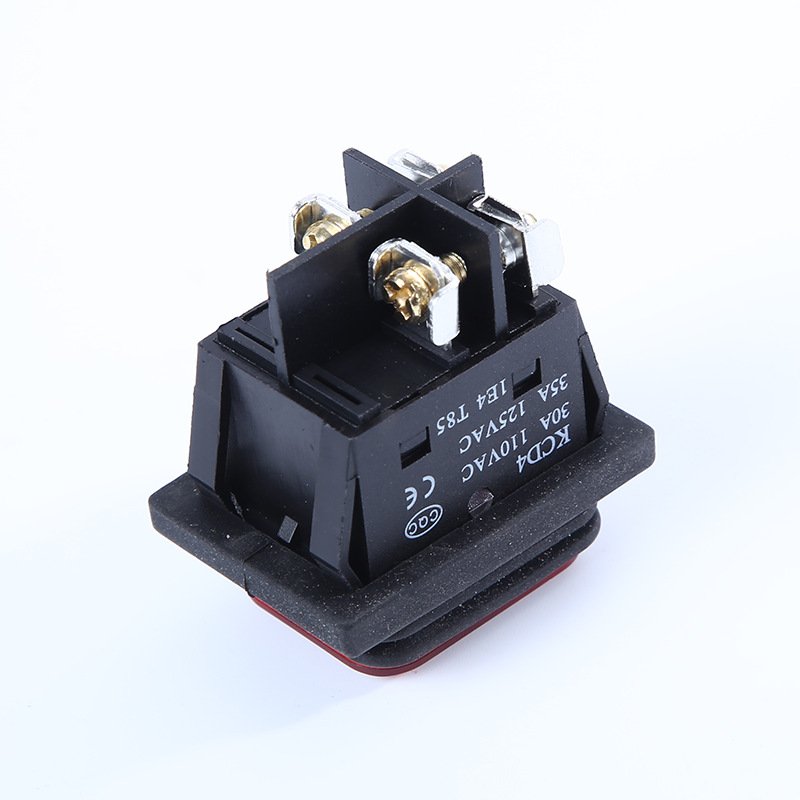
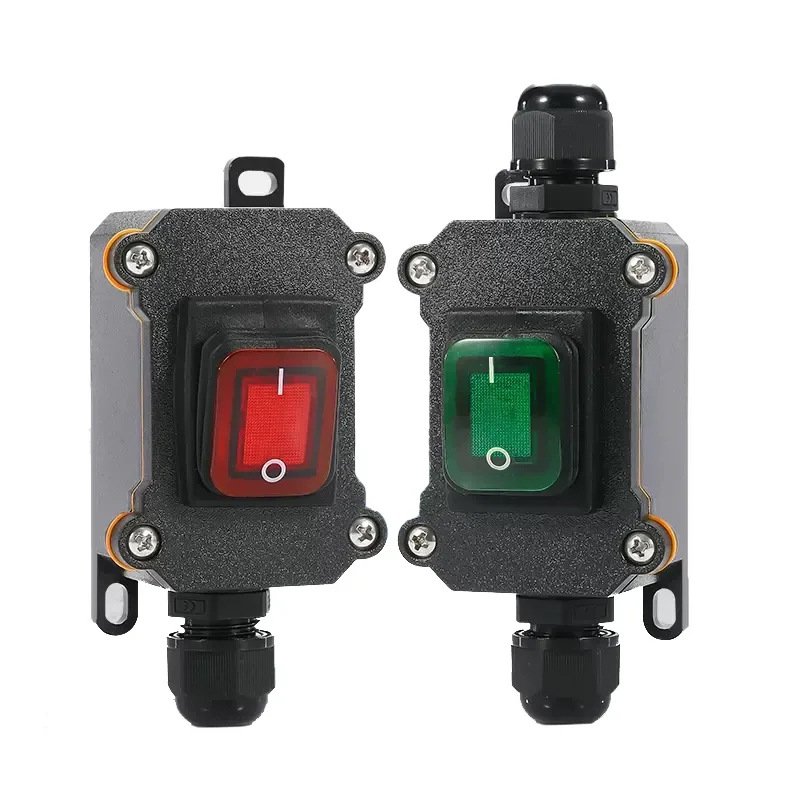
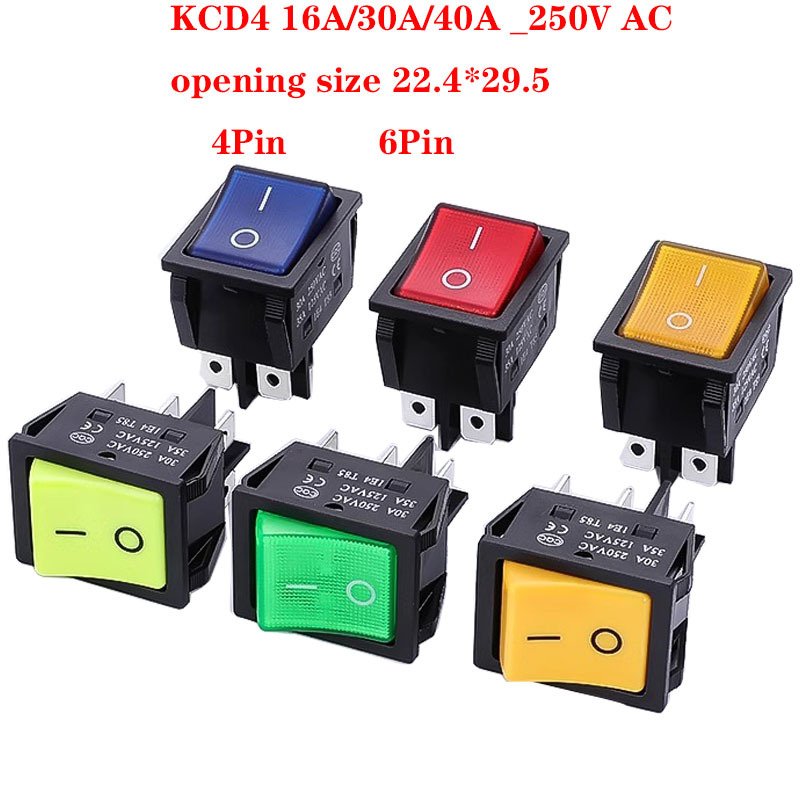
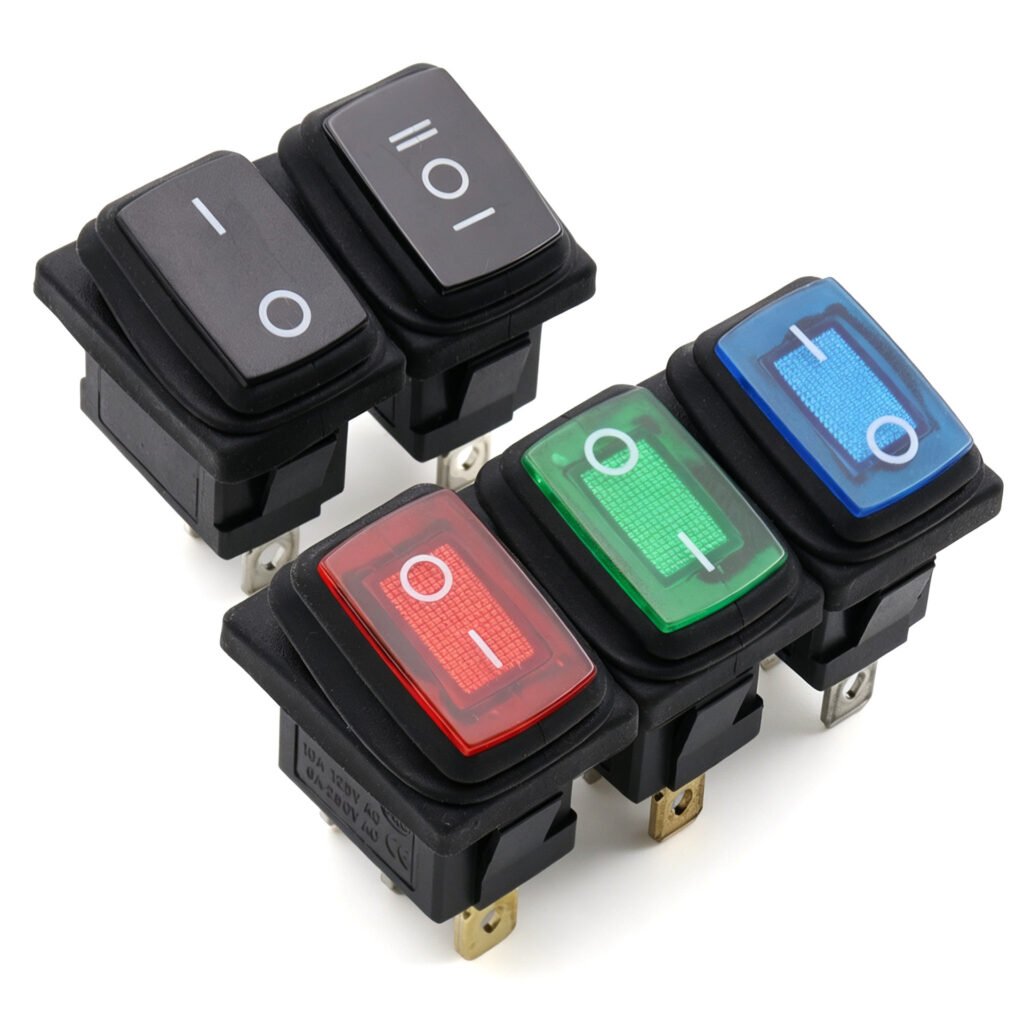
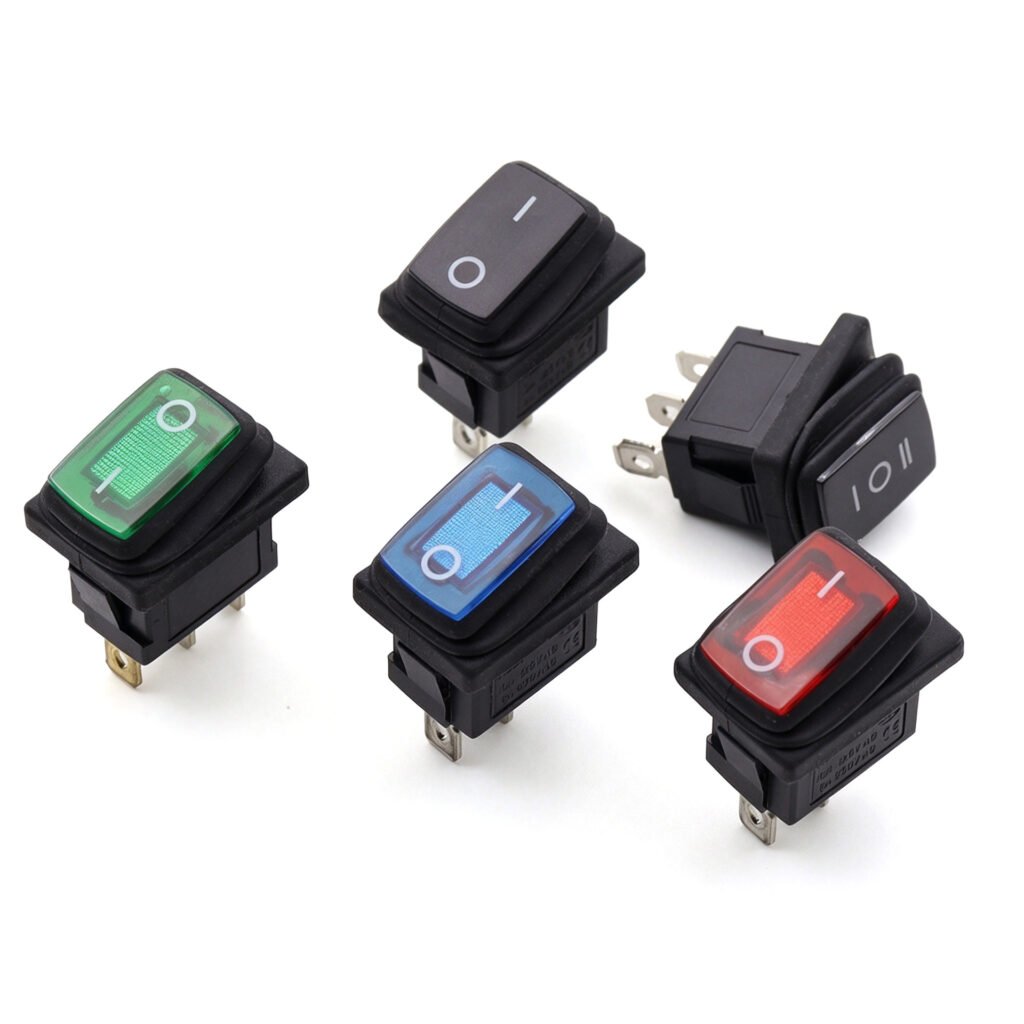
Rocker switches serve as the primary human-machine interface in industrial equipment, and demand for customized versions keeps rising as niche markets emerge. Medical devices, new energy charging piles, and smart home applications all generate large numbers of micro orders below 10,000 pieces. Yet most manufacturers still depend on high-volume production models. When an order lands at5,000 pieces, they run into three problems at once: high mold changeover cost, long delivery schedules, and unstable quality. This article explains how SMED, supported by digital process design, a modular supply chain, and intelligent quality control, breaks that bottleneck. A real production case verifies the results.
Small-Batch Customization Pain Points and the Value of SMED
Where the Cost Actually Goes
Three structural problems drive the difficulty. Changeover cost is disproportionate, because traditional injection mold swaps take 2 to 4 hours. On a 5,000-piece order, that spread across the run adds 0.8 to 1.2 CNY per unit, which accounts for 15% to 25% of total cost. Delivery time becomes unpredictable as well. Mold setup and first-article inspection consume production hours, stretching a standard 100-hour lead time beyond 200 hours. Flexible production is also missing, because a single line rarely handles multiple materials such as PA66 and PBT alongside different sealing structures such as IP65 and IP67 in parallel.
What SMED Actually Changes
SMED, short for Single-Minute Exchange of Die, uses standardized work, separation of internal and external operations, and parallel task execution to compress mold changeover below 10 minutes. In small-batch scenarios, that gain compounds quickly. Cost improves as changeover time drops 80% and per-unit allocation falls below 0.2 CNY. Lead time compresses, and a 5,000-piece order can finish in 72 hours. Flexibility improves because one line can run multiple batches per day. That supports mixed configurations, such as producing a 16 mm red LED backlit switch and a 19 mm unlit metal key within the same schedule.
SMED Implementation for Rocker Switch Production
Mold and Equipment Adaptation
Modular mold design comes first. Positioning systems, cooling water channels, and ejector mechanisms should be standardized across the tool set. One manufacturer developed quick-release locating pins for a medical device customer. Replacing threaded locking with a tapered fit cut mold disassembly from 45 minutes to 8 minutes. Preheating and precooling systems handle the rest, since bringing the mold to 80 °C ahead of time, which suits PBT injection, removes idle waiting. Multifunction fixtures add flexibility, and magnetic fixtures that accept different mold sizes reduce adjustment time further.
Process Standardization and Parallel Work
Internal operations move outside the changeover window. Mold cleaning and lubricant application happen before the swap begins. A mold pre-cart lets the next mold get prepared while the current batch is still running, so the previous batch and the next setup overlap completely. Operations then run in parallel, where a robot removes the mold while an operator scans the new mold parameters into the MES system. RFID tagging of mold data cuts instruction transfer time from 15 minutes to 20 seconds.
Skills and Organization
A skill matrix matters as much as tooling. Multi-skilled workers learn injection molding, electrical testing, and fast changeover as one continuous process. Swarm-style teams follow the same idea. A three-person changeover group splits mechanical disassembly, parameter setting, and first-article inspection, which compresses manual intervention to under 3 minutes.
Beyond SMED: Full-Chain Collaboration
Digital Process Design Up Front
Parametric modeling lets engineers preset mounting hole spacing, contact clearances, and waterproof groove depth in CAD. Changing a dimension then generates a new 3D model quickly. One customer asked for anti-misoperation bumps on a panel. The engineer adjusted bump height from 0.5 mm to 1.2 mm on the existing template, and design time fell from 3 days to 4 hours. Moldflow simulation of melt flow and cooling deformation further reduces trial mold cycles. For a broader look at which parameters usually need to be specified, our Rocker Switch size and specification guide covers the full model list across common series.
Modular Supply Chain Response
Contact components follow a Lego-style inventory model. Silver contacts such as AgNi, copper bases, and springs are standardized and combined per customer requirement. The cost difference is decisive. A traditional custom mold runs about 20,000 CNY, while a modular approach changes only assembly settings and stays under 5,000 CNY. Regional collaborative warehousing in the Yangtze River Delta and Pearl River Delta adds a further layer. Generic housings and PCB stock in micro warehouses enable 48-hour delivery.
Closed-Loop Quality Control
Machine vision handles online inspection. High-resolution cameras check contact flatness within ±0.02 mm and housing burrs at 0.1 mm or less. The data gain is significant, because one factory reduced defect rates from 500 ppm to 80 ppm after introducing AI inspection. Blockchain traceability adds another layer, assigning each switch a unique ID that records material batch, process parameters, and test data for fast after-sales diagnosis. For procurement teams evaluating supply capability, our OEM sourcing guide on Rocker Switch supply walks through the questions worth asking a manufacturer before you commit.
Production Case: Breaking Into Custom Work for an Industrial Equipment Maker
Requirement
A customer ordered 5,000 high-temperature rocker switches with four hard conditions. The material had to be PA66 with 30% glass fiber at UL94 V-0. Contacts had to be dual-break AgSnO₂ silver tin oxide. Sealing had to reach IP67 with a 96-hour salt spray test. Delivery had to happen in 7 days.
Execution
SMED optimization brought mold changeover from 120 minutes down to 18 minutes. A pre-cart prepared silicone waterproof gaskets and AgSnO₂ contacts in parallel with the run. Modular assembly used PA66 housings from stock, so only the glass fiber content changed. A pre-assembled contact and spring module removed several in-line assembly steps. Digital quality control added infrared thermography to monitor injection temperature uniformity within 5 °C, and automatic test equipment simulated 10,000 insertion cycles.
Results
Delivery dropped from 7 days to 5. Unit cost fell 22%. First-batch pass rate reached 99.3%, and repeat order rate climbed to 80%.
Challenges and Long-Term Competitiveness
Technical challenges start with investment, since SMED upgrades to molds and equipment require roughly 500,000 to 1,000,000 CNY. Smart manufacturing subsidies from local authorities can cover 30% to 50% of that cost, and installment payment plans spread the rest. Process conflicts appear next, as frequent switching raises equipment wear. A PHM system enables predictive maintenance and lowers failure rates.
Organizational challenges are equally real. Frontline staff often resist flexible production changes, and an efficiency bonus pool tied to changeover time reduction gives the incentive real meaning. Cross-department silos between R&D, production, and supply chain also slow response. A PLM platform resolves that by sharing live data across teams.
Market challenges center on customer education, since small and mid-size buyers often expect low prices on standard parts. A light cooperation model helps, offering free design simulation with paid production only after approval.
Conclusion
Under Industry 4.0 and rising demand for personalization, competition in the rocker switch industry has shifted from cost at scale to agile response. SMED enables minute-level changeover, a modular supply chain shortens delivery, and digital inspection protects stability. Together they turn the cost disadvantage of small batches into a service premium. Looking ahead, 3D-printed molds and AI scheduling will make micro orders below 10,000 pieces a core profit engine for the industry.