Blog
Waterproof Micro Switch in Automotive Electronics: Core Functions and Selection Guide


The waterproof micro switch has become a core component in modern automotive electronics. As automotive systems grow more sophisticated, basic electronic parts protect vehicle stability and driving safety. New energy vehicles and ADAS raise the bar for switch reliability and durability. The waterproof micro switch also resists harsh environments with strong sealing and anti-aging performance. It serves door locks, seat modules, steering controls, and brake pedal sensing. This article analyzes its technology, applications, selection criteria, and supplier guidelines for engineers and B2B buyers.
Core Sealing Technology of the Waterproof Micro Switch
Traditional open-type micro switches use exposed contact structures. In humid, rainy, or dusty vehicle environments, contacts oxidize and fail. This directly causes electronic module malfunction.
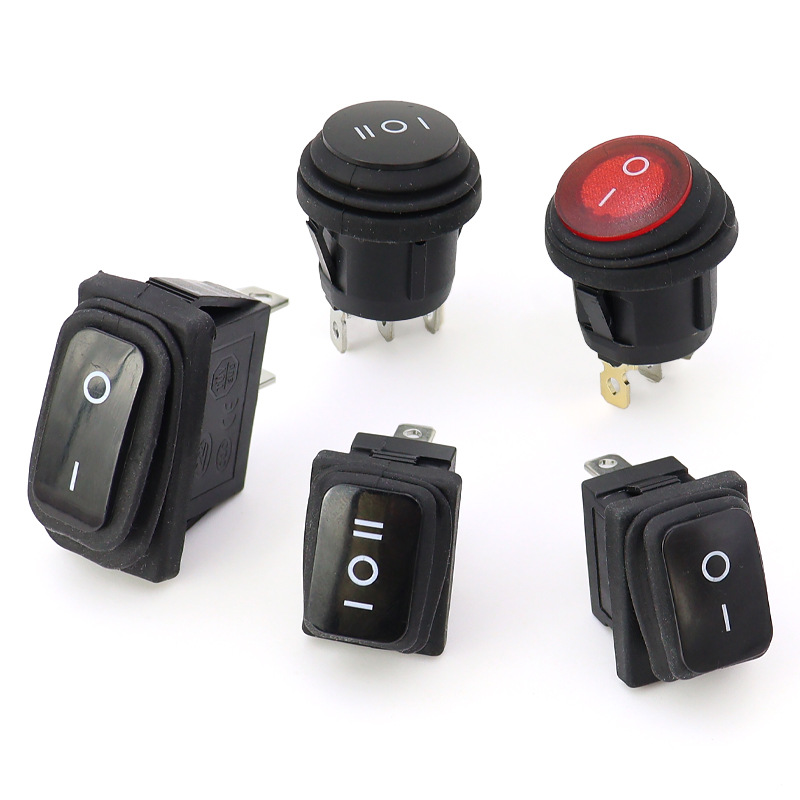
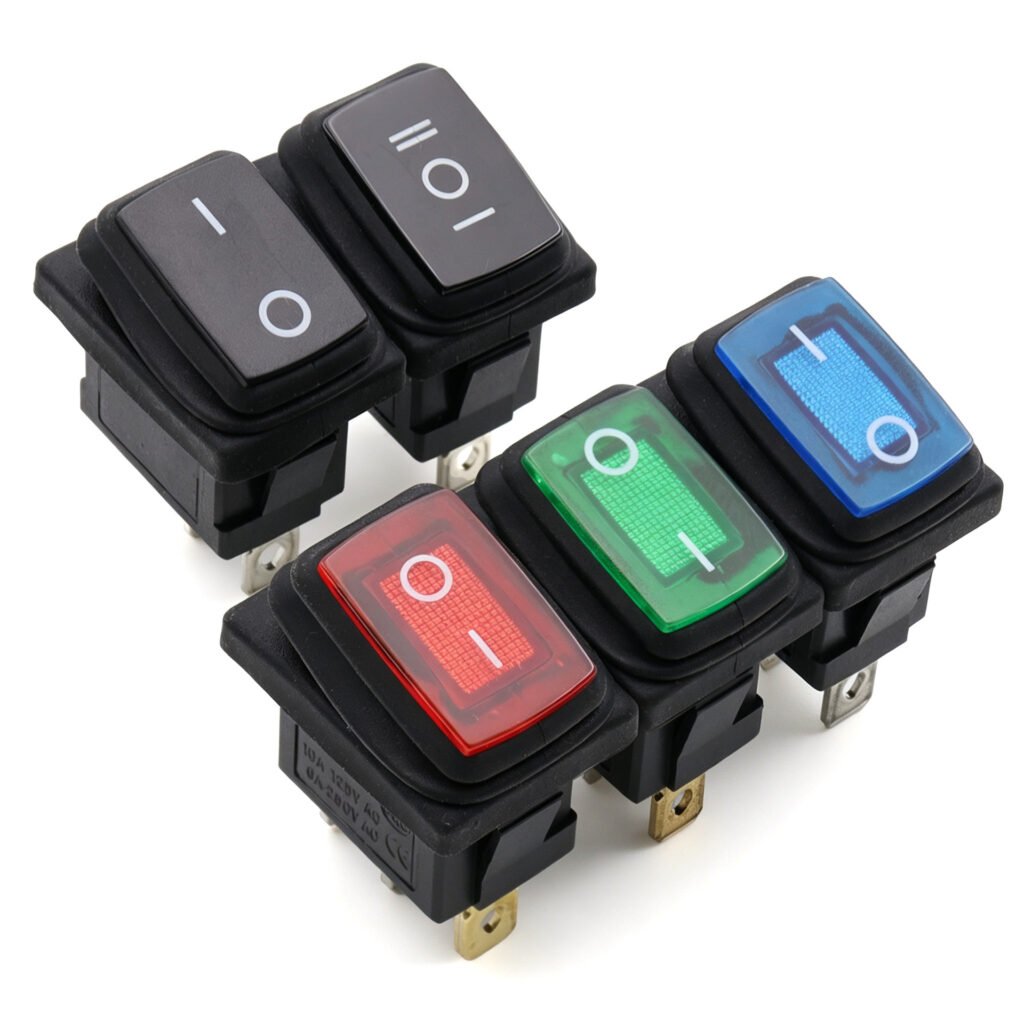
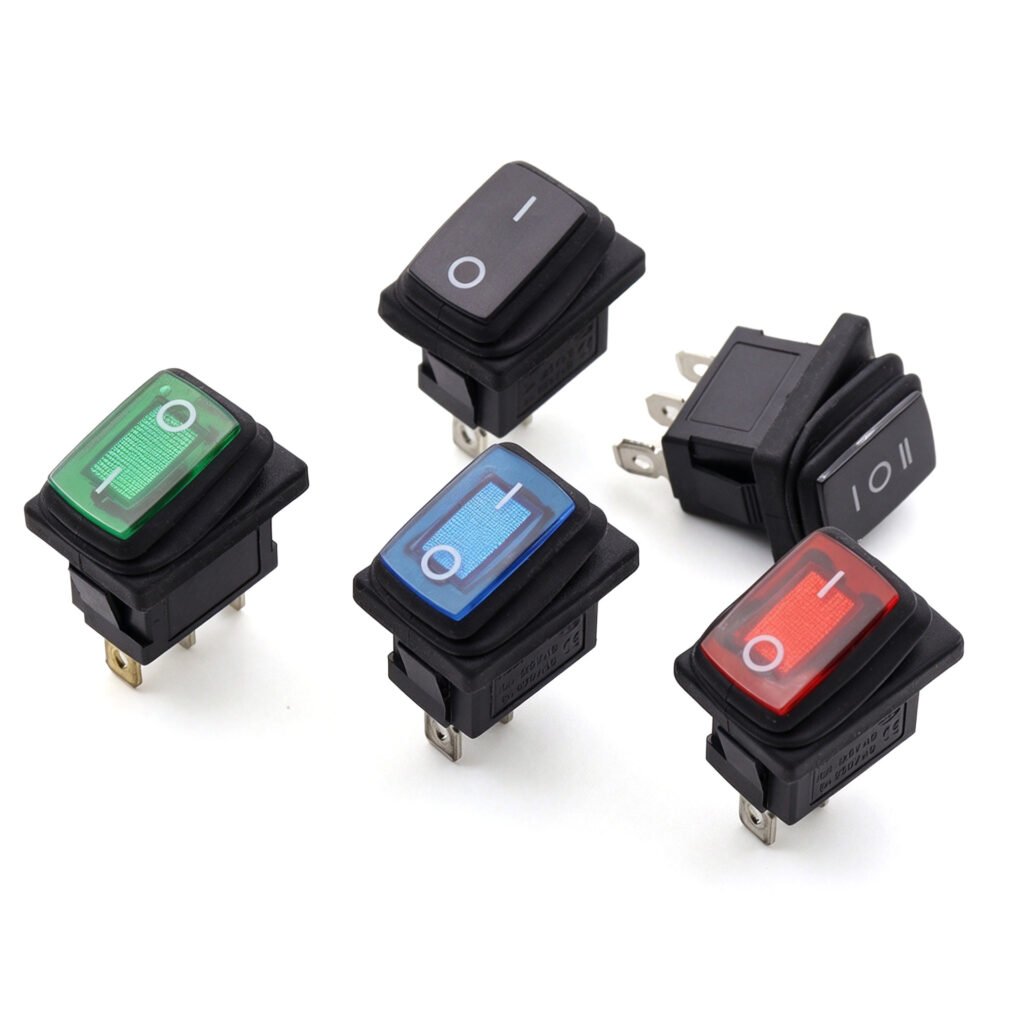
Different from civil switches, the automotive waterproof micro switch uses professional sealing. It includes silicone rubber gaskets, epoxy resin potting, and double-layer shells. Together they isolate internal contacts from harsh external media.
Most automotive waterproof micro switches reach IP67 or IP68 ratings. IP67 supports 30-minute immersion at one meter. In contrast, IP68 handles long-term immersion and high-pressure flushing. Therefore, the switch resists car-wash guns, rain, and wading splashes. For material and structure benchmarks, review our automotive sealed micro switch technology overview.
Reliable sealing solves common vehicle faults from switch failure. For example, poor door switch sealing causes water penetration and signal errors. Similarly, seat switch sweat damage undermines user experience and stability.
Structural Principle and Strict Vehicle Certification Standards
The automotive waterproof micro switch inherits the classic three-reed structure. First, it has normally open, normally closed, and common contacts. Then, when force reaches the threshold, the shrapnel flips instantly to switch contacts.
This fast-action design ensures crisp, sensitive switching. It also avoids electric arcs from slow contact fitting. Moreover, automotive-grade waterproof micro switches keep ultra-long life. Finally, they support more than one million switching cycles.
Unlike ordinary switches, vehicle models pass strict certification tests. Also, these meet AEC-Q100 and QC/T 427 specifications. Mandatory tests include temperature cycles, vibration, and salt spray. As a result, the switch stays stable across the vehicle’s service life.
Typical Application Scenarios in Automotive Electronic Systems
The waterproof micro switch runs through the entire body control system. In addition, it covers comfort, braking, intelligent control, and power modules. Thus, it becomes the core sensing component for vehicle signal feedback.
Vehicle Door and Body Control System
The waterproof micro switch detects door lock position and child lock status. Traditional mechanical doors ice up in winter. In contrast, sealed switches avoid such failures and report accurate status in all weather.
Brake Safety System
The brake pedal module uses dual-circuit redundant waterproof micro switches. When pressed, the switch sends a signal to the ECU. The redundancy means one failed circuit cannot disable braking. Therefore, brake signal output stays absolutely reliable and safe.
Comfort and Intelligent Control Modules
The waterproof micro switch appears in electric tailgates and sunroofs. It also serves wiper sensors and gear shift detection. In addition, seat and wheel buttons rely on stable waterproof micro switches for sensitive operation.
New Energy Vehicle Exclusive Scenarios
For new energy vehicles, the waterproof micro switch senses battery temperature. It also monitors coolant level and charging port cover state. These anti-condensation switches suit high-load power systems. Thus, they support safe battery management.
Automotive Waterproof Micro Switch: Parameter Selection Guide
Engineers must evaluate electrical, mechanical, force, and travel parameters during selection.
Electrical Parameters and Contact Material
The automotive micro switch rated current ranges from 0.1A to 10A. Most low-voltage systems use 5V/1A or 12V/0.5A. Considering startup surge, choose gold-plated or silver-alloy contacts. This boosts arc resistance and prevents contact ablation.
Mechanical Life Standard
Different modules need different life ratings. For instance, door locks need 500,000 cycles minimum. Meanwhile, seat and body switches need over one million cycles for frequent use.
Operating Force and Travel Accuracy
Operating force ranges from tens to hundreds of grams. Safety parts like brake pedals need high force to avoid accidental triggers. In contrast, wheel buttons use low force for a soft touch. Precise travel indicators give accurate feedback. For a structured comparison, our IP67/IP68 sealed switch selection guide summarizes force grades.
Mainstream Manufacturers and Supplier Evaluation Standards
The automotive waterproof micro switch market mixes global leaders and domestic risers.
International High-End Brands
Global benchmarks include the Omron D2 series waterproof micro switch and Honeywell MICRO SWITCH products. These brands hold mature vehicle-grade lines and patents. Consequently, they lead the high-end vehicle market.
Excellent Domestic Manufacturers
Domestic makers have improved waterproof switch technology in recent years. Brands such as Kailh, Hongbo, and EVE show stable performance. Their automotive-grade waterproof micro switch now supplies many independent vehicle brands.
B2B Supplier Selection Criteria
Procurement teams must verify supplier qualifications beyond parameters. First, prioritize IATF 16949 certification and in-house IP testing labs. For mass orders, require complete PPAP documents to ensure batch consistency. Meanwhile, fast custom development signals a reliable long-term partner.
Industry Development Trends and Future Iteration Directions
Driven by electrification, the waterproof micro switch evolves toward smaller and lighter designs. It also integrates Hall sensors and LED indicators. This simplifies wiring and saves installation space.
For autonomous driving safety, dual and triple-contact waterproof micro switches emerged. They keep the system running under single-point failure. New sealing materials further raise voltage and heat resistance.
With 800V platforms and solid-state batteries, systems demand higher resistance. Therefore, precision processing upgrades corrosion and temperature performance. They adapt to fast new energy iteration.
Conclusion
Although the waterproof micro switch is tiny, it anchors stable automotive electronics. Every design, selection, and verification step shapes vehicle quality and safety. For factories and Tier1 suppliers, a full test system with strong partners builds competitiveness. With smarter vehicles, the waterproof micro switch gains broader demand and iteration space.
We supply automotive-grade IP67/IP68 waterproof micro switches with AEC-Q100 compliance. They offer long mechanical life and strong corrosion resistance. Custom structure, operating force, and wire harness assembly are supported. Contact us for vehicle-grade test reports and bulk quotations.