Blog
Rocker Switch Sealing Design: Waterproof and Dustproof Technology

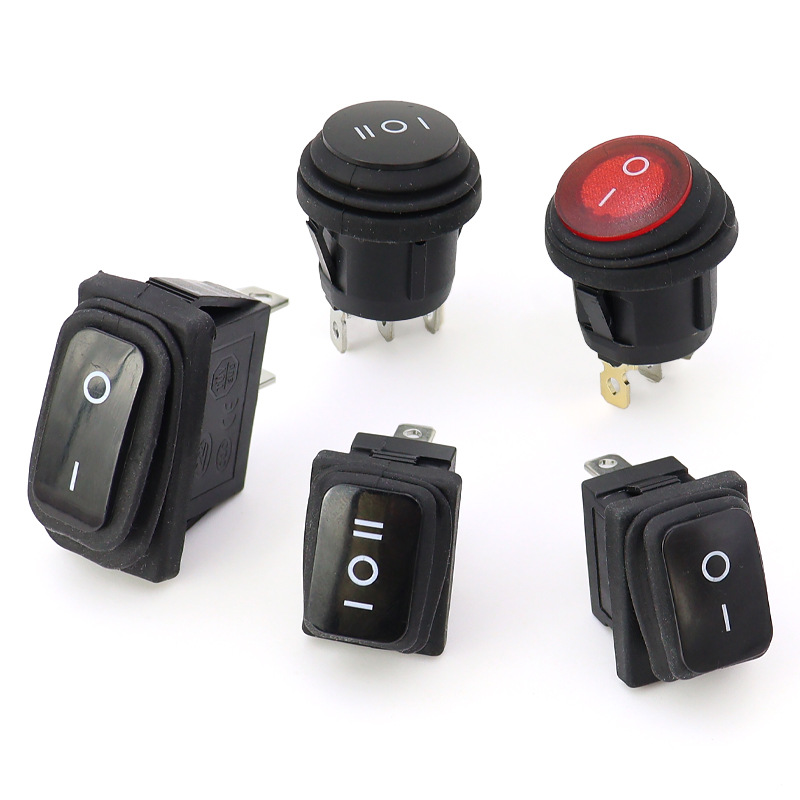
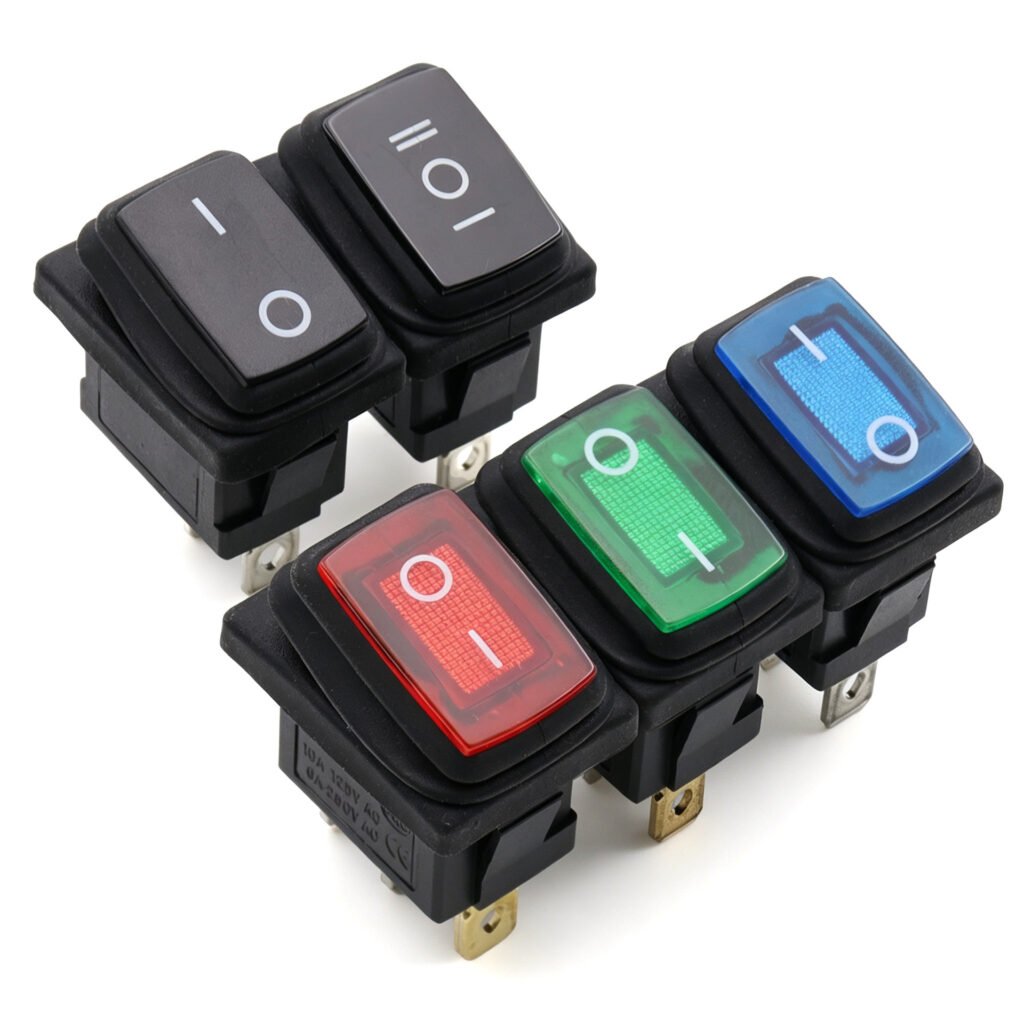
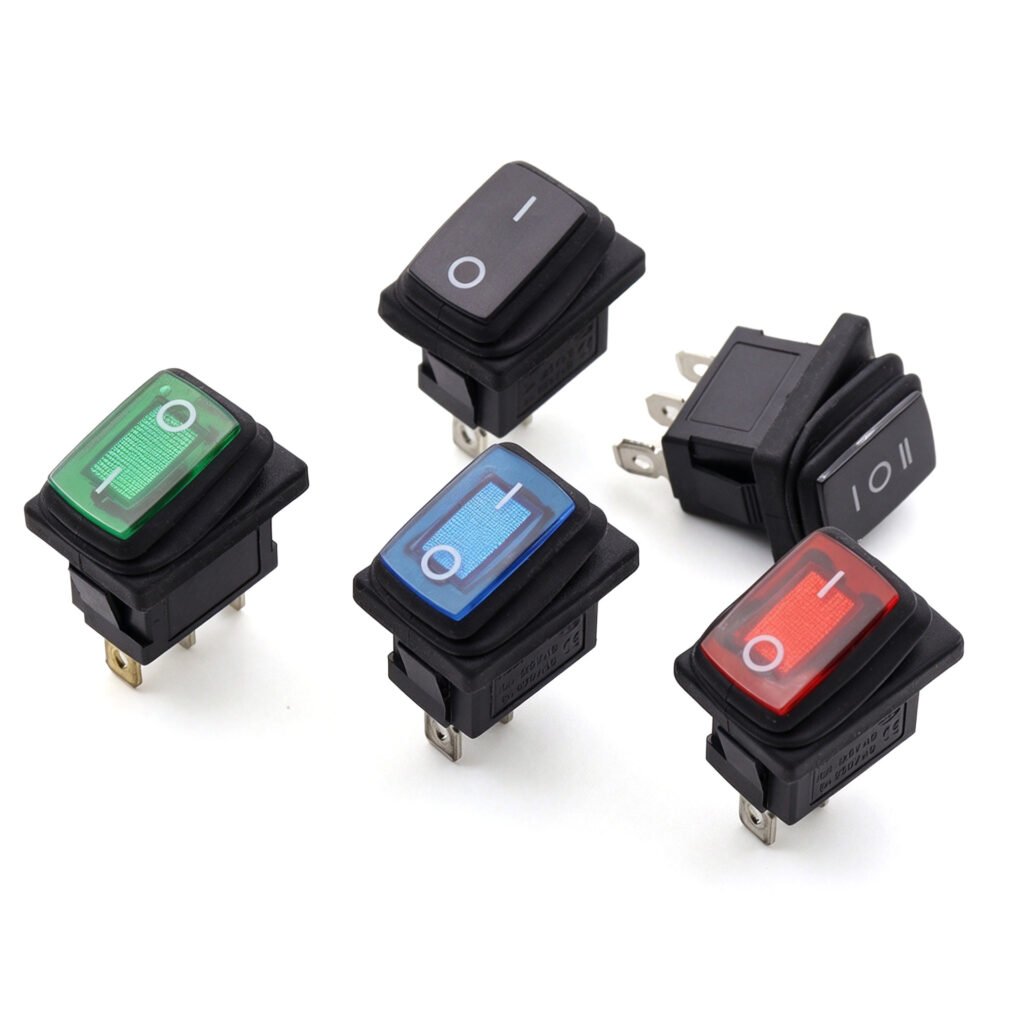
As the Rocker Switch sees wider use in outdoor power equipment, marine systems, automotive electronics, and power tools, its waterproof and dustproof performance has become a key quality indicator. Especially in humid, dusty, or long-term immersed environments, a well-sealed rocker switch protects not only itself but also the safety of the whole system. This article analyzes sealing gasket design, potting materials, waterproof housing structures, and dustproof failure analysis. In addition, it combines real application cases to give B2B buyers a reliable technical reference.
IP Protection Requirements for a Rocker Switch
The international standard IEC 60529 defines IP (Ingress Protection) ratings. Specifically, IP6X is the highest dust level, and IPX8 allows long-term underwater operation. For outdoor or industrial use, a rocker switch usually needs IP67 or IP68. The core goals of sealing design are clear. First, stop moisture and liquid from entering through the surface, actuator, or housing gaps. Second, block particles and dust that cause contact failure. Third, maintain reliable operation and conduction over a long service life.
Sealing Gasket Design: Materials and Structure
The gasket is the core element for IP protection. Typically, it works in three positions. First, between the actuator and the top cover, it stops moisture along the rocking shaft. Second, between the upper cover and the lower housing, it seals the joint. Third, at the panel mounting area, it forms an external barrier between the switch and the equipment panel.
Material selection decides gasket life. The table below compares three common options:
| Material | Key Properties | Typical Applications |
|---|---|---|
| Silicone Rubber | High and low temperature resistance, aging resistance, softness | IP67/IP68 high-protection products |
| NBR (Nitrile Rubber) | Strong oil resistance, moderate cost | Industrial control, automotive |
| FKM (Viton) | Extremely strong corrosion resistance | Chemical environments, anti-corrosion equipment |
Moreover, three design points matter in practice. First, compression rate should stay between 25% and 40%; too loose or too tight both cause failure. Second, an embedded groove molded into the housing keeps the gasket from shifting or extruding. Third, critical positions can use double sealing, such as two gaskets or a gasket plus potting.
Potting Materials and Process: A Permanent Internal Barrier
Potting provides the second layer of protection for internal electronics. The table below summarizes common materials:
| Material | Key Properties | Best Use |
|---|---|---|
| Epoxy | High strength and water resistance after curing | Fixing electronic parts, batch potting |
| Polyurethane (PU) | Excellent flexibility, low-temperature resistance | Structures needing thermal expansion compensation |
| Silicone Potting | Heat resistance, flame retardancy, superior softness | High-reliability medical and military switches |
Furthermore, process control decides potting quality. First, vacuum potting avoids bubbles and improves waterproof sealing. Second, two-component materials such as epoxy need precise mixing ratios; otherwise, curing stays incomplete. Third, after curing, an IPX8 water-pressure test or pressurized air-leak test must confirm that no leakage path exists.
Waterproof Housing: The Overall Sealing Strategy
Housing structure design is the third sealing layer. First, one-piece injection molding avoids multi-part joints and reduces water ingress at the source. Second, a labyrinth structure extends the water path through looping gaps. Third, chamfered seams and anti-backflow edges reduce static water pressure buildup. For the actuator, three details matter. An O-ring press-fit shaft achieves dynamic sealing between the rocking shaft and the housing. Meanwhile, a one-piece molded actuator cap avoids gaps from multi-part assembly. For products that cannot be fully closed, drainage channels guide liquid out of the body.
Dustproof Failure Analysis and Real Cases
Dust failures usually come from three causes. First, poor gasket assembly, such as low preload or position shift. Second, overly wide housing gaps caused by mold precision limits. Third, wear or cracking after frequent operation. The following cases show how these failures happen and how to fix them.
Case 1: Dust intrusion in an industrial fan control panel. In a textile mill, the air carried heavy fiber dust. The panel gasket used PVC, which hardened and cracked with age. As a result, dust reached the contacts and the switch failed. The solution had three parts: replace the PVC with an aging-resistant silicone gasket, add potting at the terminal outlet, and upgrade to a fully sealed IP67 rocker switch.
Case 2: Rainwater short circuit in an outdoor advertising power switch. Here, poor actuator sealing let rain enter along the rocking shaft. The fix was twofold. First, the actuator changed to a silicone-overmolded one-piece structure. Second, engineers added an internal water guide channel and applied potting as secondary sealing.
Extended Design Points for Long-Term Reliability
Beyond sealing itself, long-term reliability needs three more protections. First, thermal cycling compensation: use high-elasticity materials such as silicone rubber to maintain contact, and add a buffer cavity in the housing to absorb expansion. Second, UV protection: for switches exposed to sunlight, such as in solar power devices, the housing needs UV additives plus a UV-stable coating. Third, multi-layer protection: combining gasket, potting, and housing structure raises the protection level significantly. Therefore, marine and oilfield applications should adopt this triple-seal combination.
Conclusion: Sealing Determines Rocker Switch Reliability
Sealing structure design is the core of Rocker Switch reliability and adaptability. Through scientific gasket selection, high-performance potting, rational waterproof housing design, and strict dustproof control, stability and service life improve dramatically. For B2B buyers, mastering these details helps both product selection and supplier communication. In addition, proper fault analysis supports long-term maintenance and reduces after-sales risk. If you need a specific IP-rated solution or custom sealing design support, we provide deeper technical consultation and cooperation services.