Blog
Rocker Switch Automated Manufacturing and Testing Process

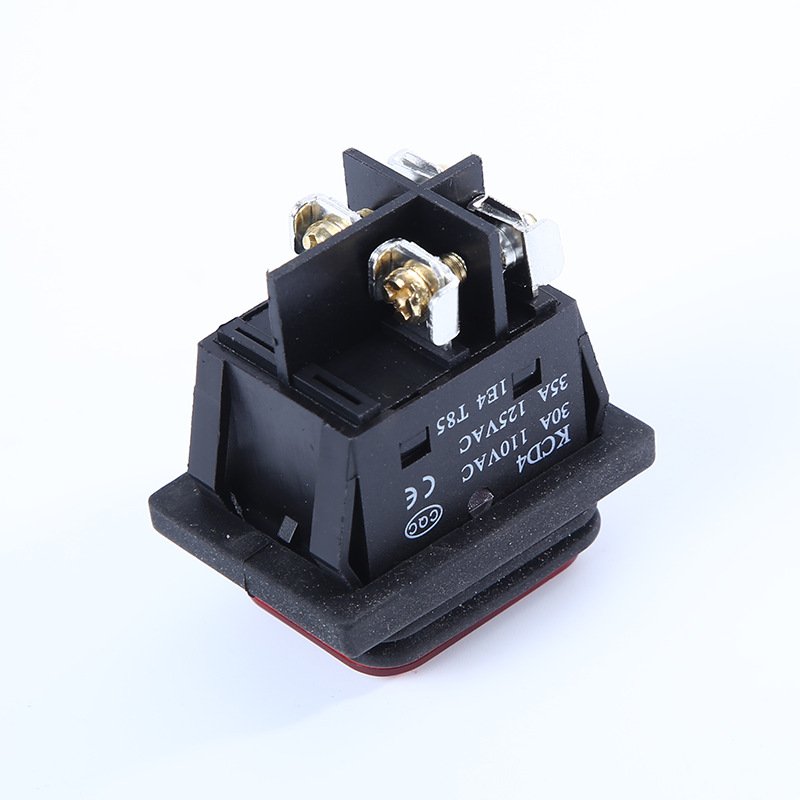
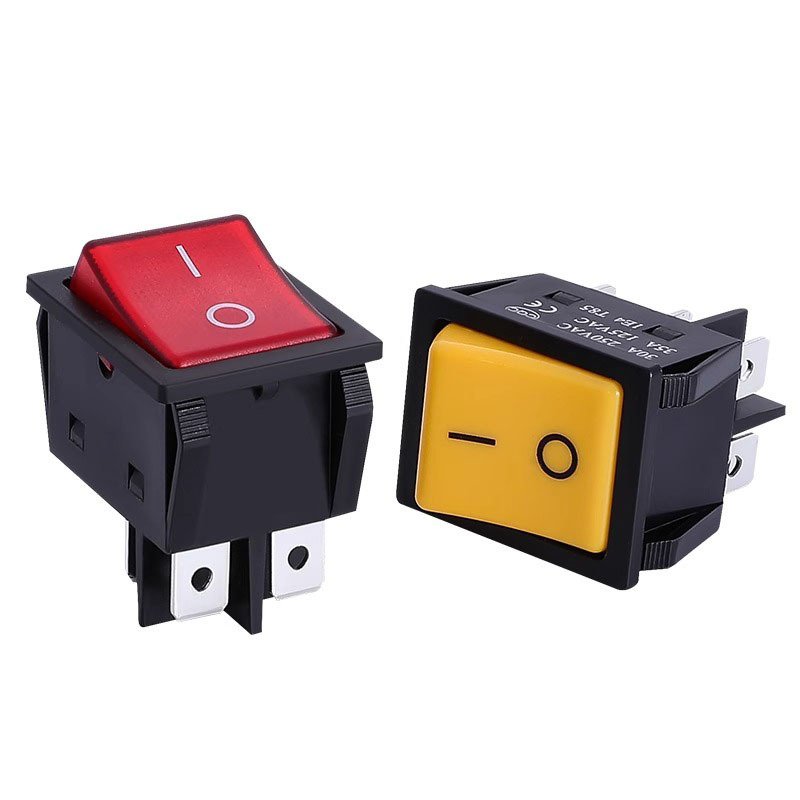
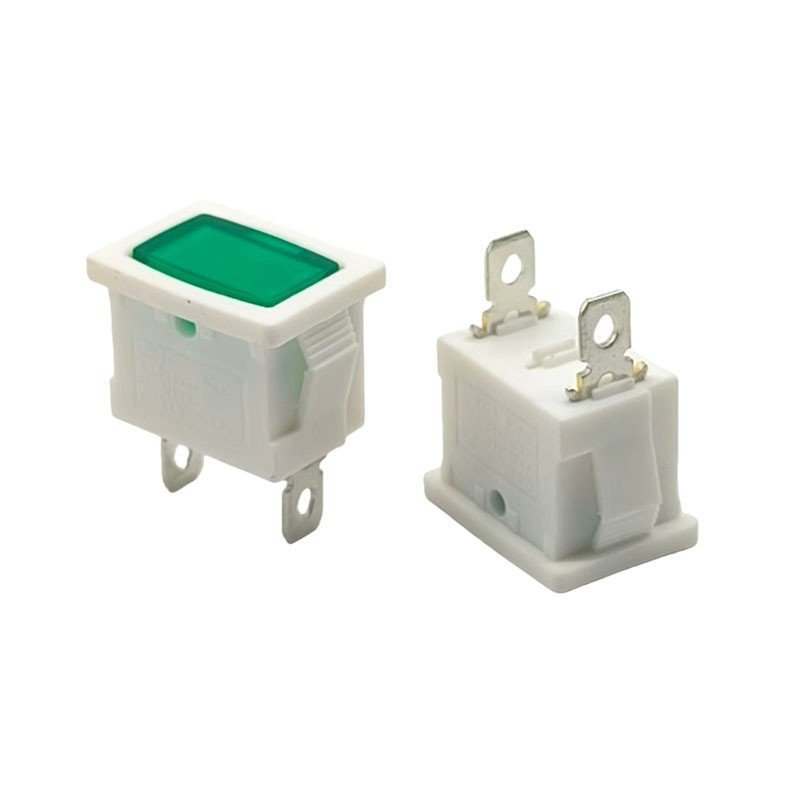
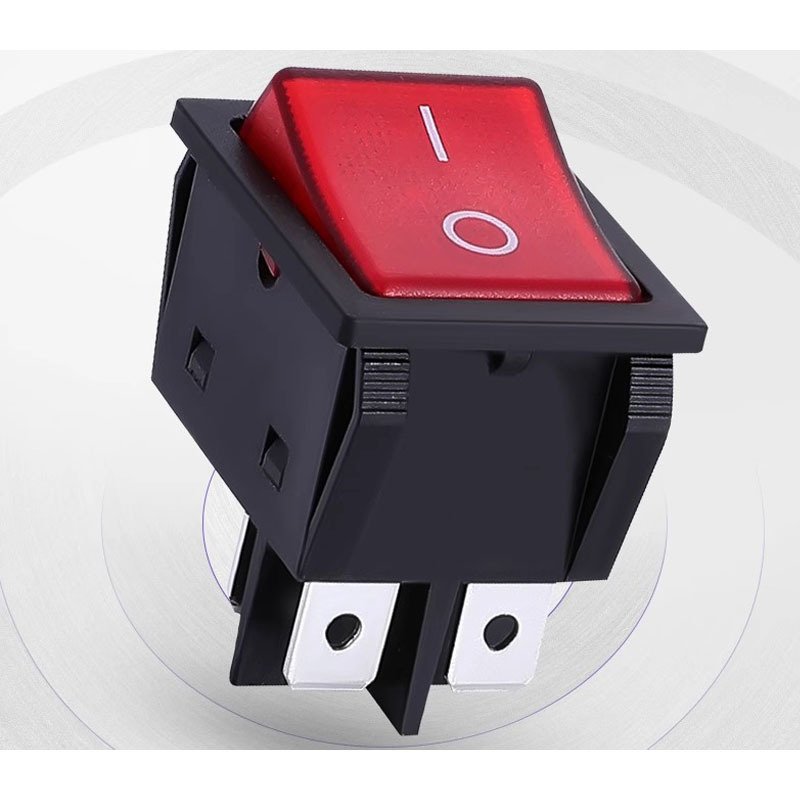
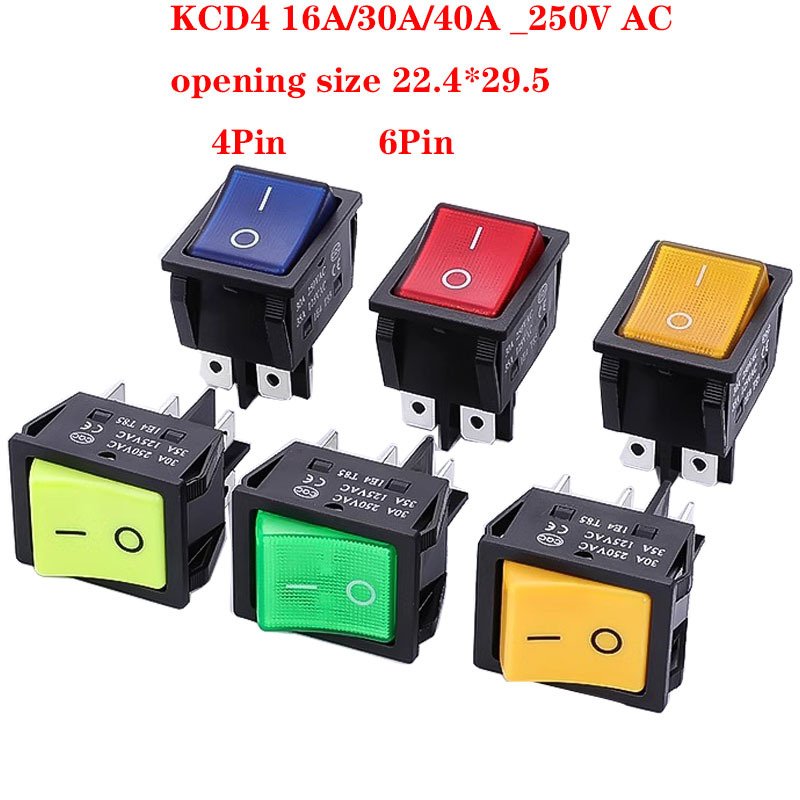
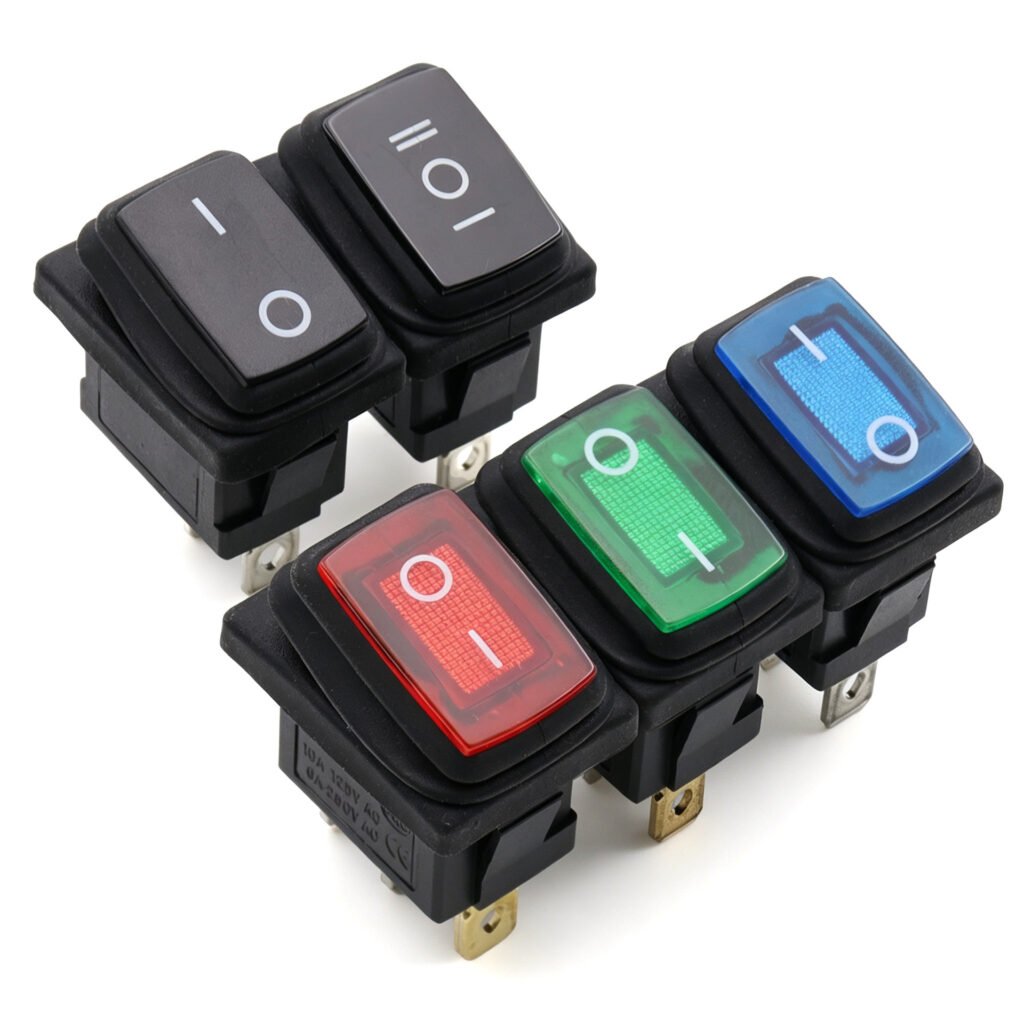
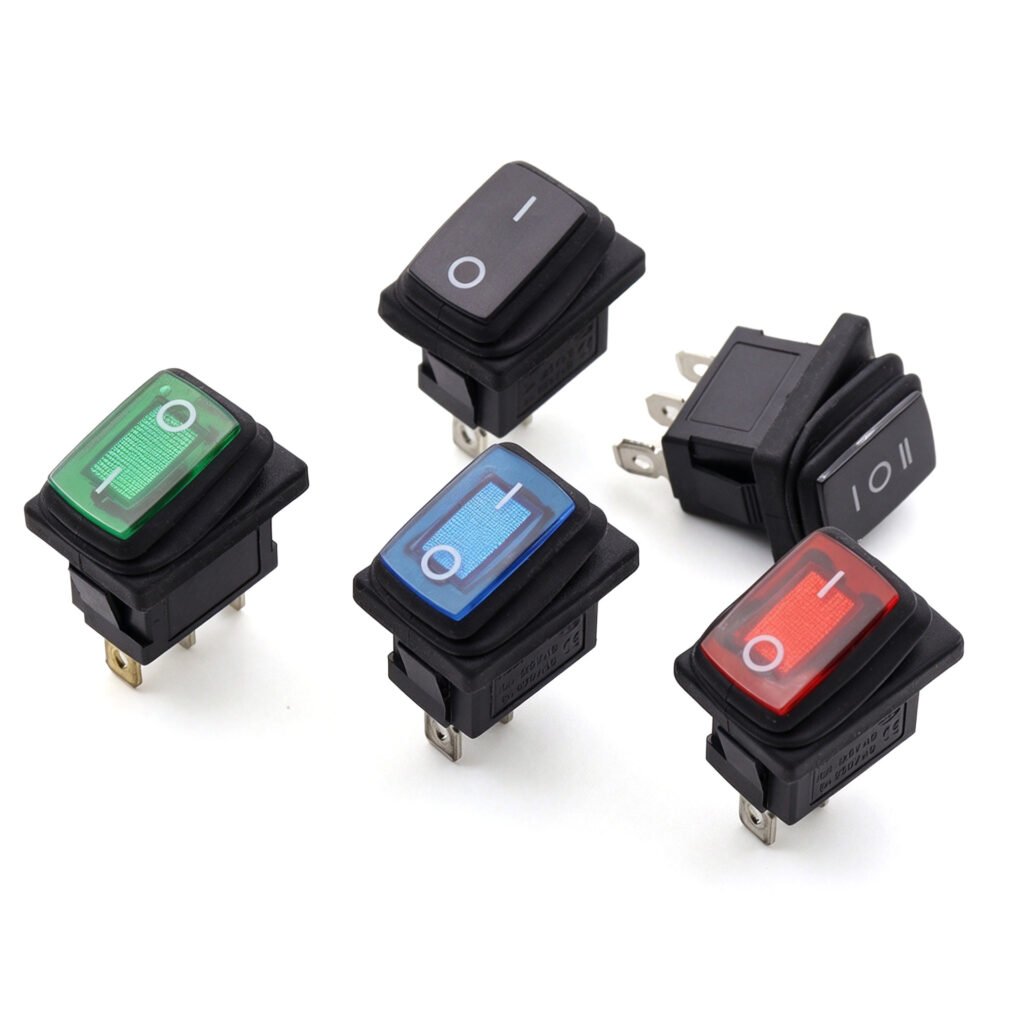
Under the rapid growth of smart manufacturing and Industry 4.0, the electronic switch industry is shifting toward highly automated, intelligent, and data-driven production. The Rocker Switch is a core component used across industrial control, appliances, power tools, and automotive electronics. Its manufacturing is moving away from manual assembly and visual inspection toward fully automated lines and smart test systems. This article explains the automated production flow of the rocker switch, including auto pin insertion, auto spot welding, and auto LED mounting. It also covers the automatic test systems that measure contact resistance, travel, force, and on-time. Finally, it extends to machine vision, flexible manufacturing, data traceability, and closed-loop quality control.
Why a Rocker Switch Needs Automated Production
First, a rocker switch has a complex structure with many precisely matched parts. Traditional manual assembly is slow and hard to control. Therefore, batch consistency often suffers. Moreover, manual work creates quality variation between operators. By contrast, an automated line standardizes each key step. As a result, it delivers both high throughput and high stability. In addition, automation reduces human error at every station.
Automated Assembly Process Overview
The assembly flow combines several robotic stations into one continuous line. Specifically, it joins insertion, welding, and LED placement in sequence. Then, finished parts move to automated inspection. Consequently, the whole process becomes repeatable and measurable. For this reason, B2B buyers increasingly require automated proof of consistency.
Auto Pin Insertion: High-Speed Precision Terminals
Auto pin insertion places metal terminals accurately into the plastic housing or bracket. First, servo positioning and a dual-axis feeder control pick-and-place motions. As a result, insertion happens within milliseconds. Second, a CCD correction system recognizes terminal orientation in real time. Therefore, insertion accuracy exceeds 99.8%. Third, anti-reverse and anti-jam designs prevent wrong or tilted pins. For example, soft grippers and surface-pattern recognition protect the parts. In practice, insertion speed passes 100 pieces per minute. Moreover, depth control reaches ±0.1 mm. Thus, electrical contact quality stays stable across batches.
Auto Spot Welding: Consistent Electrical Connection
Spot welding joins contact pieces to the conductive structure for stable conduction. Typically, resistance welding handles thick copper strips. Meanwhile, laser welding suits fine structures such as silver contacts. In addition, a closed-loop pressure system controls force and time through displacement and pressure sensors. Consequently, weld quality is monitored online by capturing current and voltage waveforms. For instance, one waterproof rocker switch brand used dual-head resistance welding plus AI defect analysis. As a result, weld defects dropped from 1.5% to 0.2%, and line efficiency rose about 35%.
Auto LED Mounting: Precision Indicator Assembly
To add visual indication, tiny LED chips are mounted inside the switch body. First, a vision-guided system detects placement position and corrects XY offset. Then, a high-speed head and constant-temperature curing channel handle 0201 and 0402 chips. Moreover, polarity recognition prevents reverse mounting of the LED. In practice, placement precision reaches ±0.05 mm. Furthermore, speed exceeds 12,000 chips per hour. Therefore, different colors and sizes can share one platform.
Automated Test Systems for Key Parameters
Each finished rocker switch must pass critical performance tests. Specifically, these tests cover contact resistance, travel, force, and on-time. Therefore, automatic test systems protect consistency and reliability.
Automatic Contact Resistance Test
Contact resistance decides the on-off performance of every rocker switch. First, a four-wire method removes lead and contact errors. As a result, measurement accuracy improves. Second, a multi-channel architecture tests 8 to 32 stations at once. Consequently, the line tact time shortens. In addition, built-in temperature compensation keeps results stable in varying humidity.
Travel and Force Testing
Travel and force testing ensures consistent feel and mechanical compliance. First, a laser displacement sensor checks key travel at ±0.01 mm. Meanwhile, a micro force-sensor array records the force curve. Therefore, spring fatigue or mechanism jam can be detected early. Moreover, automatic comparison against a golden sample flags out-of-tolerance units.
On-Time and Bounce Detection
For fast-response uses such as power tools, on-time must stay stable. First, a high-speed logic analyzer measures the millisecond action-to-conduction interval. Then, a bounce-detection algorithm filters false conduction. As a result, unreliable contacts are rejected before shipment.
Machine Vision: Smart Appearance Inspection
Manual visual inspection is slow and inconsistent under poor lighting. Therefore, machine vision upgrades appearance quality control. First, it identifies housing color and coating defects. Second, it measures size and contour deviation. Third, it detects LED offset, missing marks, cracks, scratches, and burrs. For example, one export batch used a vision system at over 240 pieces per minute. Consequently, defect detection reached 99.5% with a false-alarm rate below 0.2%. Moreover, the line removed five manual inspectors from the team.
Smart Manufacturing Extensions
Beyond single stations, the rocker switch line connects to broader systems. First, MES integration stores every test record for traceability. Therefore, abnormal products are intercepted automatically. Second, a flexible platform adapts to single-pole or double-pole structures through module changes. Thus, color and LED mixing become easy on one line. Third, cloud quality analysis predicts maintenance needs. For instance, AI models forecast welder-head aging or camera drift. As a result, root-cause analysis becomes fast and decisive.
Conclusion: Controlled, Measurable, Traceable Quality
The automated production and testing of the Rocker Switch shows how traditional manufacturing upgrades to smart manufacturing. Through auto pin insertion, auto spot welding, and auto LED mounting, assembly becomes efficient and consistent. Combined with intelligent test systems for contact resistance, travel, force, and on-time, electrical performance stays reliable. Furthermore, machine vision and data management give every unit controlled, measurable, and traceable quality. In the future, AI and industrial IoT will drive adaptive manufacturing, predictive maintenance, and full data analysis for high-end electronic components.