Blog
Micro Switch Types, Models, Working Principle and Applications: Complete Guide

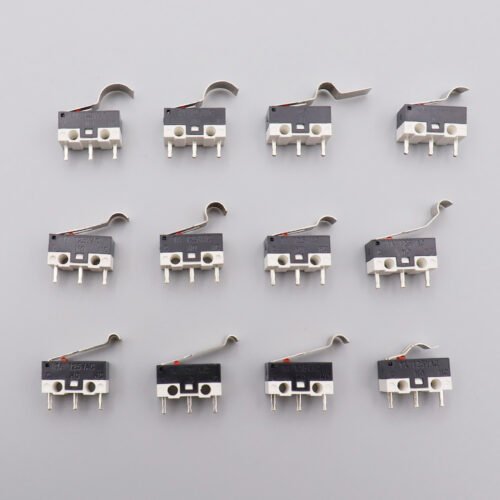
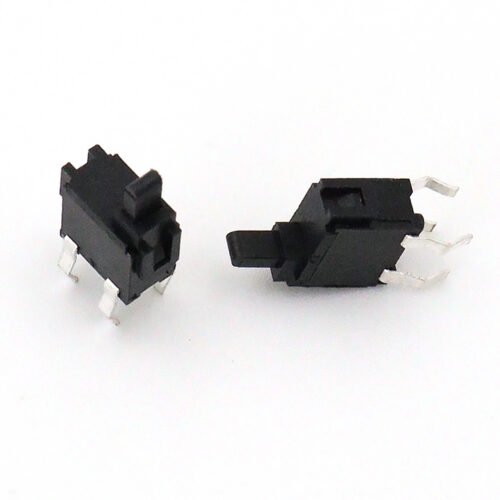
Micro switches are miniature electromechanical components used in countless devices. They appear in home appliances, cars, medical tools and industrial machines. This complete guide explains micro switch types, models, working principle and applications. As a result, engineers and buyers can choose the right part with confidence. Browse our full range of micro switch types and models to start your selection.
Basic Structure and Working Principle of Micro Switches
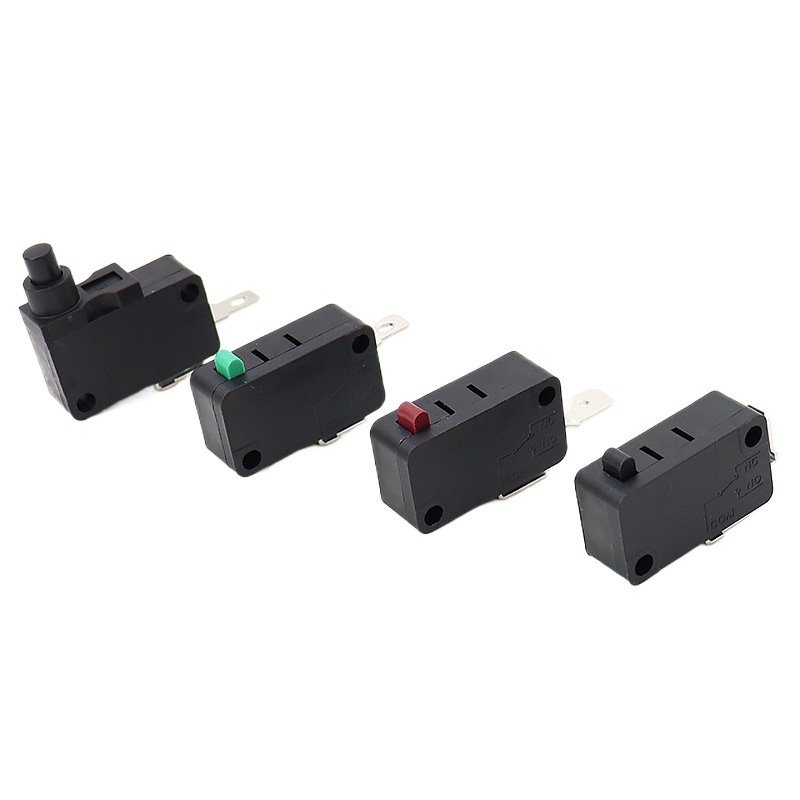
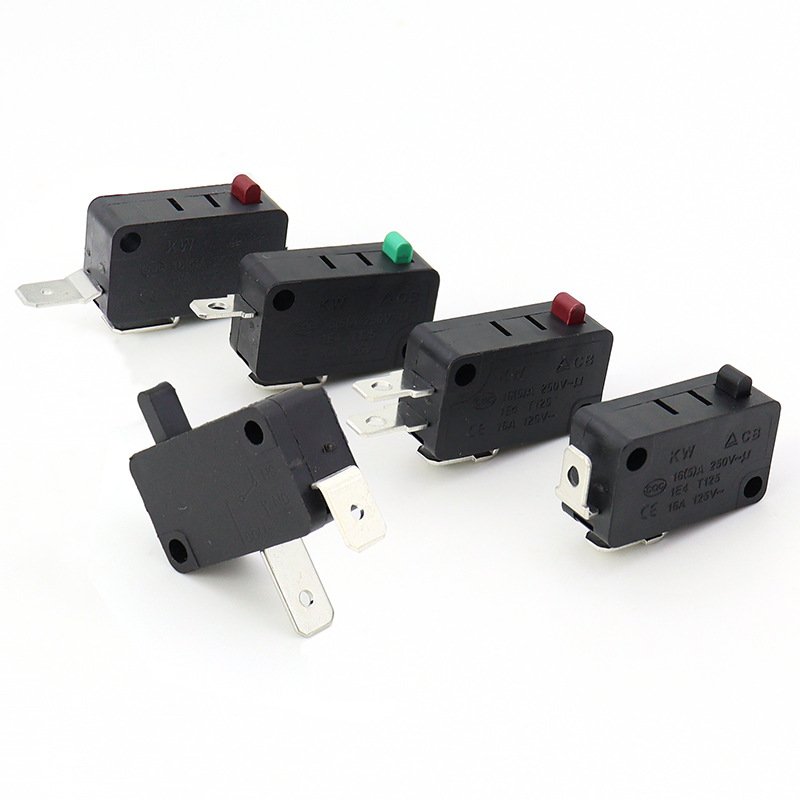
A standard micro switch is a high-sensitivity snap-action switch. It contains fixed contacts, moving contacts, terminals, levers, brackets and a spring plate. The structure is compact and highly integrated. Therefore, it fits easily into tight equipment spaces. Because the contact gap is tiny, the switch responds almost instantly. In addition, the low operating force makes it ideal for sensitive control tasks.
Core Structural Composition
The overall build is small yet precise. Fixed and moving contacts sit at the center of the action. A lever or button transfers outside force to the spring plate. As a result, the device can trigger a circuit with very little travel. This is why the part is also called a sensitive quick-action switch.
Professional Working Principle
The micro switch works through mechanical force and spring triggering. First, external force presses a pin, button, lever or roller. Next, the force travels to the internal spring plate. When the plate reaches its threshold, it snaps instantly. This snap action is independent of pressing speed. As a result, the moving contact connects or disconnects from the fixed contact at once. Consequently, the switch delivers stable, repeatable signal output every time.
Main Types and Classification of Micro Switches
Micro switches vary widely in size, protection, circuit form, current and temperature rating. Therefore, they suit many different environments. The following five dimensions help you classify them clearly.
Classification by Physical Size
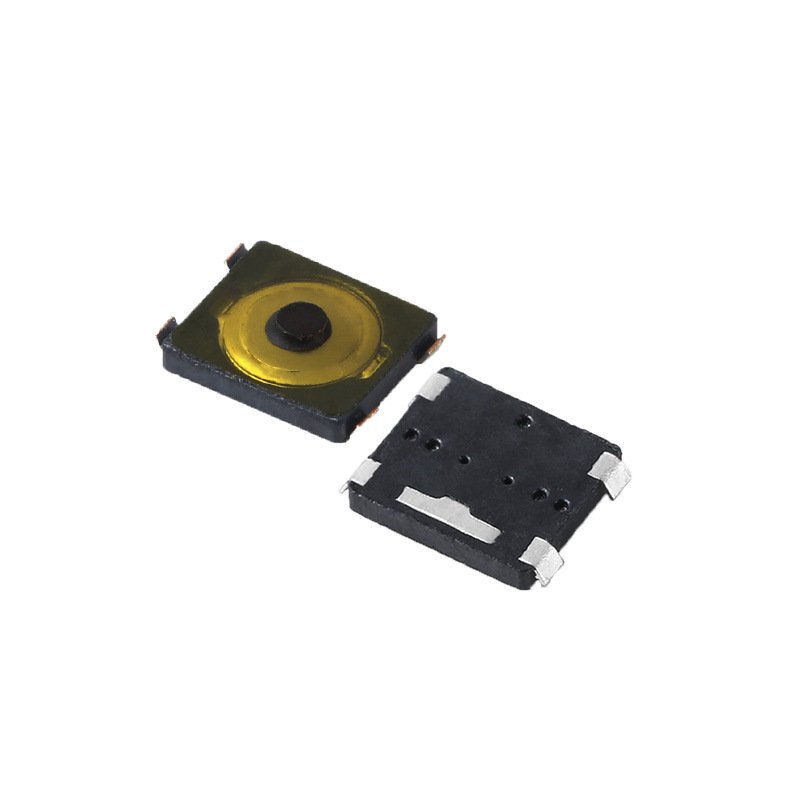
Size is the most basic way to sort micro switch products. There are three main groups: basic, small and ultra-small. Basic models offer stable load capacity for common appliances. In contrast, small and ultra-small models save space. They are widely used in medical instruments, communication devices and car electronics where space is limited.
Classification by Protection Performance
Protection level matters in harsh conditions. There are dustproof, waterproof and explosion-proof types. Ordinary switches fail when dust or moisture enters. However, sealed models resist these problems. For example, waterproof versions protect kitchen and bathroom equipment. Explosion-proof models meet safety standards for high-risk industrial sites.
Classification by Circuit Breaking Form
By circuit control, micro switches split into single, double and multi-group types. Single-group switches control one circuit only. However, modern devices need more. Therefore, double and multi-group models allow several circuits to switch at once. This simplifies internal layouts and supports smart linked control.
Classification by Current Breaking Capacity
Current rating decides the right model for your load. Options include ordinary, DC, micro-current and high-current types. Micro-current switches handle weak signals in precision electronics. On the other hand, high-current models support powerful equipment. Choosing the right rating prevents contact burnout and circuit failure.
Classification by Operating Temperature Environment
Temperature rating defines where a switch can work. Ordinary types suit room temperature. High-temperature models resist up to 250°C. Furthermore, ceramic ultra-high-temperature micro switch types withstand 400°C. They serve industrial ovens and high-heat home appliances reliably.
Wide Applications of Different Micro Switch Models
Despite their small size, micro switches adapt to many fields. They handle sensing, position detection and signal control across products. Explore our automotive and appliance micro switch solutions built for reliable performance.
In home appliances, micro switches control rice cookers, air fryers, kettles, dishwashers and fans. They manage temperature, door status and function switching. In cars, they appear in door locks, trunk switches, gear shifters and EV charging guns. In public systems, they power vending machines, ETC gates and security alarms. Moreover, they are essential in industrial automation and medical devices.
How to Choose the Right Micro Switch
Choosing correctly improves stability and extends product life. First, define your environment: dust, water or heat? Next, match the current and circuit form to your design. Finally, confirm the size fits your enclosure. By following these steps, you reduce failure risk and gain consistent performance.
Conclusion
Micro switch types and models cover size, protection, circuit, current and temperature. Their compact build and fast response make them vital in modern devices. Therefore, selecting the right model is key to reliable operation. As core sensing parts, they will keep supporting smarter appliances, cars and machines.
Frequently Asked Questions About Micro Switches
Q1: What are the main types of micro switches?
Micro switches are classified by size, protection, circuit form, current and temperature. Common types include ultra-small, waterproof, dustproof, multi-group, high-current and high-temperature models.
Q2: What is the difference between micro-current and high-current micro switches?
Micro-current switches sense weak signals in precision electronics. In contrast, high-current models support powerful equipment and bear larger loads. Using the wrong type risks contact burnout.
Q3: What is the maximum temperature resistance of industrial micro switches?
Standard high-temperature models resist 250°C. However, ceramic ultra-high-temperature types work steadily at 400°C. They suit high-heat industrial and appliance applications.
Q4: Where are waterproof micro switches commonly used?
They protect equipment in humid places. For example, they appear in kitchen appliances, bathroom products and outdoor charging stations. As a result, moisture cannot cause failure.