Blog
Micro Switches in Microwaves: Safety Interlock Guide


Micro Switches in Microwaves: Working Principle & Safety Interlock Mechanism
A micro switch is the silent safety guardian inside every microwave oven. While users enjoy fast heating, few know that micro switches control the door interlock and cut power to stop leakage. This article explains how a microwave works and how its three-core interlock micro switch system protects you.
How a Microwave Oven Works
A microwave oven heats food with high-frequency electromagnetic waves. The magnetron creates microwaves at about 2.45 GHz. The waveguide then guides these waves into the cooking cavity. Finally, the food absorbs the energy through molecular friction, which generates heat from the inside out. Therefore, the three core parts are the magnetron, the waveguide and the cavity.
Why Micro Switches Guard the Microwave
Microwave leakage is the top safety worry for users. For this reason, makers build a multi-level protection system. Among all parts, the micro switch interlock is the most critical active barrier. It senses the door state and stops the magnetron the moment the door opens, preventing radiation from escaping.
The Three-Core Door Interlock System
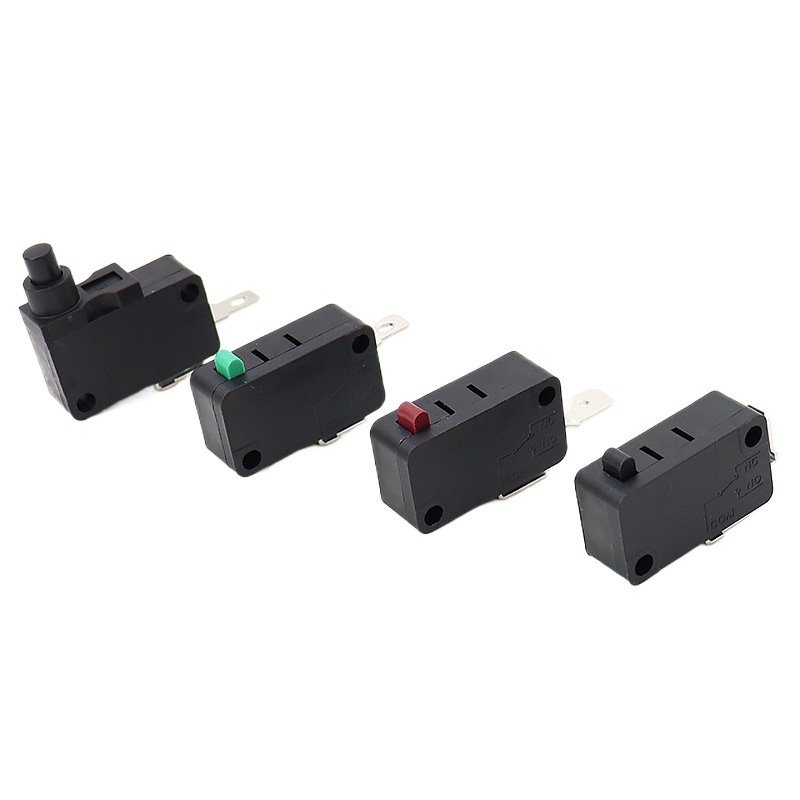
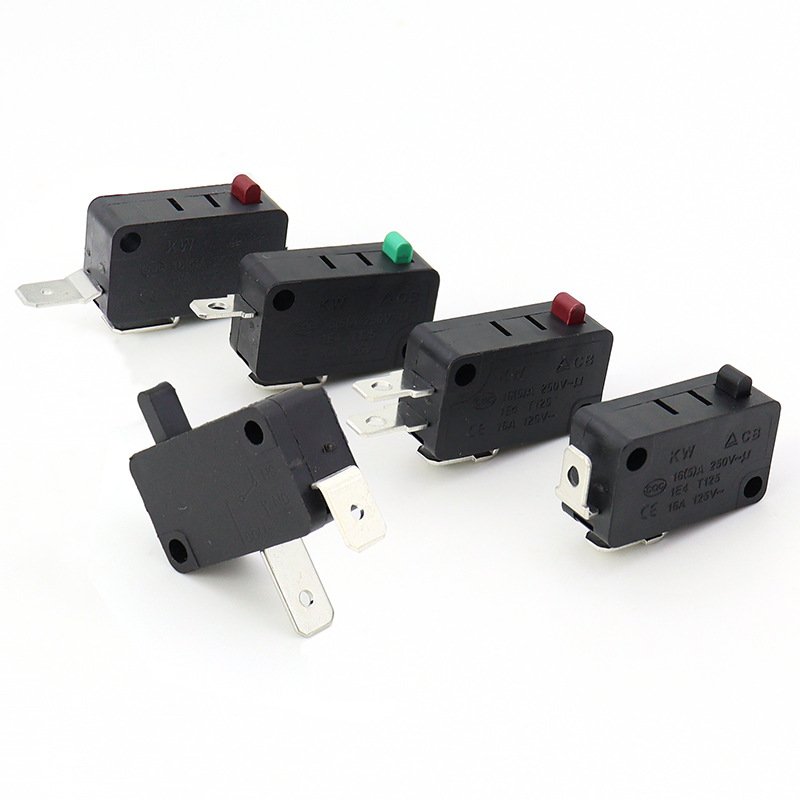
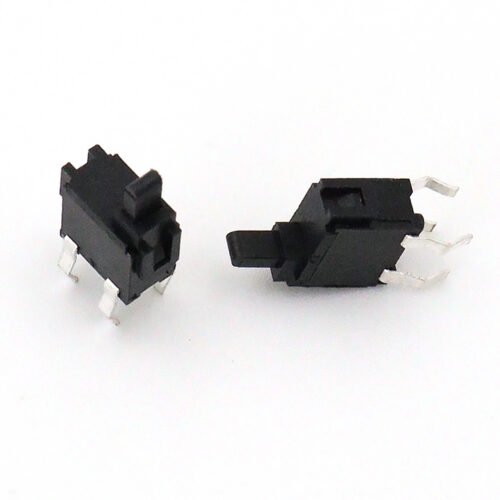
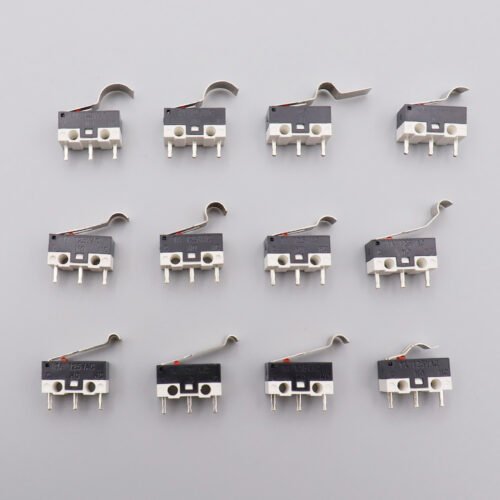
A standard microwave uses a three-core interlock built from micro switches. The first is the primary interlock switch, which opens when the door opens. The second is the secondary interlock switch, which gives a backup cut-off. The third is the monitoring switch, which acts as the final safety net. Together, they form a reliable fail-safe chain that no single fault can defeat.
Door Closing and Opening Operation Logic
When you close the door, the latch presses the primary and secondary micro switches closed. As a result, the control board can start the magnetron and begin heating. In contrast, when you open the door, both switches spring open at once. This instantly removes power from the magnetron, so no microwave energy can leak out during loading or unloading.
The Fail-Safe Monitoring Micro Switch
The third monitoring micro switch is the ultimate barrier. If the main and secondary switches fail and stay closed while the door is open, the monitoring switch detects this abnormal conduction. Then it triggers a front-end short-circuit protection action. Consequently, the microwave cuts its main power, locks itself in an unstartable fault state, and fully avoids radiation leakage caused by switch failure.
Conclusion
A micro switch is far more than a simple on-off part in a microwave. Through the three-core interlock, it guards against leakage and locks the device when something goes wrong. Always keep the door seals and switches in good condition, and never bypass the interlock during repair.
FAQ
Q1: What does a microwave door micro switch do?
A: It senses the door state and cuts magnetron power the instant the door opens, stopping microwave leakage and protecting the user.
Q2: Why are there three interlock switches?
A: The primary and secondary switches cut power on opening, while the third monitoring switch provides fail-safe short-circuit protection if the first two fail.
Q3: Can I bypass the interlock to test a microwave?
A: No. Bypassing the interlock removes the leakage protection and is extremely dangerous. Always use proper service tools and procedures.
Q4: What safety standard governs microwave interlock systems?
A: All microwaves must comply with IEC regulations, which require at least one qualified door interlock safety device to ensure user safety.