Push Button Switch Sustainability: Eco Design & Green Manufacturing Future
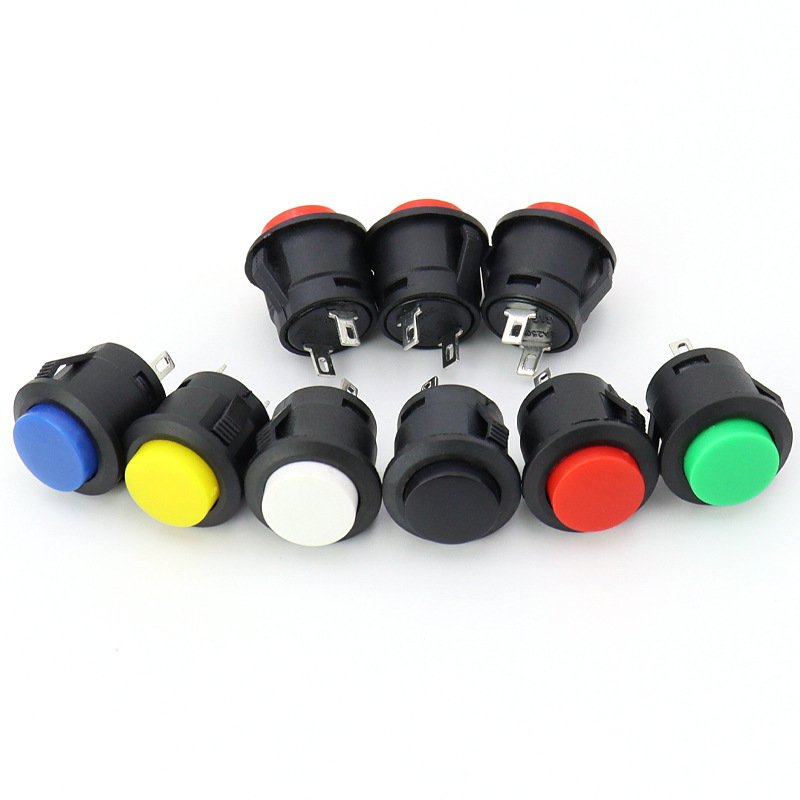
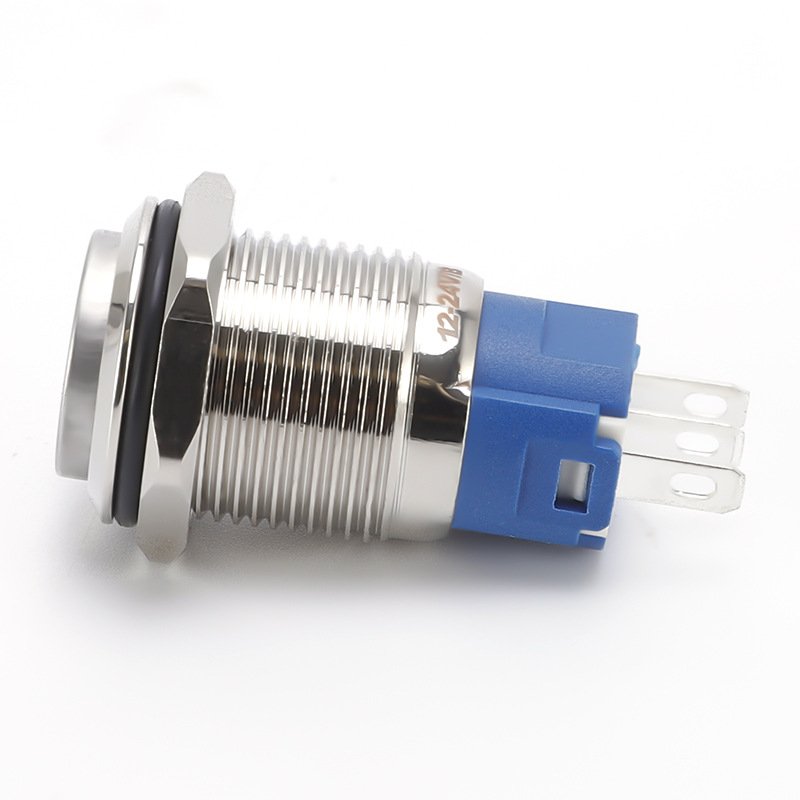
Manufacturers use push button switches in countless devices, from industrial panels to medical tools and car electronics. Today, global carbon goals and green manufacturing push the industry to change. As a result, push button switch sustainability has become a key design direction. B2B buyers no longer judge a switch only by price and performance. Instead, they weigh material safety, recyclability, lifecycle carbon, and regulation compliance. Therefore, this article explains four pillars of sustainable design: materials, structure, regulation, and lifecycle management, also called LCA.
Lead-Free and Eco-Friendly Material Upgrades
Traditional push button switches often contain lead, cadmium, and hexavalent chromium in solder, plating, and plastic. Modern standards no longer accept these hazards. Therefore, lead-free materials now lead the market.
Lead-Free Solder and Plating Substitutes
First, early switches used lead-tin solder for low cost and reliability, but lead harms health and the environment. Today, makers use lead-free tin-silver-copper alloys, tin-copper blends, and green fluxes. For example, many industrial push button switches now use fully lead-free terminals that meet RoHS.
Eco-Friendly Contact Plating
Second, silver-cadmium oxide (AgCdO) was common for arc resistance, yet cadmium is a toxic heavy metal. New plating uses silver-tin oxide (AgSnO2) and silver-nickel (AgNi). These match or exceed AgCdO in life and wear. For instance, power-control switches now adopt AgSnO2 as the mainstream contact.
Green Plastic Transition
Third, halogenated flame retardants release toxic gas when burned and resist recycling. Makers now choose halogen-free nylon, recycled PC, and regenerated PBT. These meet fire rules and green laws. Moreover, many B2B specs now demand halogen-free plastic parts that comply with REACH. This shift supports push button switch sustainability across the supply chain.
Recyclable Structural Design Trends
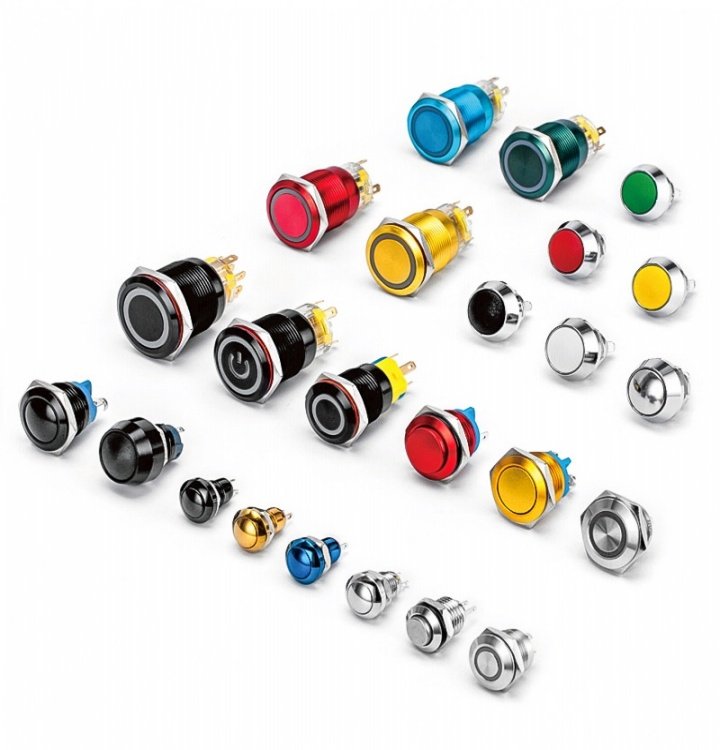
In lifecycle management, easy disassembly and recovery now define green design. Old switches mixed materials in one mold, which raised cost and blocked recycling. New trends favor parts that are easy to take apart and easy to recover. For compliant options across the range, browse our push button switch catalog.
Modular Design
First, modular design splits the shell, actuator, contacts, LED, and terminals into separate blocks. This eases later sorting and reuse. For example, premium industrial switches use clip-in modules, so users replace only the LED unit, not the whole switch. This cuts waste and carbon.
Monomaterial Design
Second, fewer material types improve recyclability. Designers use one plastic instead of mixed ones and avoid permanent metal-plastic bonds. They also prefer clips over glue or welds. Therefore, this design for recycling idea spreads fast, especially in Europe and Japan.
Remanufacturing-Ready Design
Third, standard parts let a switch be rebuilt after retirement. Makers offer replaceable LED modules, caps, and housings with tamper-proof yet open clips. For example, some rail emergency-stop switches only need a contact swap at end of life, while the base keeps cycling. This greatly reduces scrap.
Compliance with Global Environmental Regulations
Market entry keeps rising, so B2B buyers check supply-chain compliance closely. Switch materials and processes must pass strict certification.
RoHS and REACH Requirements
First, RoHS limits lead, cadmium, mercury, hexavalent chromium, and brominated flame retardants. REACH controls chemicals in plastics, glues, and coatings. As a result, solder and plating must stay lead- and cadmium-free. In addition, plastics must stay halogen-free and low-VOC. Finally, makers must choose chrome-free surface treatment.
WEEE and Recycling Rules
Second, WEEE demands design for disassembly and recovery. This drives more modular structures, standard tools, and material labels that speed sorting.
Industry-Specific Rules
Third, each sector adds its own bar. Medical needs FDA and ISO 13485 with no toxic contact. Automotive requires IATF 16949 and IMDS. Industrial and energy seek CE and CB for global access. Increasingly, RFQ files state that products must meet RoHS, REACH, WEEE, and carbon accounting.
Carbon Footprint and Life Cycle Assessment (LCA) in Procurement
Sustainability goals and carbon-peak policies push B2B buyers to value supplier emissions and full lifecycle care.
Why LCA Matters
First, Life Cycle Assessment measures carbon and impact from raw material, production, shipping, use, to recycling. For push button switches, it covers material making, process energy, packaging, in-use power such as LED drain, and end-of-life rate. With LCA data, buyers see the true carbon footprint and score it in sourcing.
Low-Carbon Manufacturing Actions
Second, makers cut footprint in clear ways. They use recycled plastic and low-energy metal. They tune stamping and injection with energy management. They localize supply and lighten packaging. They also ship low-power LEDs and efficient circuits.
B2B Procurement Trends
Third, large OEMs prefer suppliers with carbon accounting and LCA reports. Buyers now weigh total cost of ownership, not just price. In tenders, LCA compliance becomes a plus or even a hard gate. For example, a European energy firm required LCA reports and picked a recycled-plastic switch brand with a carbon system.
Future of Push Button Switch Sustainability: A Competitive Edge
Eco design is no longer just a compliance bar. It is a way to build brand value and win markets. Therefore, future switches will show zero-pollution, high-recovery materials; easy-disassembly, remanufacturable structures; low-carbon, transparent supply chains; and digital, full-life carbon tracking.
Conclusion
Under tighter laws and faster green manufacturing, the push button switch industry is transforming. It is moving from material to design, and from build to buy. B2B buyers now ask more than whether it works. They ask whether it is green, low-carbon, and recyclable, and whether it helps their ESG goals. For models built with recycled materials and low-carbon processes, see our push button switch range. In short, push button switch sustainability rewards the suppliers who act first. They deliver truly green switches to the global market.