

Blog
Push Button Switch Wiring & Mounting Methods: A Complete Industrial Guide

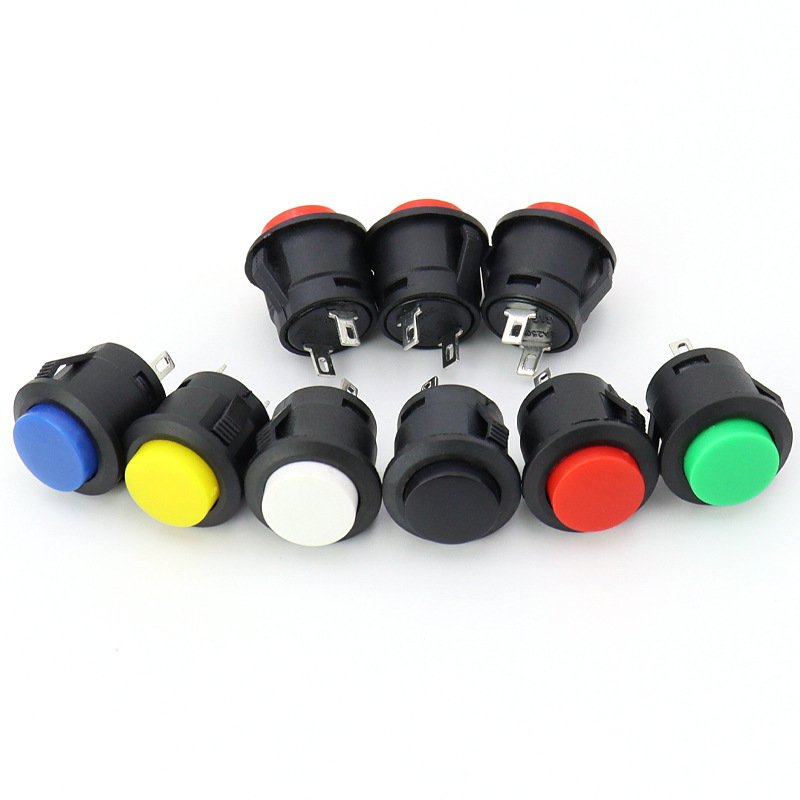
Push Button Switch Wiring & Mounting Methods: A Complete Industrial Guide
A Push Button Switch is a key human-machine interface in industrial machinery, medical devices, automotive electronics, and appliances. However, its internal wiring and external mounting directly decide assembly speed, stability, and long-term cost. This guide explains mainstream wiring types, mounting methods, automation fit, and selection tips for engineers and integrators.
Main Wiring Types of a Push Button Switch
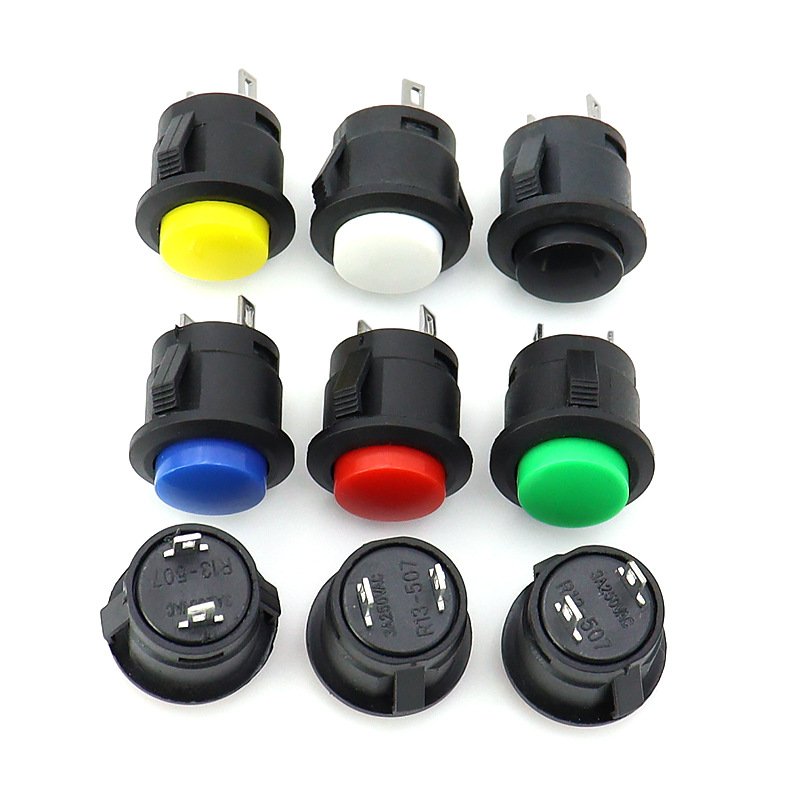
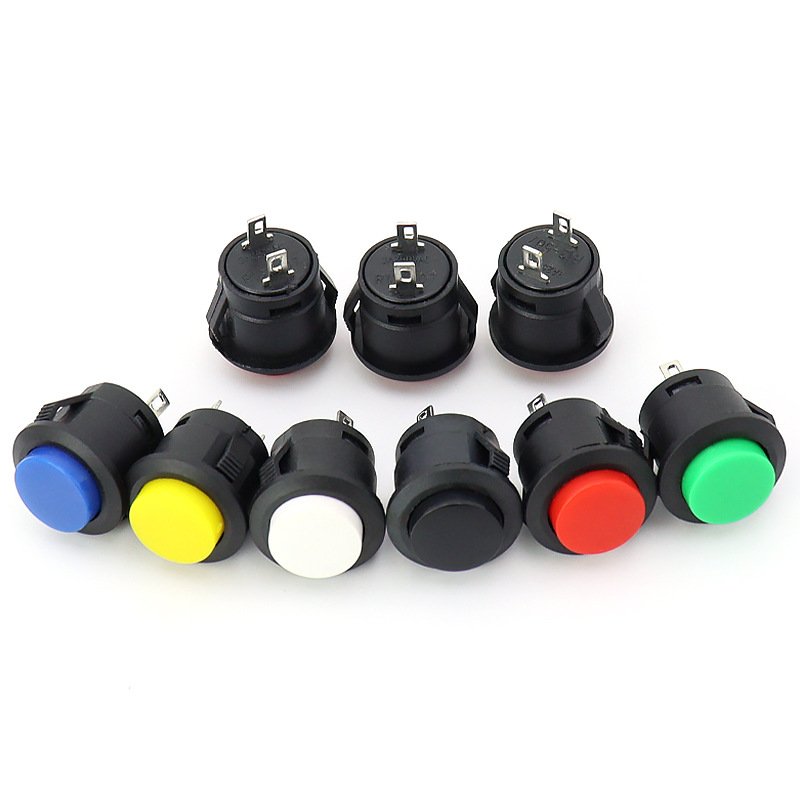
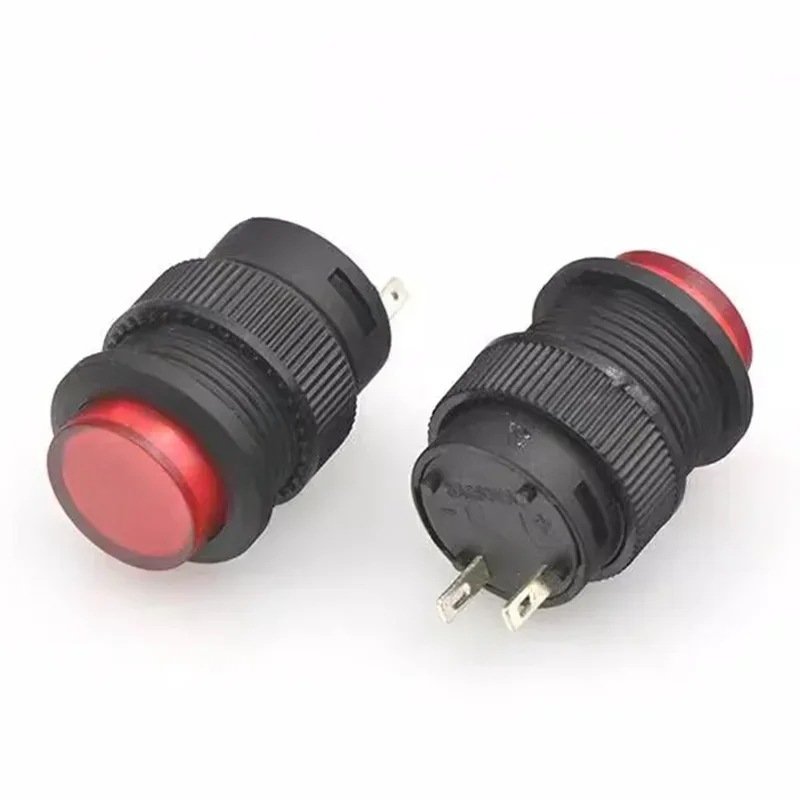
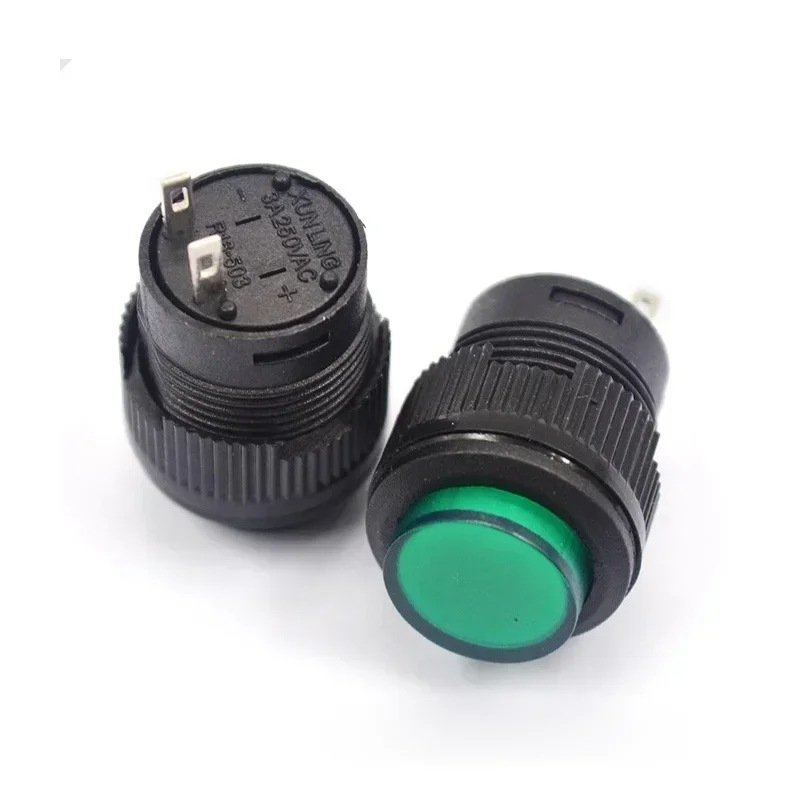
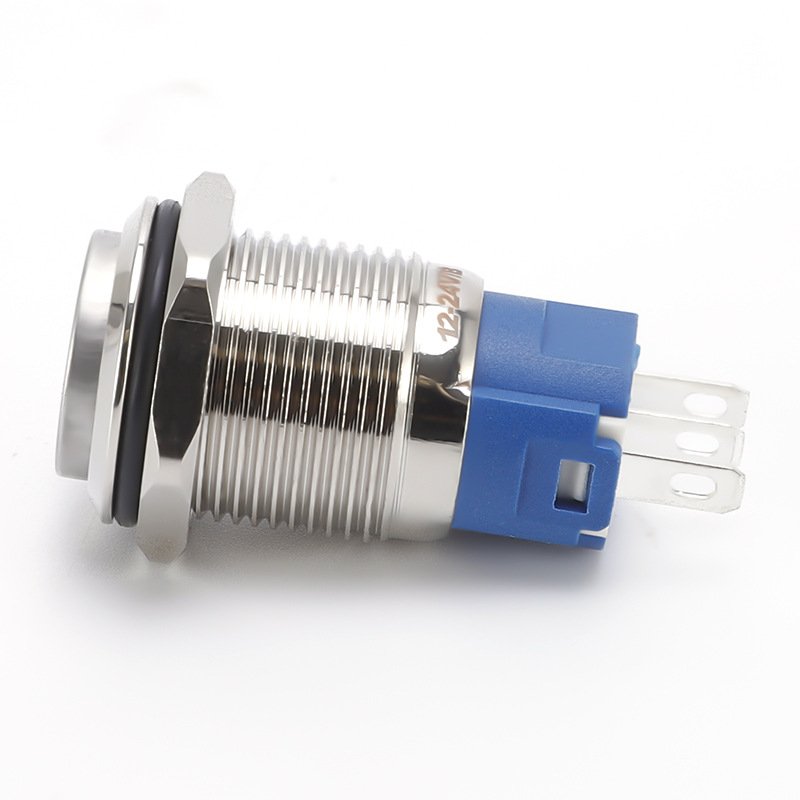
Four wiring methods dominate the industry. First, pin terminal wiring is the most popular for automated production. It uses exposed metal pins that solder directly to a PCB or connect through wire harnesses. As a result, it offers strong vibration resistance and stable conductivity.
Because of its standard shape, pin terminals support SMT and robotic insertion. They are widely used in smart home panels, medical monitors, and PLC systems. For high current, designers should use tinned thickened pins and match pin length to PCB holes.
Screw and Quick-Connect Push Button Switch Wiring
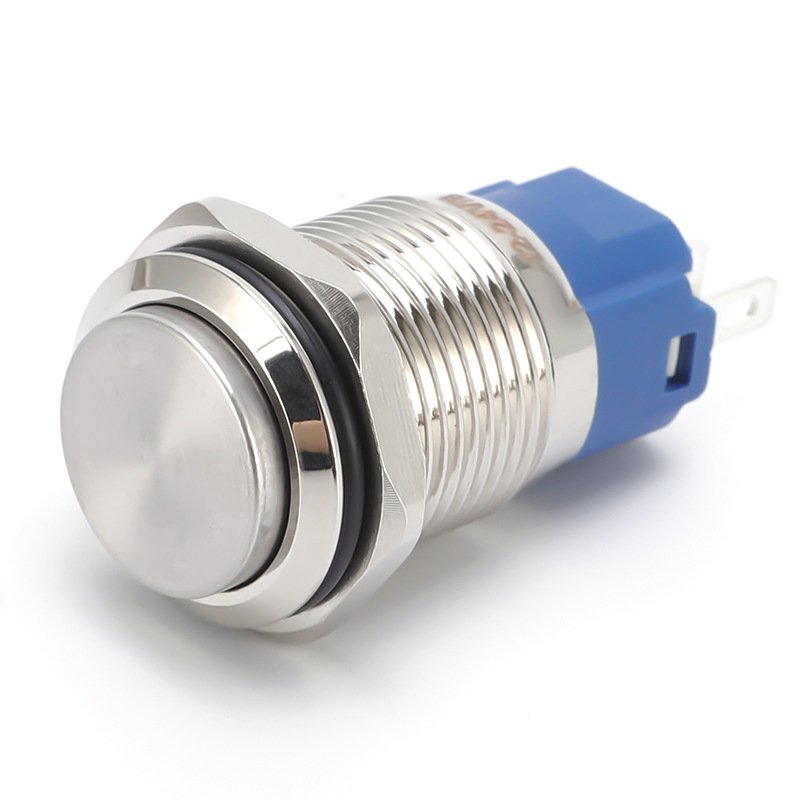
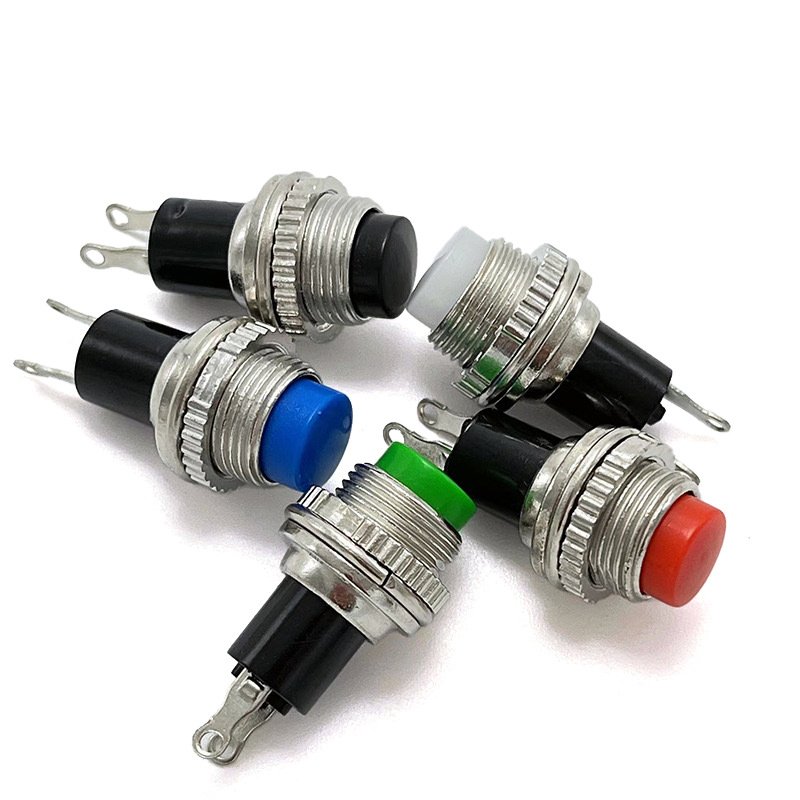
Screw terminal wiring is the high-reliability choice for heavy industry. It crimps wires with a screw, creating a firm joint that resists loosening under vibration. Therefore, it suits CNC machines, rail transit, and new energy cabinets. Nickel-plated brass screws and anti-loosening gaskets further improve durability.
In contrast, quick-connect Faston terminals use a standard pluggable interface for tool-free assembly. They are ideal for automotive panels, vending machines, and alarm systems that need frequent service. Meanwhile, solder wire terminals fix wires by hand or semi-auto soldering, fitting compact medical and low-cost appliance designs.
Push Button Switch Mounting Methods Compared
Three mounting methods define fixation and panel fit. Snap-in mounting uses elastic clips to lock the switch without extra fasteners. It supports fast automated assembly, but needs fatigue-resistant plastic in vibration-heavy use. For example, it is common in consumer electronics and precision instruments.
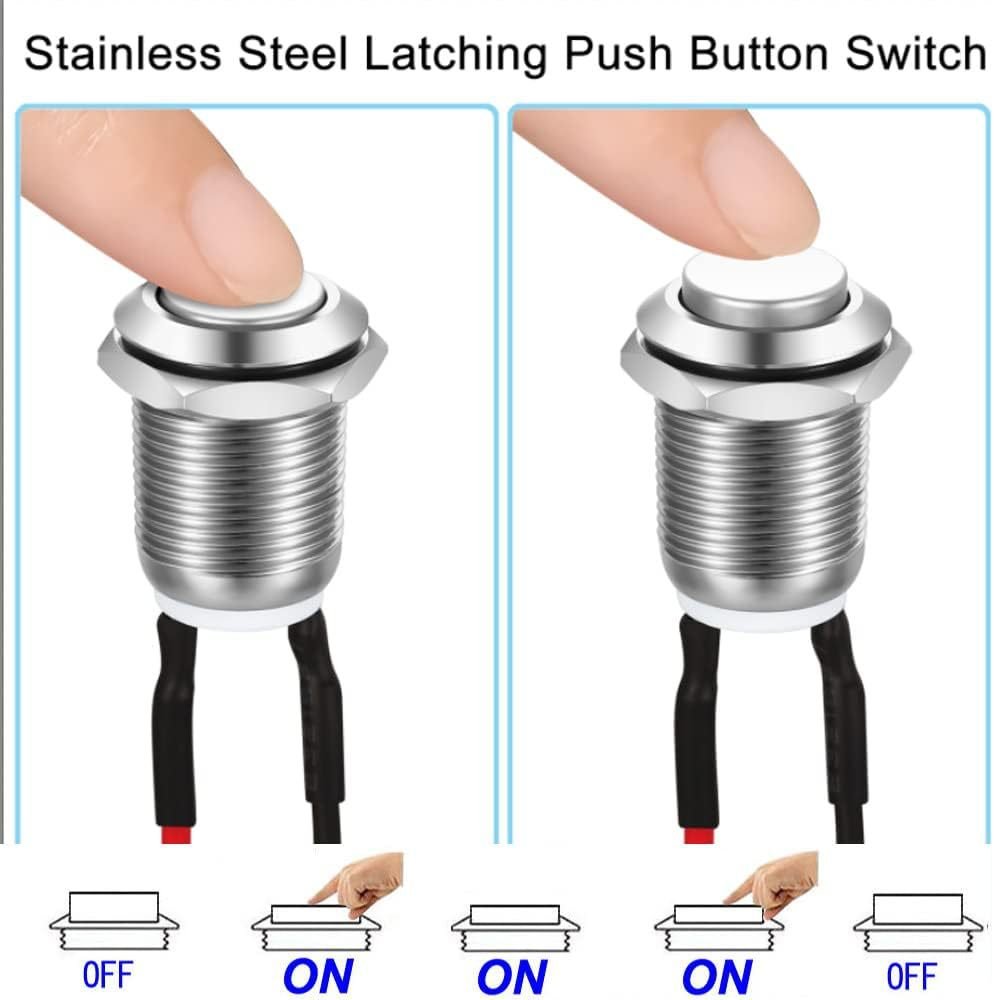
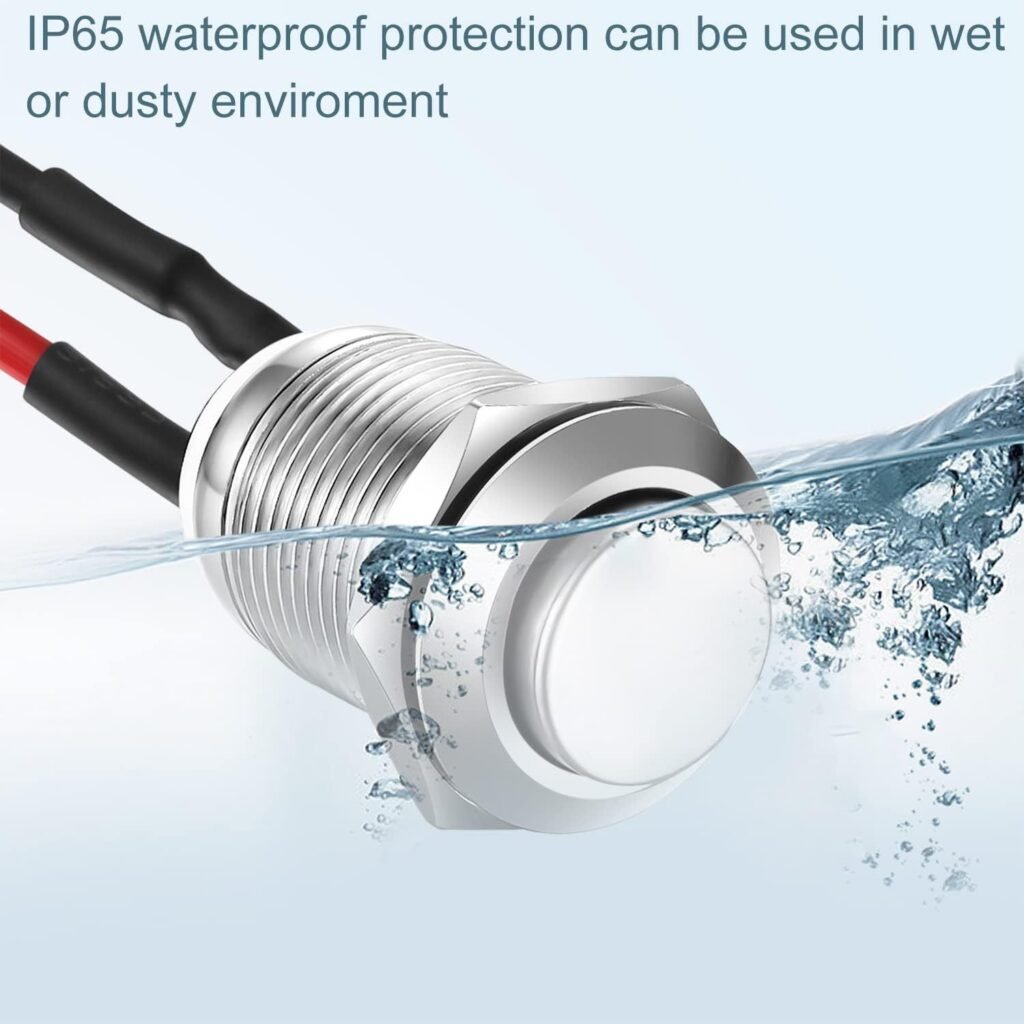
Thread mounting and nut locking are built for high-protection industry. Standard threads cooperate with locking rings to fit various panel thicknesses. In addition, matching sealing rings upgrade waterproof and dustproof performance. Nut locking gives the strongest hold for aerospace, surgical, and heavy machinery use.
Automated Assembly and Push Button Switch Selection
Modern lines prioritize standard pin spacing, modular structure, and tool-free mounting. Therefore, these features cut manual work and support robotic installation. For instance, pin terminals with snap-in mounting are the mainstream for smart home mass production. Similarly, Faston terminals with nut locking balance efficiency and reliability in automotive manufacturing.
How to Choose the Right Push Button Switch Configuration
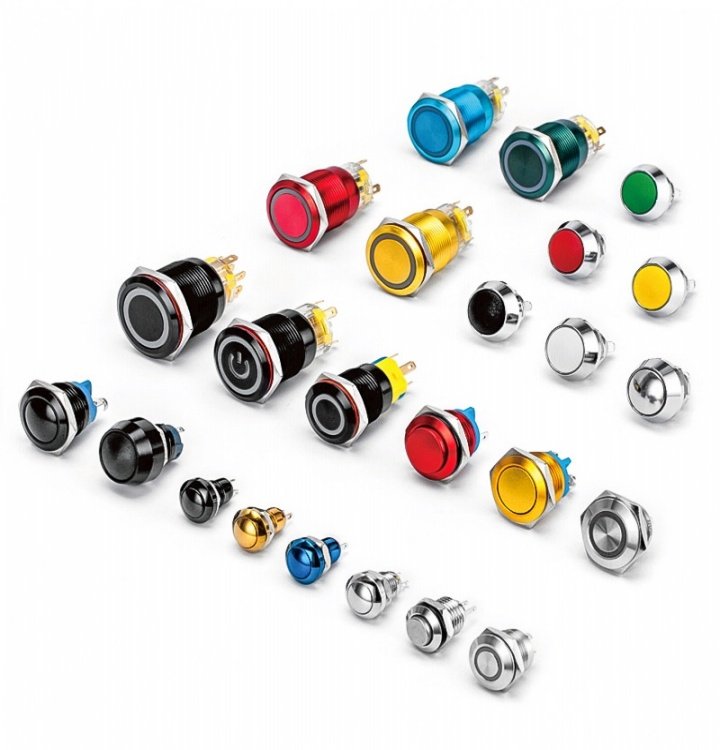
Scientific matching improves product competitiveness. Pin and snap-in suit standardized mass production. Screw and nut locking meet high-reliability industrial demands. Solder wire fits compact low-cost devices, while quick-connect optimizes maintenance. By weighing process, environment, and standards, you can customize a stable, efficient, and cost-effective solution. You can review the full Push Button Switch range to match your application.
Conclusion
Wiring and mounting are not minor details. They determine how well a push button switch performs in the field. Overall, with the right combination, manufacturers gain better stability, faster assembly, and lower total cost.
FAQ
Q1: Which push button switch wiring is best for automation?
Pin terminal wiring is best because it supports SMT and robotic insertion, which speeds up mass production and lowers unit cost.
Q2: When should I use screw terminal wiring?
Use screw terminals for high-vibration, high-current industrial equipment such as CNC machines, rail systems, and power cabinets.
Q3: What is the difference between snap-in and nut locking mounting?
Snap-in uses clips for fast tool-free assembly, while nut locking uses threads and rings for stronger, sealed fixation in harsh environments.

2 thoughts on “Push Button Switch Wiring & Mounting Methods: A Complete Industrial Guide”