Blog
Medical Grade Rocker Switch: IEC 60601-1 Leakage Current and Reliability

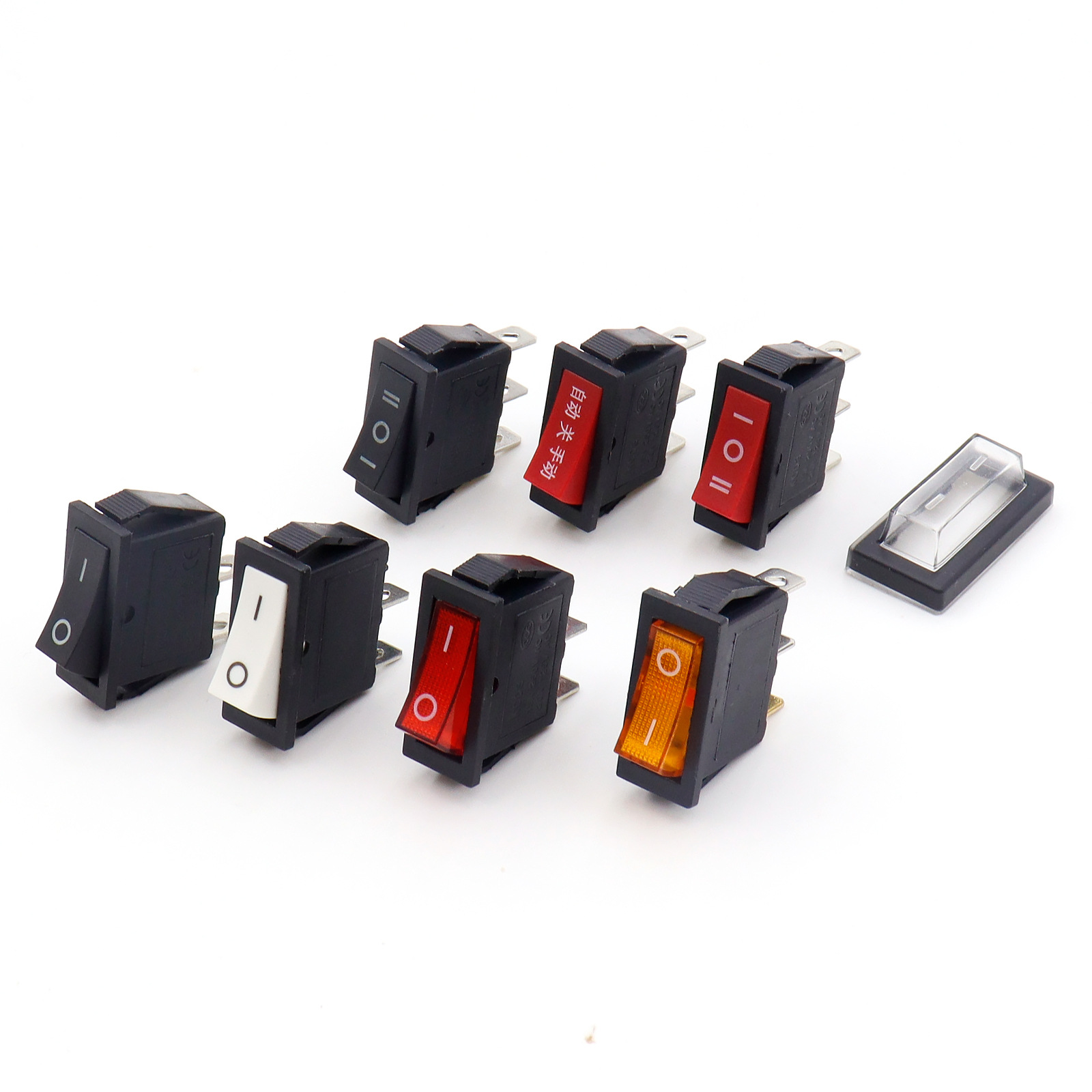
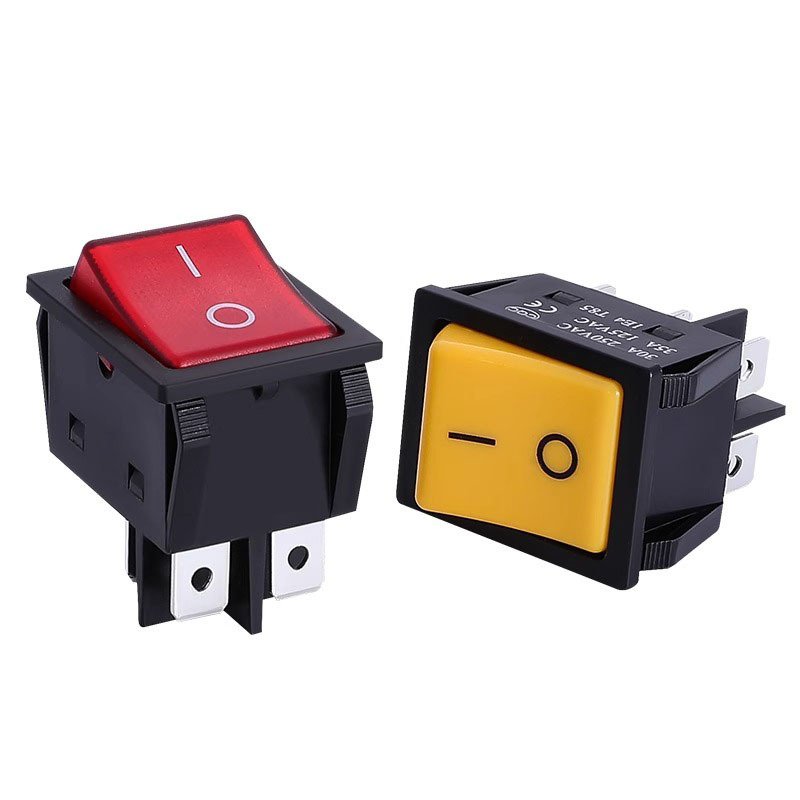
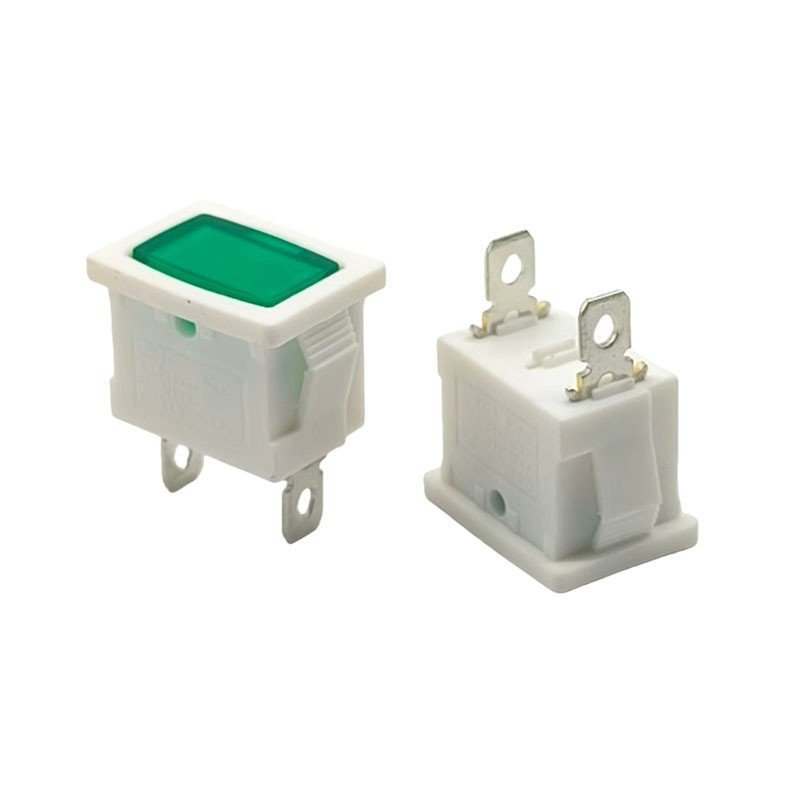
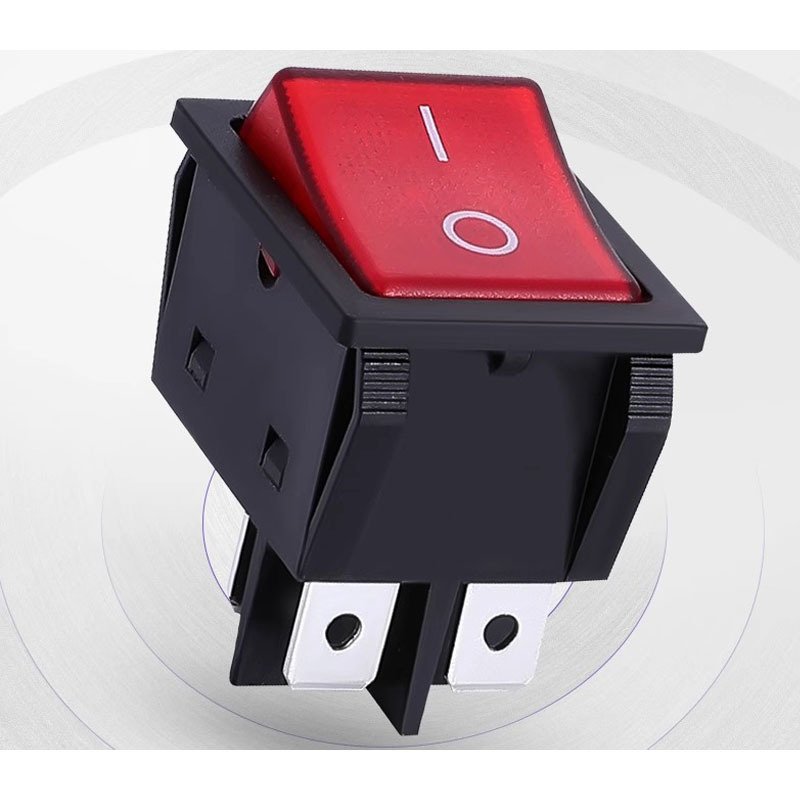
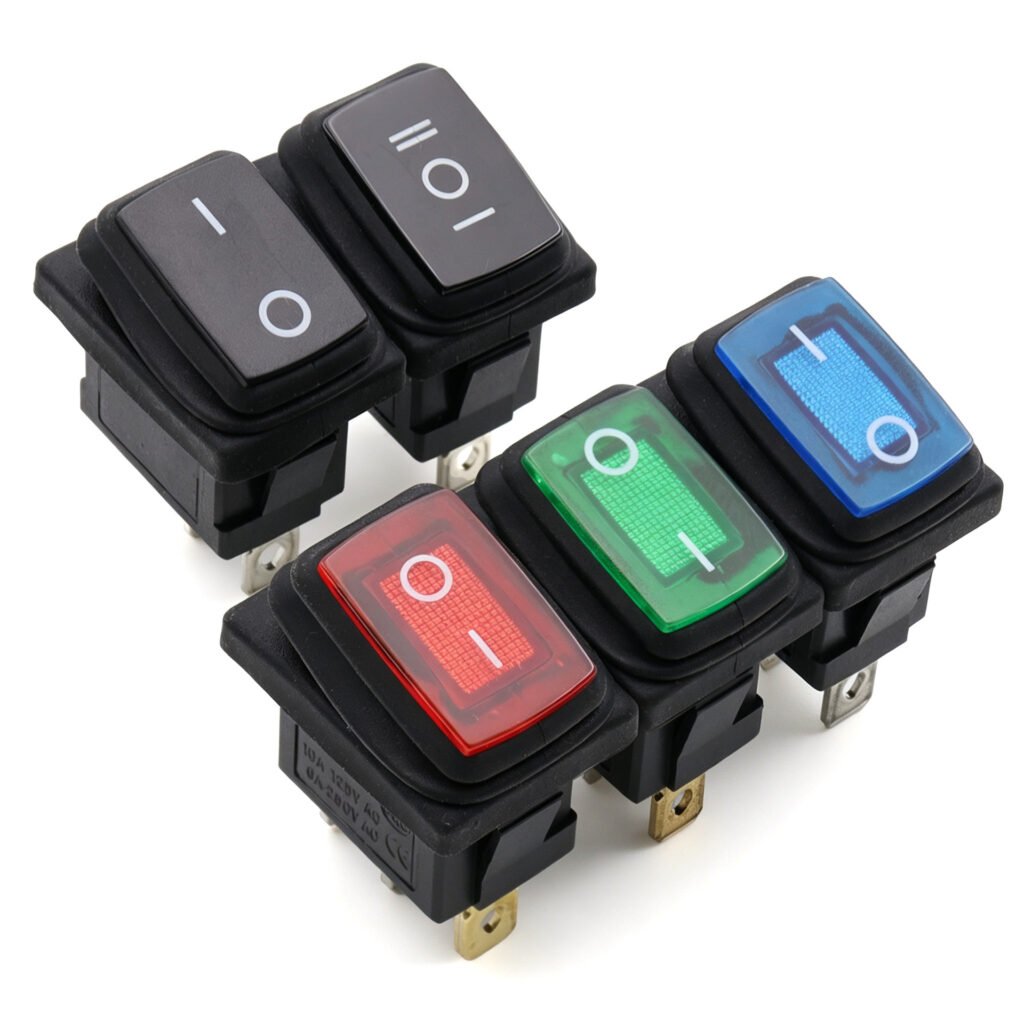
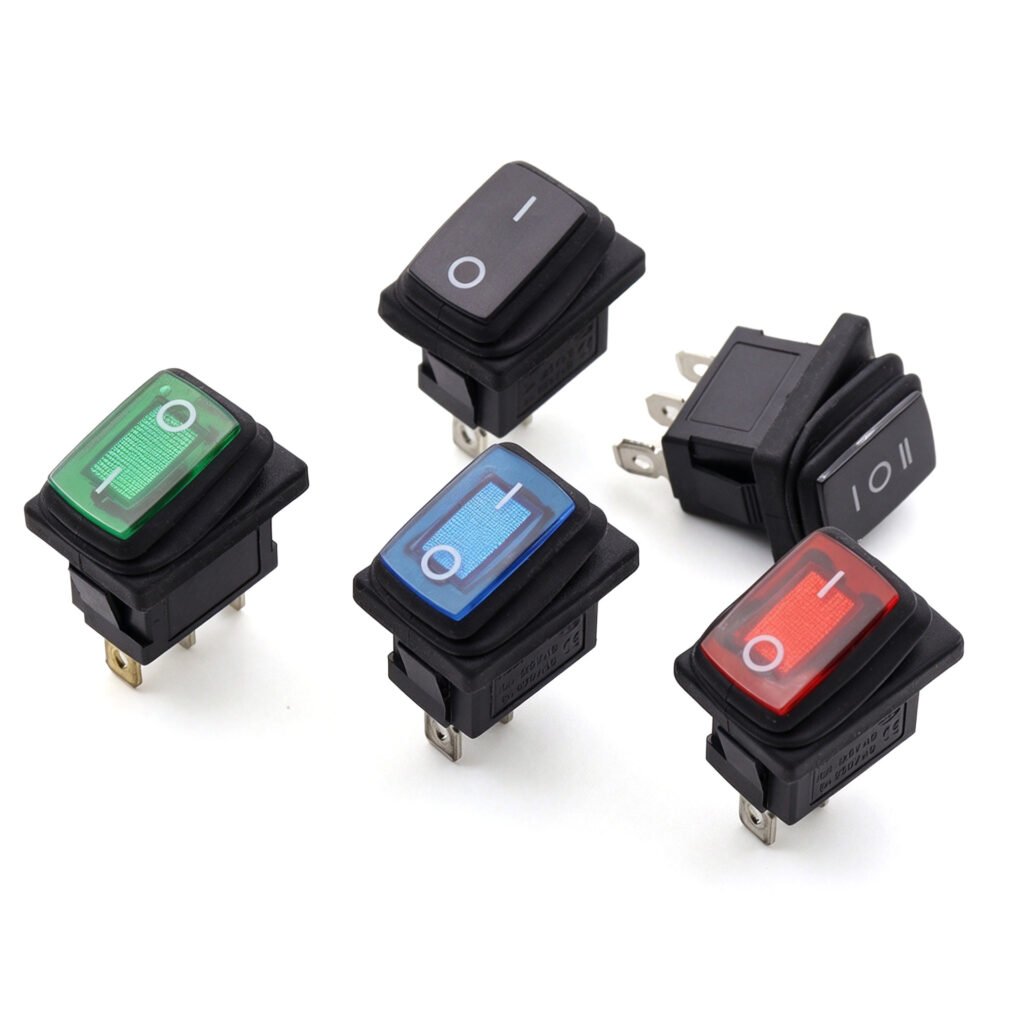
In medical equipment, a rocker switch is never just an operator control. It sits on life-support devices such as ventilators and dialysis machines, and on diagnostic instruments including ultrasound units and endoscopes. Its electrical safety directly affects both patients and clinical staff. IEC 60601-1 sets demanding requirements for leakage current, insulation strength, and mechanical durability. Leakage current control and insulation system design therefore become the central compliance challenge for any medical grade rocker switch. This article works through material selection, structural optimization, and process verification. It also covers the environmental realities that medical switches face, including frequent disinfection and sustained high humidity. A dialysis machine case study and real failure modes close the discussion.
Leakage Current Limits and High-Risk Scenarios
Three Categories of Leakage Current
IEC 60601-1 divides leakage current into three categories, and a medical switch must satisfy all of them. Earth leakage current stays at or below 0.5 mA in normal condition and 1 mA in a single fault condition. Enclosure leakage current stays at or below 0.1 mA normally and 0.01 mA on patient-contact parts. Patient leakage current is the most demanding, at 0.01 mA DC and 0.1 mA AC for type CF equipment.
Where Failures Actually Come From
Three mechanisms drive real-world problems. High-frequency disinfection attacks insulation first. Ethanol and hydrogen peroxide ingress cause insulation material swelling. PA66 water absorption rising from 1.8% to 3.5% can drop insulation resistance from 1012 Ω to 108 Ω. High humidity follows, because operating room humidity stays at or above 70% year-round. Insufficient creepage distance between contacts and housing then triggers flashover. Mechanical fatigue completes the sequence, since emergency equipment switches see more than 200 presses per day. Repeated operation deforms the gasket until the protection level drops from IP67 to IP54.
Insulation Design Essentials for Medical Grade Rocker Switches
Material Selection: Dielectric Strength Meets Chemical Resistance
Base materials determine the ceiling. PPS (polyphenylene sulfide) leads for housings because its CTI reaches 600 V or higher. It also resists disinfectants far better than PC or ABS. Insulating partitions use ceramic-filled epoxy resin such as FR-4 substrate, which extends arc erosion time five times over ordinary plastics. Contact material matters as well. AgSnO₂ (silver tin oxide) reduces oxidation rate by 70% compared with pure silver in humid environments, which avoids the oxide film that raises contact resistance. A contact plating of gold at 0.5 μm or more further suppresses sulfide-driven leakage current fluctuation. For the broader trade-off picture, our plating comparison of silver, gold, and nickel on a Rocker Switch contact covers the options in detail.
Structural Design: Creepage Distance and Clearance Control
Isolation follows a two-barrier approach. Inside the switch, basic insulation separates contacts from the metal housing with a distance of 3.0 mm or more at a 250 V rated voltage. Supplementary insulation adds a polyimide film at 0.2 mm thickness and 4 kV withstand on top of the PCB traces. Against leakage, labyrinth seal grooves combined with medical-grade silicone gaskets at 50±5 Shore A extend the liquid penetration path beyond 12 mm. One ventilator switch illustrates the effect. Double O-rings plus drainage channels reduced disinfectant ingress from 0.1 mL to 0.01 mL during disinfection testing.
Process Verification: Full-Lifecycle Reliability Testing
Dielectric strength testing applies 1.5 kV AC between contacts and housing for 1 minute, which exceeds the 1 kV requirement of IEC 60601-1. Leakage current must stay at or below 0.5 mA during that test. Damp heat cycling stores parts at 40 °C and 93% relative humidity for 168 hours. After that cycle, insulation resistance must stay at or above 100 MΩ. Mechanical durability testing runs 100,000 presses and limits permanent gasket compression set to 15% or less, per ISO 815.
Extended Design for Medical-Specific Requirements
Immunity and EMC Compatibility
Shielding forms the first layer. Embedding a copper foil shield at 0.1 mm thickness or more inside the switch reduces radiated noise by 30 dB. Grounding impedance stays at or below 0.1 Ω for that shielding to work. An MRI system switch demonstrates the gain, because a full metal shielded housing reduced radio frequency interference from 50 mV/m to 5 mV/m. Filtered integration comes next. Bridging contacts with an RC snubber such as 100 Ω and 0.1 μF suppresses inrush current, dropping the peak from 20 A to 5 A.
Human Factors and Aseptic Operation
Surface treatment supports hygiene, where an antibacterial coating such as silver-ion doped UV lacquer limits attachment of E. coli and Staphylococcus aureus and cuts colony counts by 99.5%. Tactile feedback needs to survive gloved operation, and spring rate tuning from 8 N/mm to 12 N/mm keeps the trigger force clearly perceptible through gloves.
Traceability and Compliance Management
Materials need biocompatibility clearance. Housing materials must pass USP Class VI for medical plastics and ISO 10993-5 for cytotoxicity. Production traceability runs alongside. Each switch receives a laser-etched UDI (unique device identifier), and that identifier links back to material batch, test data, and sterilization records.
Production Case: Insulation Safety Upgrade for a Dialysis Machine Switch
Requirement
A manufacturer needed a dialysis machine power switch meeting IEC 60601-1 across four parameters. Rated voltage was 250 V AC at 16 A. Patient leakage current had to stay at or below 0.01 mA for type CF. Chemical resistance required withstanding 500 ppm sodium hypochlorite wipe-downs daily. And insulation performance had to hold after 100,000 operating cycles.
Design Response
Material upgrades came first. The housing moved to 30% glass fiber reinforced PPS with a CTI of 625 V, replacing PC at a CTI of 250 V. Contact gold plating increased from 0.3 μm to 0.8 μm, keeping contact resistance stable below 0.5 mΩ. Structural optimization added an Al₂O₃ ceramic insulator at 1.5 mm thickness between contacts and panel. That change extended creepage distance from 2.5 mm to 4.0 mm. A triple seal combined a silicone gasket as primary seal, labyrinth grooves as secondary seal, and a hydrophobic coating for surface protection. Process verification confirmed the result. Insulation resistance measured 1.2×10¹² Ω after damp heat testing, and leakage current measured 0.008 mA after 100,000 presses, only 2% above the initial value.
Clinical Feedback
Results held up in the field. Three years of continuous clinical use produced zero leakage incidents. Failure rates caused by disinfectant corrosion dropped 80%.
Future Directions
Integrated Health Monitoring
Self-diagnosis functions will sit inside the switch. A humidity sensor such as a MEMS capacitive type monitors sealing failure risk in real time. A BLE module then transmits insulation degradation warnings to the host device.
Nanocoating Technology
Superhydrophobic coatings using fluorosilane nanocomposites reach a contact angle of 150° or higher for zero liquid residue. Self-healing insulation layers use microencapsulated epoxy that releases a repair agent at crack sites.
3D Printing and Customization
Topology optimization generates asymmetric key shapes based on patient operation habits, which cuts false-trigger probability by 50%. Rapid prototyping completes insulation design iterations within 24 hours.
Conclusion
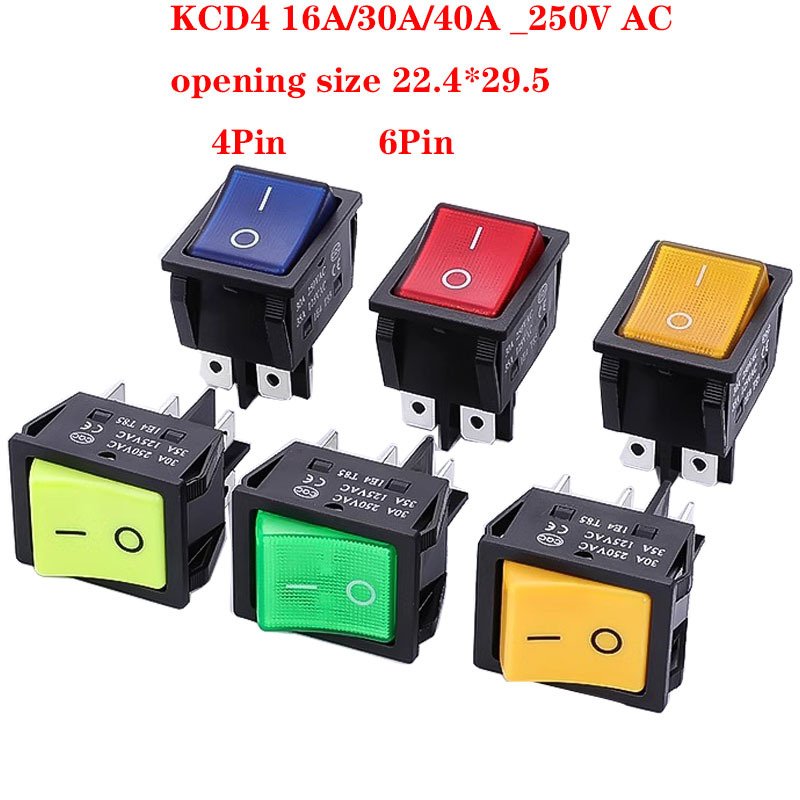
Insulation design for medical rocker switches involves much more than stacking materials. It requires full-chain coordination across requirement analysis, simulation, production control, and clinical feedback. Using IEC 60601-1 to drive technical innovation moves the industry from basic compliance toward active protection. For specification teams, checking pin configuration and rated current on a Rocker Switch before quoting prevents surprises late in development. As devices grow more connected and more compact, that discipline becomes the last line of defense for medical safety.