Blog
Rocker Switch Common Failures & Troubleshooting Tips

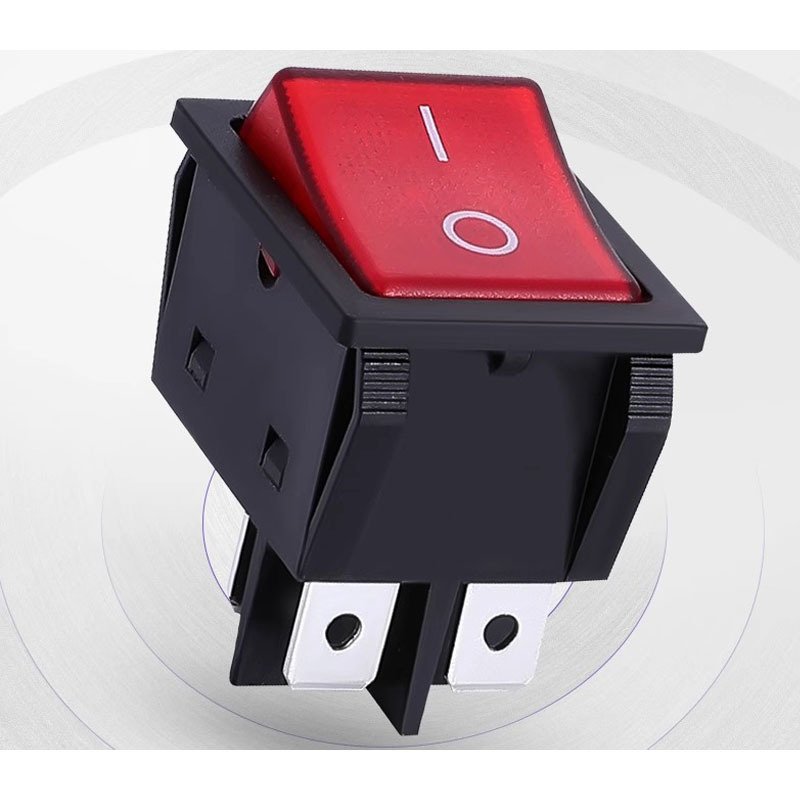
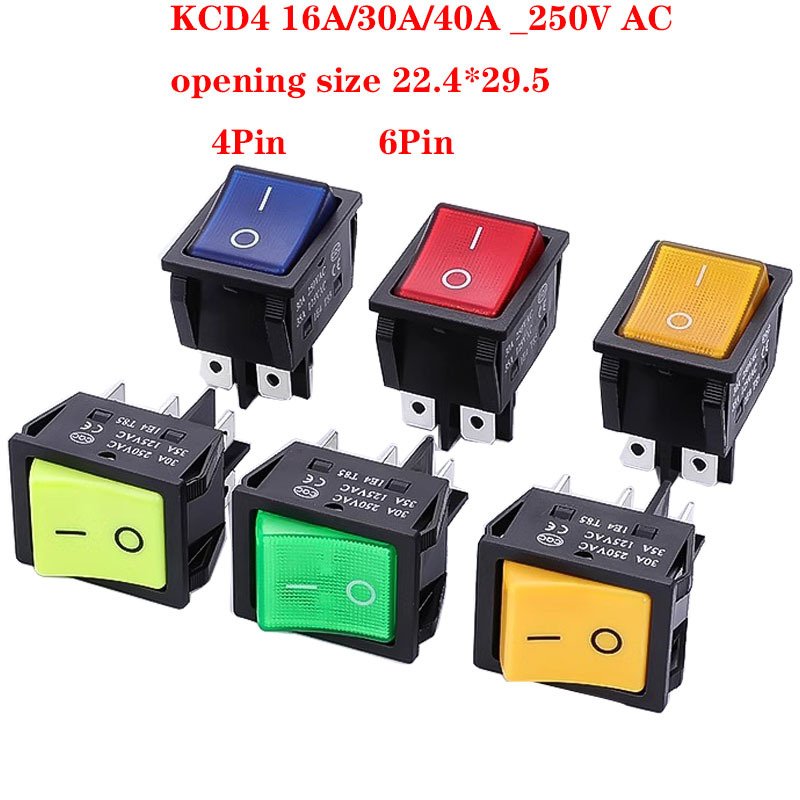
Rocker switches (boat‑type switches) are widely used for power on‑off control in household appliances and industrial equipment. Like all mechanical components, they will develop faults after long‑time operation. This article covers the most common rocker‑switch failures, root causes and practical troubleshooting advice for OEM buyers and engineers.
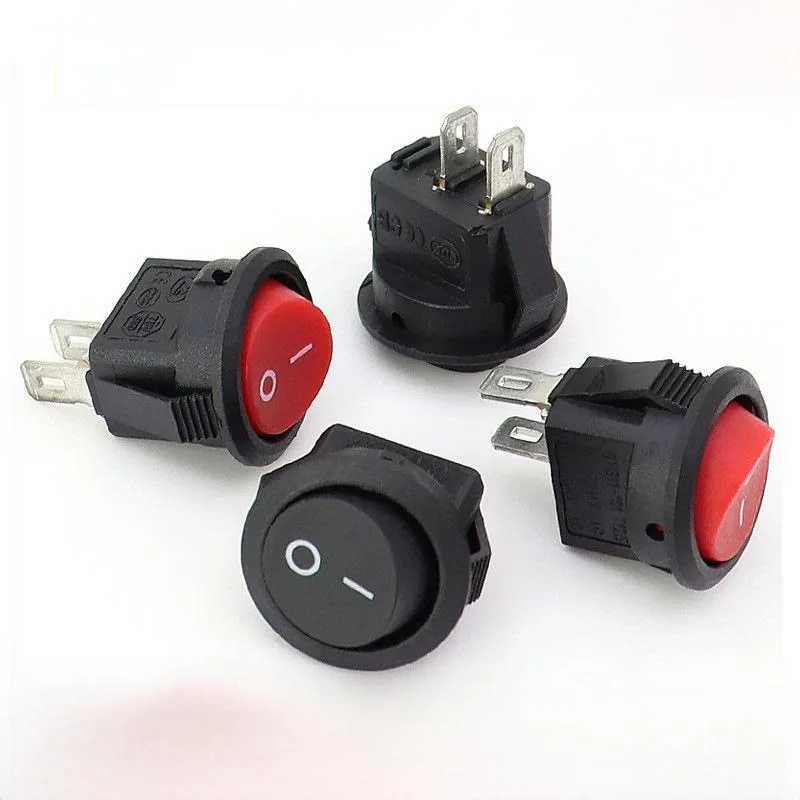
Wobbly or Loose Actuator
The rocker lever cannot stay stable at ON or OFF position, it shakes loosely and cannot lock firmly.
Main Causes
‑Frequent toggling wears internal plastic support structure.
‑Excessive force during installation or assembly.
‑Long‑term high‑temperature working environment accelerates plastic aging.
Troubleshooting & Prevention
‑Once plastic parts are broken, repair is not feasible and replacement is required.
‑Control insertion force during installation, avoid squeezing the switch housing.
‑For high‑temperature devices, select high‑temperature resistant rocker‑switch models.
Intermittent Contact & Poor Conduction
Equipment sometimes powers on and sometimes fails. Light‑load testing works fine, but issues appear under real working current.
Main Causes
‑Metal contact points get oxidized or covered by dust and debris.
‑Internal metal shrapnel suffers fatigue after large numbers of cycles.
‑Actual working current exceeds the switch rated parameter.
Troubleshooting & Prevention
‑Try repeated manual toggles for slight dust contamination.
‑If the problem persists, replace the defective unit immediately. Never keep using faulty switches, overheating and fire risks may occur.
‑Always leave reasonable current margin when selecting switches for bulk orders.
No‑light Indicator Failure
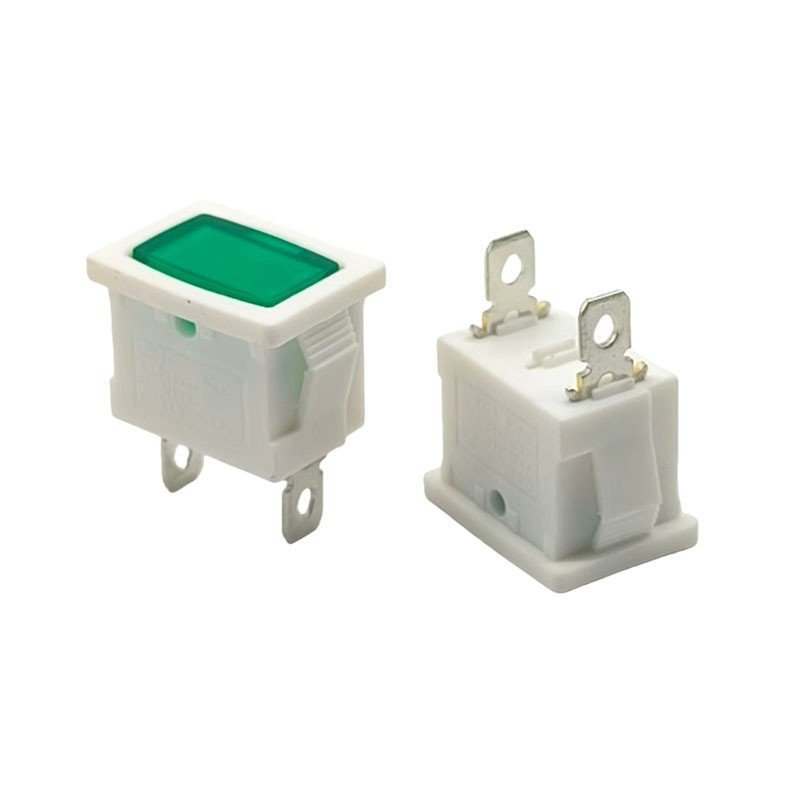
For rocker switches with built‑in indicator lights, the lamp does not light up even though the switch conducts normally.
Main Causes
‑Built‑in LED lamp burnout.
‑Wrong supply voltage for indicator circuit.
‑Poor soldering on indicator‑pin terminals.
Troubleshooting & Prevention
‑Verify indicator rated voltage before purchasing.
‑Check soldering quality during PCB assembly.
‑Direct component replacement is the usual solution for burned‑out LEDs.
Practical Procurement Advice
‑Do not ignore mechanical life parameters. Confirm expected toggle cycles for your end‑product.
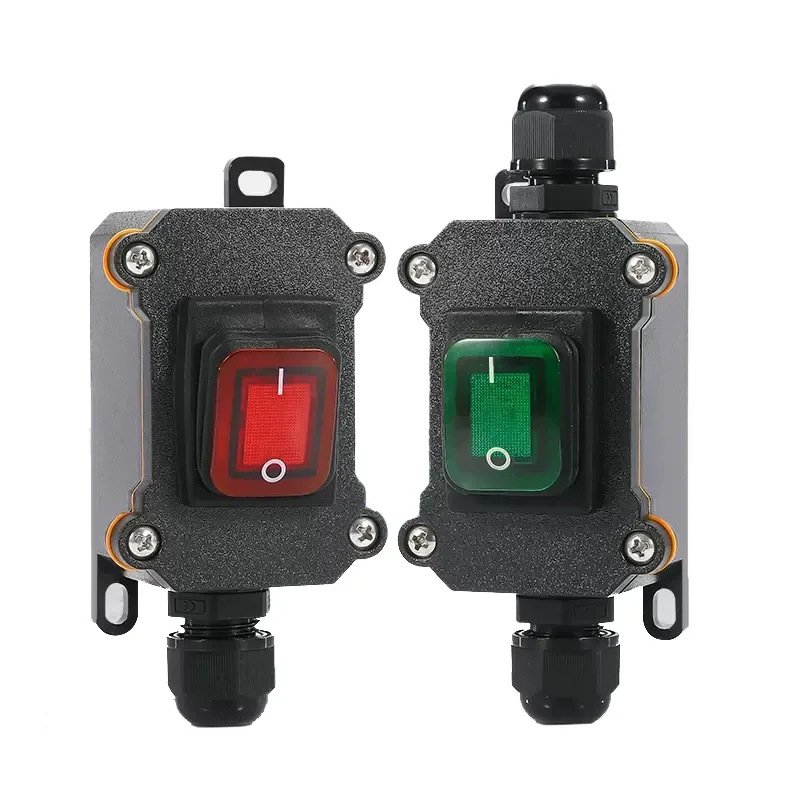
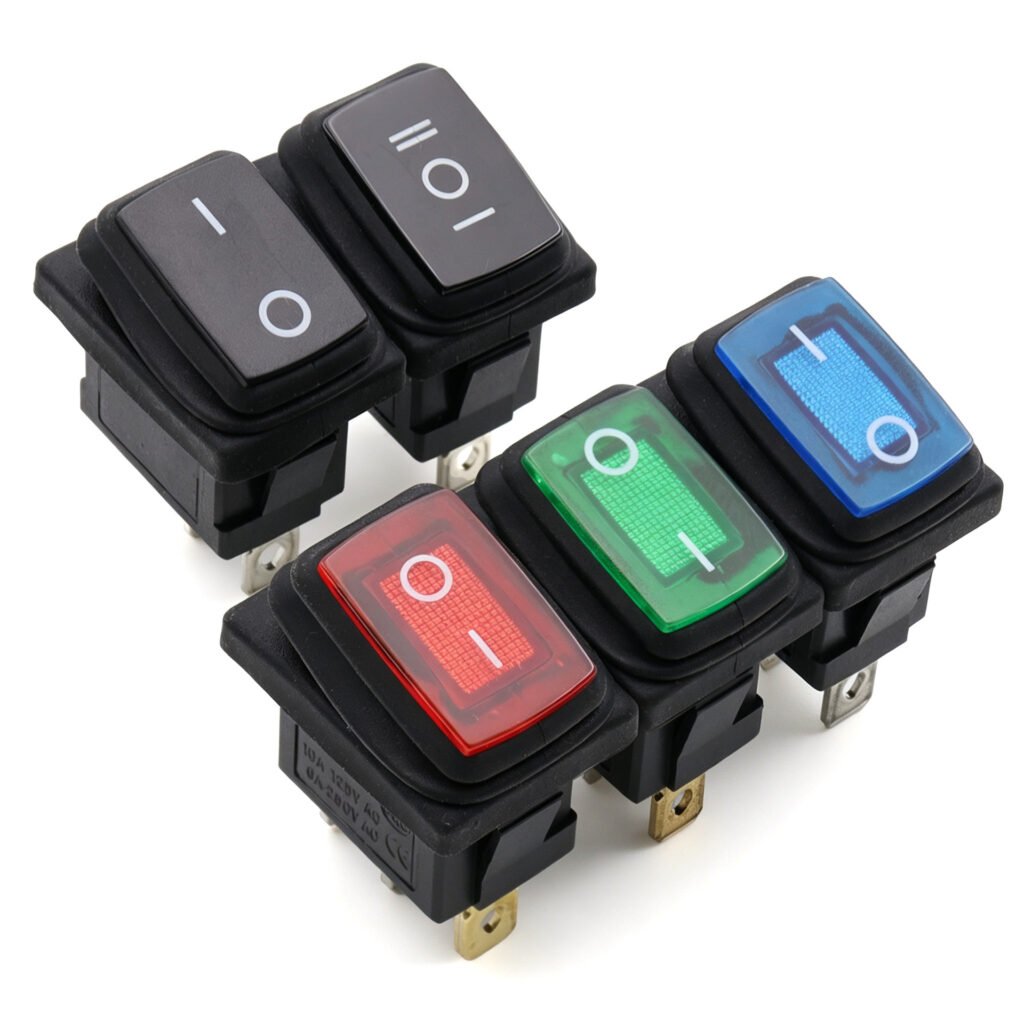
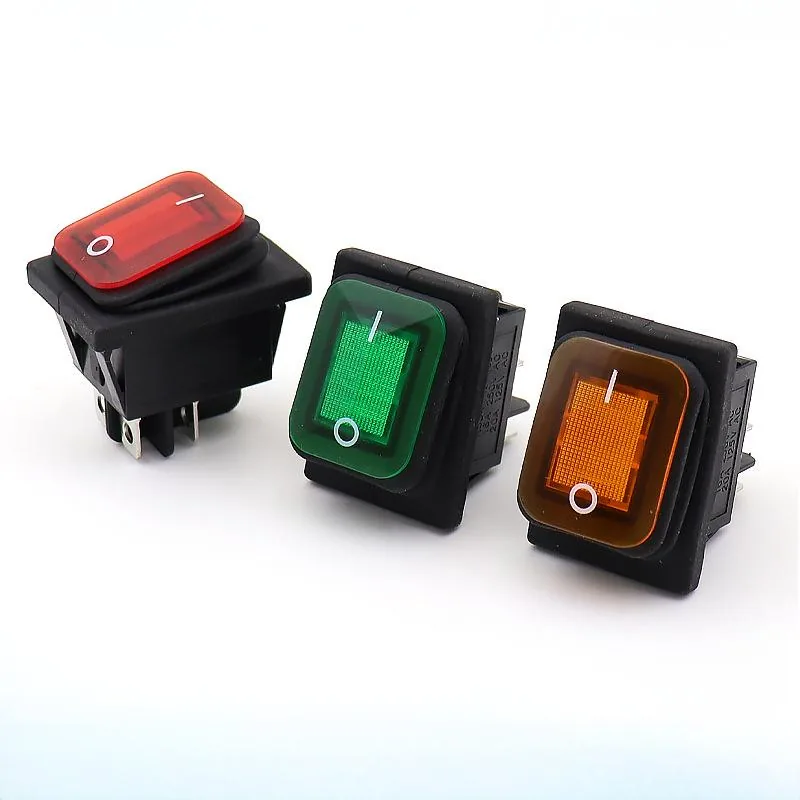
‑Working environment matters: dust‑proof or waterproof versions are needed for harsh‑condition equipment.
‑Carry out aging sample testing before mass procurement to verify contact reliability.
Conclusion
Most rocker‑switch failures come from plastic aging, contact wear or parameter overrun. Proper model selection and reasonable working‑margin design can greatly reduce failure rates in finished products.