Blog
Metal vs Plastic Button Switch: Differences, Performance & Selection Guide

Selecting the right button switch material is a critical step in electronic equipment design. The shell material directly determines environmental adaptability, operational stability, load capacity, and service life. It also defines the applicable scenarios of electrical devices. We have rich manufacturing experience in electronic switches. So we fully understand the differences between metal and plastic button switches.
This article compares metal and plastic button switches in terms of material characteristics, core performance, application scenarios, and procurement costs. Therefore, it provides a professional selection reference for equipment engineers and purchasers.
1. Basic Material Differences Between Metal and Plastic Button Switches
The fundamental performance gap stems from their different shell materials and manufacturing processes.
Metal Button Switch Material
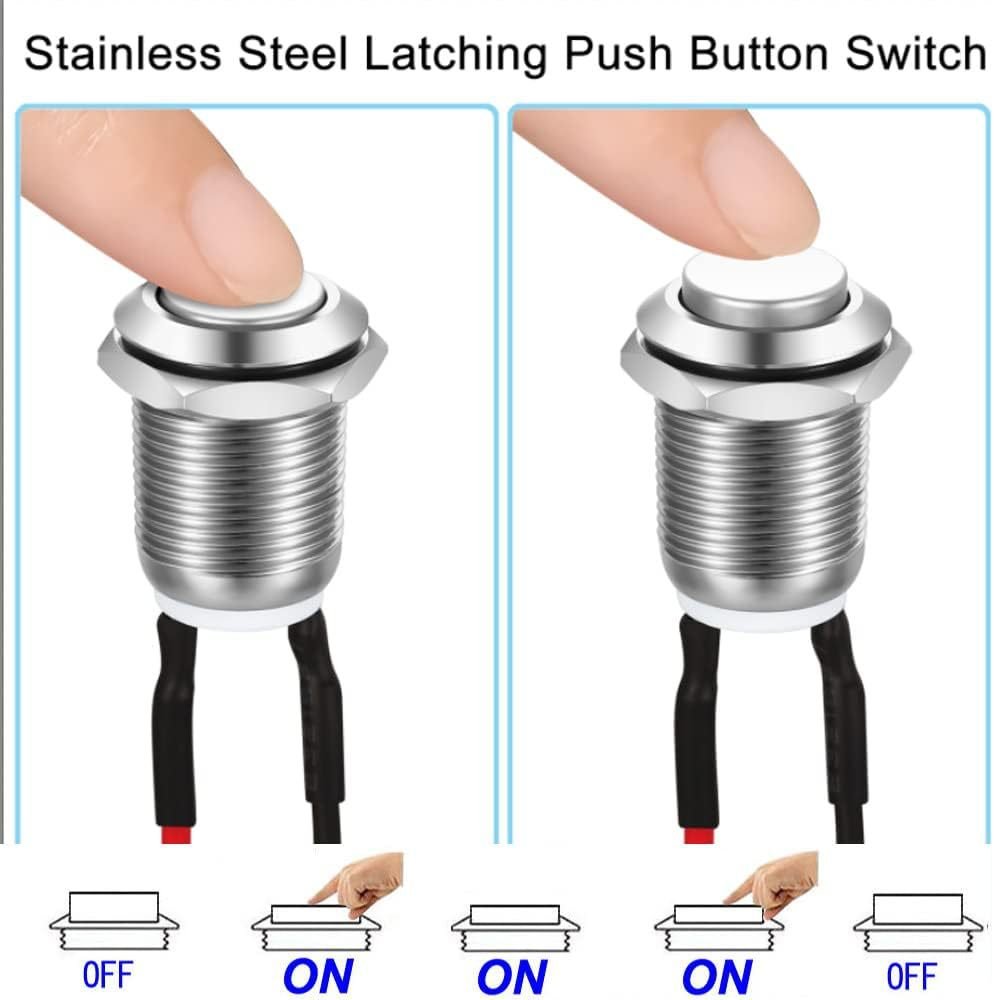
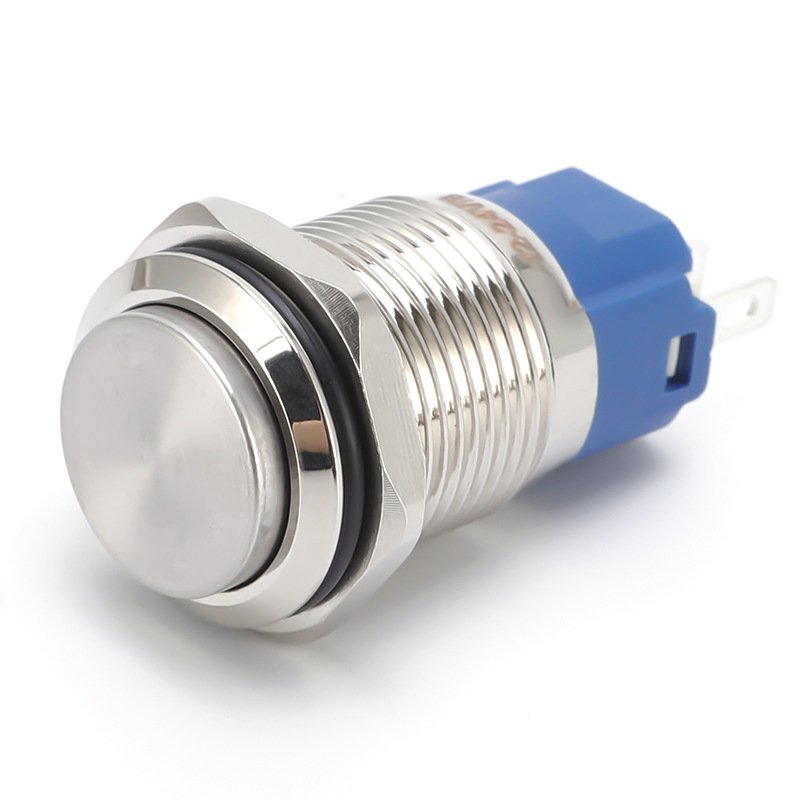
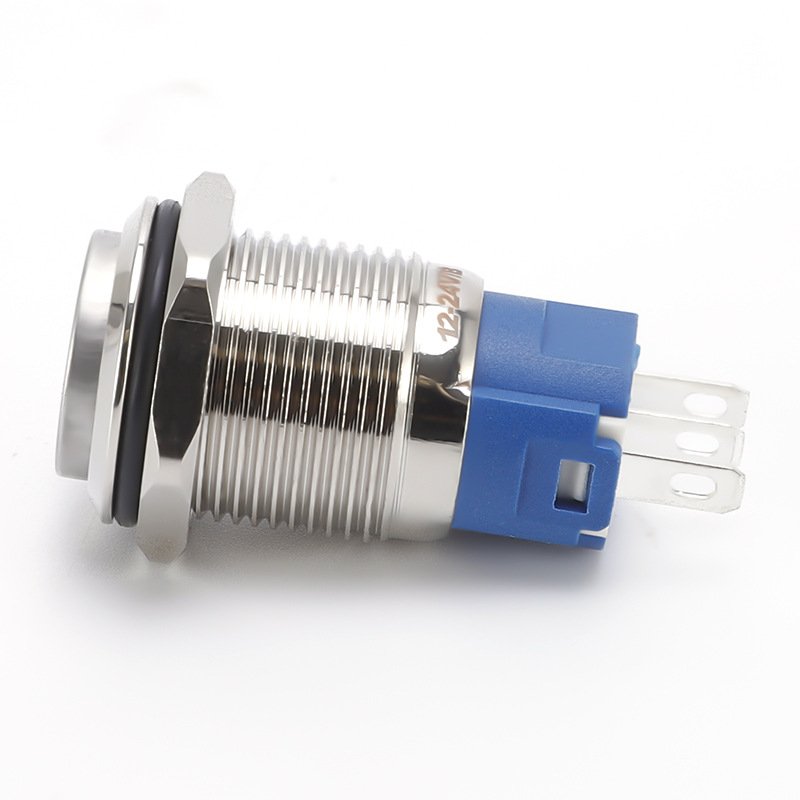
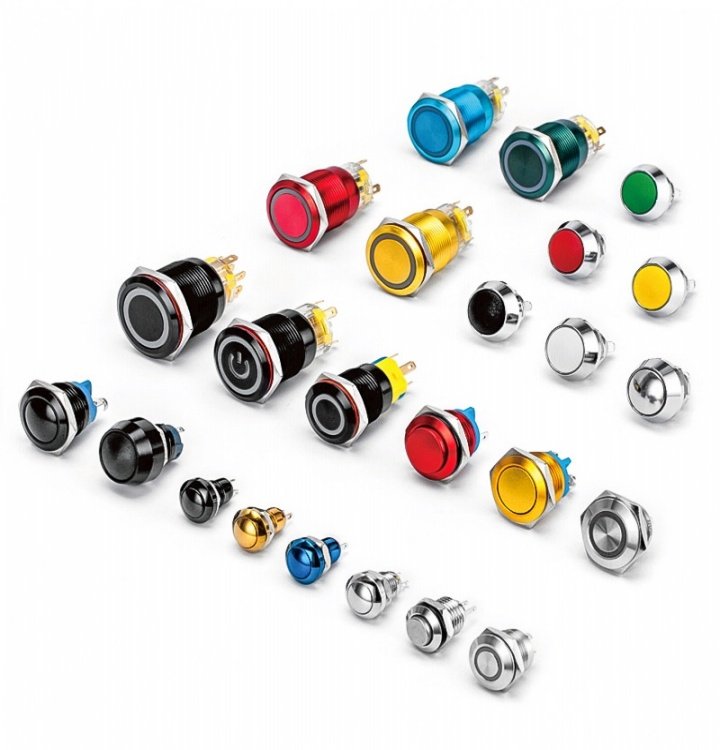
These switches mainly adopt high-strength brass or stainless steel as the main shell material. Then the surface undergoes sophisticated treatments such as electroplating and spraying. These processes enhance texture, corrosion resistance, and structural rigidity. As a result, they make metal switches more durable for harsh working environments.
Plastic Button Switch Material
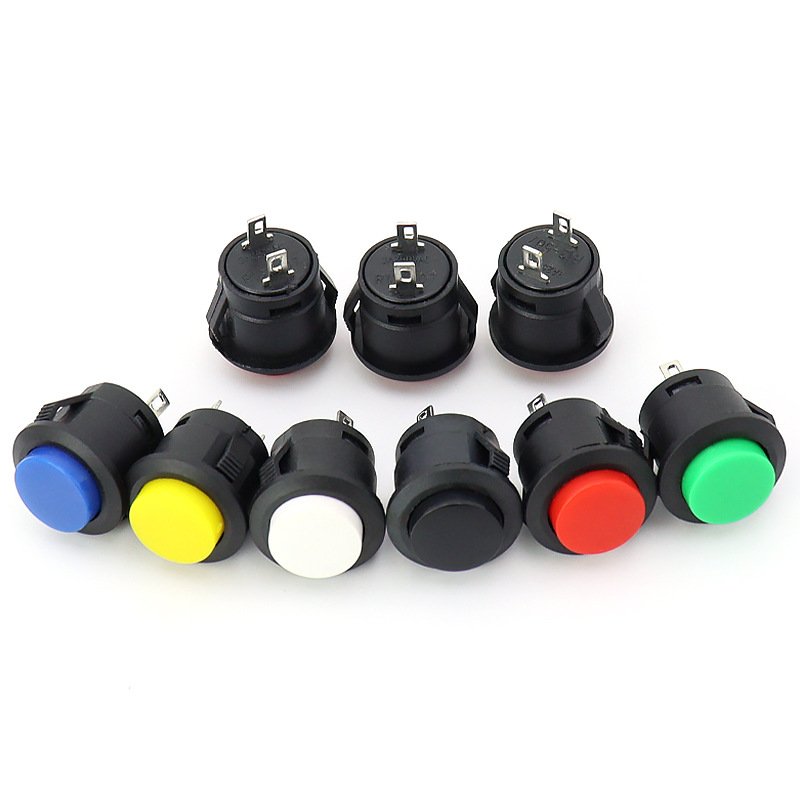
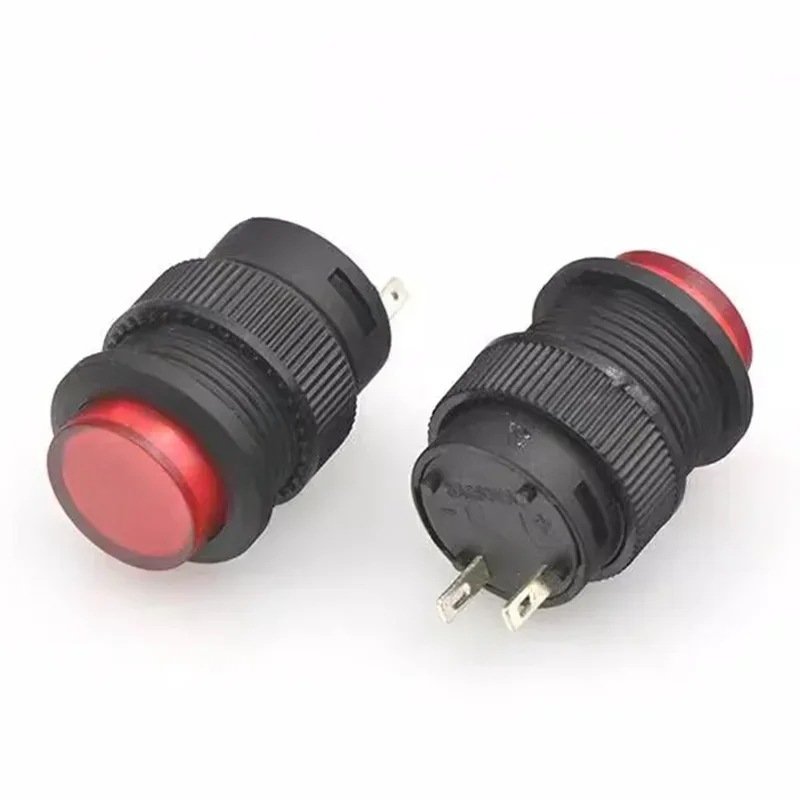
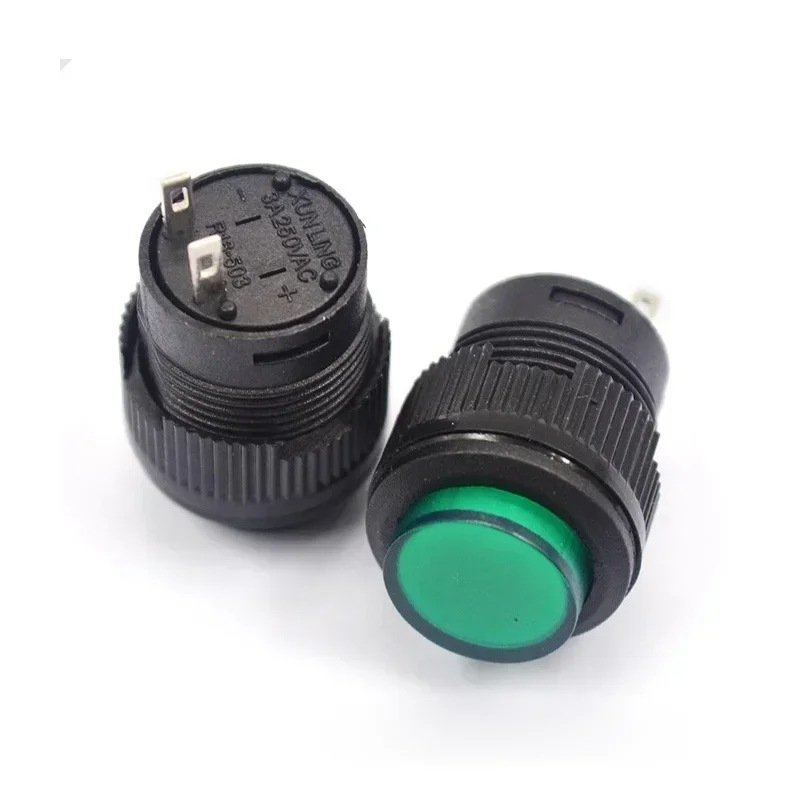
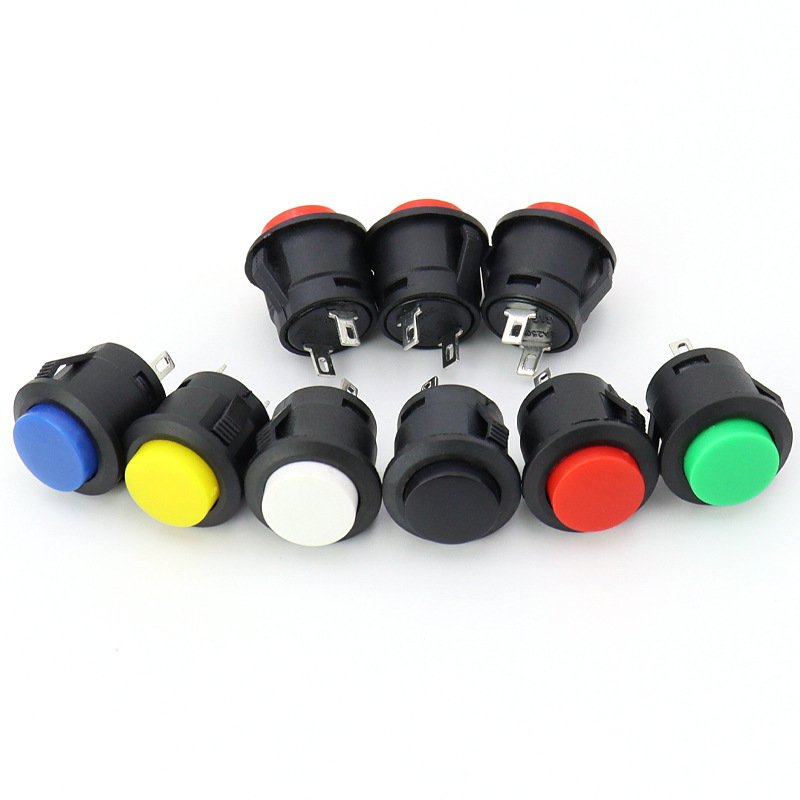
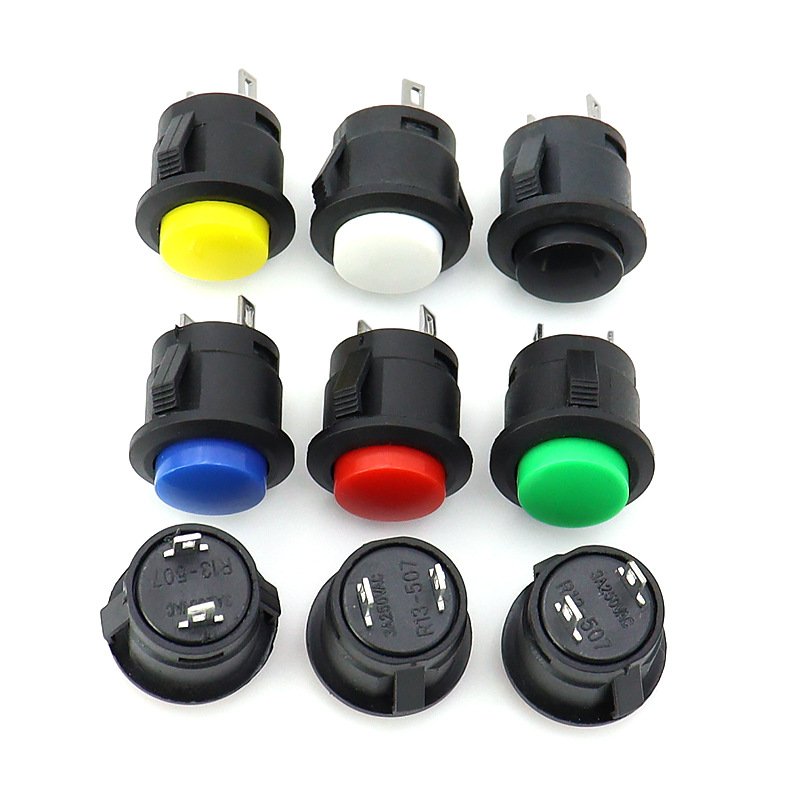
In contrast, plastic button switches commonly use high-quality engineering plastics including ABS, PC, and POM. These lightweight materials feature mature injection molding technology and low production costs. They also offer excellent natural insulation. So they are ideal for conventional civil and low-voltage precision equipment.
2. Core Performance Comparison: Metal vs Plastic Button Switch
Each type has unique advantages and inherent limitations. These cover corrosion resistance, impact resistance, temperature resistance, current load, and insulation performance.
2.1 Performance Advantages and Disadvantages of Metal Button Switches
Engineers recognize metal button switches as industrial-grade durable switches with comprehensive environmental adaptability.
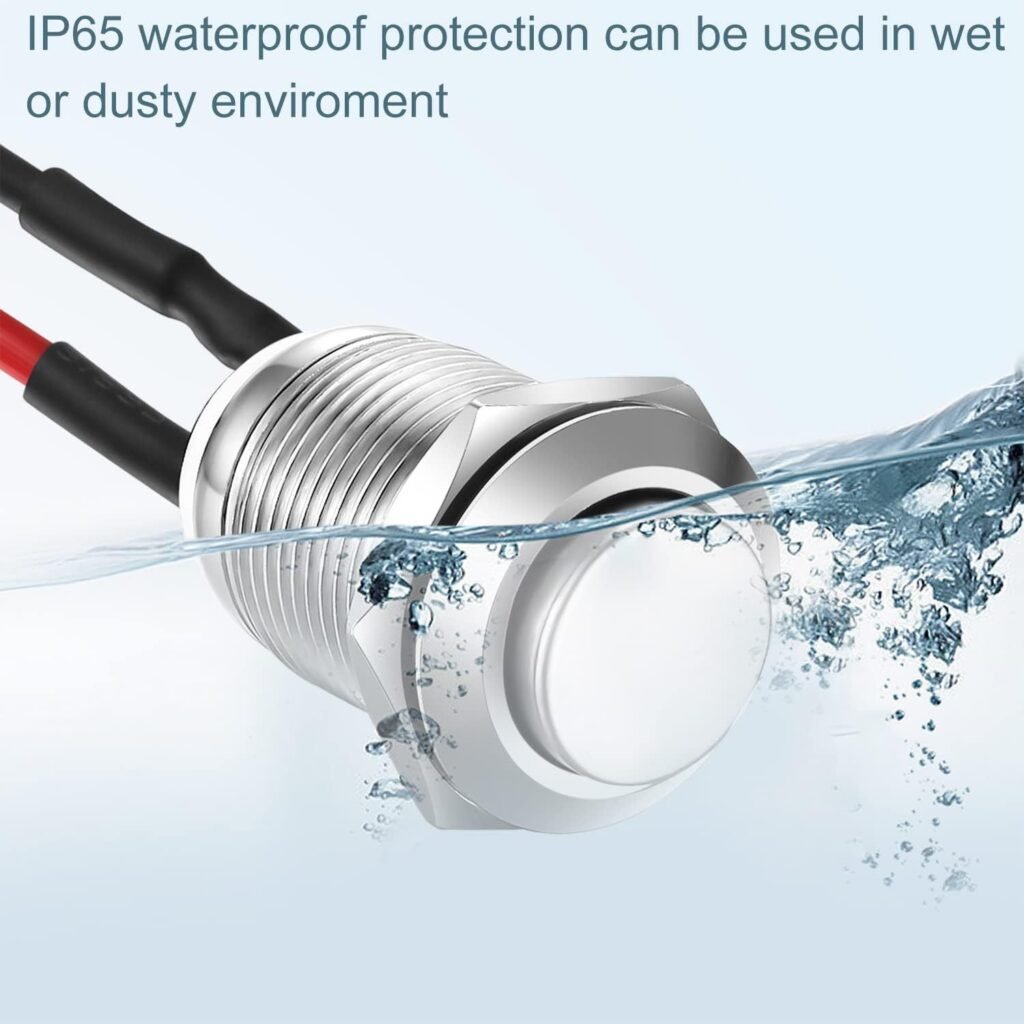
Excellent corrosion resistance: With professional anti-corrosion surface treatment, metal shells effectively resist acid, alkali, oil stains, and moisture erosion. They maintain stable performance in humid, polluted, and chemical working environments without rust or failure.
Superior impact and wear resistance: The rigid metal structure resists extrusion, collision, and frequent friction. So it is not easy to deform or damage during long-term high-frequency operation. Moreover, it perfectly adapts to intensive industrial production scenarios.
Wide temperature resistance range: Metal button switches work stably in extreme temperatures from -40℃ to 120℃. They can withstand severe cold outdoor environments and high-temperature workshop conditions without structural failure.
High current load capacity: Equipped with high-stability metal contacts, metal button switches support large current loads above 10A. Therefore, they are widely used for power control of high-power equipment such as motors and water pumps.
Insulation limitation: Since metal itself conducts electricity, metal button switches rely entirely on internal insulating structures. Thus their overall insulation performance is slightly weaker than plastic switches. This requires standardized structural design to ensure safety.
2.2 Performance Advantages and Disadvantages of Plastic Button Switches
Plastic button switches are cost-effective and safe choices for low-voltage precision electronic equipment.
Outstanding insulation performance: Engineering plastic materials are naturally non-conductive. They can meet low-voltage circuit safety requirements without complex insulating structures. So they effectively avoid electric leakage risks and ensure safe operation of household and precision electronic devices.
Ultra-light weight: Plastic button switches are more than 50% lighter than metal switches of the same specification. They greatly reduce the overall weight of lightweight equipment and facilitate product miniaturization design.
Narrow temperature resistance range: Ordinary plastic materials soften and deform easily above 80℃. Even high-temperature resistant plastic models can only withstand a maximum of about 100℃. So they are unsuitable for high-temperature industrial scenarios.
Low current load capacity: Thermal stability and contact structure limit plastic button switches to low-voltage circuits below 5A. They fully meet the demands of small household appliances and control panels. However, they cannot support high-power equipment.
3. Application Scenario Classification
Different material properties completely distinguish the applicable fields of metal and plastic button switches. So selecting switches according to scenarios is the core principle of standardized procurement.
3.1 Application Fields of Metal Button Switches
Metal button switches offer high durability, wide temperature adaptability, and large current load capacity. So they are typical industrial-grade switches for harsh environments.
For example, they work widely in production line equipment such as machine tools, assembly line controllers, and stamping equipment. In outdoor scenarios, these switches serve street light control boxes, charging piles, and security monitoring equipment. They resist ultraviolet radiation, wind, and rain erosion.
Besides, they are the preferred choice for heavy machinery, ship equipment, and mining machinery. They also suit chemical and metallurgical equipment with strong vibration, heavy load, and corrosive conditions.
3.2 Application Fields of Plastic Button Switches
Plastic button switches benefit from safe insulation, light weight, and high cost performance. So they dominate civil and low-power precision electronic fields.
You can commonly find them in low-voltage household appliances such as microwave ovens and washing machines. They also serve medical instruments and office equipment. In addition, they apply to indoor building automation systems and lighting control panels with low operating frequency.
Besides, plastic button switches appear widely in consumer electronics such as smart home terminals and electronic toys. These products are sensitive to cost and require low current load.
4. Cost and Price Difference Analysis
The price gap between metal and plastic types originates from raw material cost and manufacturing difficulty.
First, metal raw materials such as stainless steel and brass are far more expensive than ordinary engineering plastics. Second, metal switches require multiple complex processes including forging, cutting, electroplating, and anti-rust treatment. In contrast, plastic switches adopt one-time injection molding with high production efficiency and low processing costs.
For conventional low-voltage indoor equipment with limited budget, plastic button switches deliver higher cost performance. However, metal button switches offer higher comprehensive value for industrial equipment and outdoor facilities. These applications pursue long-term stability and a low failure rate.
Their initial procurement cost is higher. However, their long service life and high reliability greatly reduce later maintenance and replacement costs.
5. How to Choose: Metal Button Switch or Plastic Button Switch?
There is no absolute distinction between good and bad for metal and plastic button switches. The optimal choice depends on actual equipment parameters, working environment, and budget.
Choose metal button switches for high-current, high-temperature, outdoor, corrosive, and high-frequency industrial scenarios. These require high structural strength and environmental resistance.
Choose plastic button switches for low-voltage, indoor, lightweight, and cost-sensitive precision electronic and household equipment scenarios. These prioritize insulation safety.
We provide high-quality metal and plastic button switches with complete specifications, stable performance, and strict quality control. In addition, we offer professional customized selection solutions according to your equipment environment, current parameters, and budget. So contact us for detailed product parameters and free quotations.