

Blog
TEST DRAFT — How to Choose the Right Micro Switch for Your Application

Related Posts

Micro Switch Working Principle: Snap-Action Explained
Learn the micro switch working principle and how the snap-action mechanism gives instant switching, self-held contact force, and fast arc suppression.
Micro Switch Contacts Compared: Silver, Gold, or Copper?
Micro switch contacts compared: copper oxidizes fast, silver alloys rule 10-20A power switching, gold plating protects weak signals in harsh air.

Self-Locking vs Momentary Toggle Switch: Function and Application Comparison
Self-locking and momentary toggle switches behave very differently. Compare structure, circuit design, safety and pick the right type.
Contact Material Showdown: Silver Alloy vs Gold Plating in Micro Switches
Silver alloy and gold plating each suit micro switch contacts differently. Here is how to choose by current, environment and budget.
The Imperative of Choosing a Reputable Micro Switch Manufacturer
Why choosing a reputable micro switch manufacturer matters: quality, applications, limit switches, and waterproof solutions for harsh environments.
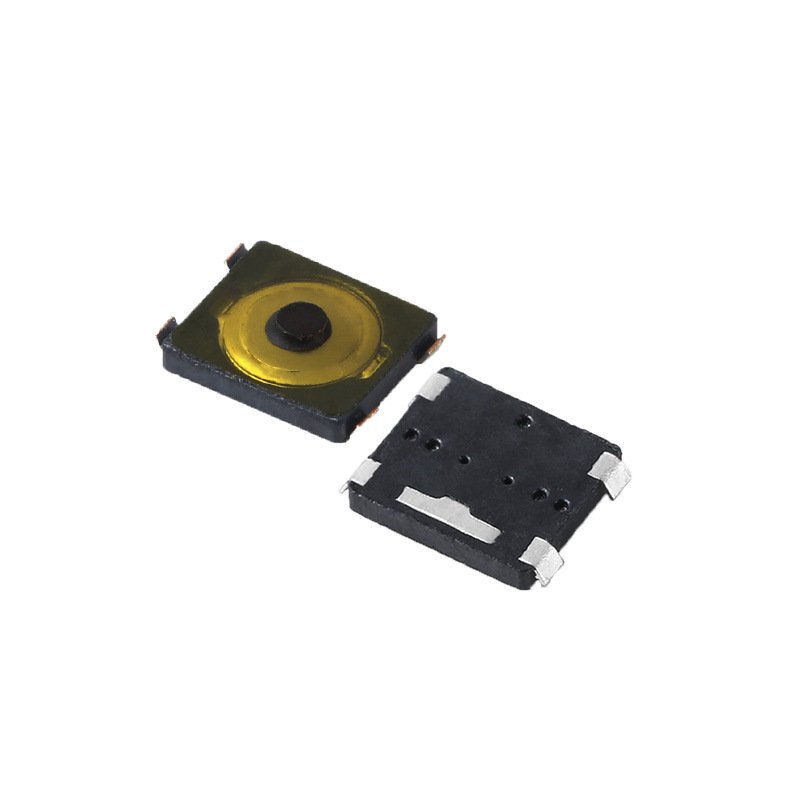
Micro Switch Cost Control Without Sacrificing Reliability
Control micro switch cost in 3 ways: match specs to avoid over-specification, right-size lifespan and load, and optimize your sourcing strategy.
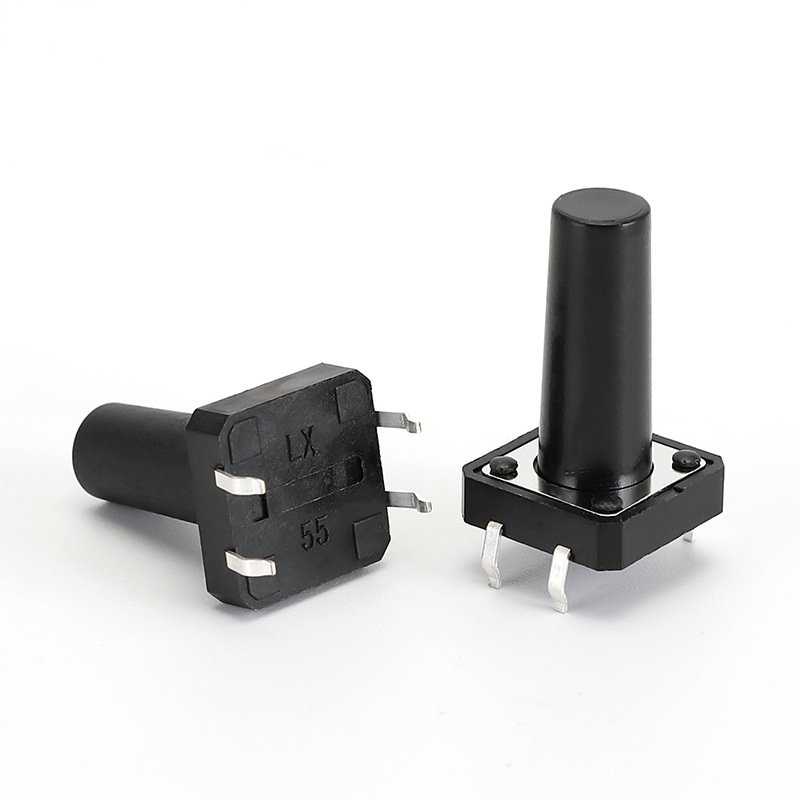
Micro Switch Selection Process: An 8-Step Guide
The 8-step micro switch selection process: define requirements, then match electrical, mechanical, environmental, lifespan, installation and certification specs before validating.
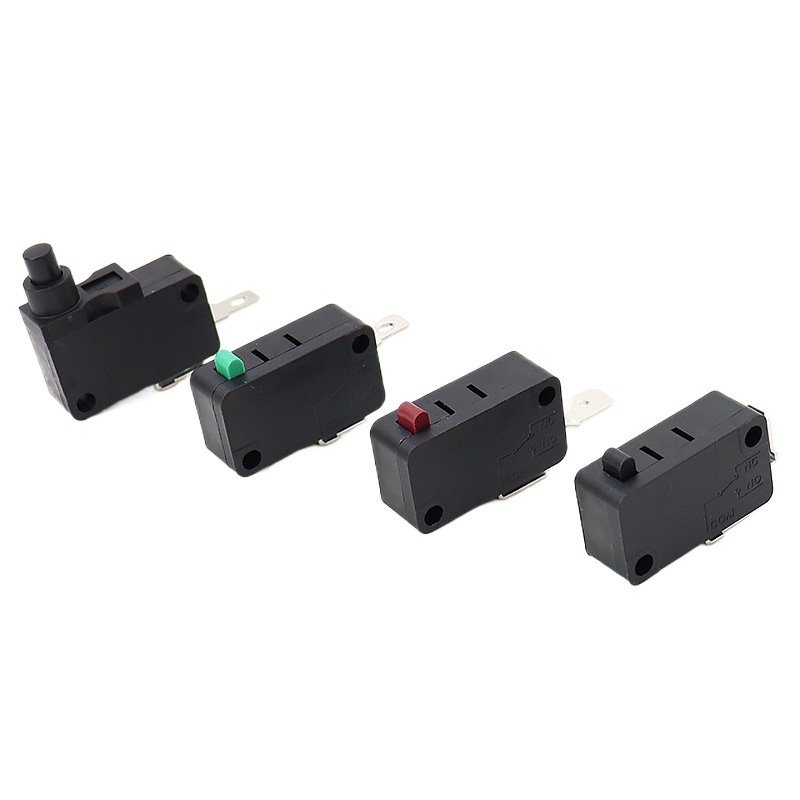
Micro Switch Selection Guide: How to Choose the Right One
A practical 6-step micro switch selection guide covering electrical ratings, mechanical specs, IP protection, lifespan, mounting and certifications.
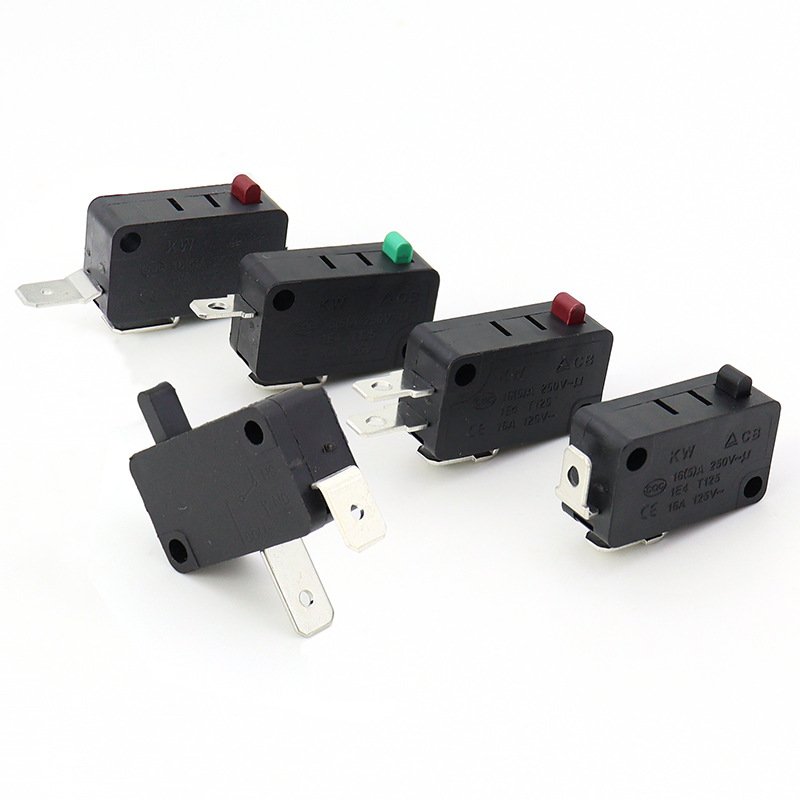
How Micro Switches Provide Safety Protection for Gas Water Heaters
Learn how a micro switch protects gas water heaters by linking water flow, ignition, and gas cutoff to prevent leakage and ensure safe operation.
Micro Switches in Microwaves: Safety Interlock Guide
Learn how a micro switch guards your microwave with a three-core door interlock and fail-safe leakage protection. Understand the safety mechanism now.
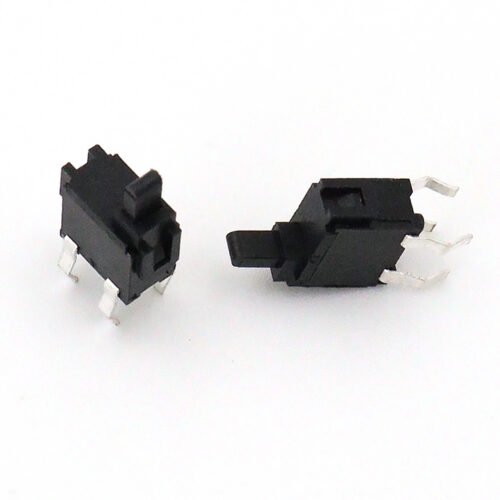
How to Choose the Right Micro Switch: 6 Key Factors
Learn 6 key factors to choose the right micro switch: size, current, contact, environment, lifespan and certification. Pick the best one.
Micro Switches for Power Tools: Types, Benefits and Selection Guide
Discover how a micro switch powers drills, saws and grinders. Explore types, benefits and selection tips for durable, safe power tool micro switches.