Blog
Micro Switches for Power Tools: Types, Benefits and Selection Guide

Modern power tools demand reliable internal components. A high-quality micro switch controls startup, shutdown and safety cut-off with precision. This guide explains power tool micro switches, their benefits and how to select the right model. As a result, tool makers and buyers can choose with confidence. Browse our full range of micro switch products built for power tools to find the best fit.
What Is a Power Tool Micro Switch?
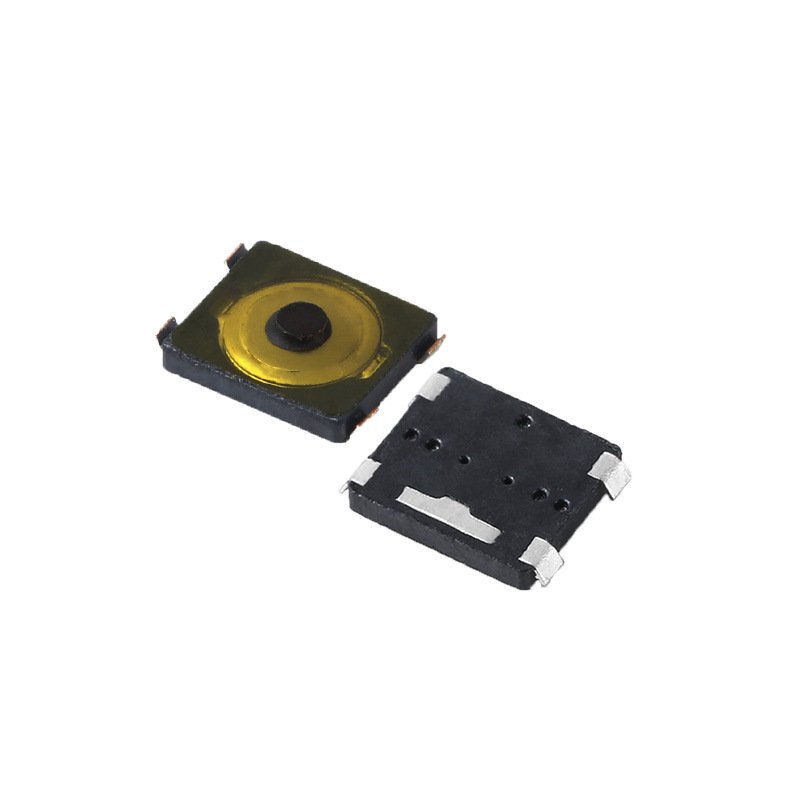
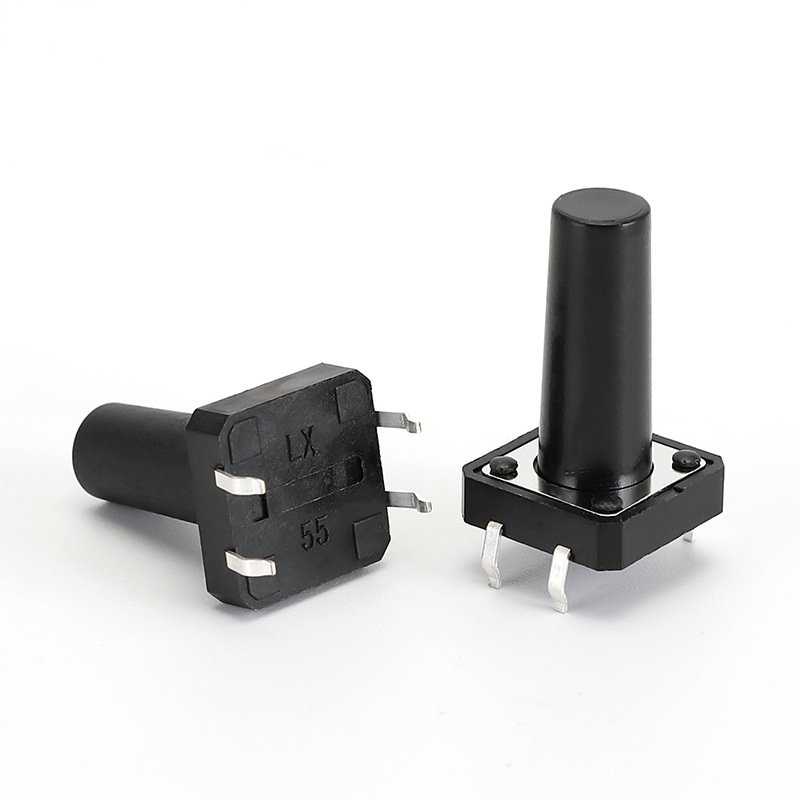
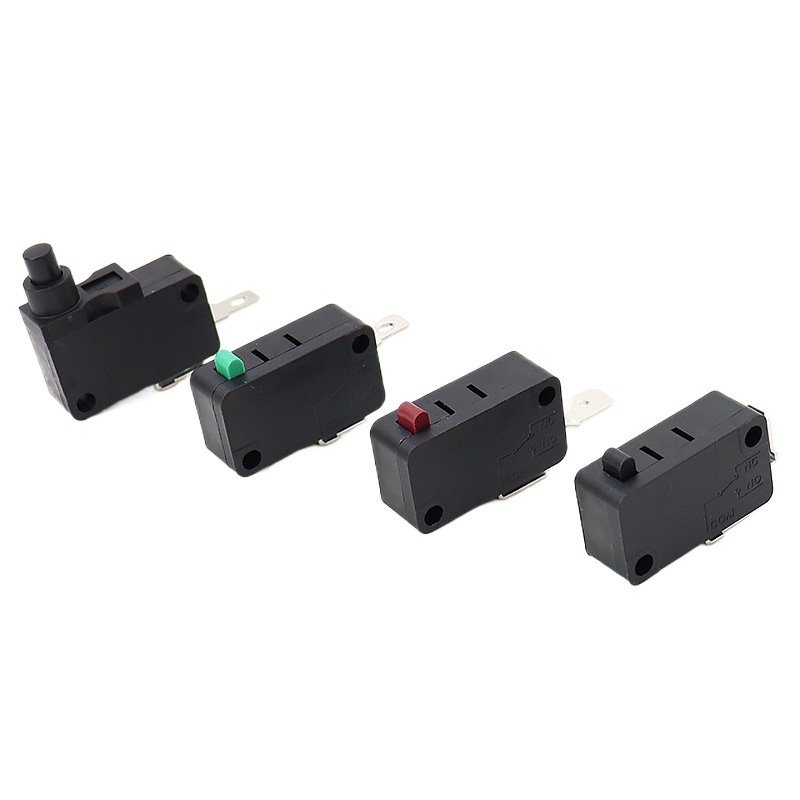
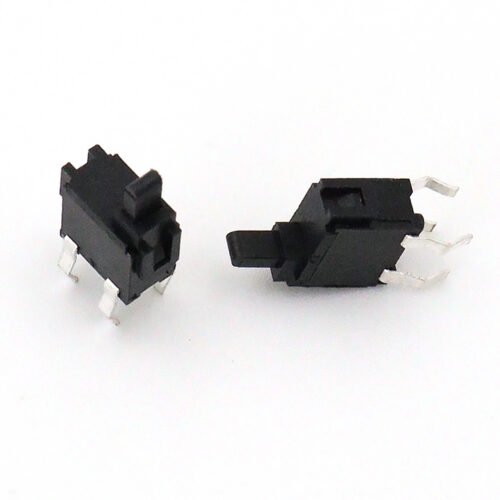
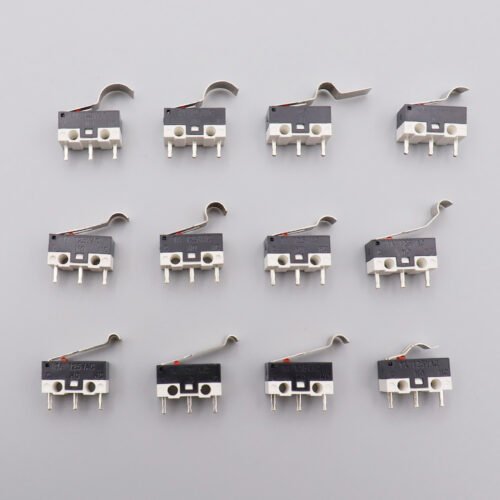
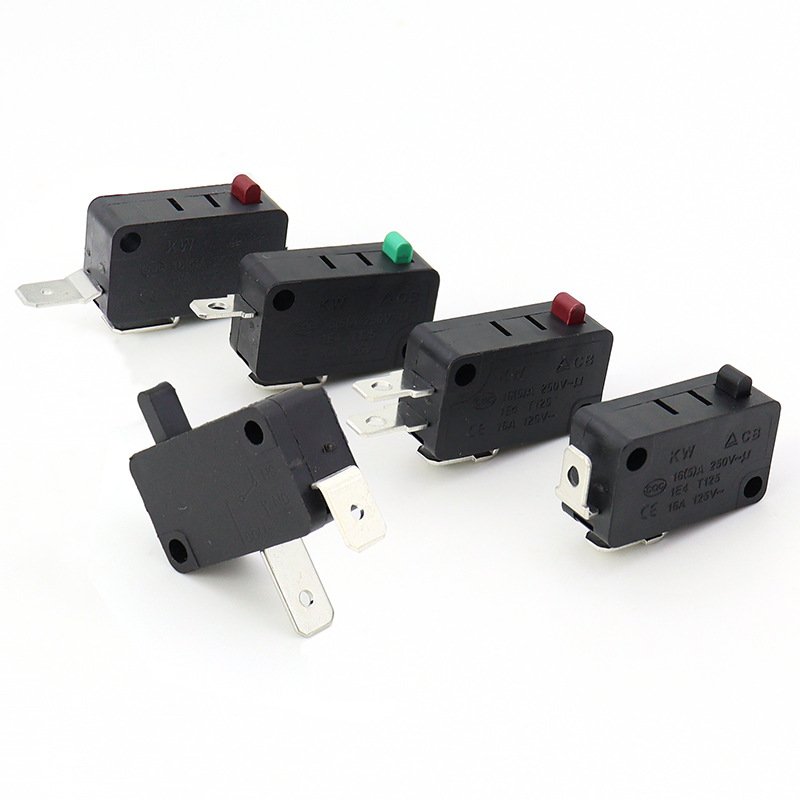
A micro switch is a high-sensitivity electromechanical part. It uses an ultra-small contact gap and minimal travel to trigger instant snap-action switching. Despite its tiny size, it can connect and disconnect high-current circuits reliably. Therefore, it is an indispensable core part of electric power tools. Micro switches sit inside drills, saws, jigsaws, routers, grinders and polishers. During operation, the switch controls power flow and keeps mechanical motion in sync with electrical signals.
Core Benefits of Micro Switches for Power Tools
Compared with bulky traditional switches, professional micro switches bring clear upgrades. They improve response, save space, add safety and cut energy loss.
High Sensitivity and Stable Operation
Power tool micro switches respond with precise snap-action. They avoid delayed startup and intermittent faults common in older switches. Consequently, the tool runs smoothly and predictably every time.
Compact Structure for Easy Installation and Maintenance
The miniaturized design saves internal space in compact tools. In addition, the modular build simplifies later inspection and repair. As a result, after-sales costs drop for manufacturers.
Built-In Safety Protection Mechanisms
Safety is the top design priority for power tools. Professional micro switches include overload and short-circuit protection. When current surges or a fault occurs, the switch cuts power at once. Therefore, it prevents burnout, damage and user injury.
Low Power Consumption and Energy Saving
Micro switches have low internal resistance. Therefore, they waste less power during standby and use. This extends battery life in cordless tools and supports green manufacturing goals.
Common Types and Functions of Power Tool Micro Switches
Micro switches have served the power tool industry for decades. Today they form a mature product system. Different types handle power output, signal feedback and fault protection. They adjust tool power on demand and report real-time status through stable signals. Whether for industrial or household tools, the right micro switch enables precise control and smart monitoring.
How to Select the Right Micro Switch for Power Tools
Power tools run under high current, vibration and occasional overload. Therefore, ordinary household switches will not work. You must evaluate several core indicators.
Match High Current Load Capacity
Power tools draw large working current. The chosen micro switch must resist high load and surge currents. Otherwise, low-current models may burn out and cause tool failure.
Prioritize Ultra-Long Electrical Lifespan
Tools start and stop frequently. Therefore, durability matters. Industrial-grade micro switches rated for 300,000 cycles or more are the minimum. High-end versions exceed 1,000,000 cycles to meet strict overseas standards.
Adapt to Complex Working Environments
Tools often face dust, vibration and temperature swings. The micro switch must resist shock and interference. As a result, it keeps triggering accurately in harsh conditions.
Strictly Verify Safety and Stability
Always choose switches with overload, short-circuit protection and safety certification. Stable quality prevents hazards during long-term use. Explore our industrial-grade micro switch solutions for high-current tools to compare certified options.
Conclusion
A micro switch is a core functional and safety part of modern power tools. Its high sensitivity, compact size and safety protection replace bulky traditional switches. Consequently, it becomes the preferred control unit for drills, grinders and saws. When you select power tool micro switches, consider current load, environment, lifespan and safety. The right choice improves stability, extends life and boosts competitiveness.
Frequently Asked Questions About Power Tool Micro Switches
Q1: Why do power tools need dedicated micro switches?
Power tools draw high current and start-stop often. Dedicated micro switches offer strong load capacity, long life and safety protection that ordinary switches lack.
Q2: What is the lifespan of industrial power tool micro switches?
Standard models reach 300,000 cycles. However, high-end industrial versions exceed 1,000,000 cycles for strict overseas standards.
Q3: What advantages do power tool micro switches have over traditional switches?
They are smaller, more sensitive and easier to maintain. In addition, they include safety protection and save energy with longer life.
Q4: What factors matter when selecting power tool micro switches?
Core factors include current load, cycle lifespan, environmental adaptability, vibration resistance and safety protection performance.