Blog
How to Choose the Right Micro Switch: 6 Key Factors

How to Choose the Right Micro Switch? 6 Key Selection Factors Explained
A micro switch is a tiny component with a huge impact on product safety and life. However, not every model fits every device. This guide explains six key factors that help you pick the right micro switch for your project.
1. Overall Dimension & Structural Size of the Micro Switch
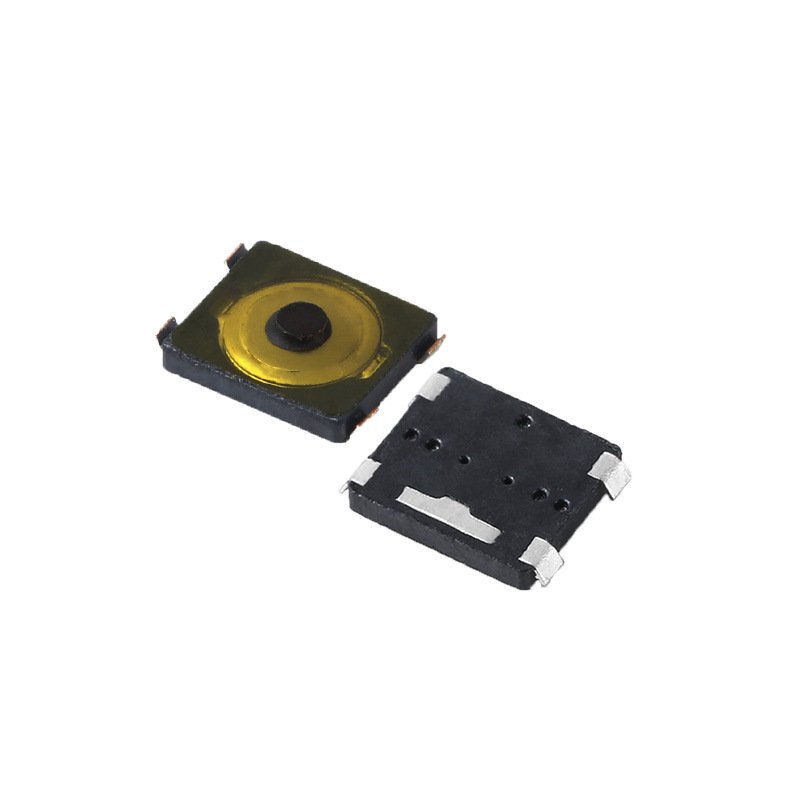
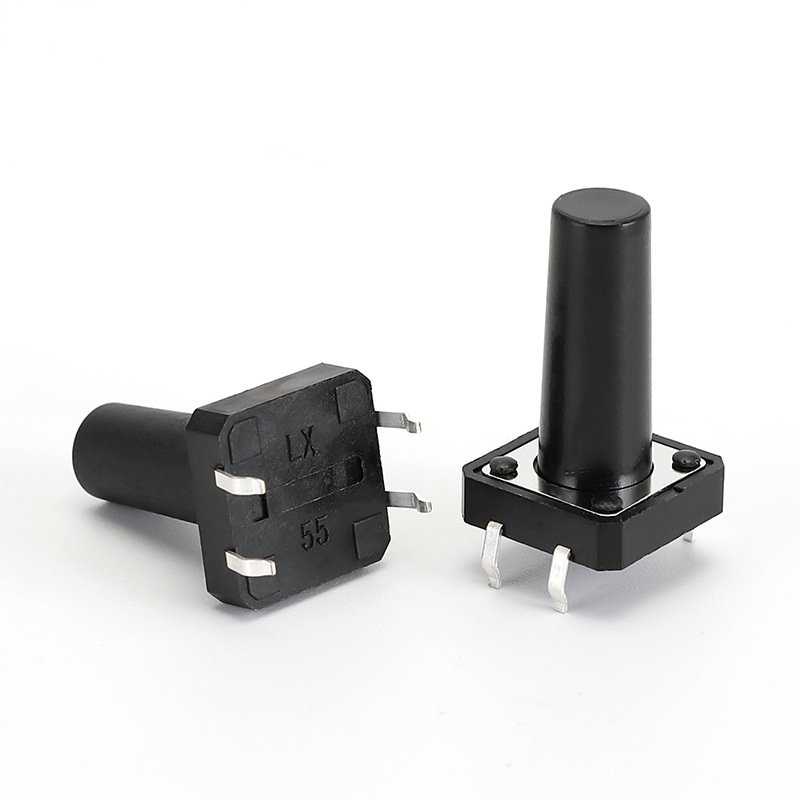
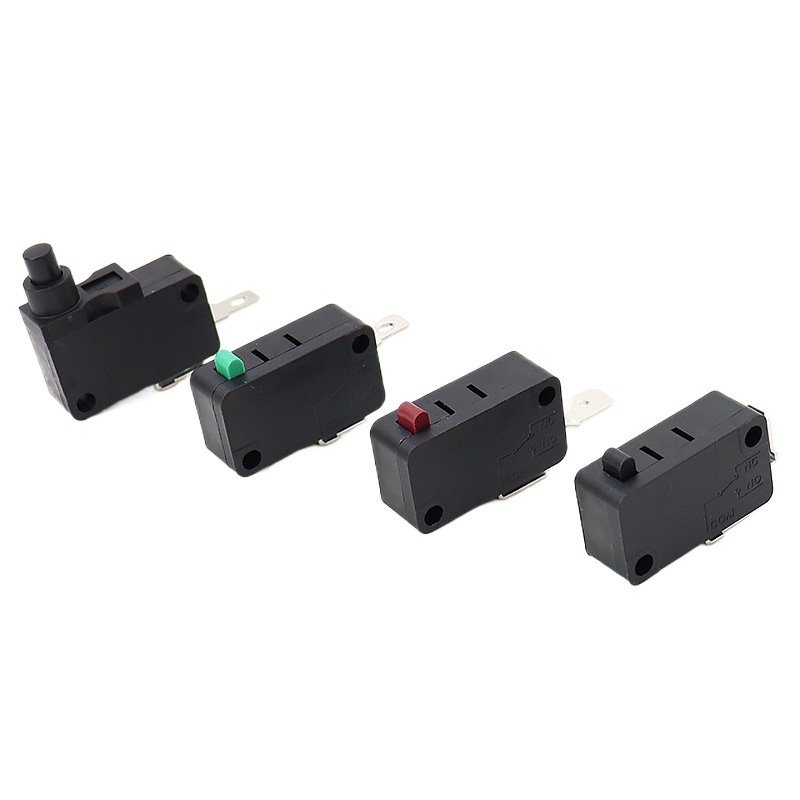
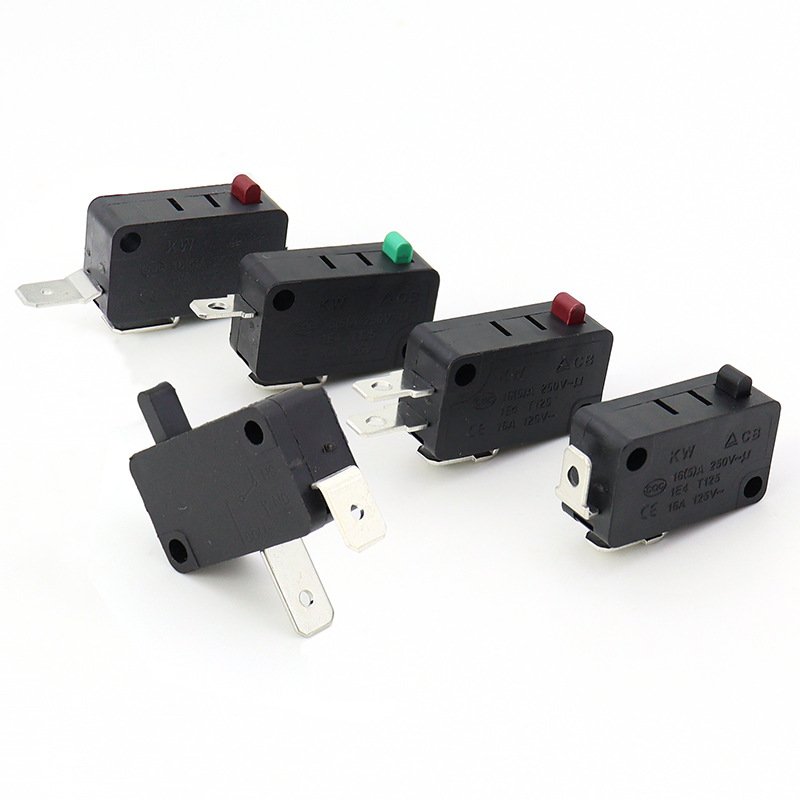
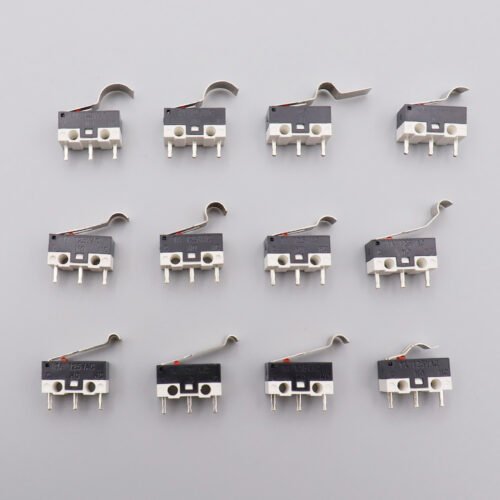
Size is not just about fitting the board. In fact, it links directly to current load and travel stroke. Small switches offer short strokes and low current, while large ones handle heavy-duty loads. For example, a 7.5×2.5×4.5 mm unit suits cameras and phones, whereas a fuel-tank level switch needs 125VAC 20A or 250VAC 25A ratings. Therefore, match the size to both space and load first.
2. Rated Current & Voltage Parameters
Current and voltage are the most basic electrical limits of any micro switch. They must match the real working conditions of your equipment. Otherwise, a low-current switch in a high-current circuit will burn its contacts and may even cause a fire. Conversely, an oversized industrial switch wastes cost and space. As a result, confirm the actual current and voltage before you buy.
3. Internal Contact Material & Quality
The contact decides conductivity, sensitivity and lifespan. Three materials dominate the market. Pure silver conducts well but oxidizes fast and ranks lowest. Silver-cadmium alloy resists oxidation, yet cadmium is hazardous and may spark under high current. By contrast, silver-nickel alloy gives the best balance of low resistance, hardness and safety, making it the top choice for mid-to-high-end micro switch products.
4. External Environment Adaptability
Clean indoor devices can use standard switches. However, medical, industrial and outdoor equipment face dust, liquid and temperature stress. In such cases, choose a sealed IP67 micro switch with full dust and short-term water immersion resistance. Moreover, a wide temperature range prevents deformation and aging. We always recommend a sample test in the real environment before mass installation.
5. Mechanical & Electrical Service Life
Lifespan needs vary by application. A reliable micro switch should deliver at least 10,000 electrical cycles and over 1,000,000 mechanical cycles. Because insufficient lifespan forces frequent replacement, clarify the expected switching count early. In addition, good lifespan is an investment in the long-term stability of the whole device.
6. Industry Certification Standards
Certification proves that a micro switch meets safety and environmental rules. For global markets, look for CE, RoHS, UL and IEC compliance marks on the product. These standards confirm material safety, electrical safety and eco-friendly manufacturing. Consequently, certified switches reduce compliance risks and protect your brand reputation.
Conclusion
Choosing the right micro switch means balancing size, electrical rating, contact material, environment, lifespan and certification. Blind miniaturization or low-price pursuit brings hidden risks, while over-specification wastes resources. Match the six factors to your real scenario, and you will get a stable, safe and cost-effective result.
FAQ
Q1: What is the best contact material for a micro switch?
A: Silver-nickel alloy. It combines low resistance, high hardness, oxidation resistance and safety, far better than pure silver or silver-cadmium.
Q2: Does micro switch size affect current load?
A: Yes. Small switches support only low current and short stroke, while large models handle high-current, long-stroke heavy-duty use.
Q3: What protection level is required for industrial micro switches?
A: An IP67 sealed micro switch is recommended for dustproof, waterproof and temperature-resistant performance.
Q4: What is the standard lifespan of a qualified micro switch?
A: At least 10,000 electrical cycles and over 1,000,000 mechanical cycles for reliable long-term operation.