Blog
How Micro Switches Provide Safety Protection for Gas Water Heaters

Gas water heaters are now essential household appliances that deliver instant hot water with high efficiency. However, most users focus only on heating performance and water temperature. Few people understand the core safety components that prevent gas leakage, ignition failure, and equipment malfunction. Among these parts, the micro switch acts as a critical safety trigger and protection sensor. It works with the water-gas linkage system to enable smart startup and automatic fault shutdown. This article explains the working principle, installation position, and core safety mechanism of the micro switch in gas water heaters.
Basic Working Principle of Gas Water Heaters
The heating and startup process relies on the linkage of water pressure, circuit signals, and gas supply. The whole sequence follows strict mechanical and electrical logic to ensure safe combustion. When you turn on the hot water faucet, tap water flows into the internal pipeline.
Under the pressure difference of flowing water, the water-gas linkage valve is mechanically pushed open. At the same time, water pressure drives the linkage top rod to trigger the built-in micro switch, which completes circuit closure. Once the circuit is connected, the pulse controller is activated and enters the ignition standby state.
After startup, the controller outputs a signal to open the gas solenoid valve. Natural gas enters the combustion chamber and is ignited by the pulse needle. A flame detection component then senses flame intensity and feeds a stability signal back to the controller. As a result, the valve stays open and combustion remains stable.
What Is a Water Heater Micro Switch?
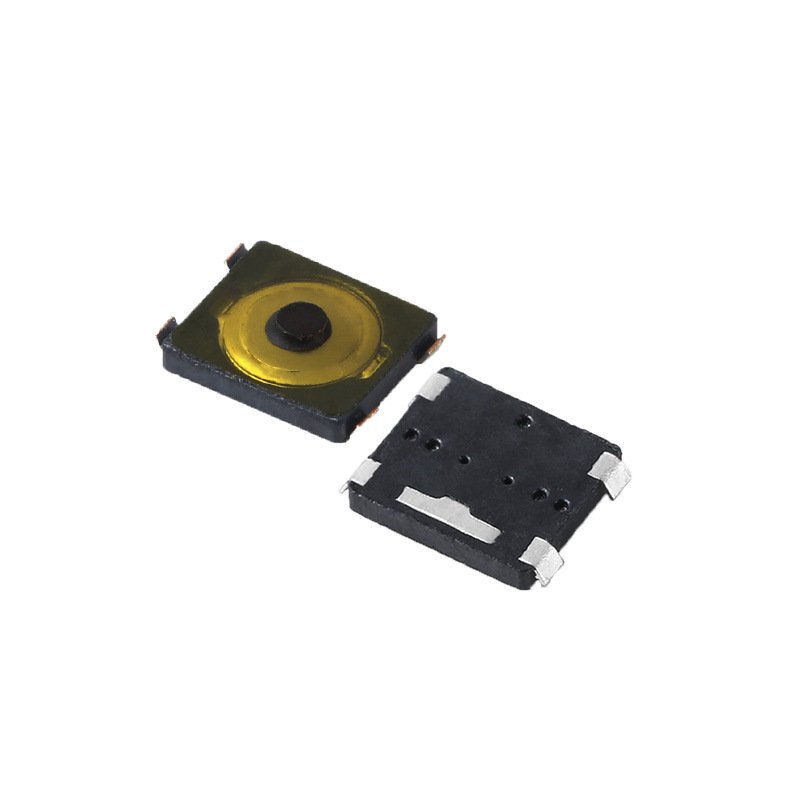
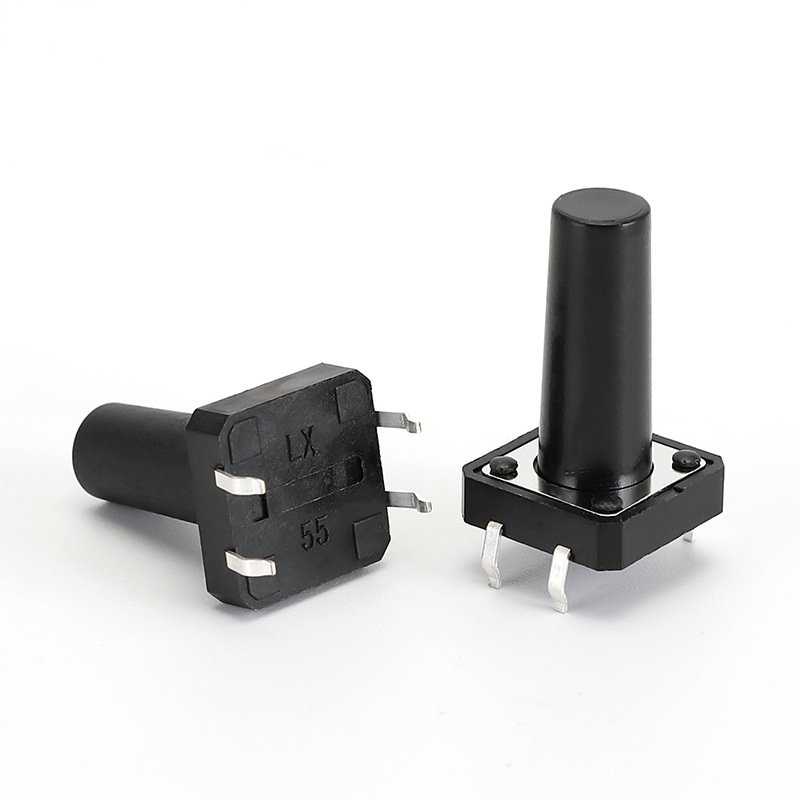
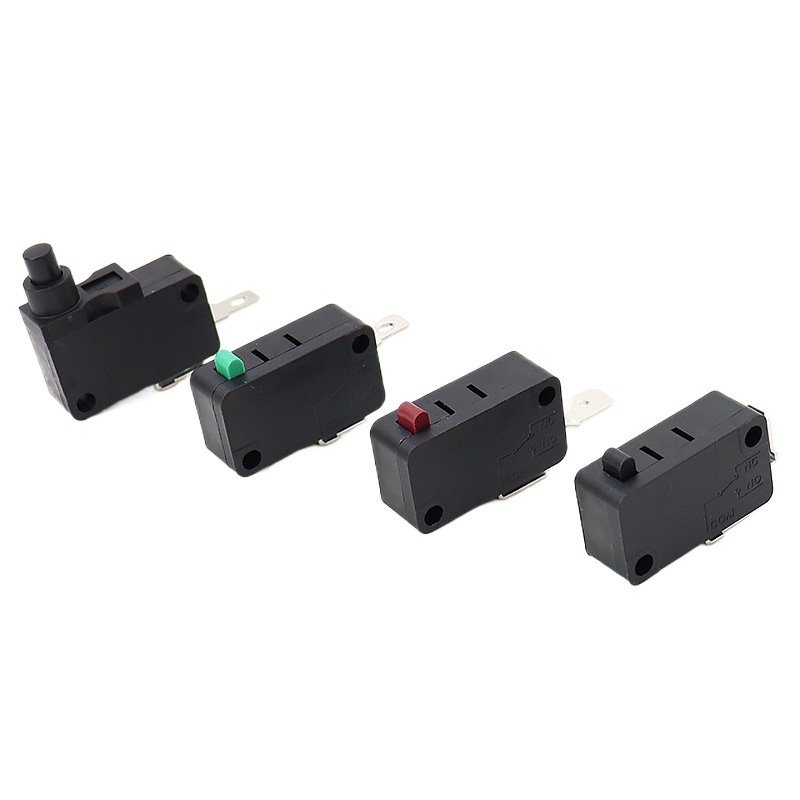
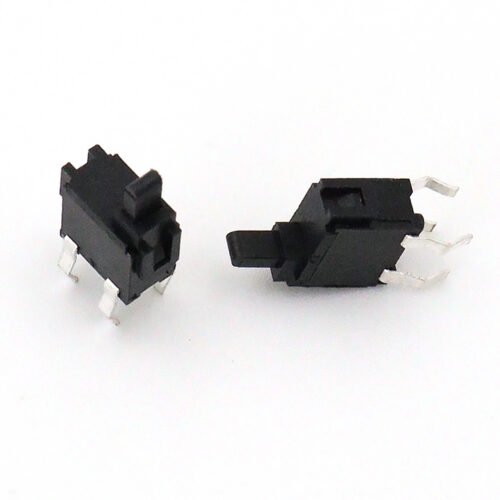
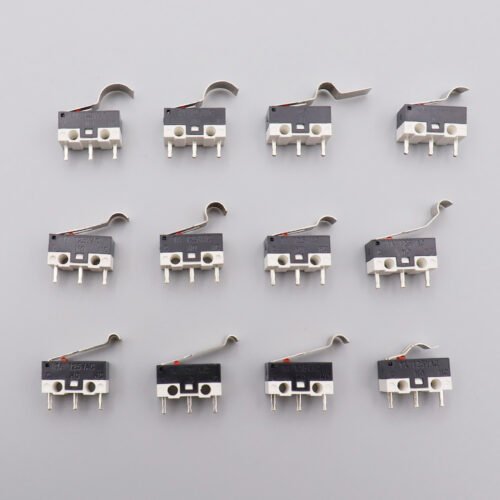
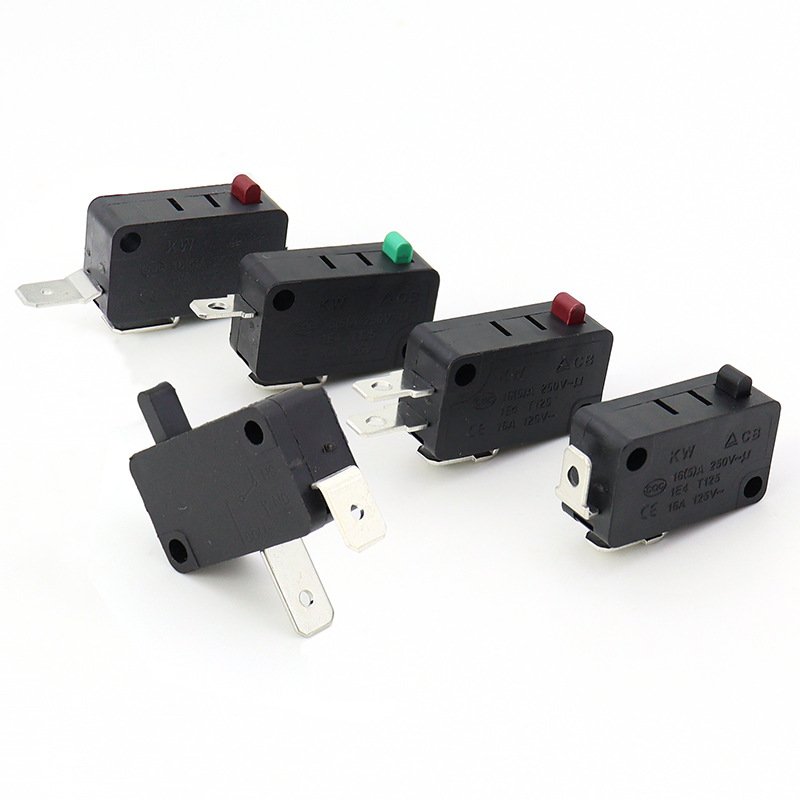
The water heater micro switch is a precision safety accessory embedded in the water-gas linkage device. As the signal starting point of the system, it undertakes water flow induction, circuit triggering, and safety interlock control. You can explore our full range of micro switch products designed for appliance safety.
The complete linkage system includes inlet and outlet pipes, temperature valves, gas solenoid valves, push rods, pulse igniters, and dedicated micro switches. The switch is fixed in a reserved mounting groove. Therefore, its structure is simple, installation is convenient, and trigger response is highly sensitive.
Its induction logic is very targeted. When there is no water flow, the switch stays open and the circuit is static. Only when cold water flows and creates an effective pressure difference does the linkage push the switch closed. In this way, it precisely links the water flow signal with the electrical signal for one-key synchronous startup.
Core Safety Protection Mechanism of the Micro Switch
The most valuable function of the micro switch is not only normal startup. Instead, it forms an automatic safety barrier during ignition failure and system abnormality. This thoroughly prevents gas leakage risks.
If ignition fails because of unstable gas pressure, weak pulse energy, or abnormal flame detection, the sensor cannot capture a valid flame signal. Consequently, it will not send confirmation back to the controller. Without flame feedback, the system cuts off the holding current of the gas solenoid valve. The valve then resets and closes rapidly, completely blocking the gas channel.
In this fault state, even if water keeps flowing and the micro switch stays conductive, the system will not restart gas supply. This intelligent interlock avoids unburned gas accumulating in the chamber. Moreover, it prevents leakage, explosion, poisoning, and fire accidents. The micro switch acts as the first safety gate: it allows combustion only under normal water flow and ignition, and forces shutdown in all abnormal scenarios.
Why a Micro Switch Is Indispensable for Water Heater Safety
Traditional heaters without micro switch linkage face huge risks of delayed gas cutoff. By contrast, the high-sensitivity mechanical trigger ensures zero-delay signal transmission between water flow and circuit. It realizes synchronous start and stop of water, electricity, and gas. As a result, the hazard of gas leakage from misoperation is eliminated.
Furthermore, the stable mechanical performance adapts to long-term high-frequency water pressure impact and temperature changes. It maintains sensitive induction and accurate switching for a long time. Therefore, it ensures the long-term safe and reliable operation of household gas water heaters.
Conclusion
As the core induction and safety protection component, the micro switch undertakes water flow triggering, startup control, and fault gas cutoff. It perfectly links the water pressure, circuit, and gas supply systems. In this way, it realizes automatic startup during water outflow and automatic gas cutoff during ignition failure.
This precise mechanical-electrical linkage fundamentally solves the safety pain points of gas leakage and abnormal combustion. For daily use, keeping the micro switch and linkage structure clean can effectively ensure safe operation and extend equipment life.
FAQ
Q1: What does a micro switch do in a gas water heater?
The water heater micro switch senses water flow pressure to trigger circuit conduction, activate the pulse ignition system, and cut off gas supply automatically during ignition failure to prevent gas leakage.
Q2: Where is the micro switch located on a water heater?
It is installed in the water-gas linkage device, matching with push rods, solenoid valves, and pulse igniters to complete linkage control.
Q3: Why does the water heater stop working after ignition failure?
Without flame feedback signals, the system cuts off the solenoid valve holding current. The gas valve closes automatically to stop gas supply, realizing safety protection.
Q4: Will a faulty micro switch cause gas water heater hazards?
Yes. A failed micro switch may fail to cut off the circuit abnormally, leading to unregulated gas supply and potential gas leakage and safety accidents.