Blog
NO vs NC Push Button Switches: Working Principles, Safety Standards and Complete Guide for Beginners

In industrial electrical systems and daily circuit control, a Push Button Switch acts as the fingertip commander of the entire control loop. As the most critical human-machine interface, it is widely used in machine tools, control cabinets, automation equipment, and home devices. Many professionals regard the push button switch as the soul of control circuits, and this title is well-deserved. Without qualified switches, even high-performance contactors cannot operate normally.
Push Button Switches: The Core Soul of Electrical Control Circuits
To understand their value, consider a common workshop scenario. When workers need to start or stop a machine tool, they never touch the main circuit directly. That kind of operation is extremely dangerous and may cause electric shock or injury. Instead, operators simply press color-coded buttons to control high-power equipment safely. This is the greatest advantage of the push button switch: it serves as a safe and gentle bridge between humans and high-power systems.
The working logic is straightforward. Press the green start button, and the contactor coil gets energized. The main circuit connects smoothly, and the machine runs stably. On the contrary, pressing the red stop button cuts the coil power, disconnects the main circuit, and shuts the equipment down. With this small component, even beginners can command powerful systems without touching live circuits.
What Is a Push Button Switch and How Does It Work?
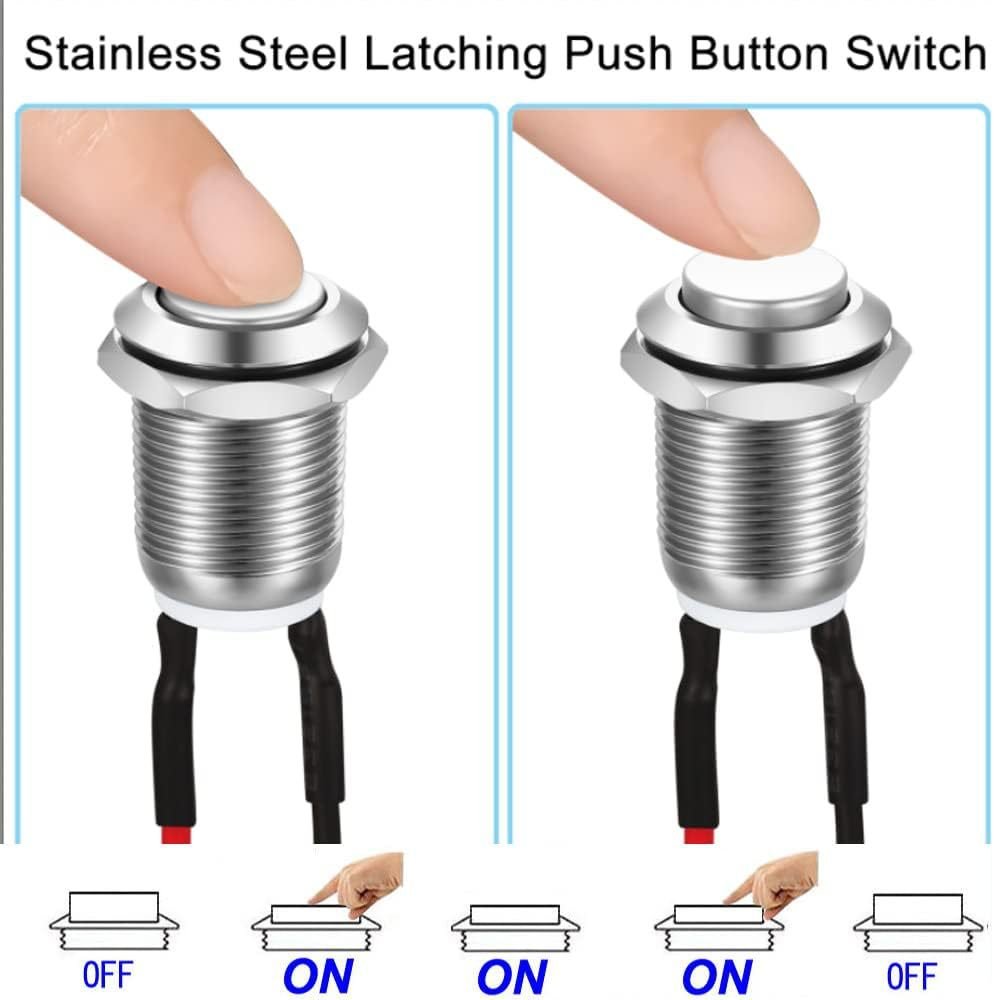
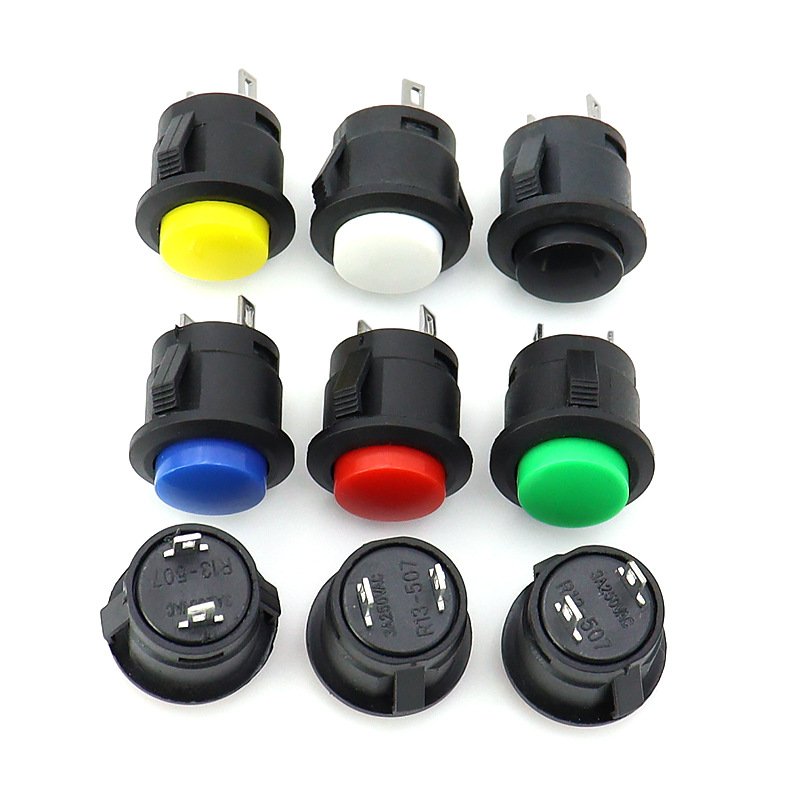
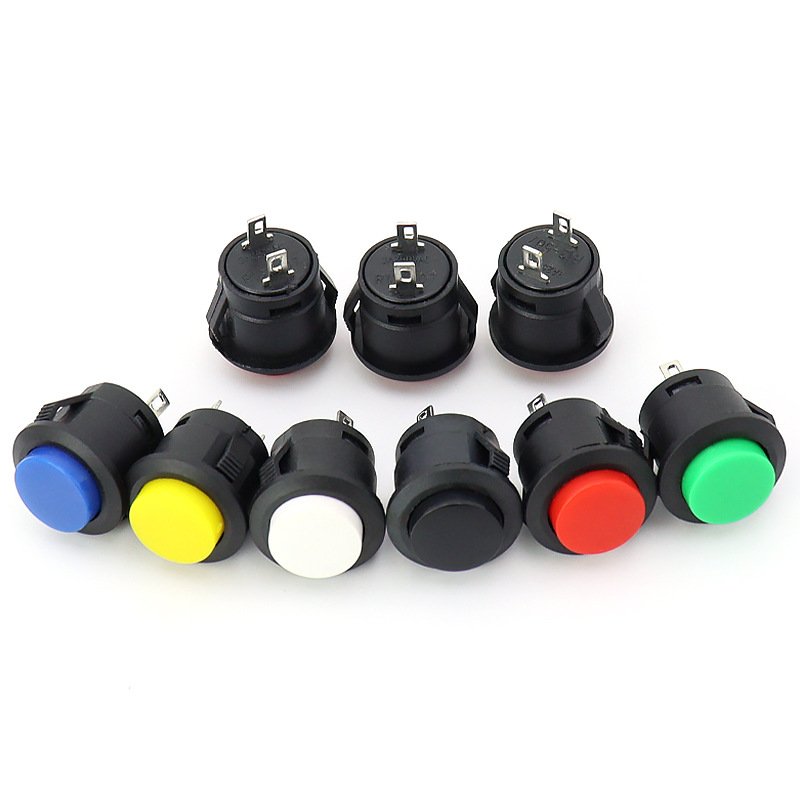
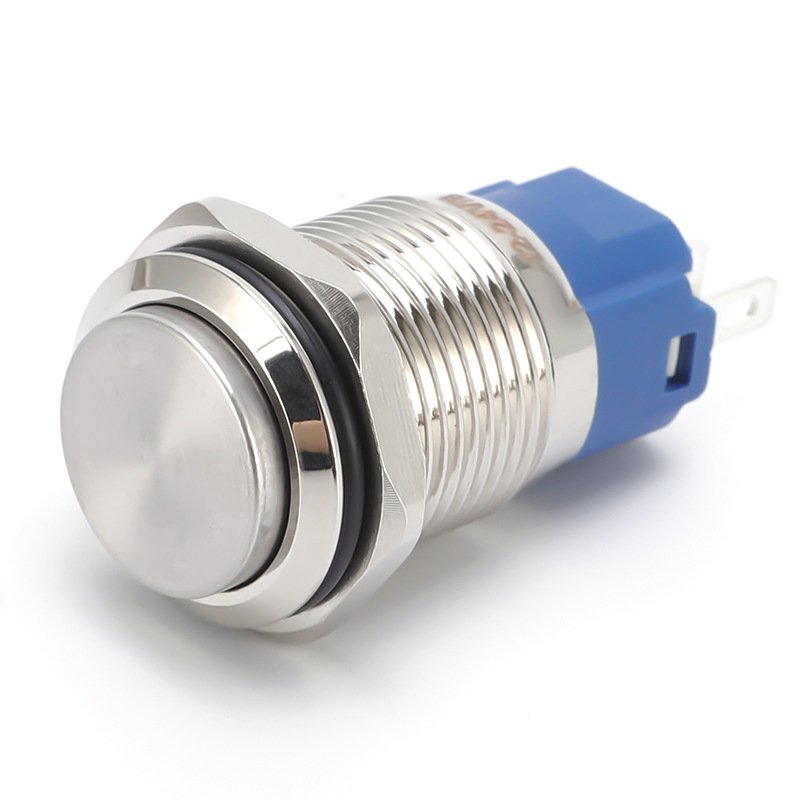
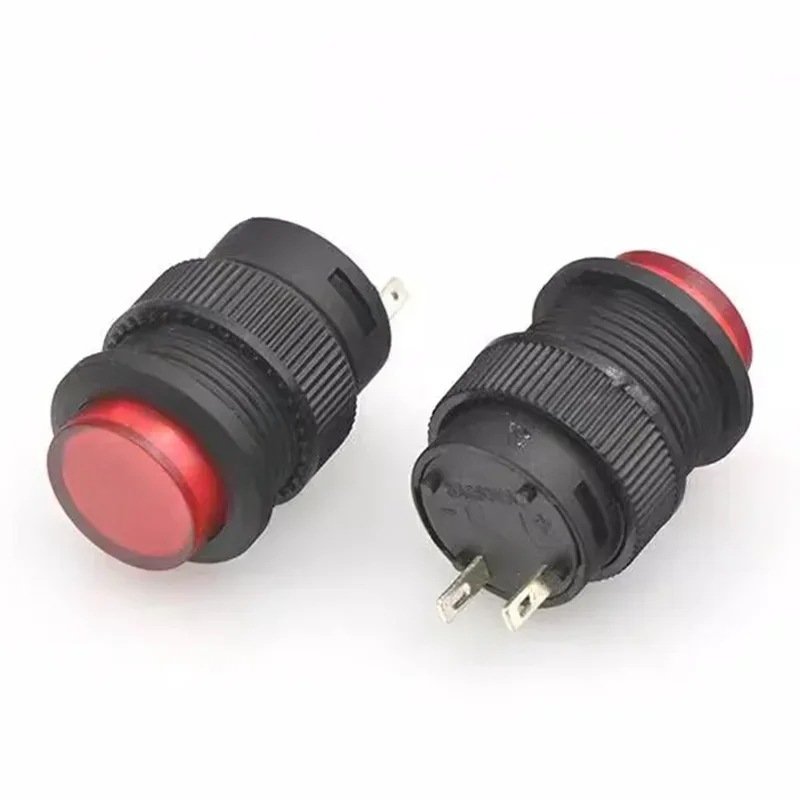
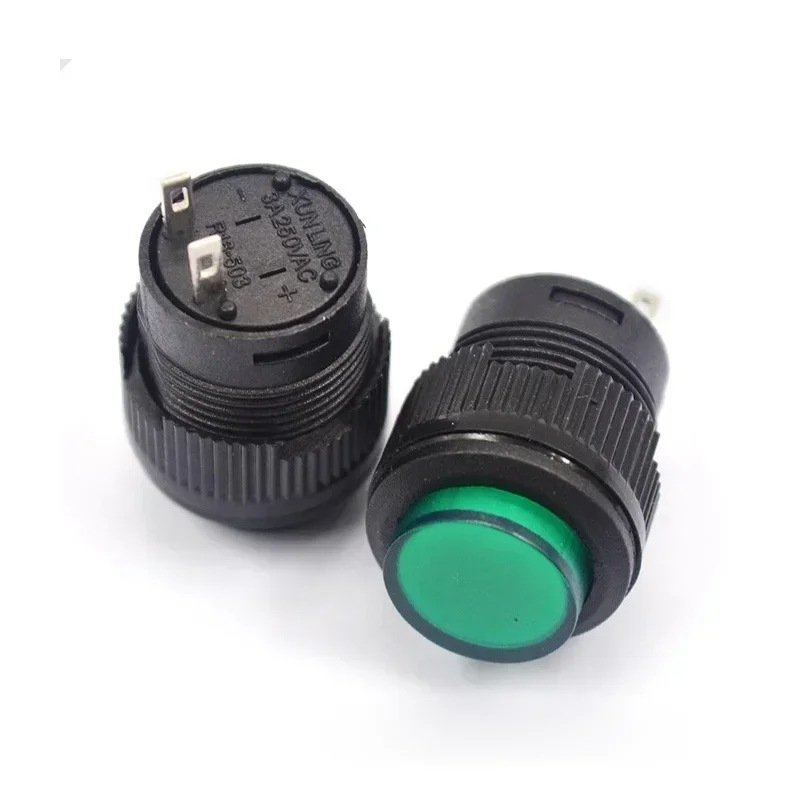
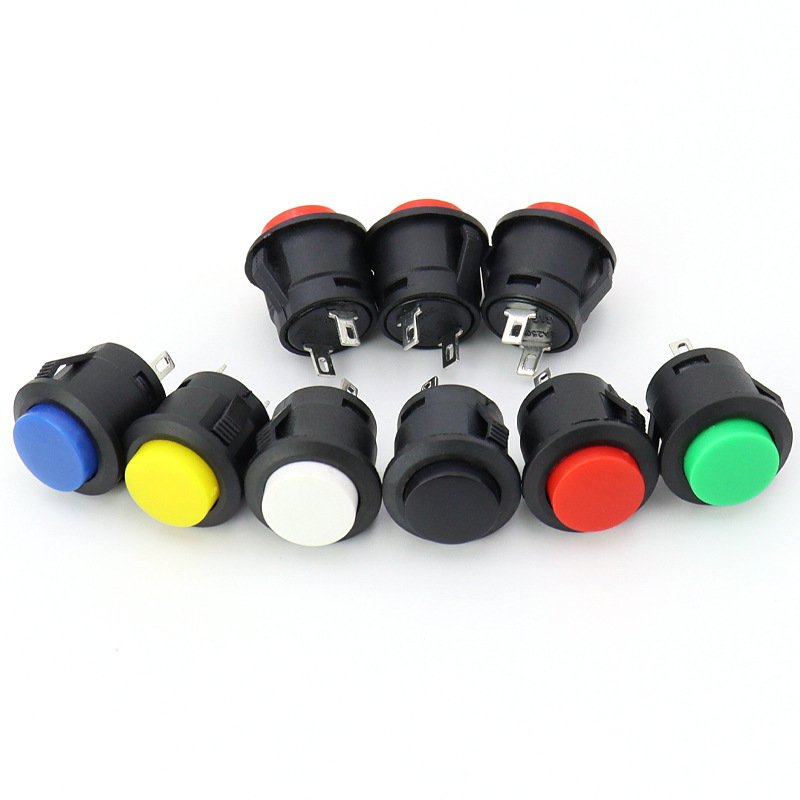
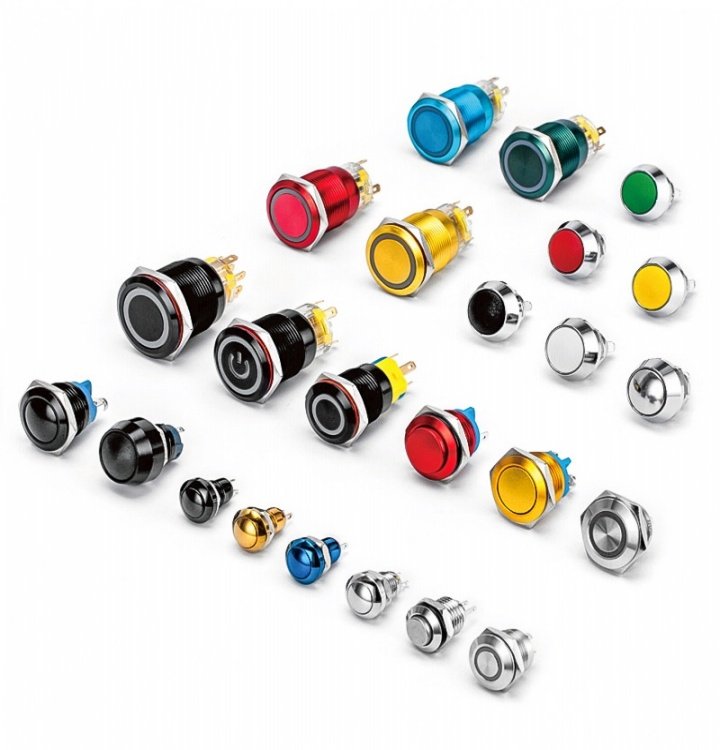
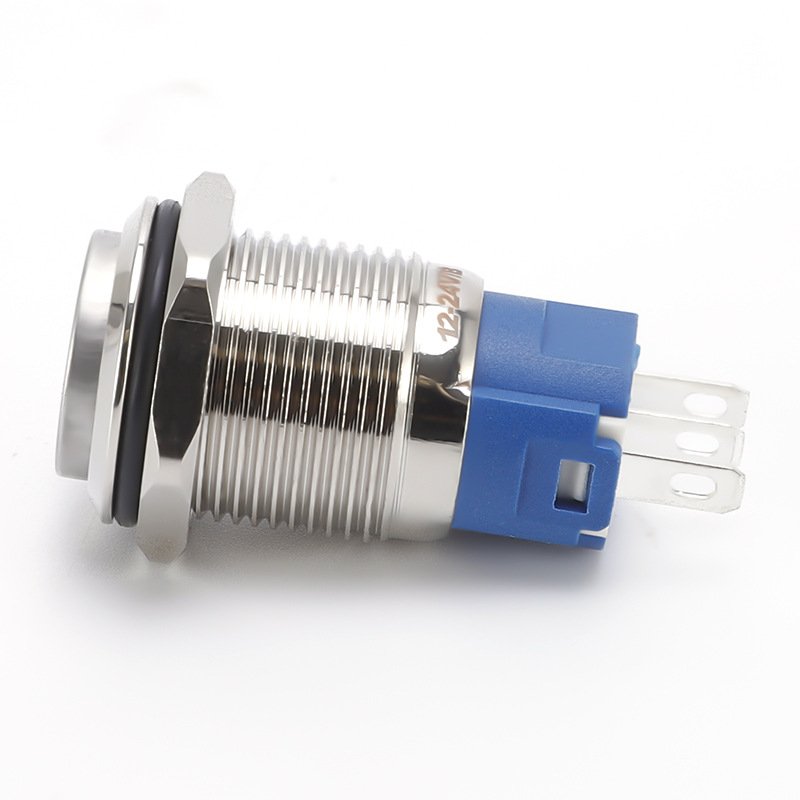
A push button switch is a momentary control device that closes or opens a circuit only while pressed. After release, it returns to its default state automatically. Browse our full range of Push Button Switch products to see typical industrial designs.
The core is to distinguish two basic contact types: Normally Open (NO) and Normally Closed (NC). These two structures decide all start and stop logic, and they are also the points that confuse many beginners. Therefore, mastering them is the first step toward safe wiring.
NO vs NC Push Button Switches: Key Differences
First, the normally open contact (NO) follows the rule “disconnected at rest, connected when pressed.” It is mainly used for green start buttons. The circuit conducts only while pressed, then resets to open after release. As a result, an auxiliary self-locking loop is usually added to keep the equipment running. A simple life analogy is a doorbell: the circuit stays off until you press the button.
In contrast, the normally closed contact (NC) works on “connected at rest, disconnected when pressed.” It is used exclusively for red stop buttons. The control circuit stays unobstructed in standby and cuts off immediately when pressed. Its reset feature restores the connected state after release. The clearest example is a refrigerator door light: it turns on when the door opens and off when the door closes. For safety, industrial stop buttons always use NC contacts. If a wire breaks or a fault occurs, the NC contact automatically disconnects the loop and forces the equipment to stop.
Safety Standards and Color Codes for Push Button Switches
Beginners can remember a universal rule: green means start, red means stop; NO controls startup, NC controls stop; the red stop button must always use NC contacts. In circuit diagrams, push button switches are marked with the symbol SB, short for Switch Button. The labels SB1 and SB2 simply indicate the first and second buttons in a loop.
This red-stop and green-start color scheme is not random. Instead, it strictly follows the international IEC 60417 safety standard. Red signals stop, danger, and emergency, arousing instinctive vigilance. Green signals start, safety, and normal operation. This humanized design is critical in noisy factories, where workers can judge by color alone. The same logic appears in daily life, such as the green open and red close buttons of elevator doors.
Common Beginner Mistakes With Push Button Switches
First, not every button conducts when pressed. The stop button is designed to disconnect the circuit, so wrong wiring causes serious failure. Second, industrial push buttons differ from household wall switches. Household switches are latching and keep their state after one press. By contrast, industrial push buttons are momentary and reset right after release. Understanding these points helps standardize wiring and reduce failure rates.
Conclusion
A push button switch is far more than a simple component. It is the safe interactive medium that activates entire electrical systems and makes industrial power control controllable. By learning NO and NC logic, IEC color codes, and common pitfalls, both beginners and professionals can build safer and more reliable control circuits.
FAQ
Q1: What is the difference between NO and NC push button switches?
NO contacts stay open at rest and close when pressed, used for start buttons. NC contacts stay closed at rest and open when pressed, used for stop buttons and safety circuits.
Q2: Why are industrial stop buttons normally closed (NC)?
NC contacts fail safe. If a wire breaks or a fault occurs, the circuit opens automatically and forces the equipment to stop, preventing accidental startup and injury.
Q3: Can a push button switch replace a main power switch?
No. A push button switch is a momentary control device for signaling contactors. The main power isolation should use a dedicated disconnect or circuit breaker.