Blog
Rocker Switch Copper Plating: Silver, Gold & Nickel Compared

Why Rocker Switch Plating Choices Matter to B2B Buyers
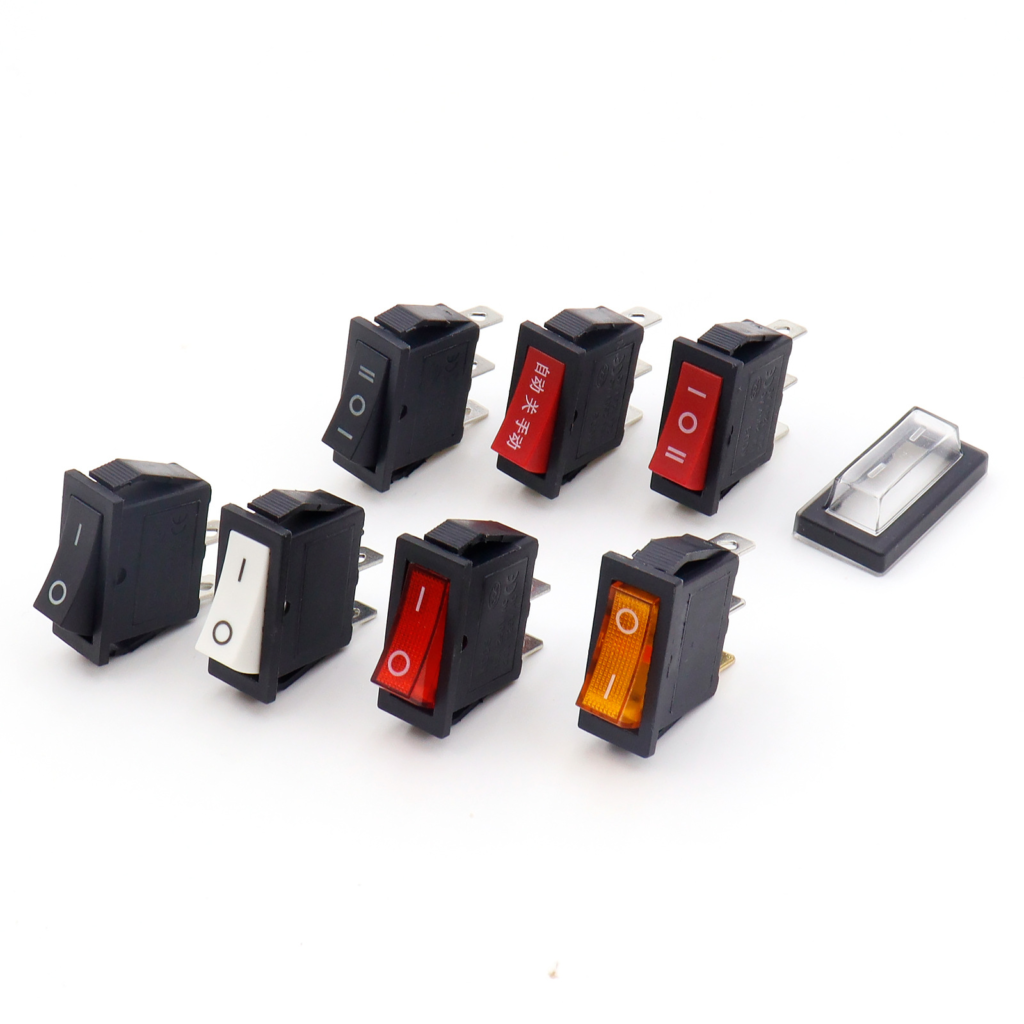
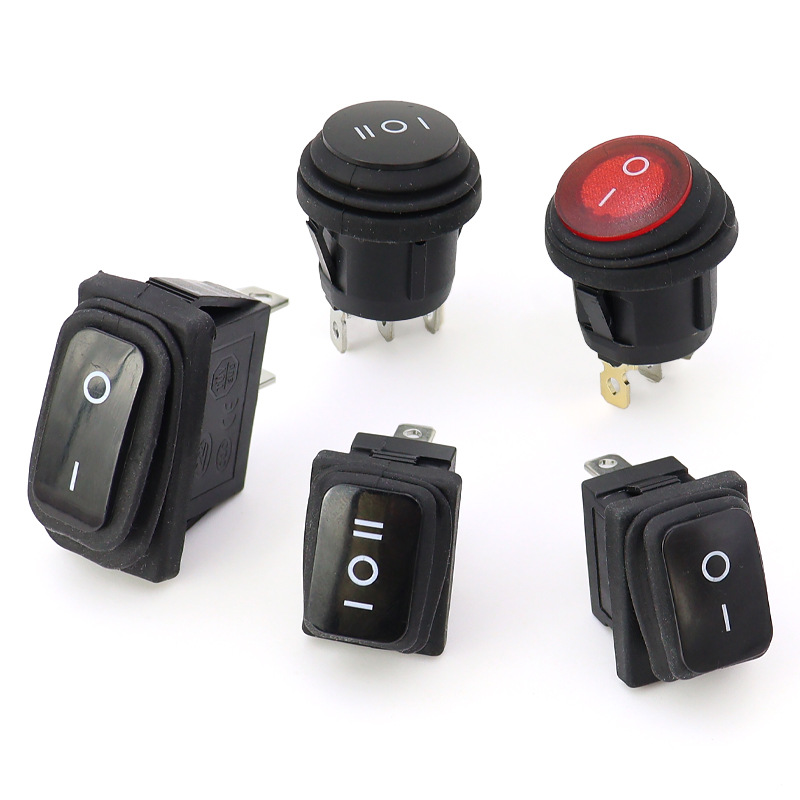
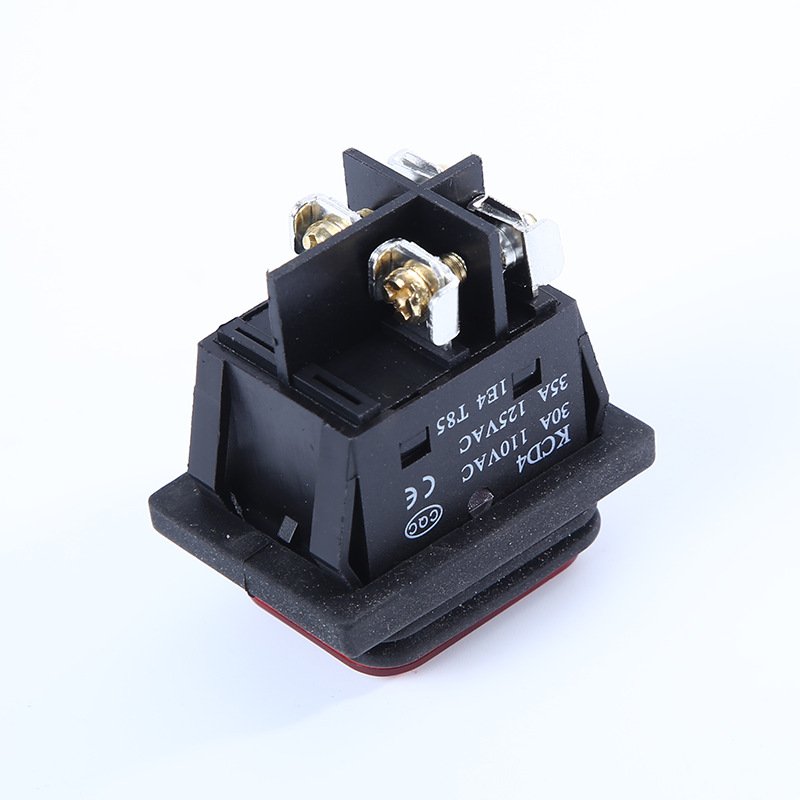
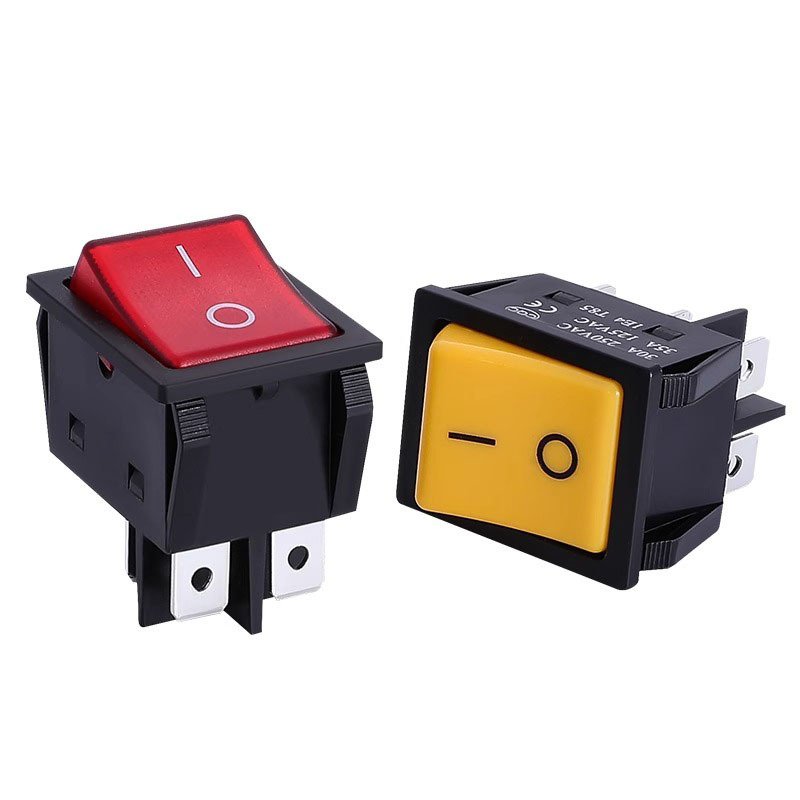
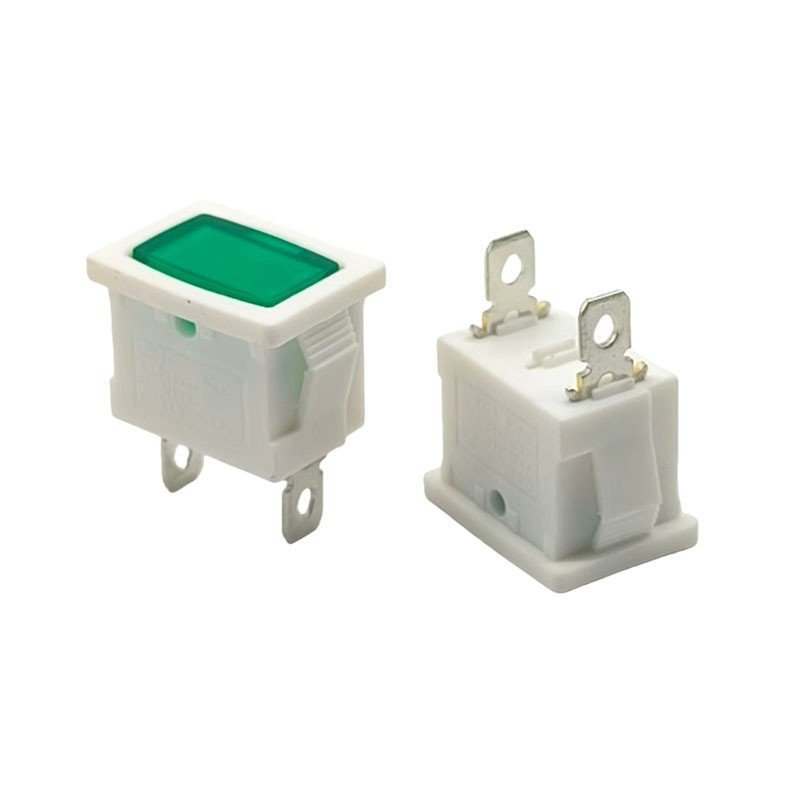
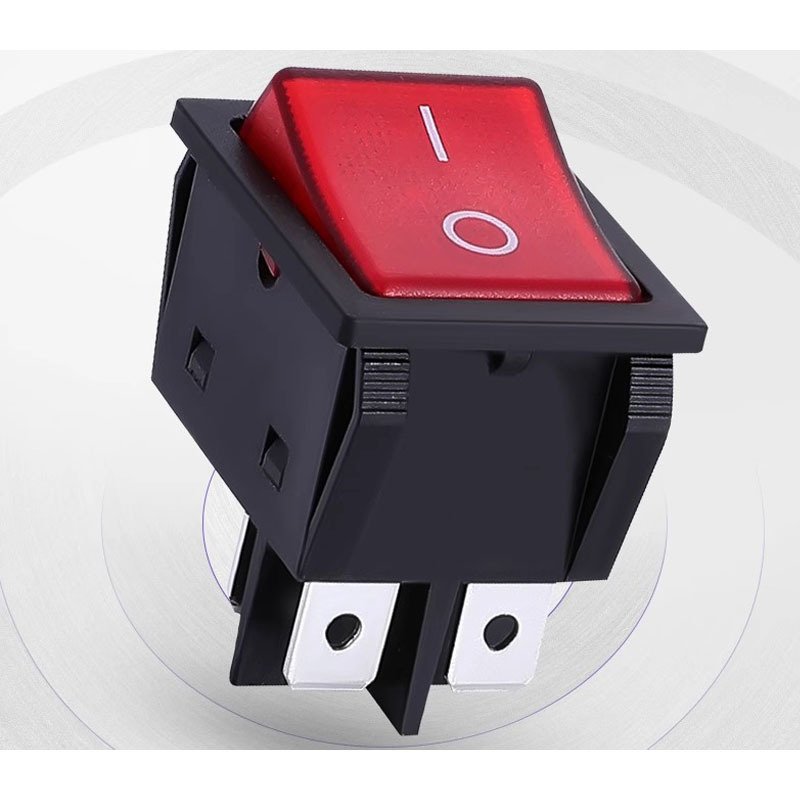
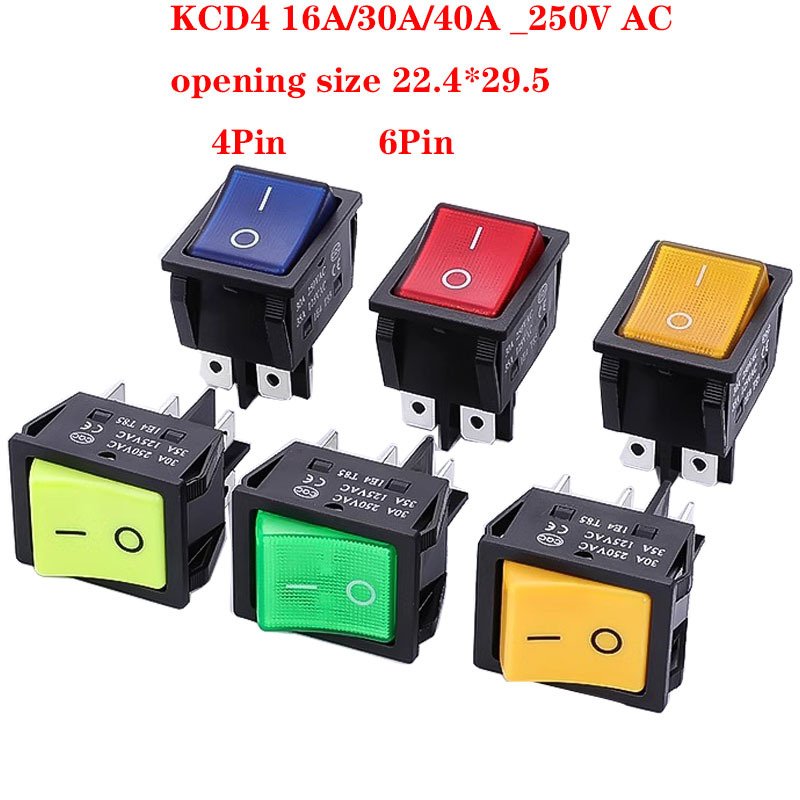
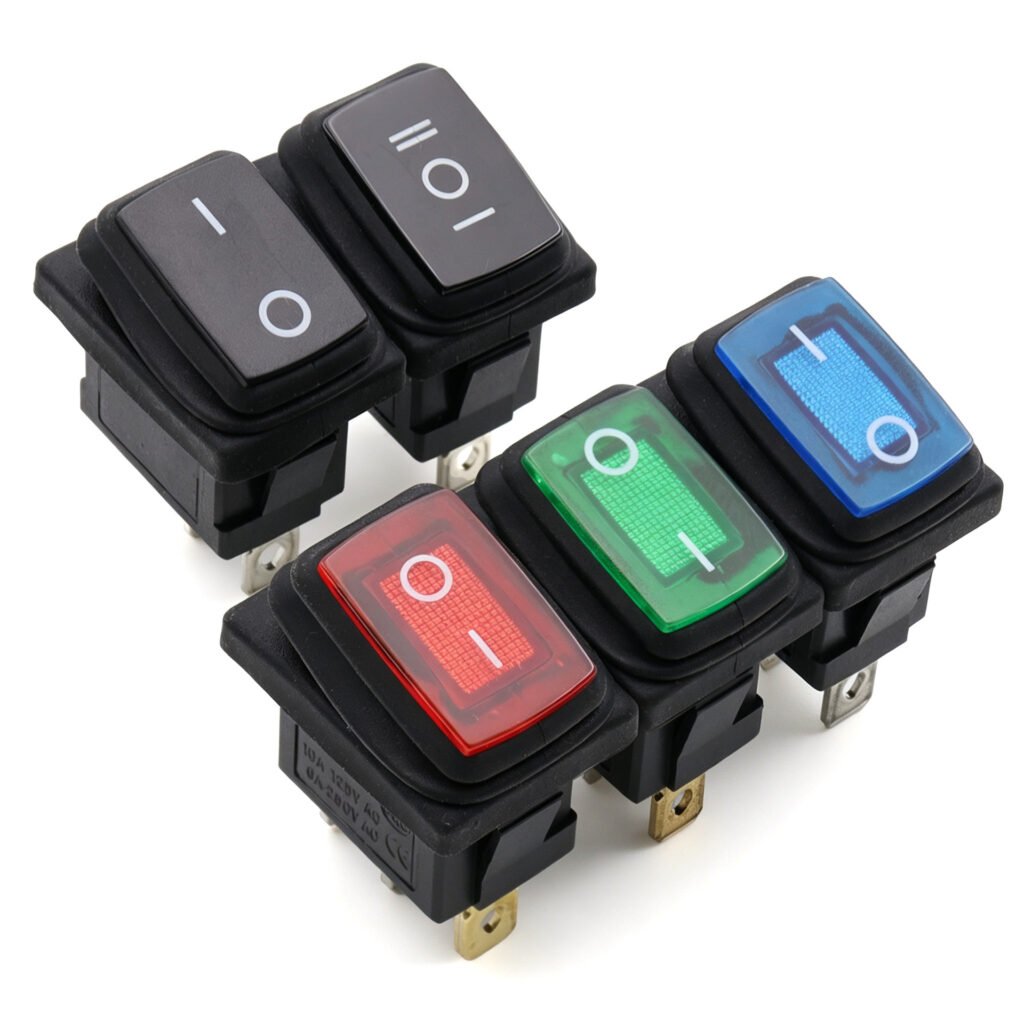
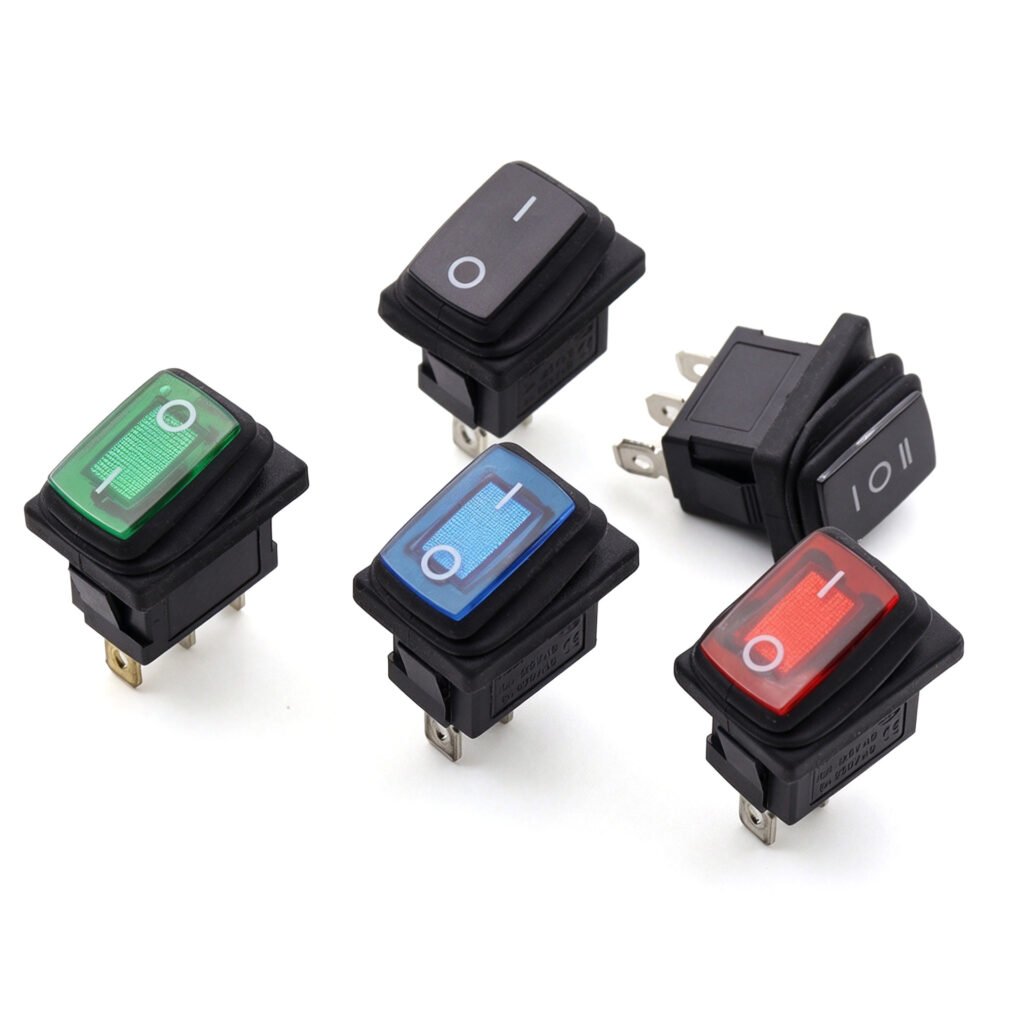
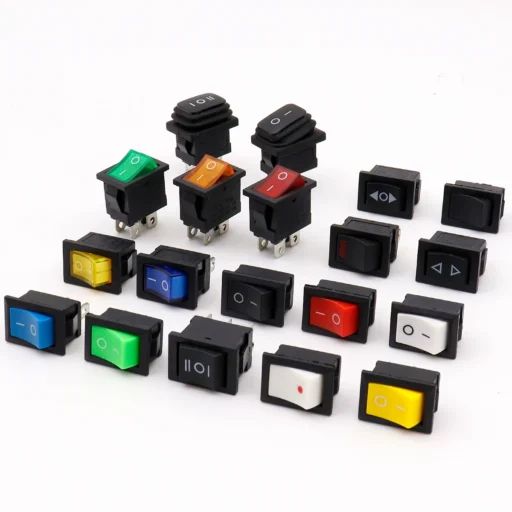
A rocker switch is a common control part in industry, appliances, power tools, car mods and boats. However, B2B buyers should look past size and current rating. In particular, the copper contacts and their plating decide real performance. This choice drives conductivity, life, corrosion resistance and cost. Therefore, we compare three plating types for the rocker switch: silver, gold and nickel.
Why Do Copper Parts Need Surface Plating?
Copper conducts current very well, but it has a weak point. In a rocker switch, the contacts open and close many times. Each break can spark a small arc and create heat. Over time, this burns the contact and raises resistance. Worse, bare copper turns black in damp or salty air. As a result, the black film then blocks the current flow.
Thus, plating the copper solves these problems. First, it lowers contact resistance. Second, it cuts oxidation and corrosion. Moreover, it improves wear life and ends arcs easily. Consequently, the rocker switch stays stable for years.
Silver Plating: High Conductivity at a Fair Cost
Also, silver plating is the top pick for many rocker switch models. Furthermore, silver is the best conductor after superconductors. It also ends arcs fast, which suits medium and high current. Still, a thin silver layer forms black silver sulfide in air. However, this film barely hurts conductivity.
Pros: Silver gives low resistance and strong current flow. In addition, it costs less than gold. Factories can also plate it in high volume with ease.
Cons: However, silver can turn black in sulfur-rich air. Its corrosion fight is also weaker than gold. Specifically, for milliamp signals, the sulfide film may break very small currents.
Best uses: For example, best uses include power switches from 10A to 20A. Panels for welders and compressors also fit well. Similarly, marine power boards need sealed waterproof builds. Moreover, large-current home appliances are another good fit.
Example: For instance, an outdoor generator used a silver-plated version. It ended arcs fast under high load and cost less than a gold build.
Gold Plating: Maximum Signal Safety and Corrosion Defense
In contrast, gold plating gives the best safety for weak signals in a rocker switch. Specifically, gold is a noble metal that rarely oxidizes. It also stays stable in harsh air. Therefore, use it where a weak signal must stay true.
Pros: Gold blocks oxidation and corrosion with extreme strength. In addition, it fits low-current and milliamp circuits. Its smooth face also shows very low wear over time.
Cons: Gold costs far more than silver or nickel. A thick layer is costly, but a thin one wears out fast. It also burns under high current, so it is wrong for power loads.
Best uses: For example, best uses include medical device panels. High-end car and plane consoles also rely on it. Similarly, comms gear with weak signals is another fit. Premium marine electronics need salt-fog proofing too.
Example: For instance, a luxury RV brand used gold-plated contacts. The low-voltage signals for lights and media never failed from oxidation.
Nickel Plating: The Cost and Protection Balance
Meanwhile, nickel plating in a rocker switch sits between cost and protection. Nickel is hard and fairly wear-resistant. It also fights corrosion well in damp or salt-spray air. Its conductivity is lower than silver or gold, yet still above bare copper.
Pros: Nickel costs less than silver and gold. In addition, it beats bare copper on rust and scratch resistance. The plating also bonds tightly and lasts.
Cons: Nickel conducts worse than silver or gold. It suits small current or non-key contacts. It may spark and burn at high power. Frequent use can also wear the layer.
Best uses: Low-load appliance rocker switch units such as fans and lamps are a key case. Similarly, common light panels are another case. Bulk home gear with tight cost targets also fits.
Example: For instance, a white-label maker bought nickel-plated parts for small purifiers. They resisted damp air and cut unit cost by a clear margin.
How Plating Choice Impacts B2B Procurement
For B2B buyers and engineers, plating choice changes more than function. It also changes cost in a big way. Our Rocker Switch contact guide explains the link in detail.
Regarding cost, gold costs most, silver is next, nickel is cheapest. Moreover, silver wins on conductivity, gold follows, nickel trails. For corrosion, gold is best and nickel beats silver. Regarding upkeep, gold needs almost none. Silver needs sulfur protection, but nickel fits cheap spots.
Therefore, use this quick map for selection. First, for big current, pick silver. For outdoor or salt fog, seal it, then use nickel or gold. Second, for weak signals, pick gold. For cheap bulk, pick nickel, then add coating if needed.
Future Trend: Composite and Self-Lubing Plating
In addition, some makers now use combo plating. They plate nickel first, then silver on top of copper. This boosts bond and corrosion fight. Others plate gold only on the signal face and silver elsewhere. This keeps signals true while saving cost.
New self-lubing layers, like silver-graphite, also cut dry wear. They also extend the service life of the part.
Conclusion
A rocker switch looks simple, yet its copper plating decides real-world reliability. The right plating protects conductivity, life and upkeep cost. Review your load, environment and budget, then pick the best plating. For deeper help, see our Rocker Switch material comparison and contact resources.