Blog
Rocker Switch Housing Materials: PA, PC, PPO Cold Brittleness Guide

Why Rocker Switch Housing Material Matters
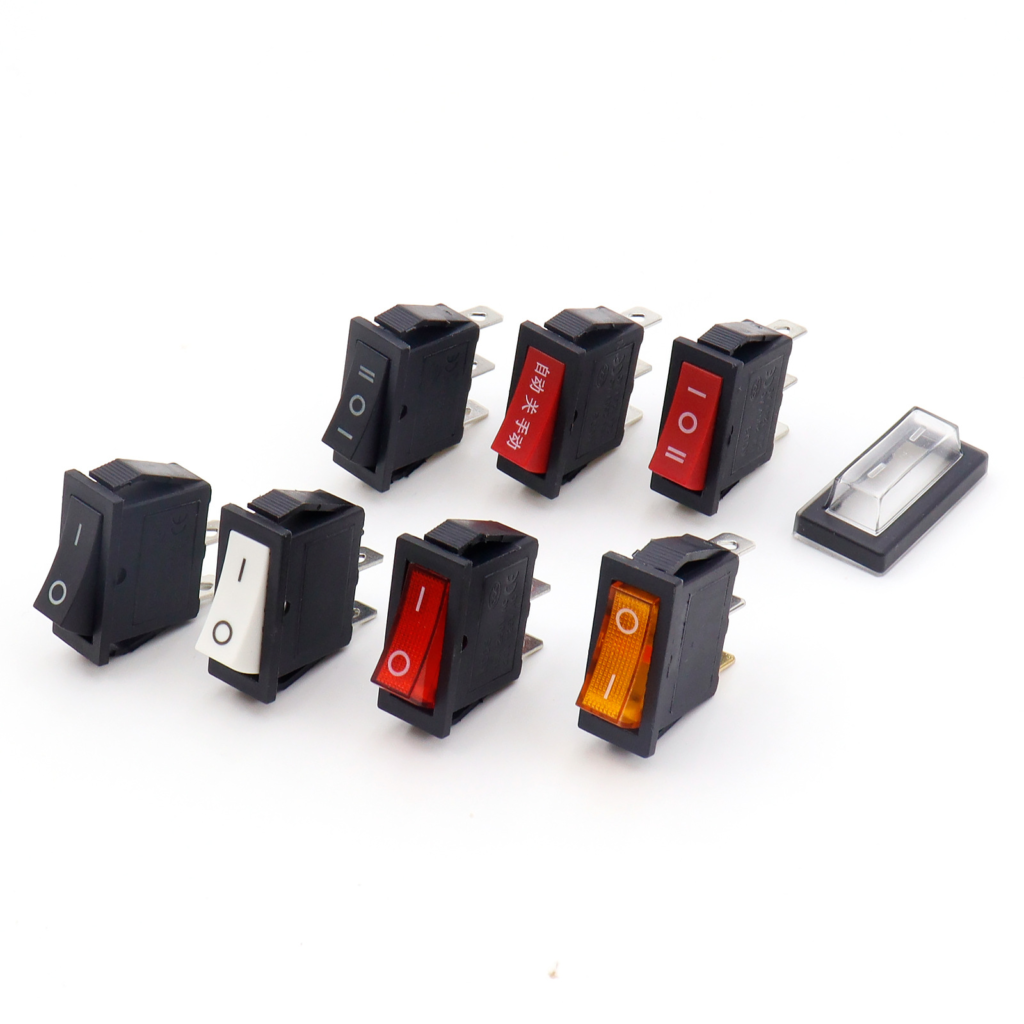
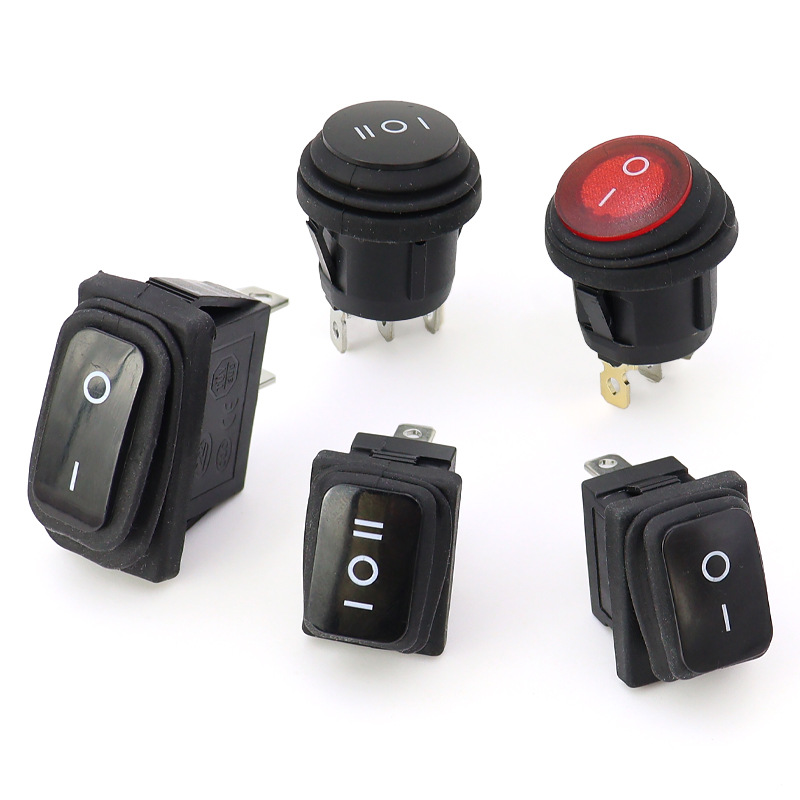
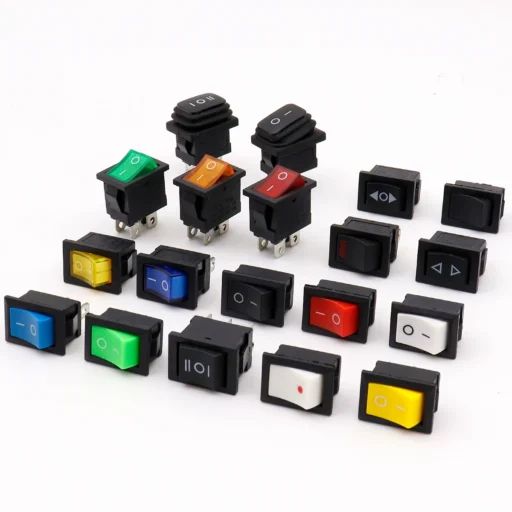
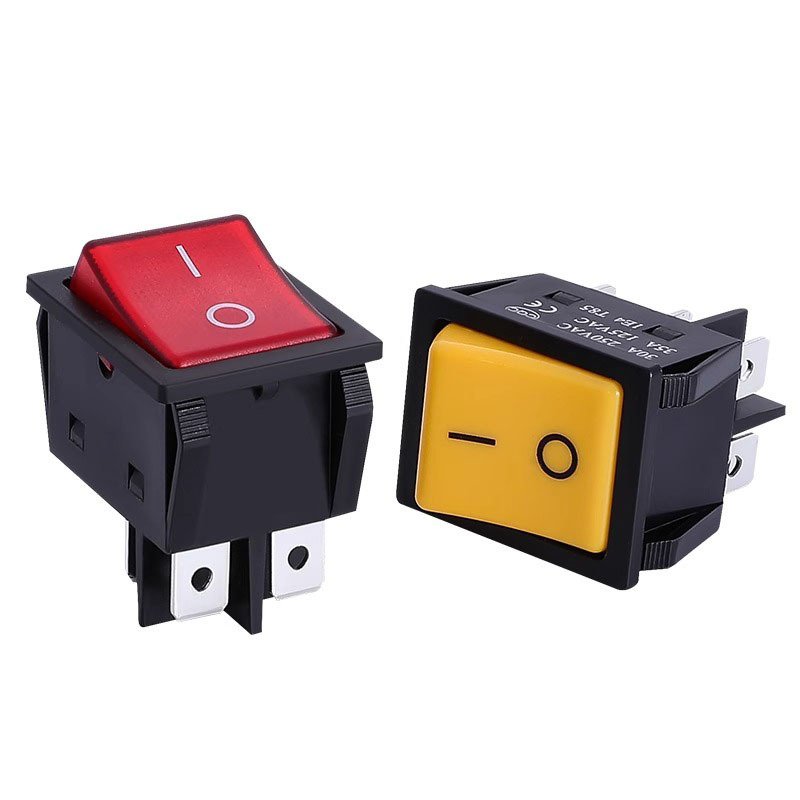
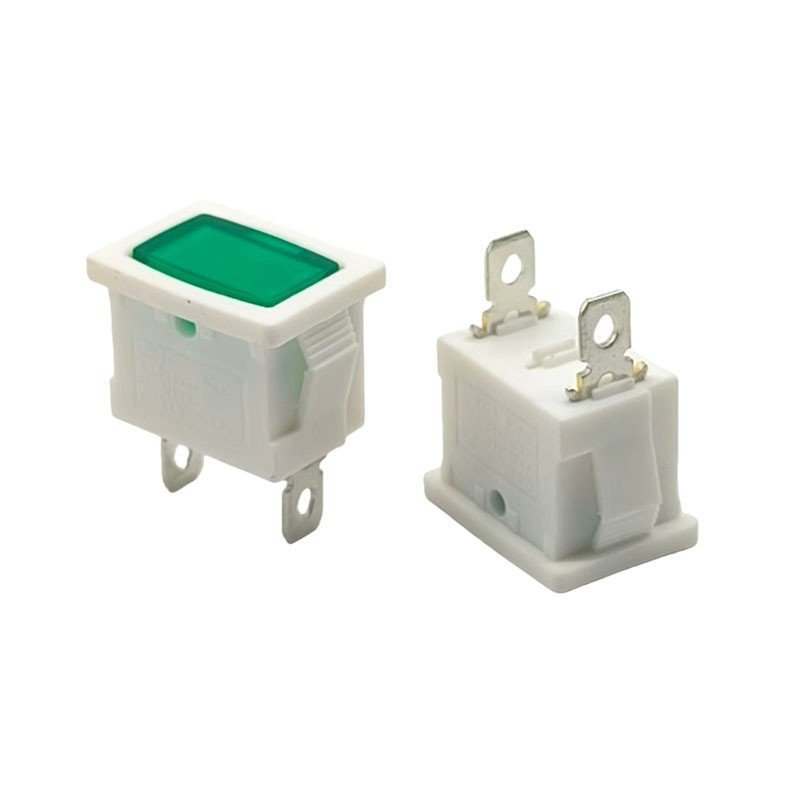
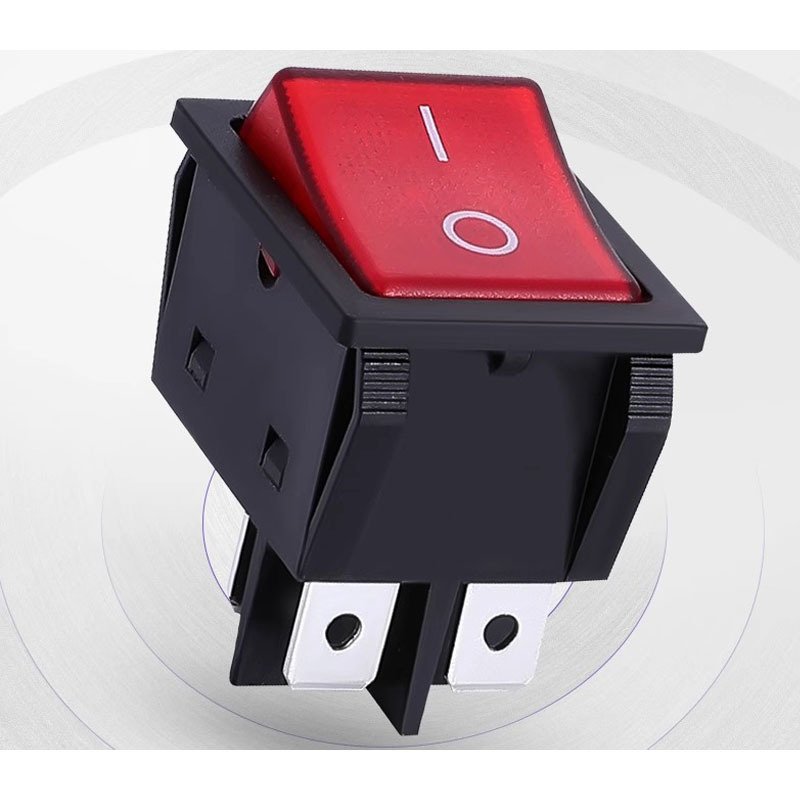
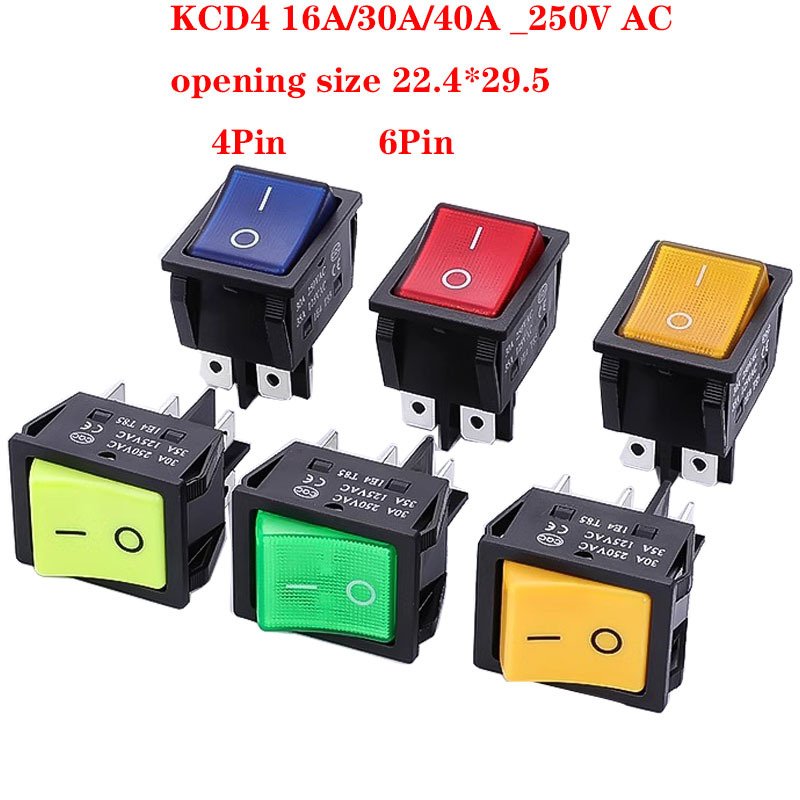
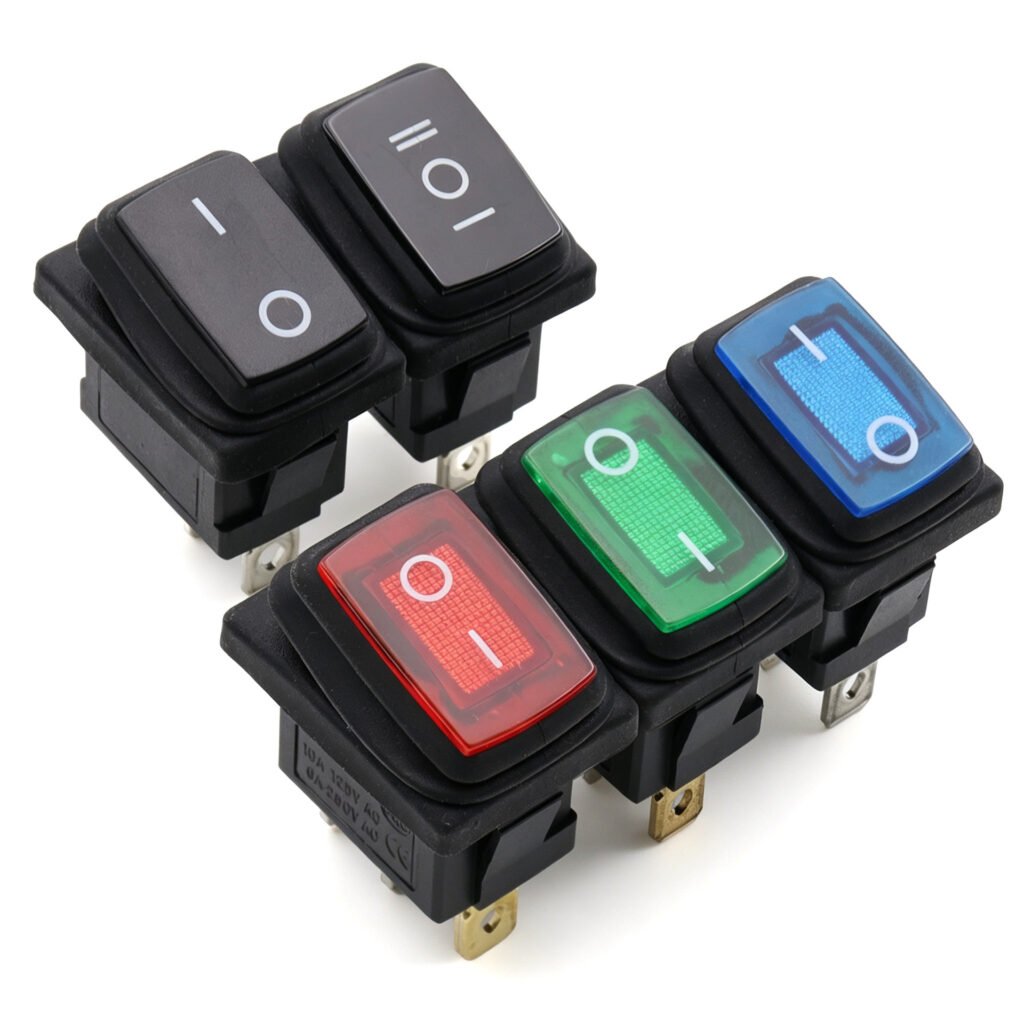
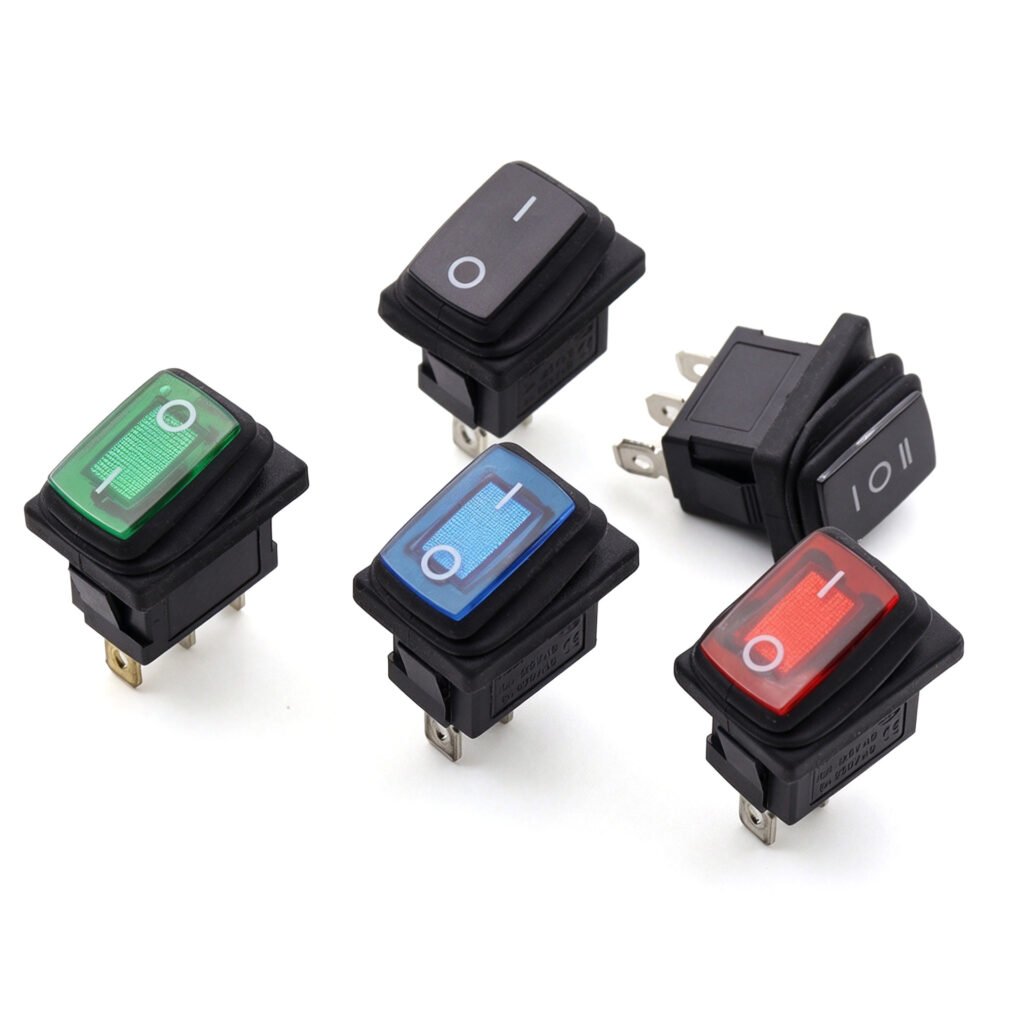
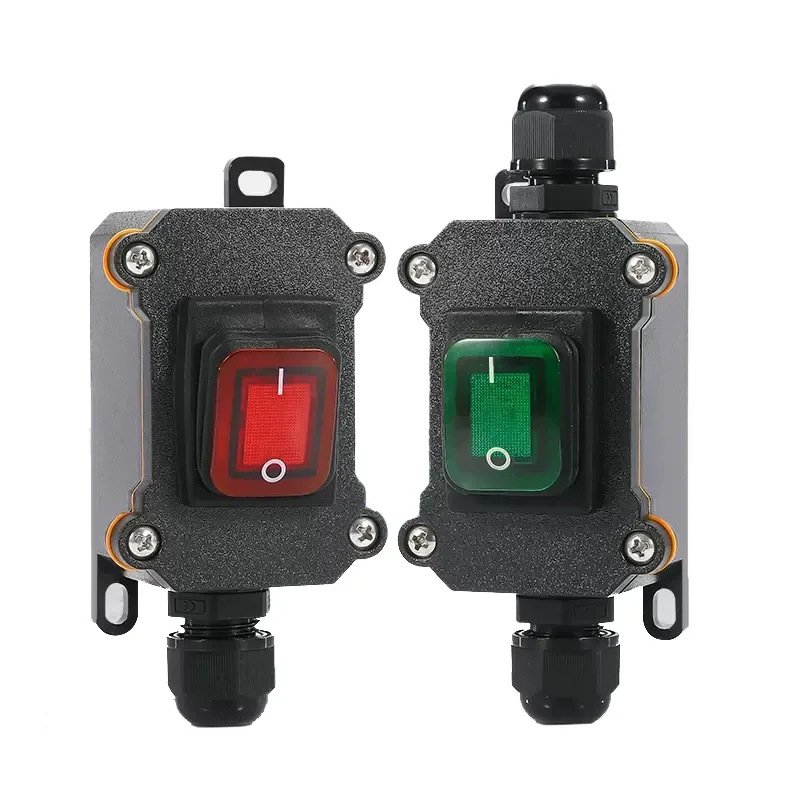
A rocker switch works in home appliances, industrial machines, car panels, outdoor boxes, boats and RVs. However, B2B buyers should look past price and size. The housing material decides mechanical strength, long-term stability and cold-field safety. In particular, low-temperature brittleness becomes a hidden killer in outdoor, automotive and alpine use. Therefore, this guide compares three common housing plastics for the rocker switch: nylon (PA), polycarbonate (PC) and PPO.
Why Does Cold Brittleness Matter?
For indoor devices, a rocker switch usually works between -10°C and +60°C. However, several scenes push plastics far below that range. For example, outdoor power and lighting gear can face -30°C in winter. Cars, RVs and refitted boats can see -40°C in alpine or cold zones. Cold-chain control panels also work below -20°C all year. Northern farm facilities face similar deep cold.
Near its brittleness point, plastic loses toughness. As a result, it may crack on impact, snap clips during install or break under normal use. Therefore, the right material controls equipment reliability at the source.
Nylon (PA66): Tough, Affordable and Bulk-Friendly
Nylon is a tough, wear-resistant and cost-friendly engineering plastic. Because of this, many rocker switch shells, bases and snap clips use PA66.
Brittleness point: Unmodified PA66 turns brittle near -40°C to -50°C. However, nylon absorbs water, so a damp part stays tougher while a dry part gets brittle in deep cold.
Pros: It gives strong wear life and stable clip structures. It also costs less than PC and PPO. Molding is easy for large batches.
Cons: High water uptake hurts size stability. Long damp use may soften or swell the part. UV exposure also yellows it over time.
Best uses: Indoor appliances and office power gear. Modified PA66 also fits -40°C outdoor equipment. Engineering machine panels are another good fit.
Example: A North American buyer chose PA66+GF30 for snow-blower switches. The glass fiber kept impact toughness stable at -35°C.
Polycarbonate (PC): Best Cold Impact and Clear Windows
In contrast, PC keeps its toughness at far lower temperatures. Its brittleness point sits near -100°C to -135°C. Therefore, PC stays impact-resistant even in extreme cold.
Pros: It offers superb cold impact strength. It also has low water uptake and stable dimensions. Clear or tinted windows for lit switches are easy to mold.
Cons: The surface scratches easily. UV exposure can yellow it, so add UV stabilizers. Cost and molding demands are also higher.
Best uses: Lit rocker switch windows and viewports. Cold-chain control buttons. Premium automotive electronics.
Example: An RV maker used a PC shell with an LED window. The switch stayed workable at -40°C in North American mountains.
PPO and Noryl Blends: Stable, Insulating and Premium
Meanwhile, PPO is rarely used alone in rocker switch shells. Most grades blend PPO with PS or other engineering plastics. Its strengths are stable size, strong insulation and balanced heat and cold behavior.
Brittleness point: Pure PPO turns brittle near -50°C to -60°C. Modified grades such as PPO+PS sit near -40°C.
Pros: It gives superb electrical insulation for critical controls. It also has low water uptake and stable dimensions. Short-term heat peaks of 120°C to 140°C are safe.
Cons: Raw material and processing costs stay high. Fewer suppliers exist, and some grades need import.
Best uses: Premium shells with high flame or heat demands. Distribution boxes and outdoor substations. Protective switches in comms gear.
Example: An Eastern European client chose PPO shells for mountain base stations. The switches showed no brittleness at -40°C.
Quick Comparison: PA66 vs PC vs PPO
The table below sums up the three plastics for fast selection.
| Property | Nylon (PA66) | PC | PPO |
|---|---|---|---|
| Brittleness temperature | -40°C to -50°C | -100°C to -135°C | -50°C to -60°C |
| Cost | Low | Medium | Medium-high |
| UV stability | Medium | Medium | High |
| Dimensional stability | Medium | High | High |
| Flame rating | V-0 easy to reach | V-0 easy to reach | V-0 easy to reach |
| Recommended scenes | Standard appliances, general outdoor | Extreme cold, lit switches | Premium gear, extreme heat and cold |
Design Details Beyond the Brittleness Point
Besides the brittleness point, check these details too.
Fire rating: Industrial switches often need UL94 V-0. All three plastics can reach it with additives. However, PC and PPO burn with less smoke and drip, which helps certification.
UV aging: Outdoor parts need UV stabilizers or coatings. Nylon and PC both need this help, while PPO is more stable by nature.
Waterproof sealing: Seal rings must match plastic shrinkage in cold. Because PC and PPO expand less, they hold IP67 to IP68 better over time. Our Rocker Switch sealing guide explains the structure in depth.
Cost and volume: Nylon wins for bulk standard parts. PC fits complex shells with windows. PPO fits premium custom builds.
Conclusion: The Right Material Wins Repeat Orders
A rocker switch looks simple, but its housing material decides cold-field reliability. Match the material to your lowest real temperature, then balance cost and certification needs. For deeper reading, see our Rocker Switch housing analysis and sealing design resources. In the long run, better materials mean fewer crack complaints and happier customers.