

Blog
Rocker Switch Sealing Structure Design: IP Protection & Waterproof Dustproof Principles

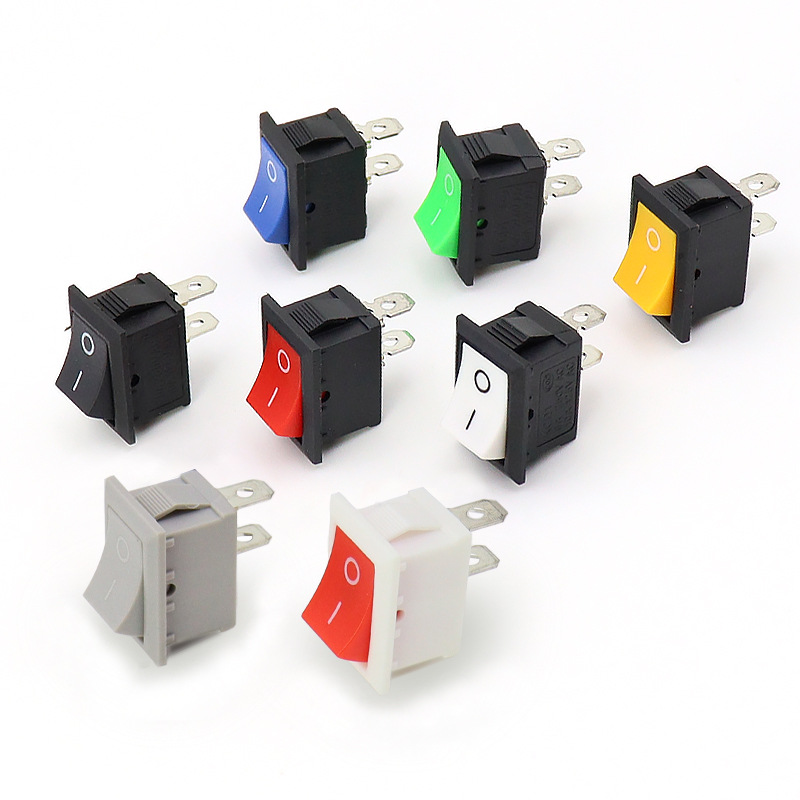
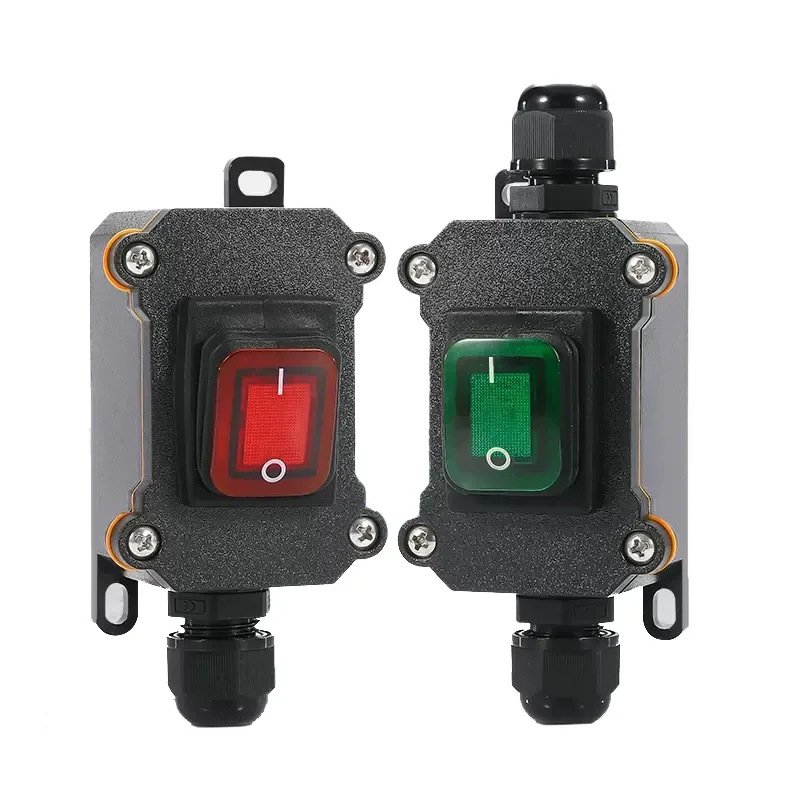
Rocker switches serve outdoor power equipment, marine systems, automotive electronics, and power tools. In these fields, waterproof and dustproof performance decides switch quality and suitability. High humidity, dust, and long-term immersion demand a well-designed sealing structure. Therefore, reliable sealing directly protects the safe operation of end equipment systems. Each working environment exposes the switch to a different stress level.
Sealing design is a core engineering task for switch manufacturers. However, many buyers overlook the internal structure behind an IP rating. A poor seal causes intermittent faults that are hard to diagnose in the field. So sealing quality often separates a reliable product from a failing one. This article explains rocker switch sealing structure design in clear terms. Thus engineers and purchasers can evaluate products and specify the right solution.
1. Basics of Sealing Structure: IP Rating Requirements (IEC 60529)
The IP (Ingress Protection) rating follows the international standard IEC 60529. IP6X marks the highest dust protection level. In contrast, IPX8 allows continuous operation under long-term water immersion. Therefore, outdoor and industrial equipment commonly requires IP67 or IP68 for harsh conditions. Between them, IP67 suits temporary immersion, while IP68 suits prolonged submersion. So the target rating should match the real deployment environment.
The core objectives of rocker switch sealing design include three points:
- First, prevent moisture and liquid ingress through gaps around the actuator and housing joints.
- Also, block dust and fine particles to avoid contact failure caused by contamination.
- Finally, maintain stable switching action and reliable electrical conduction over long service life.
These objectives apply to every rocker switch used outdoors or near water. Therefore, manufacturers balance sealing performance with cost and actuator feel. A good design meets the required IP rating without harming the pressing experience.
2. Gasket / O-ring Design for Rocker Switch Sealing
2.1 Functions and Key Installation Positions
Sealing gaskets are the core components that achieve IP protection. Manufacturers install them at three critical sealing positions.
- First, between rocker actuator and top cover: This stops water vapor from seeping along the toggle shaft.
- Also, between top cover and lower housing: This seals the joint of upper and lower shell parts.
- Finally, at the panel mounting area: This forms an external waterproof barrier between switch body and equipment panel.
2.2 Key Design Specifications for Sealing Gaskets
Proper gasket design follows three important rules.
- Preload and compression rate: After assembly, the compression rate should stay between 25% and 40%. Too little compression causes leakage. However, excessive compression accelerates gasket aging and permanent deformation.
- Recessed groove structure: Molded sealing grooves inside the housing hold the gasket firmly. Thus they prevent shifting or extrusion during assembly and operation.
- Double sealing structure: For high-reliability needs, designers apply double gaskets or a gasket plus potting seal. So this improves protection redundancy at critical points.
3. Waterproof Housing Structure and Overall Sealing Strategy
3.1 Housing Structural Design Principles
The housing geometry largely determines waterproof performance. Therefore, manufacturers follow three structural principles.
- Integrated injection molding housing: This reduces the number of assembly joints. So it minimizes potential water leakage paths from the source, compared with multi-piece spliced housings.
- Labyrinth flow path design: A tortuous labyrinth channel at housing joints extends the path for water penetration. Thus it slows down liquid ingress.
- Chamfer and backflow prevention: Chamfered edges at the interface reduce hydrostatic pressure buildup. In addition, they stop water from pooling at sealing seams.
Together, these housing principles reduce the number of weak points where water can enter. So they complement the gasket system rather than replace it.
3.2 Waterproof Design of the Rocker Actuator
The actuator moves constantly, so its sealing needs special care. Three designs address this challenge.
- O-ring press-fit shaft sealing: An O-ring fitted around the toggle shaft creates dynamic sealing during actuation. It also seals while the rocker switch is toggled.
- One-piece molded actuator cap: This design molds the rocker handle and sealing cap as a single piece. Therefore, it eliminates gaps from multiple assembled components.
- Drainage channel design: For switches that cannot achieve full hermetic sealing, built-in drainage grooves guide accumulated liquid out. So they avoid trapped water inside the housing.
Conclusion
Sealing structure design is the core factor that determines rocker switch reliability and environmental adaptability. Proper selection of gasket materials, advanced potting technology, and optimized housing geometry greatly improves switch stability. In addition, strict dustproof control extends service life in harsh environments.
For B2B buyers and equipment engineers, understanding these technical details helps during product selection. In addition, it supports smooth communication with manufacturers for custom projects. Thus the selected rocker switch matches the actual working environment requirements.
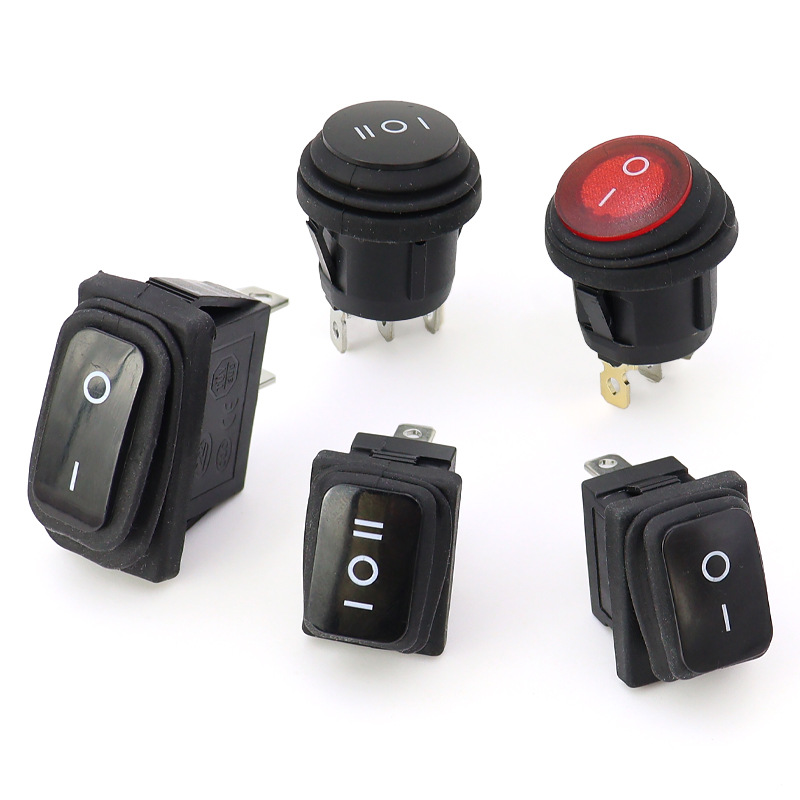
Buyers should confirm the tested IP rating and the sealing method before placing an order. So they avoid field failures that damage the whole equipment. We provide IP67 and IP68 waterproof rocker switches with mature sealing structure design and custom sealing solutions. Contact us for technical support and quotations for marine, outdoor, power tool, and automotive applications.


One thought on “Rocker Switch Sealing Structure Design: IP Protection & Waterproof Dustproof Principles”