

Blog
Push Button Switches: Functions, Structure, Types, Symbols & Troubleshooting Guide

Related Posts
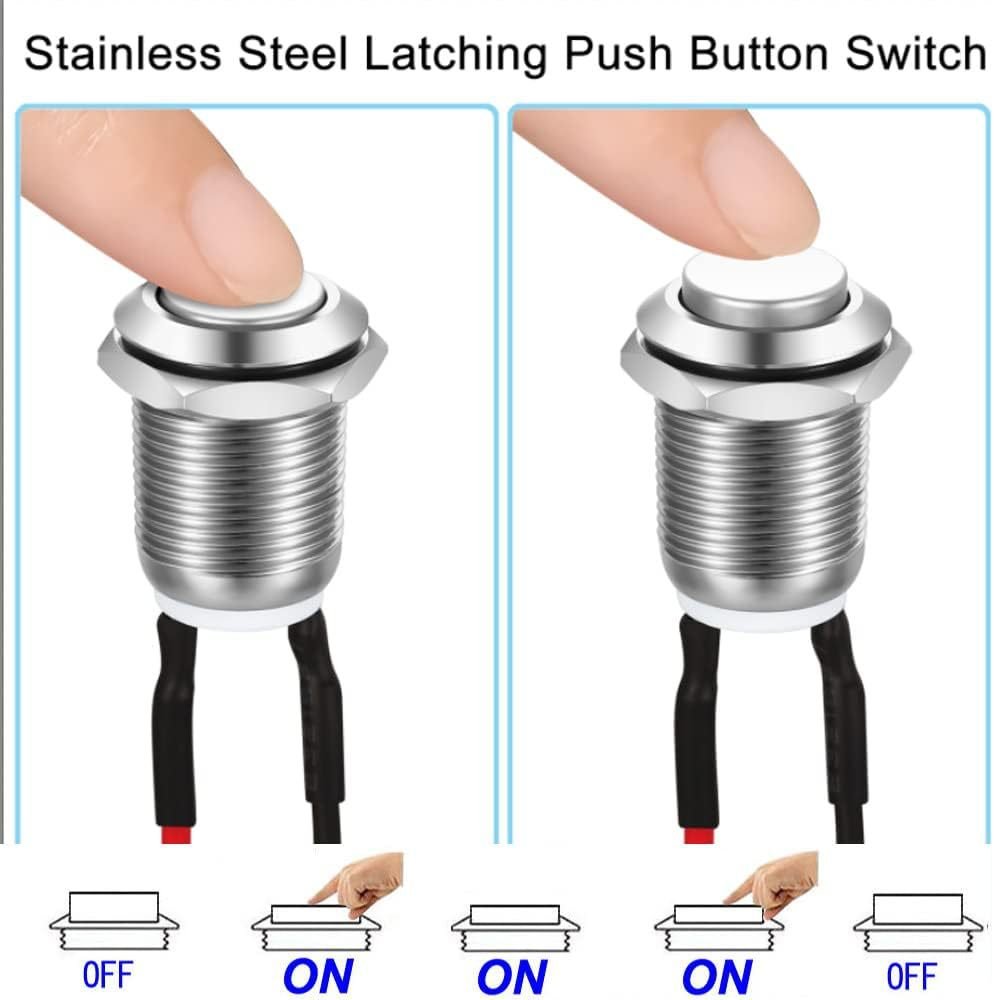
Metal Push-Button Switch Failure Modes and Engineering Fixes
Analyze common metal push-button switch failure modes—contact erosion, key sticking, LED failure, sealing failure—and the engineering countermeasures for each.
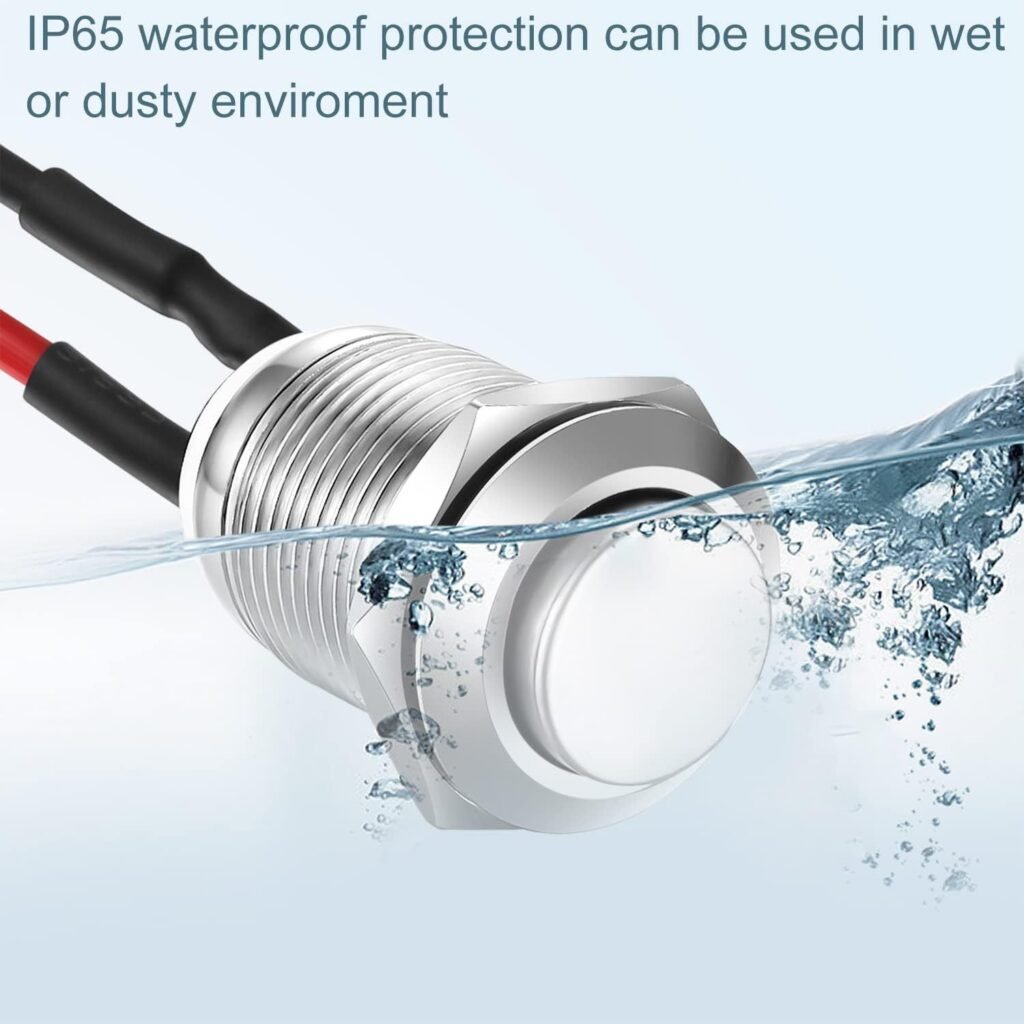
Metal Push-Button Switch Mechanical Life Enhancement: Structure and Materials
How to extend metal push-button switch mechanical life beyond 1M cycles: spring dome, lever plunger, double dome, materials, lubrication and life testing.
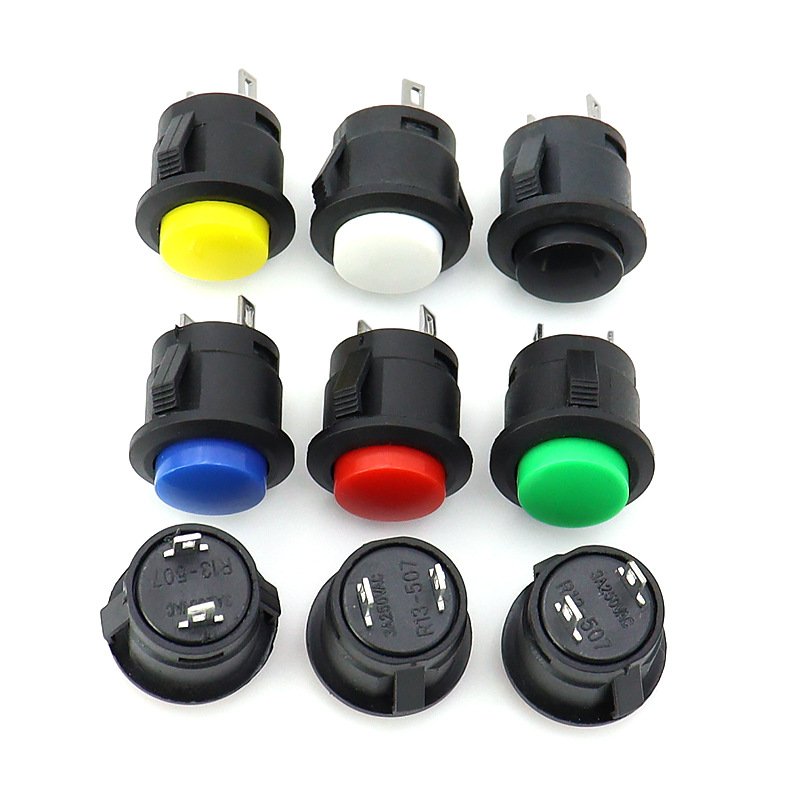
Push-Button Switch Noise Reduction: Damping, Isolation and Design
Push-button switch noise reduction: damping design, vibration isolation, and soft-material methods with real medical-device cases.
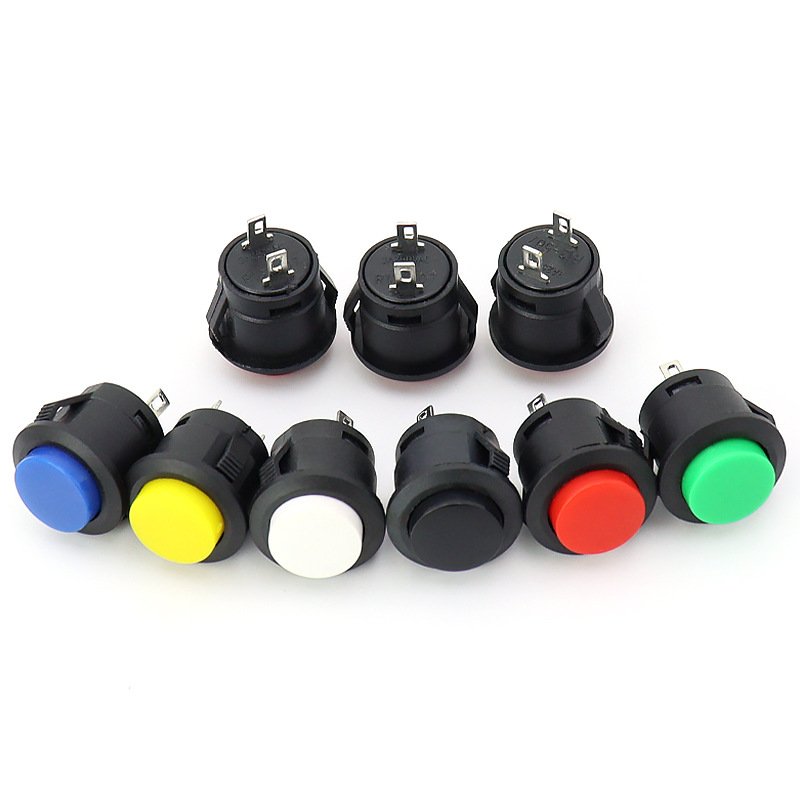
Push-Button Switch Life Prediction and Reliability Testing Methods
Push-button switch life prediction and reliability testing: salt spray, damp heat, vibration, and HALT/HASS methods with industry standards and real cases.
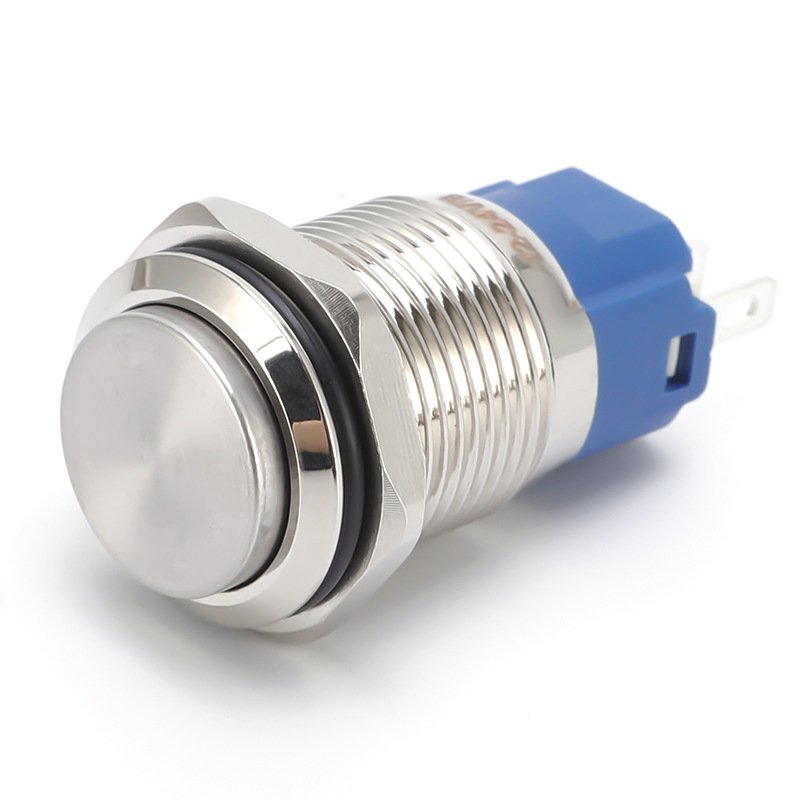
Metal Push-Button Switch Surface Treatment: Processes for Wear and Corrosion Resistance
Metal push-button switch surface treatment: anodizing, PVD, and nickel/chrome plating improve wear resistance, corrosion protection, and appearance.
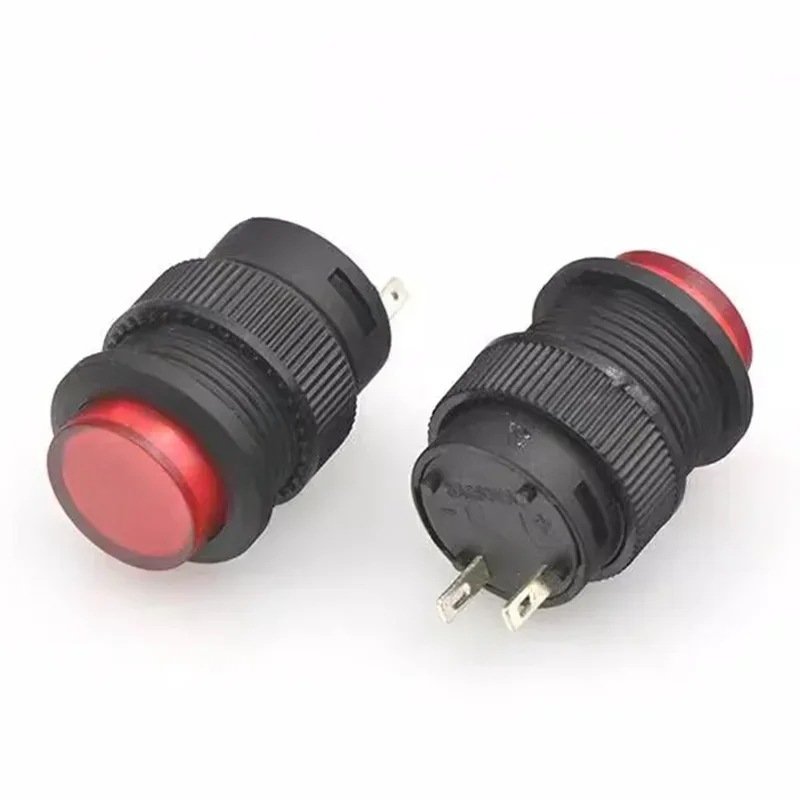
Push Button Switch in EV BMS: Safety and Uses
Push Button Switch in EV BMS: emergency disconnect, safe high-low voltage switching, and EMC-proof signal design for electric vehicle safety.
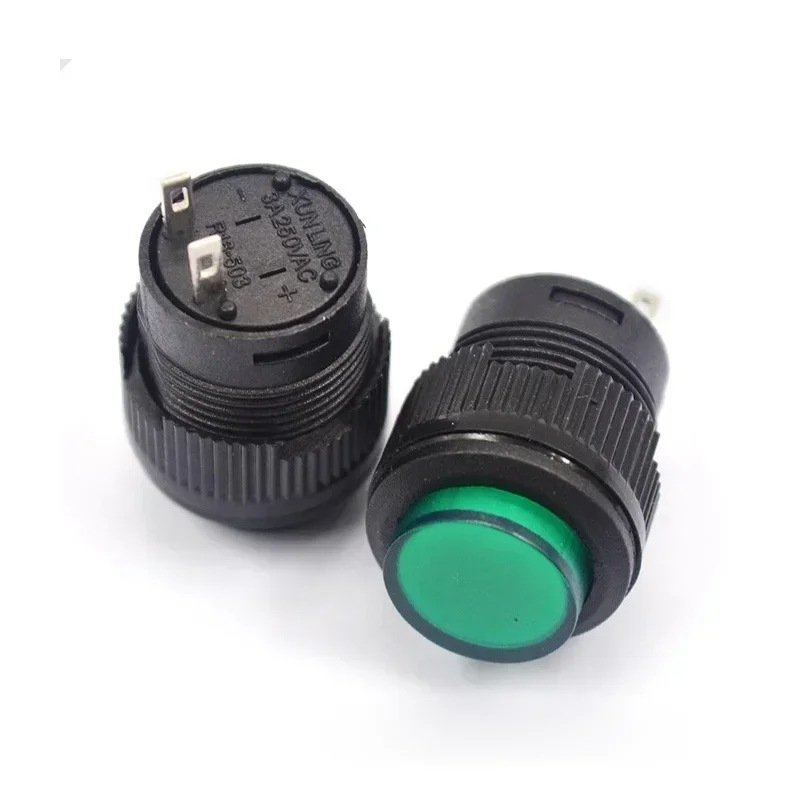
Push Button Switch in EV Cockpit HMI Design
Push Button Switch in EV cockpit HMI design: how it works with touchscreen and knob, and why tactile feedback improves driving safety.
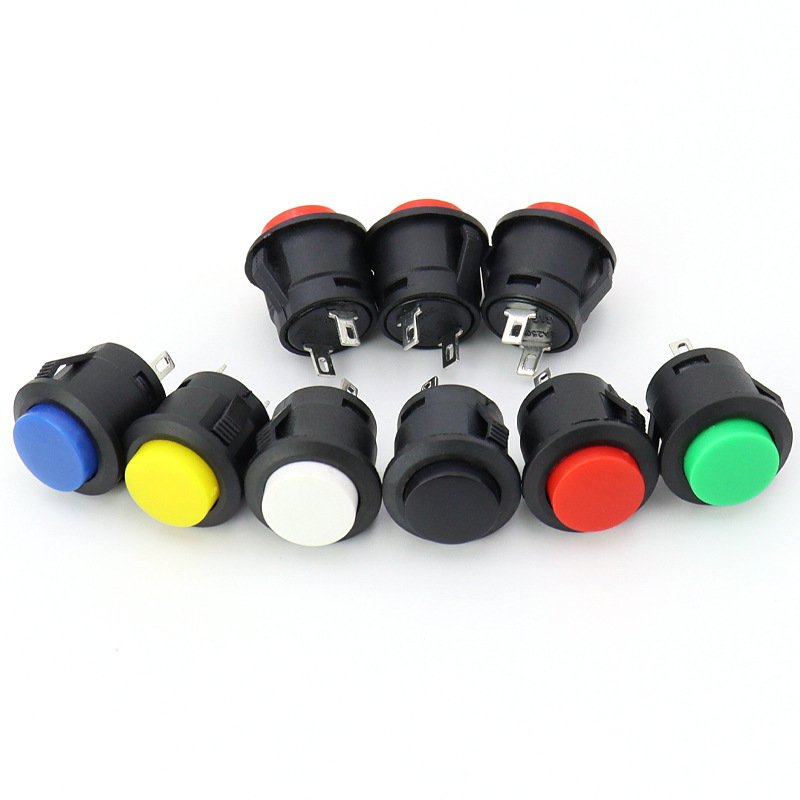
Metal Push-Button Switch LED Backlight Design: Schemes and Low-Power Optimization
Metal push-button switch LED backlights: single, dual, and RGB options with high-brightness, low-power optimization for industrial, automotive, and medical use.
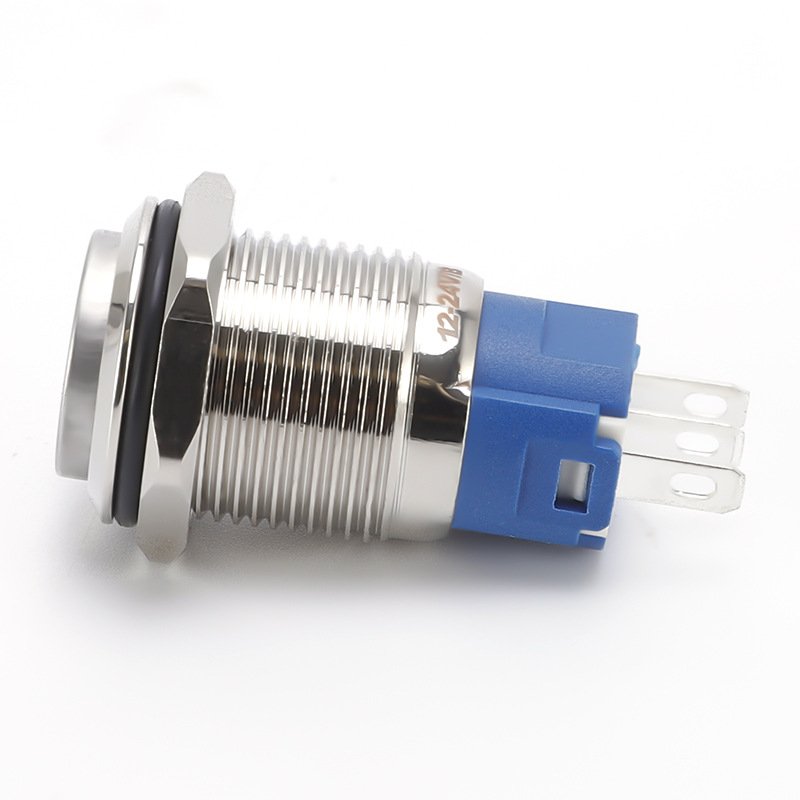
Push-Button Switch Wiring and Mounting: Connection and Assembly Guide
Push-button switch wiring and mounting guide: pin, screw, solder, quick-connect, plus snap-in, threaded and nut-lock, with an industry table.
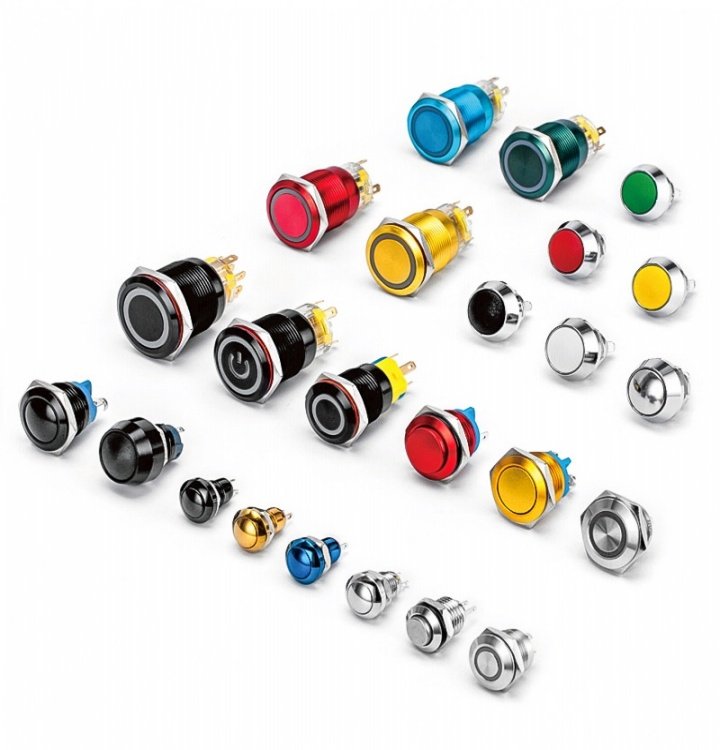
Push-Button Switch Eco Design: Materials, Recycling and LCA
Push-button switch sustainability covers lead-free materials, recyclable design, RoHS/REACH compliance and lifecycle carbon assessment.

Push Buttons and Indicator Lights: Functions, Types, Parameters and Complete Selection Guide
Learn how to choose a push button switch and indicator light by type, size, color code, and certification with a clear selection and installation guide.
Push Button Switch Wiring & Mounting Methods: A Complete Industrial Guide
Learn push button switch wiring types (pin, screw, solder, quick-connect) and mounting methods (snap-in, thread, nut locking) for reliable industrial use.