

Blog
How to Choose the Right Tact Switch: Complete Step-by-Step Guide

Related Posts
Micro Tactile Switch Trends in Wearables: Low Travel, High Density
How micro tactile switches evolve for TWS earbuds and smartwatches: sub-0.15mm travel, high-density FPC placement, integrated modules and wearable engineering challenges.
Tact Switch Housing Materials for High Temperatures: Selection and Thermal Aging
How to choose tact switch housing materials for high temperatures: PA66, PBT, LCP, PPS, PEEK compared with thermal aging risks and real cases.
Tact Switch Contact Materials and Plating: How They Affect Electrical Life
How tact switch contact materials and plating affect electrical life: silver, gold, nickel, multi-layer options, failure cases, and a selection guide.
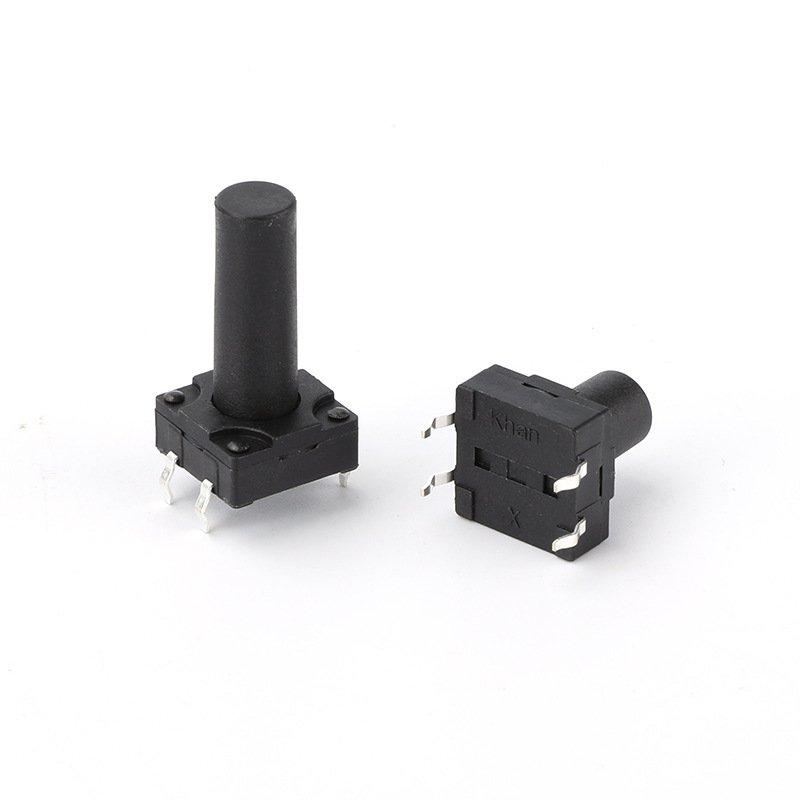
Tact Switch Mechanical Life: Innovative Design Tips
Tact Switch mechanical life: extend it with new spring materials, contact-structure optimization, and consistency design for harsh use.

Micro Switch Working Principle: Snap-Action Explained
Learn the micro switch working principle and how the snap-action mechanism gives instant switching, self-held contact force, and fast arc suppression.
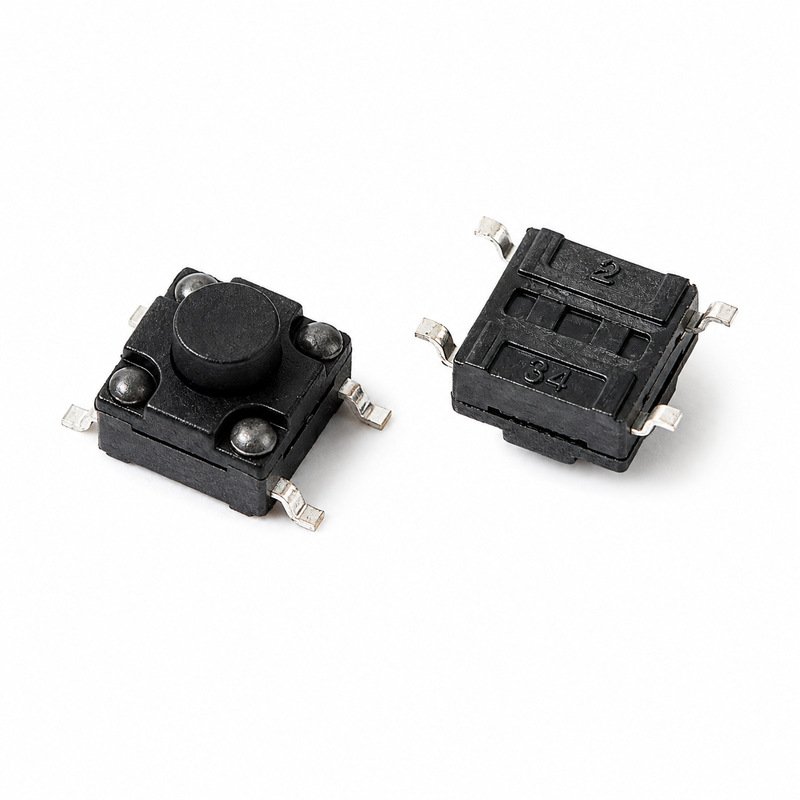
Waterproof Tact Switch: Key Selection Parameters Explained
Learn how to choose a waterproof tact switch. Compare IP65, IP67 and IP68 sealing methods, key materials, common failure causes, and buying tips.
Micro Switch Contacts Compared: Silver, Gold, or Copper?
Micro switch contacts compared: copper oxidizes fast, silver alloys rule 10-20A power switching, gold plating protects weak signals in harsh air.
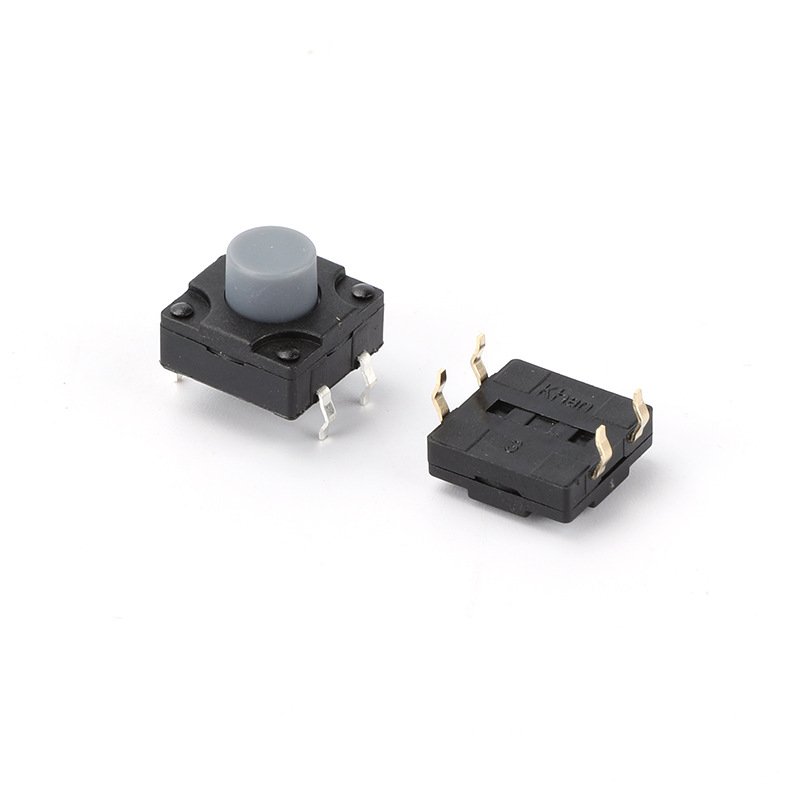
What Is Normal Tact Switch Contact Resistance? Why Low Resistance Matters
Normal tact switch contact resistance is 100 mΩ fresh and 30 mΩ for gold plating. See why low resistance matters for MCU keys.

Self-Locking vs Momentary Toggle Switch: Function and Application Comparison
Self-locking and momentary toggle switches behave very differently. Compare structure, circuit design, safety and pick the right type.
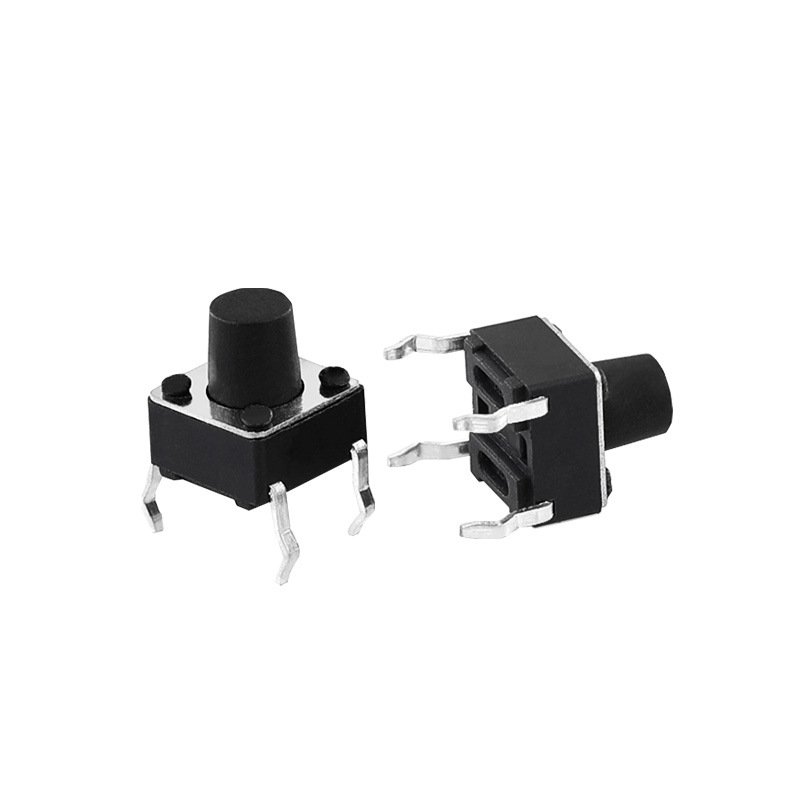
SMD-0603 6x6mm Tactile Switch: Technical Data Sheet
The SMD-0603 6x6mm tact switch datasheet covers size, 12V 50mA rating, 160gf force, 0.25mm travel and 100k cycles.

Illuminated Tact Switch Trends to Watch in 2026
Six forces shaping illuminated tact switches in 2026: smart surfaces, energy harvesting, ultra-thin IP67 builds, market growth, and eco-design.
Contact Material Showdown: Silver Alloy vs Gold Plating in Micro Switches
Silver alloy and gold plating each suit micro switch contacts differently. Here is how to choose by current, environment and budget.