Blog
Rocker Switch vs Button Switch: Core Safety Performance Differences

Introduction: Why Safety Differences Matter
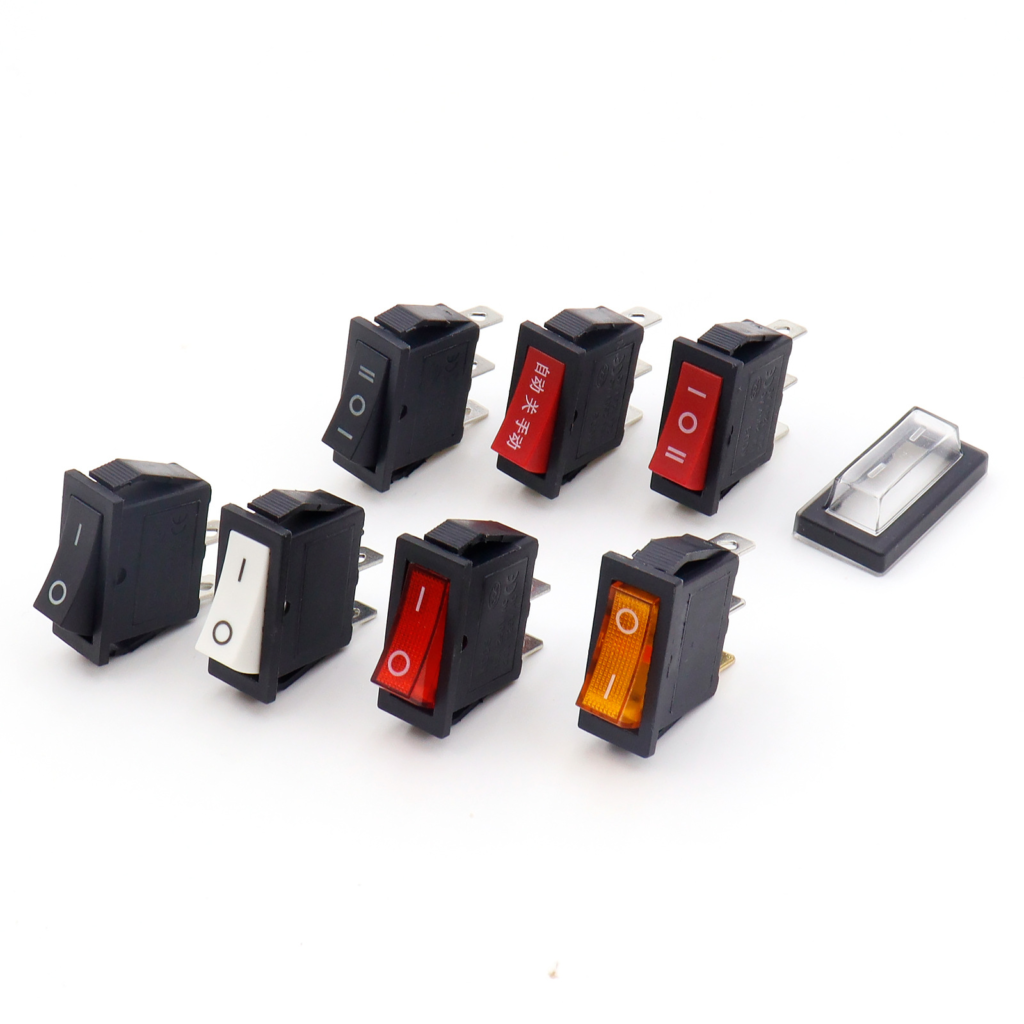
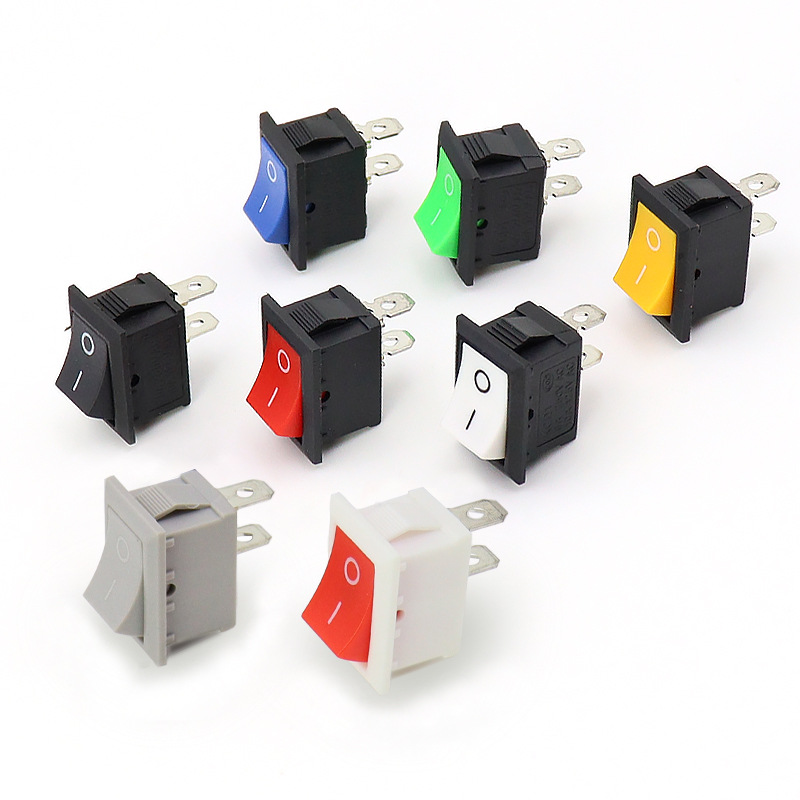
Rocker switches and button switches look similar at first glance. However, their internal safety designs are completely different. Most buyers only compare shape and color. In fact, that habit hides real electrical risks. This article explains the core safety gaps in plain language for engineers and purchasers.
We compare the two switch types across three key dimensions. First, we study mechanical breaking structure. Then, we review internal wiring and heat safety. Finally, we check anti-leakage performance in humid places. Each point affects service life and user safety directly. Therefore, selection should never depend on appearance alone.
Buyers should also weigh long-term maintenance cost. However, cheap button units need frequent replacement after heavy use. In contrast, rocker switches last far longer under the same load. So the total ownership cost stays lower over the full project lifecycle.
1. Mechanical Breaking Stroke and Structural Failure Risk
The biggest mechanical gap comes from the drive structure. Rocker switches use a lever moment design. Therefore, a small press creates a large, stable break. The lever amplifies force and ensures full separation every time. As a result, the risk of virtual connection drops sharply during heavy loads.
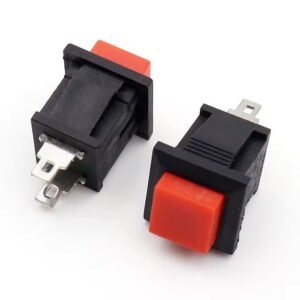
In contrast, small button switches have no lever assistance. Instead, they rely on a strong return spring. So the spring must keep high tension for years. However, frequent pressing causes fatigue and aging. This is why button switches often jam or fail to reset after long use.
Moreover, a stuck button creates a hidden danger. The circuit may stay closed when it should open. Thus, arc ignition and overheating become possible under industrial duty. Rocker switches avoid this problem through their deeper stroke. In addition, the larger break gap improves long-term reliability in demanding environments.
The lever design also reduces wear on moving parts. Because the contact travels a clear path, friction stays low. Furthermore, quality rocker models use silver or gold contacts. These materials keep resistance stable. So the switch performs well even after thousands of cycles.
2. Internal Wiring Layout and Heat Dissipation Safety
Mini button switches save panel space. However, that benefit creates a wiring problem. Many makers sell multi-bit combined units. For instance, a 6-bit dual-control model needs up to 12 wires at the rear. So the junction box becomes very crowded and hard to inspect.
First, dense wiring blocks heat dissipation. Continuous current generates working heat inside the box. Because the heat cannot escape, insulation ages faster. In addition, high temperature may melt wires and cause short circuits. Therefore, safety margins shrink quickly in tight installations.
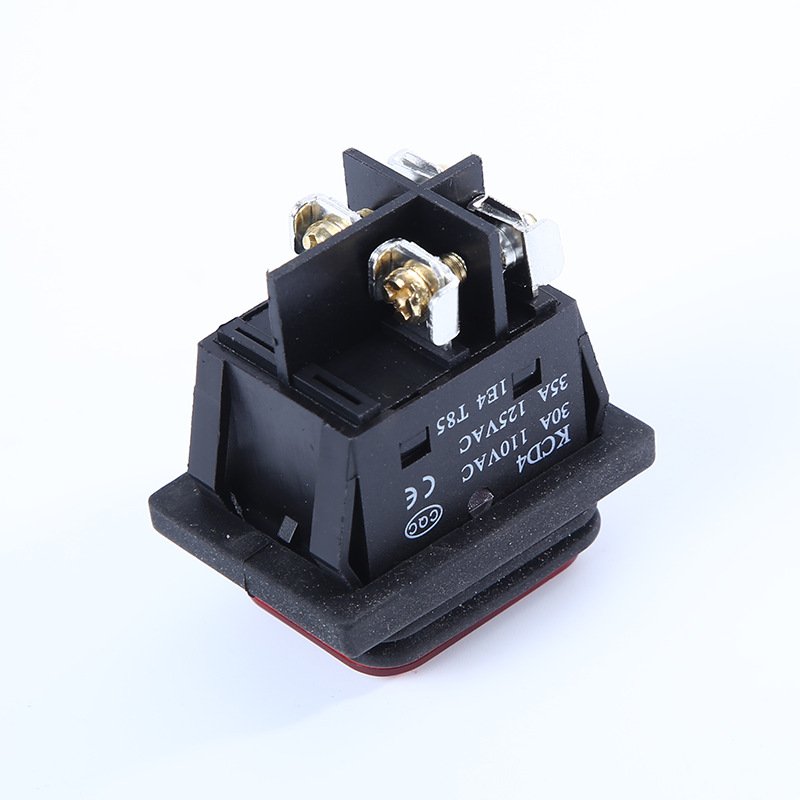
Second, crowded terminals loosen easily. Vibration and thermal change worsen the problem. As a result, contacts detach and leak current to the panel. Standard rocker switch designs limit bit count to three or less. This reserves space for cooling and assembly. Moreover, the extra margin raises electrical stability in real projects.
Quality rocker units also separate live parts clearly. The terminal area stays open for air flow. Thus, heat leaves the box through natural convection. In contrast, stacked button modules trap warmth inside. So the rocker layout is safer for high-current household and industrial equipment.
3. Anti-Leakage Safety in Humid Working Environments
Humid places need strict anti-leakage protection. Bathrooms, kitchens, and outdoor sites are typical examples. However, small button switches have narrow gaps near the panel. So moisture enters through these gaps during daily use and cleaning.
When hands are wet, fingers touch both the cap and the seam. Because cheap seals are weak, water reaches internal conductors. Thus, leakage current appears and shock risk grows. In contrast, rocker switches place the press area far from live parts. Therefore, fingers rarely reach hidden gaps near terminals.
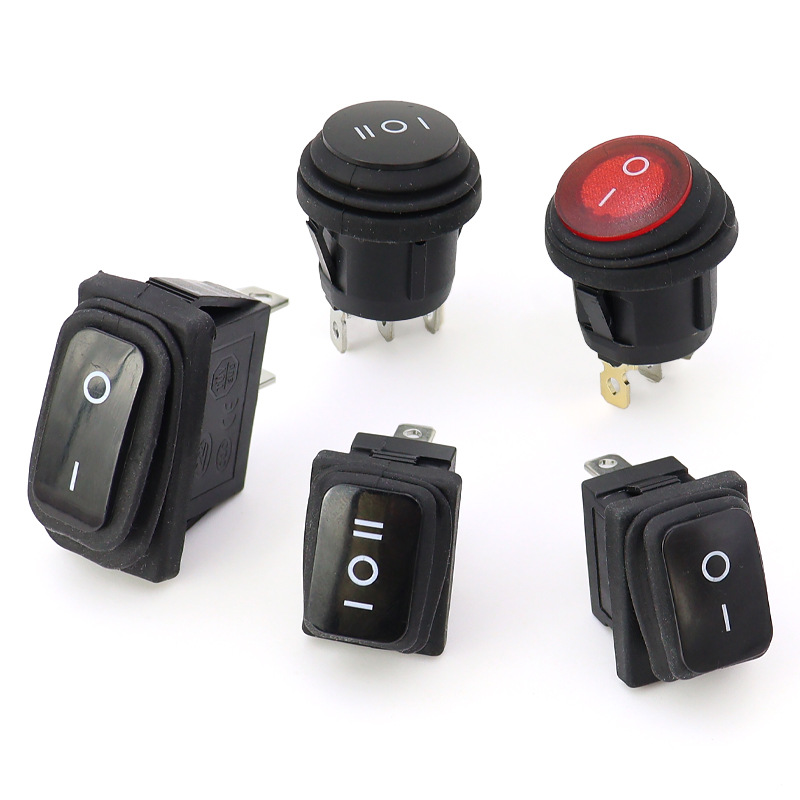
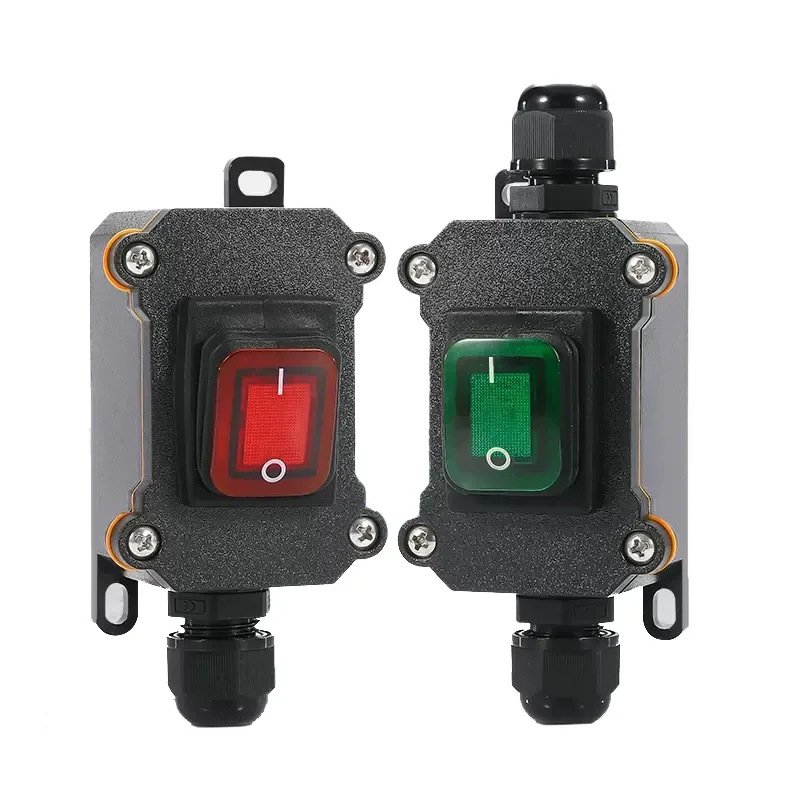
Moreover, the wider layout slows moisture penetration. The optimized structure protects users in wet scenes. As a result, rocker switches suit marine, outdoor, and cleaning applications better. In addition, sealed IP67 or IP68 models add another safety layer for harsh duty. These ratings block both dust and water ingress effectively.
Button switches can also be sealed, yet the cost rises fast. Small caps leave little room for gaskets. So the protection level stays limited in practice. Rocker designs accept larger O-rings and grooves. Hence, they keep better sealing at a reasonable price for most buyers.
Conclusion
Rocker switches lead in structural stability, wiring safety, and humidity resistance. However, button switches win on size and appearance. Therefore, selection must match the real working condition. Consider circuit count, press frequency, and environment humidity first.
Reputable makers follow IEC and UL safety standards during production. As a result, certified rocker models pass stricter endurance tests. In addition, clear terminal labeling helps installers avoid wiring mistakes. Thus, the chance of field failure drops even further for trained teams.
We supply high-safety rocker switches and standard button switches for industrial and home use. Custom specifications are available for special projects. Contact us for professional selection guidance and bulk quotations today. Our team helps you balance cost, safety, and performance with confidence.