

Blog
11 Key Quality Checks for Rocker Switches | Complete Selection & Testing Guide

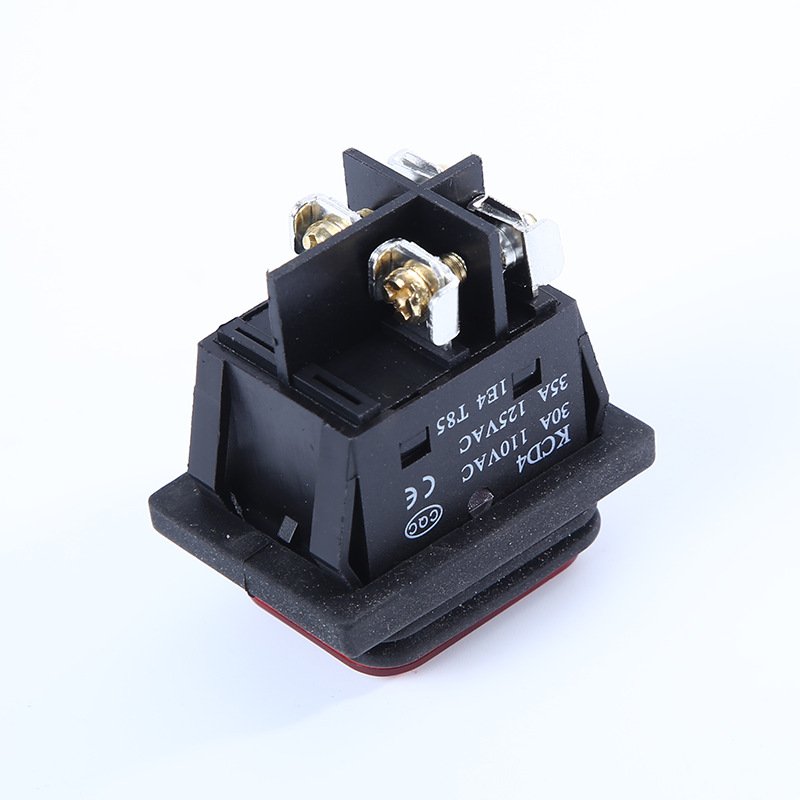
11 Key Quality Checks for Rocker Switches | Complete Selection & Testing Guide
A Rocker Switch is a core component in appliances, industrial equipment, and electronics. However, its internal structure and materials decide conductivity, life, and safety. This guide lists 11 professional checks covering copper plates, flame resistance, and internal structure to help you pick premium switches and avoid inferior products.
Rocker Switch Copper Plate Quality Checks
The copper conductive plate is the core functional part. First, longer plates perform better. They widen the jack spacing so two-pin and three-pin plugs insert smoothly. In contrast, short plates under 4.5mm cause congestion and awkward insertion.
Second, thicker plates are always better because they resist repeated plug impact. Third, one-piece molded plates beat riveted ones. Rivets create gaps and raise resistance, which generates heat and weakens elasticity. Therefore, integrated plates offer seamless conduction, less heat, and higher safety. Fourth, surface contact beats point contact by preventing sparks and loose joints.
Rocker Switch Flame-Retardant Base Testing
The rear base material is the key fire-safety guarantee. There are three practical daily tests. First, a qualified base shows extremely low flammability near an open flame. Second, the best materials only melt without burning, which stops fire spread. Third, high-quality materials release minimal, fast-vanishing odor, meaning fewer harmful additives.
As a result, these checks are essential for switches used in high-temperature or long-running equipment. By using them, buyers can screen out unsafe low-cost parts before installation.
Rocker Switch Support and Contact Structure
The rocker and support structure decide flexibility and heat dissipation. First, heavy-duty spring supports beat rubber ones. Rubber wears out and causes jamming, while springs keep stable elasticity for years. Second, larger panels dissipate heat better and delay aging under high current.
Moreover, fully silver-plated contacts outperform partial or non-plated ones. Because silver conducts better than copper, full plating cuts current loss and heat. Finally, larger contact areas reduce failure risk, serving as a clear sign of a high-grade switch.
How to Quickly Identify a Quality Rocker Switch
For ordinary second-tier switches, single-item sampling is enough. In addition, a simple bending test reveals the panel material. Bendable, unbreakable panels use premium PC material. In contrast, brittle panels that crack easily are low-cost ABS with poor durability.
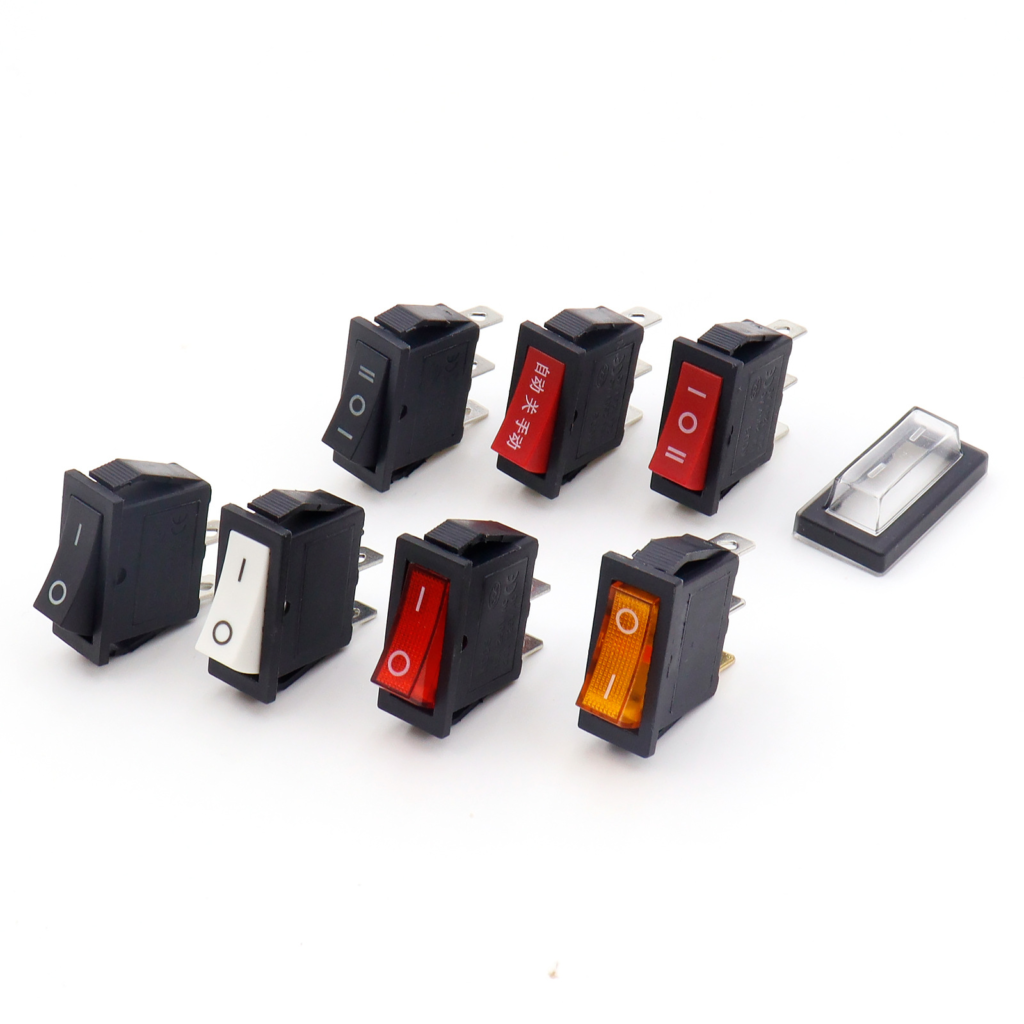
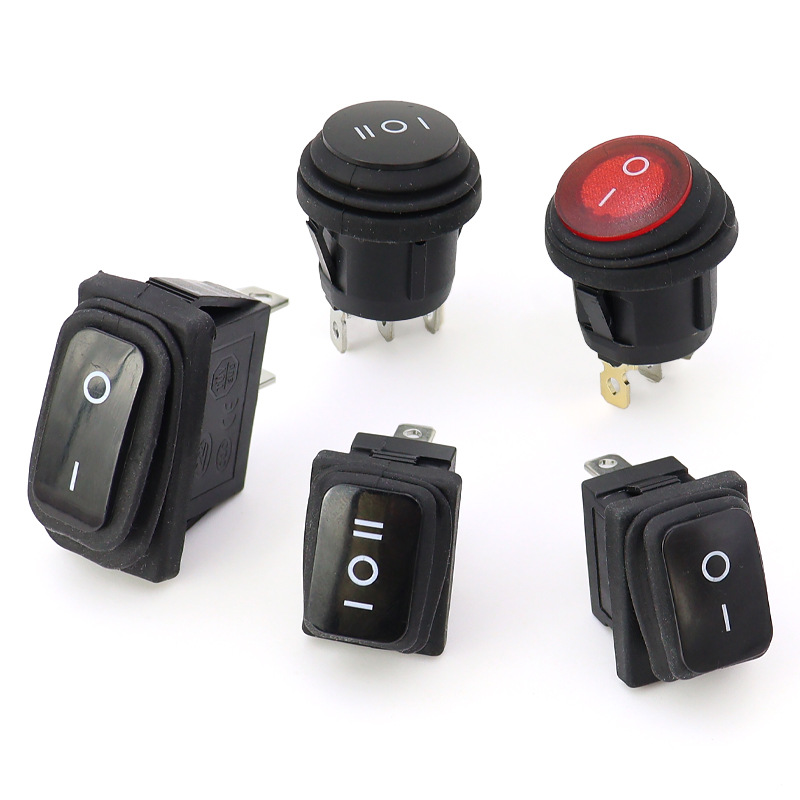
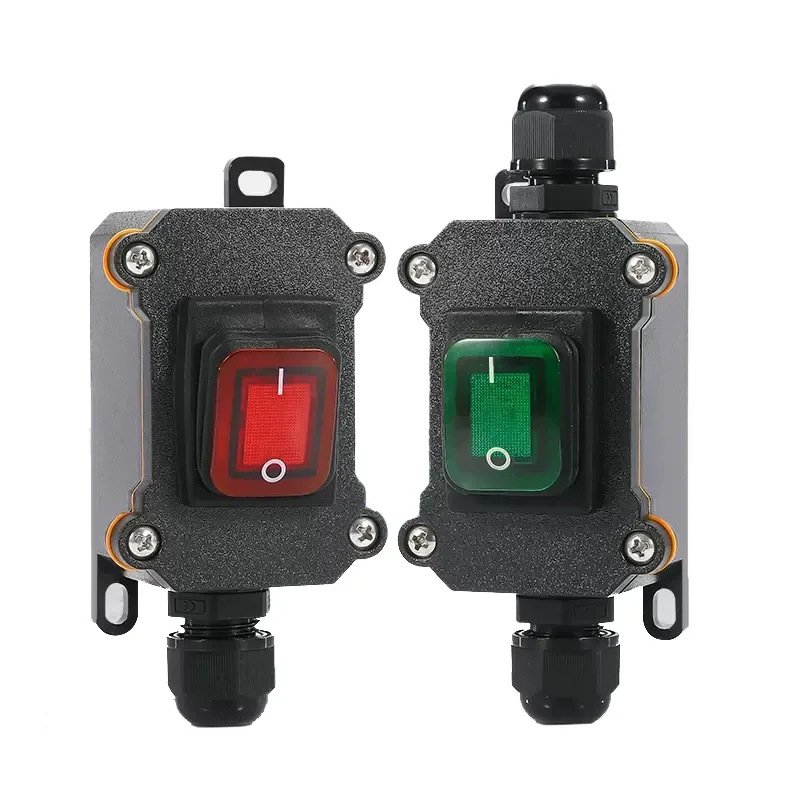
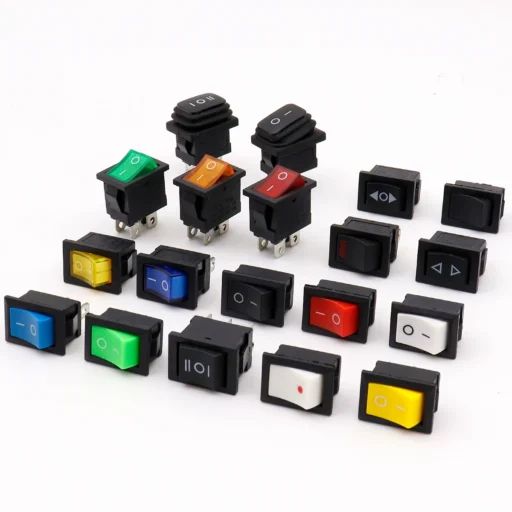
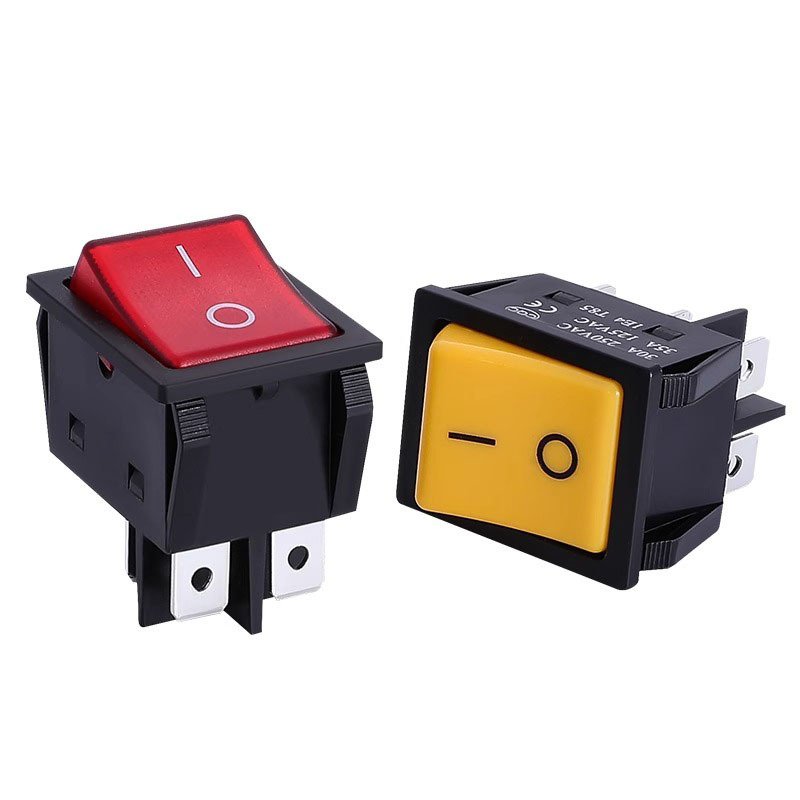
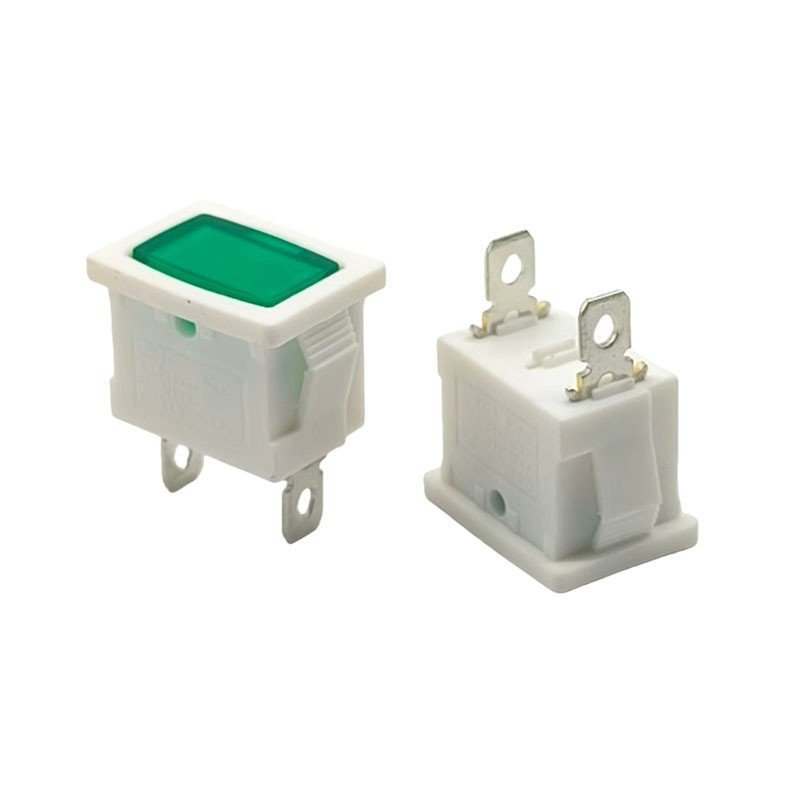
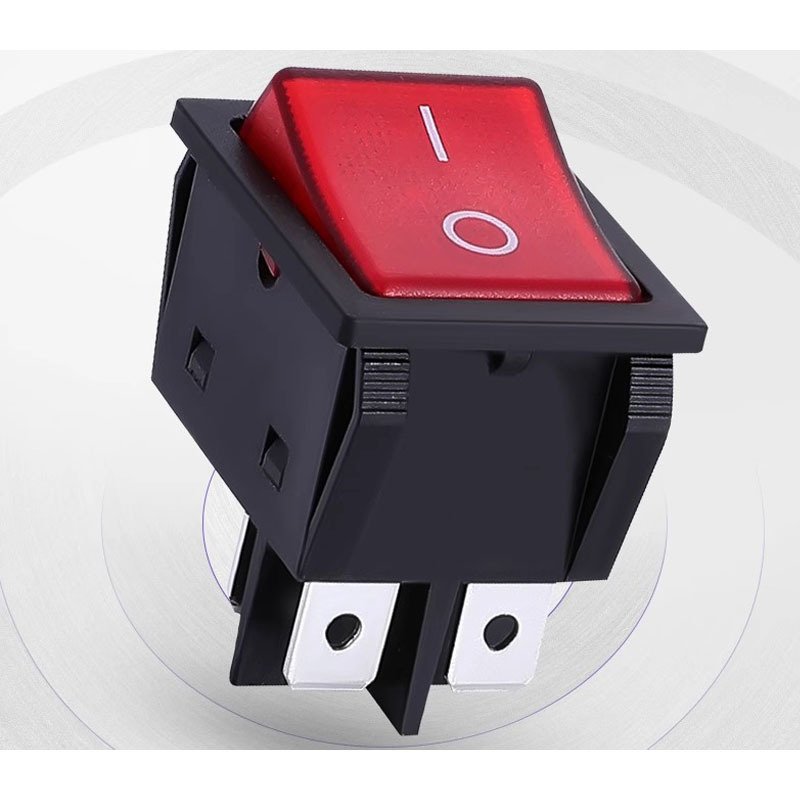
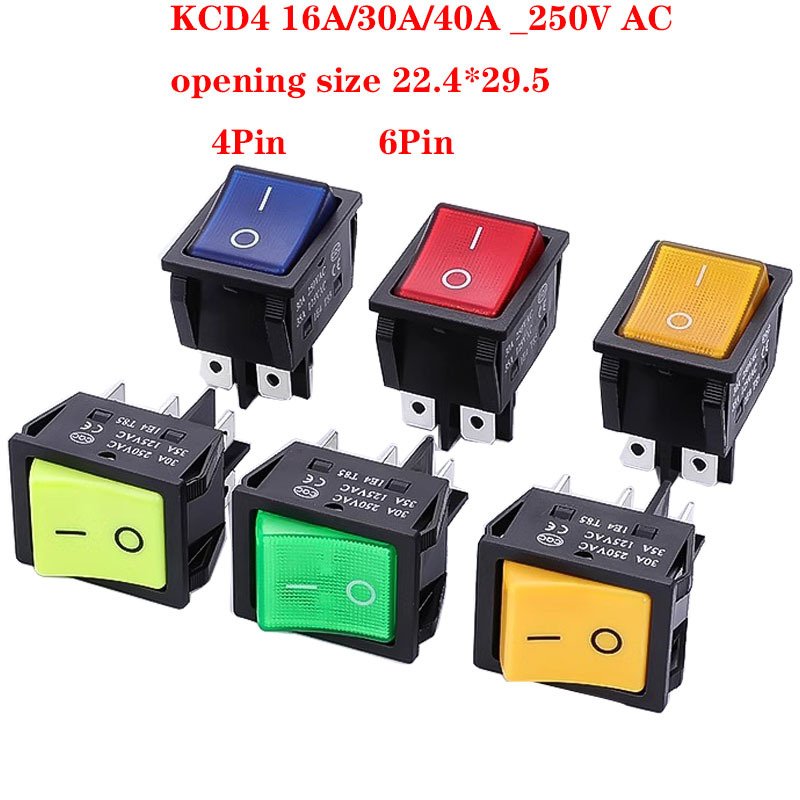
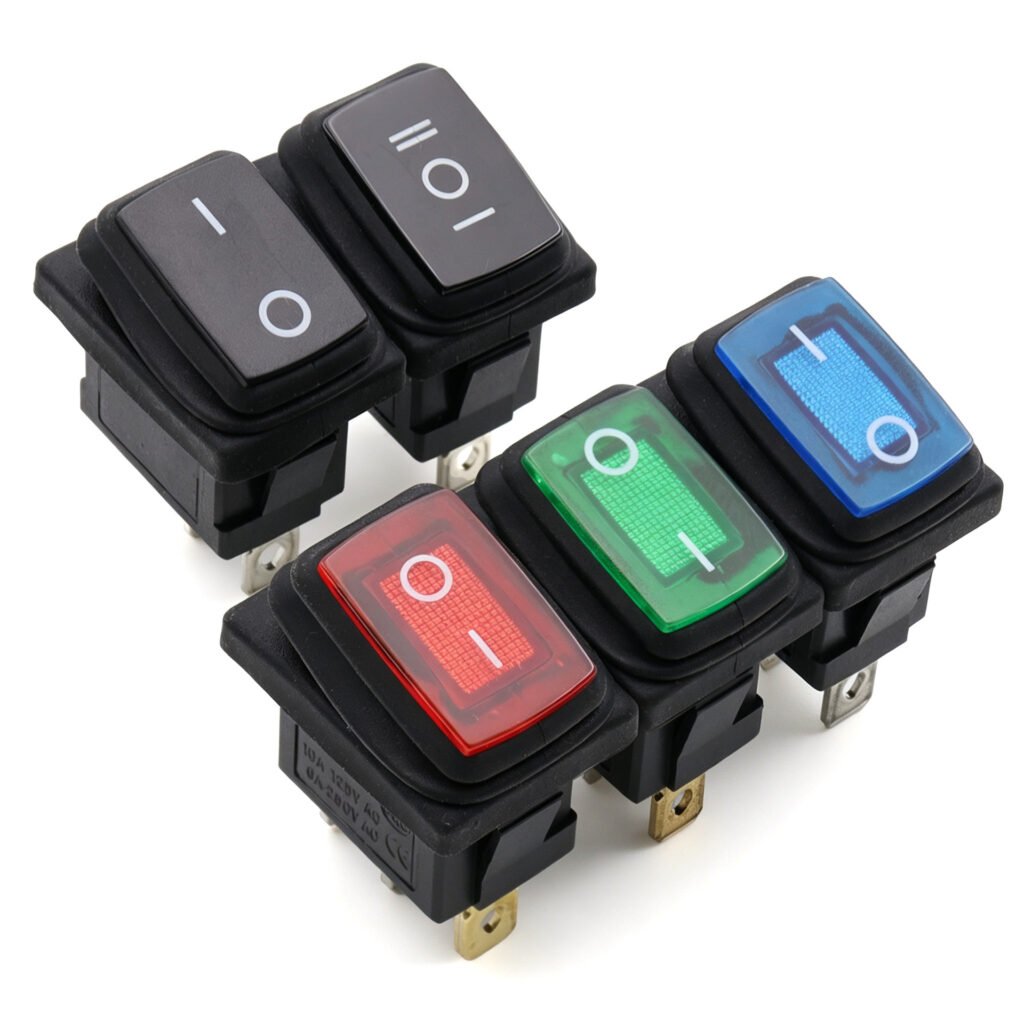
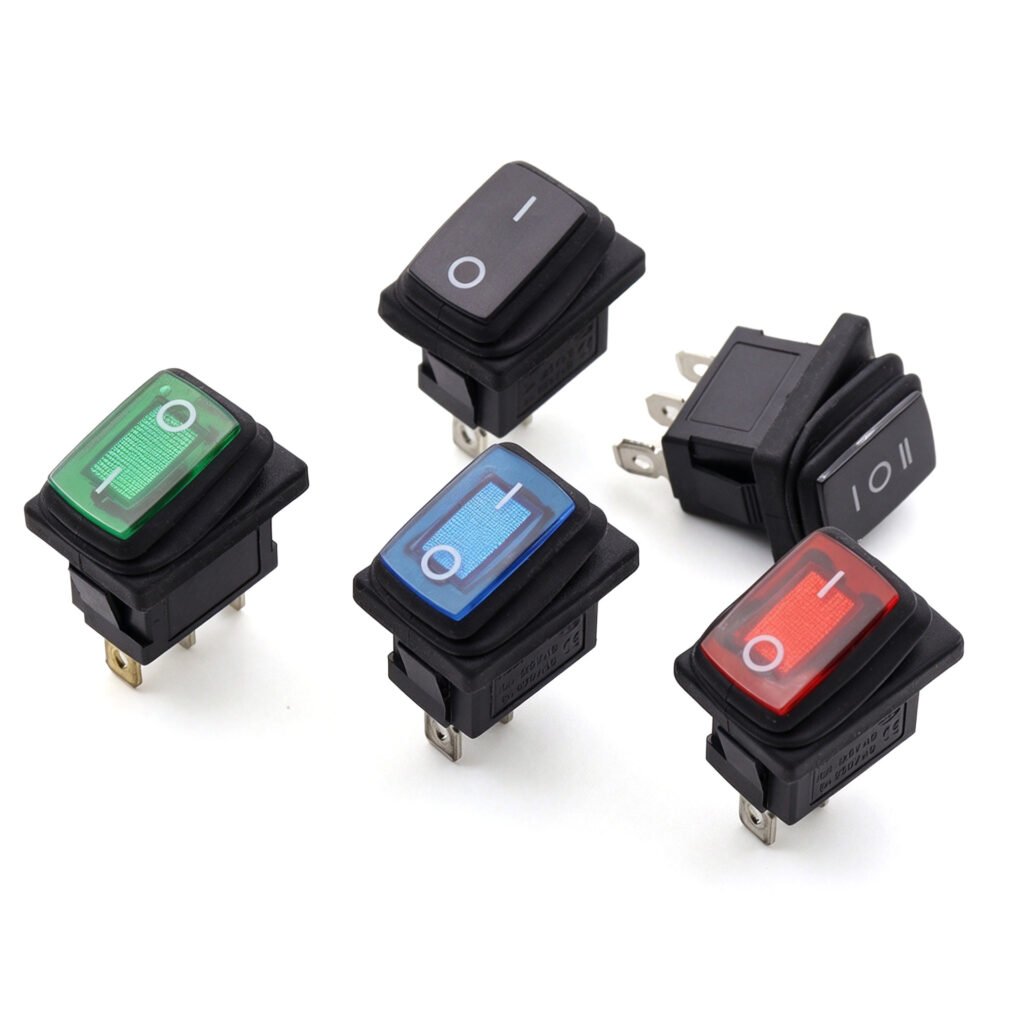
You can explore our full range of Rocker Switch products built to these quality standards.
Why Rocker Switch Quality Inspections Matter
Professional inspection covers conductivity, safety materials, and mechanical design. In short, mastering these 11 checks helps buyers and engineers select safe, durable switches. Consequently, equipment failure rates and electrical hazards drop in both home and industrial use.
Conclusion
Quality is not visible from the outside, but it defines long-term performance. With the right checks, you can separate premium rocker switches from cheap defective ones with confidence.
FAQ
Q1: What is the most important rocker switch quality check?
The copper plate matters most. Look for long, thick, one-piece molded plates with full surface contact for stable, low-heat conduction.
Q2: How can I test a rocker switch base for fire safety?
Use a small open flame: a qualified base has low flammability, melts without burning, and gives off minimal, fast-vanishing odor.
Q3: Are all 11 checks needed for every switch?
No. First-class switches deserve full checks, while ordinary second-tier products only need single-item sampling.
One thought on “11 Key Quality Checks for Rocker Switches | Complete Selection & Testing Guide”