Blog
Push-Button Switch Wiring and Mounting: Connection and Assembly Guide

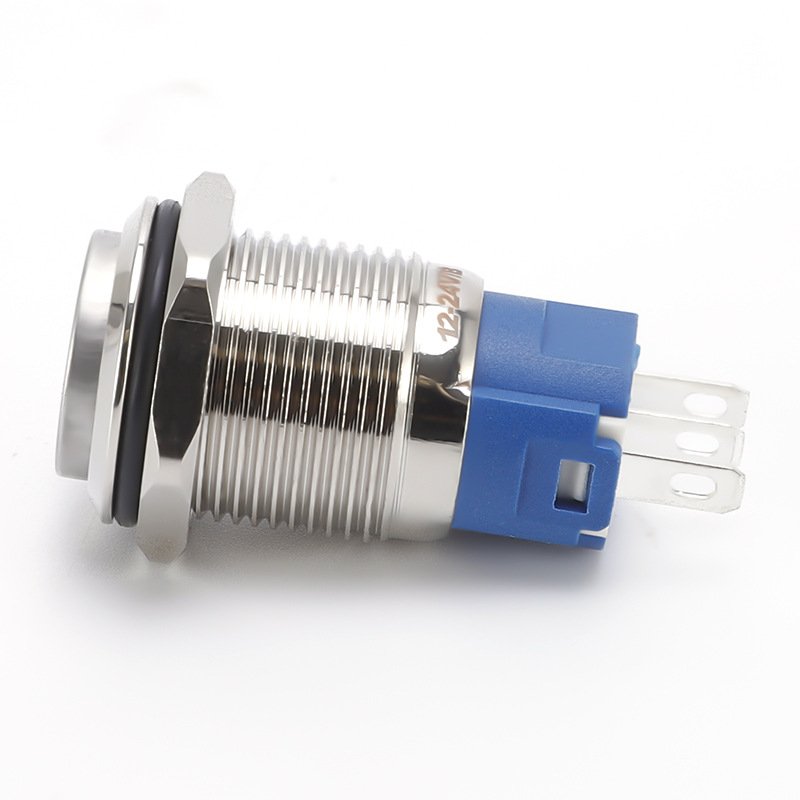
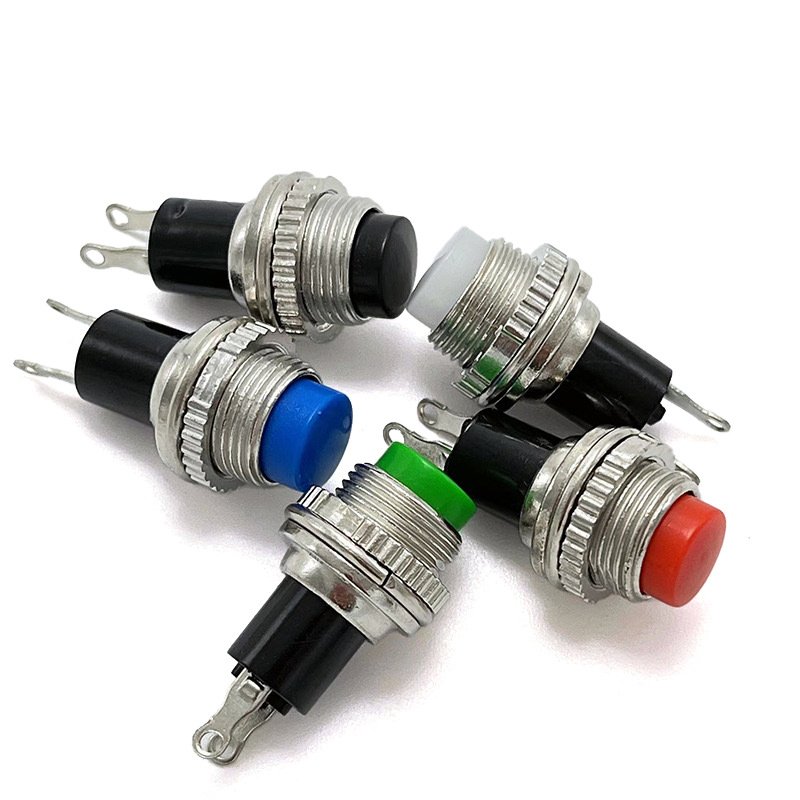
In modern industrial, medical, automotive, and consumer products, the push-button switch is a basic interface part. Its structure shapes both user experience and product reliability. Moreover, wiring and mounting methods decide assembly speed and upkeep cost. This article compares the main wiring and mounting options. Therefore, equipment makers can pick the right build for each use case.
B2B buyers treat wiring and mounting as core custom steps, not minor details. Moreover, they set how well a part fits the application and its build cost. Also, in the sections below, we review four wiring styles and three mounting styles. Finally, we map each option to a target industry.
Wiring Methods for a Push-Button Switch
Wiring style affects assembly, service, and replacement stability on the line. The four common types are pin, screw, solder-wire, and quick-connect terminals. Each fits a different production need and budget. Consequently, the choice should follow both volume and environment.
Pin Terminal
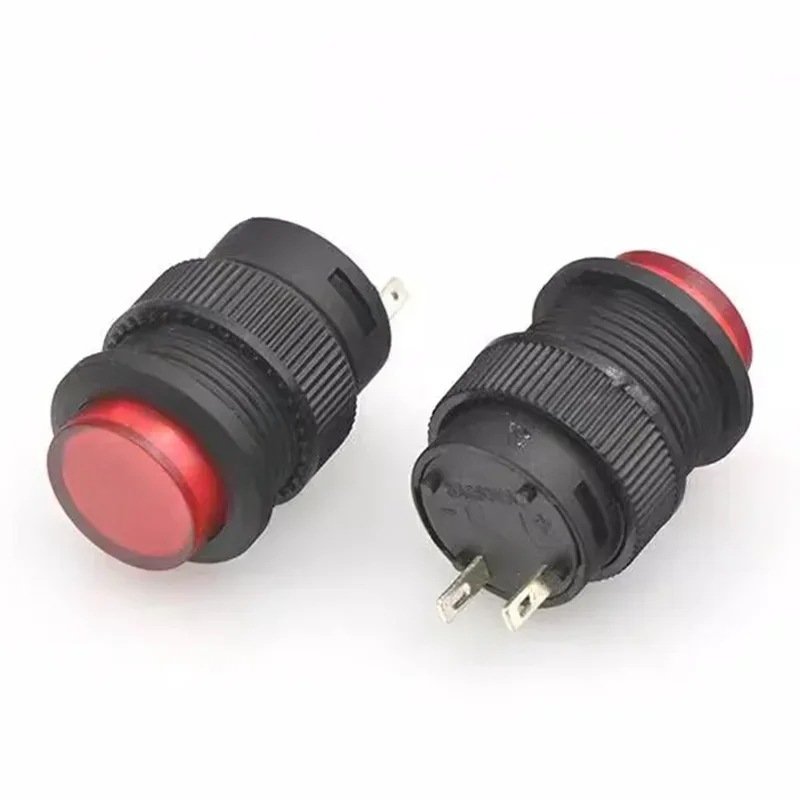
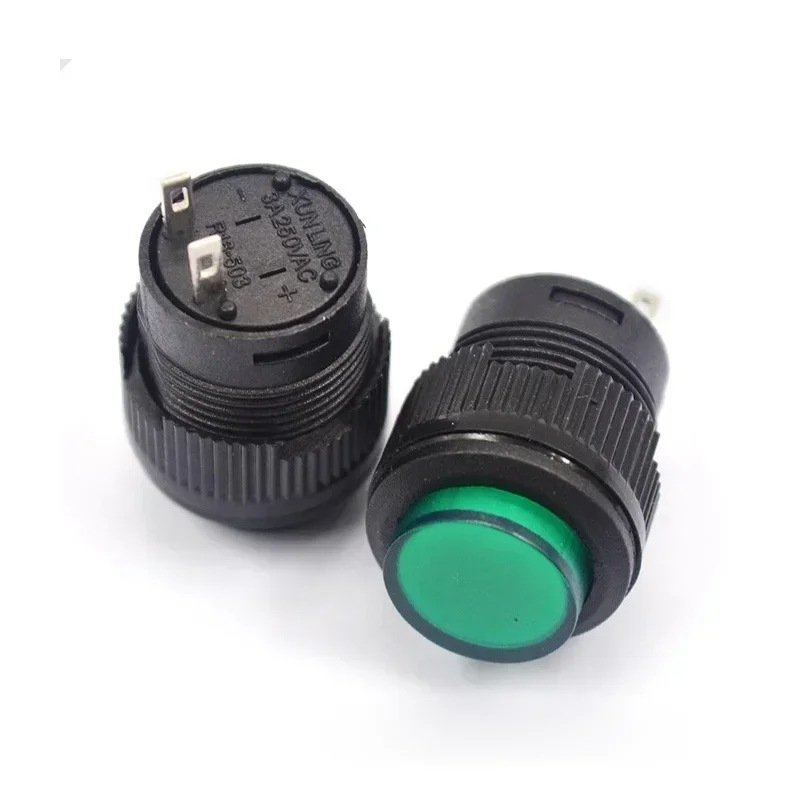
Pin-terminal parts use metal pins that solder straight to a PCB or plug into a connector. This style suits small, automated builds very well. First, it supports pick-and-place and wave insertion with high speed. Second, the joint resists shock and stays reliable over time. Third, cost stays low for large runs. Typical uses include smart-home panels, medical monitors, and PLC cabinets. Design tips: match pin length to the PCB hole. Follow the pick-and-place pitch, and use tinned or copper pins for high current.
Screw Terminal
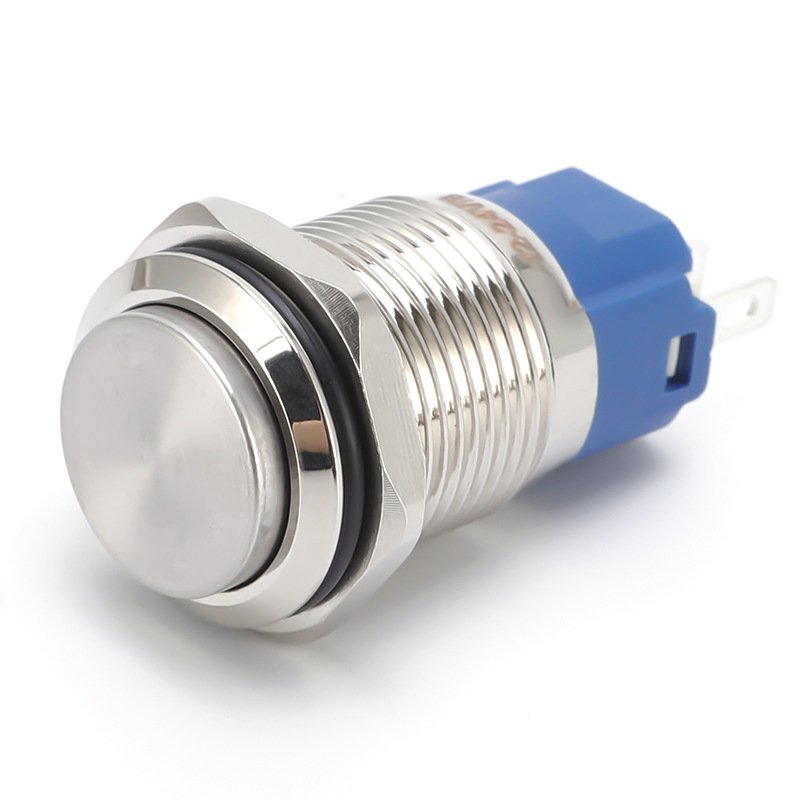
Screw terminals clamp the wire under a tight screw for a firm, lasting bond. They serve mid-to-high power loads and rough industrial sites. For example, they appear in CNC machines, rail signaling, and solar inverters. Advantages include strong hold under vibration and easy field service with no special tool. Design tips: pick nickel-plated brass or stainless screws, add lock washers, and leave room for wrench access.
Solder-Wire Terminal
Solder-wire types join the lead to a wire by hand or semi-auto soldering. They fit tight, cost-sensitive, or custom-harness builds. For instance, common spots are appliance keypads, portable medical devices, and small instruments. The method is simple and cheap, with no extra connector needed. However, it suits only low current and limited space. Design tips: use quality solder, add strain relief, and cover the joint with heat-shrink tubing.
Quick-Connect Terminal
Quick-connect, or Faston, terminals use a standard blade that snaps into a female receiver. This speeds both build and field swap on high-volume lines. Consequently, automotive door panels, alarm systems, and vending machines use it widely. Moreover, the grip is firm, the swap is fast, and service stays simple. Design tips: match blade and receiver size for correct force, add a retention clip, and fit a waterproof boot outdoors.
Mounting Styles for a Push-Button Switch
Mounting fixes the part to the panel and sets its stability and look. Specifically, the three main styles are snap-in, threaded, and nut-locking. A push-button switch mounted well stays put through years of use. Therefore, the panel material and environment should guide the choice.
Snap-In Mounting
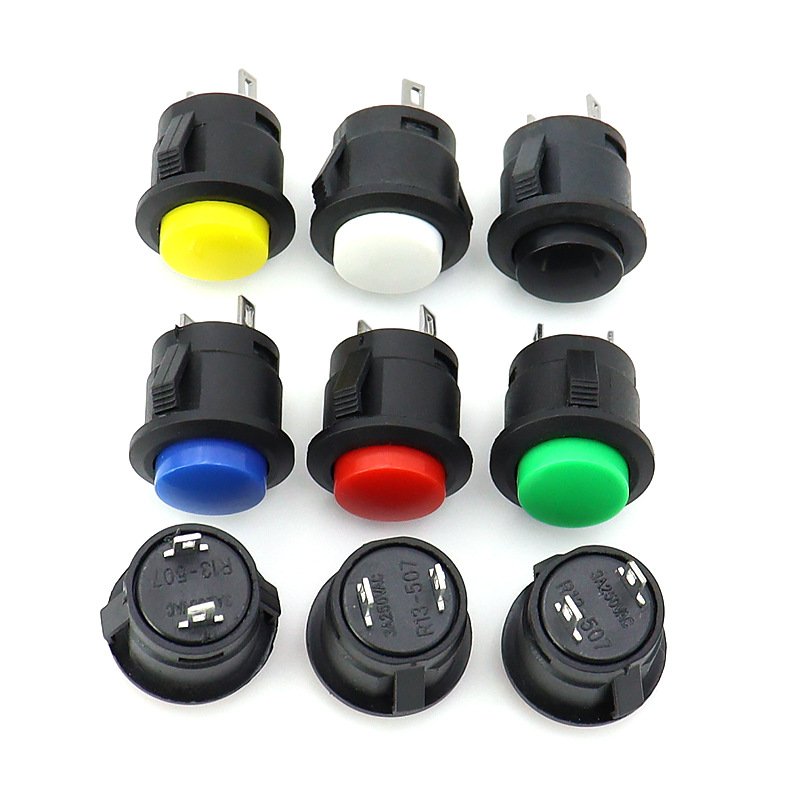
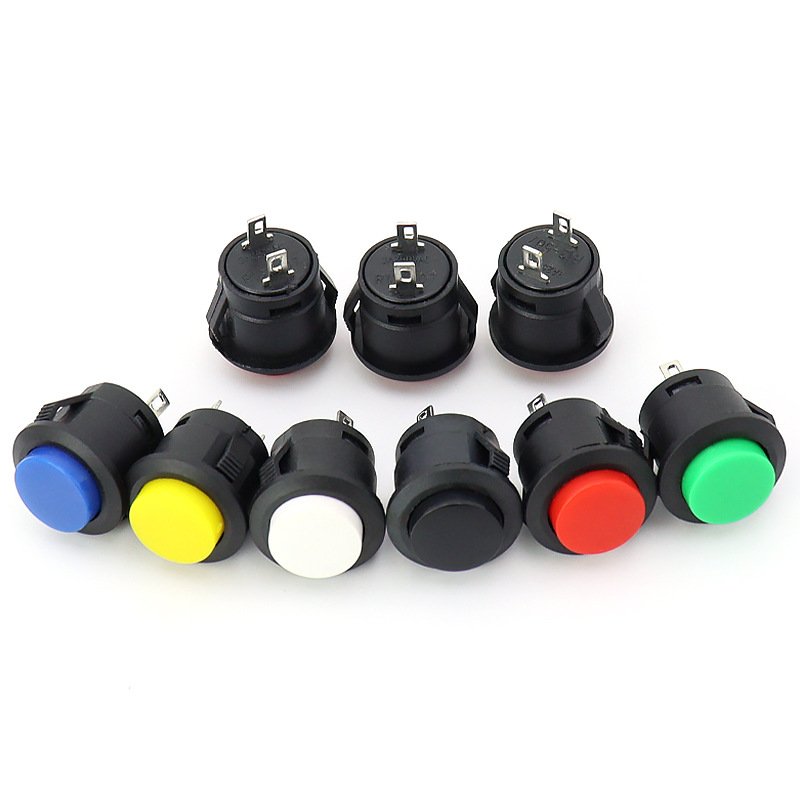
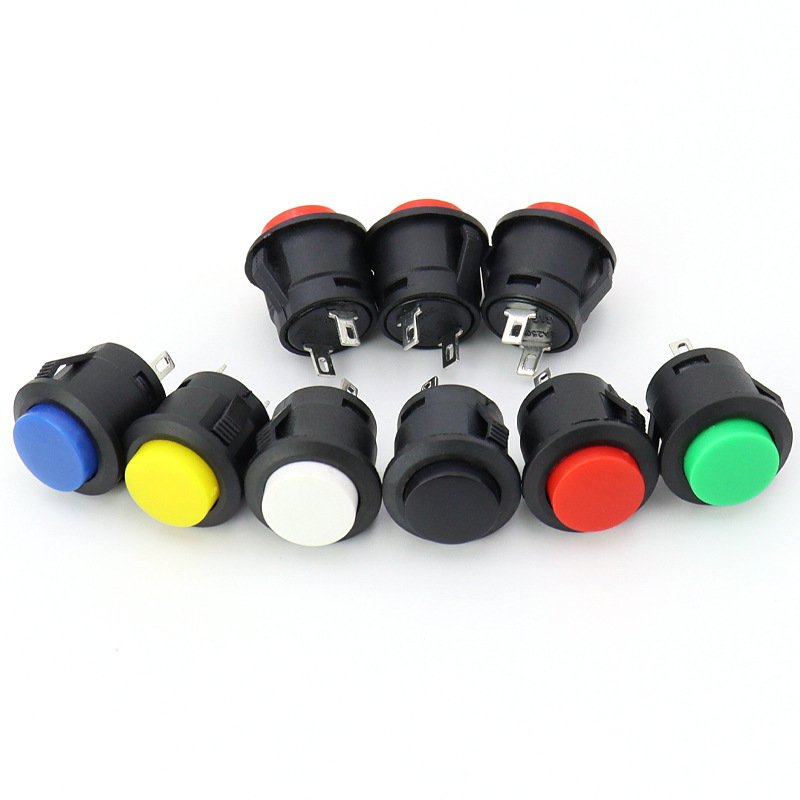
Snap-in parts click into a panel cutout via side clips, with no tool or screw. Therefore, they suit small, light devices and fast lines. Advantages include quick assembly, clean look, and easy later service. For example, home appliances, instruments, and light machines use this style often. Design tips: match the cutout to the clip. Use fatigue-resistant POM or reinforced nylon, and add a washer where vibration is high.
Threaded Mounting
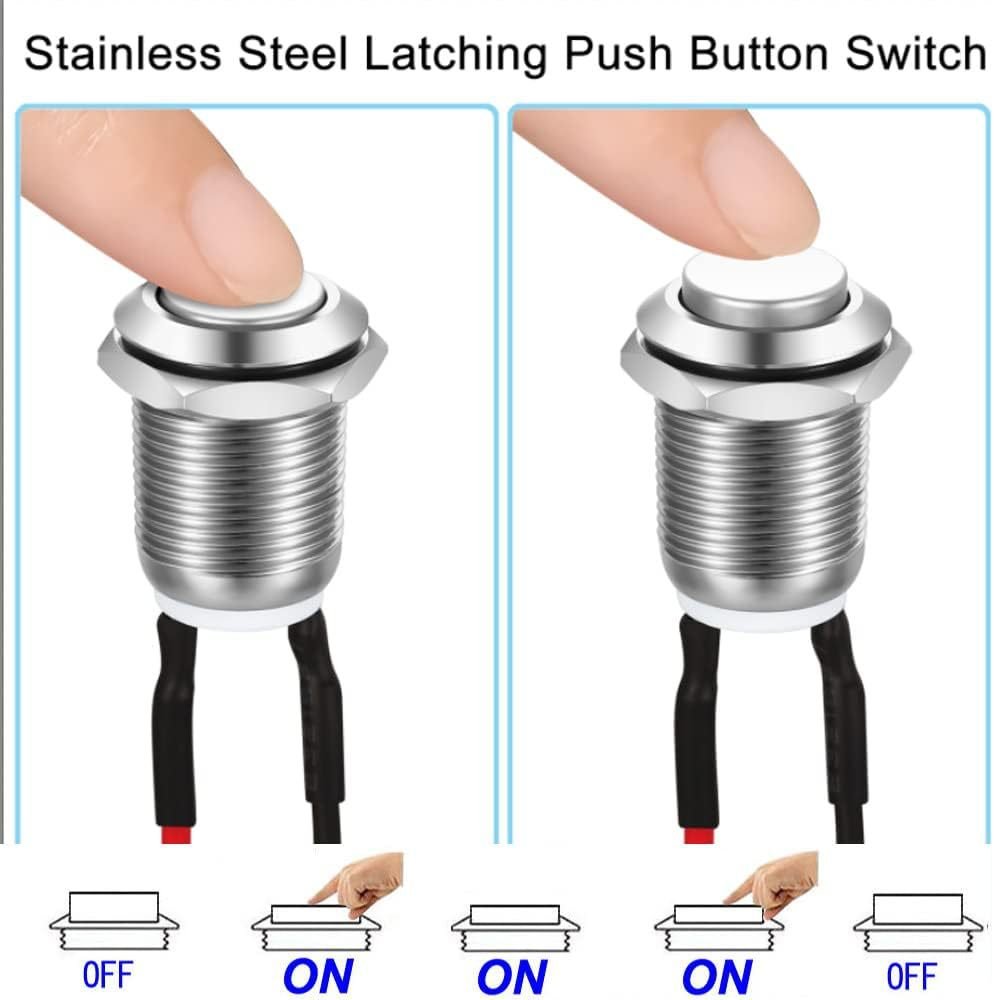
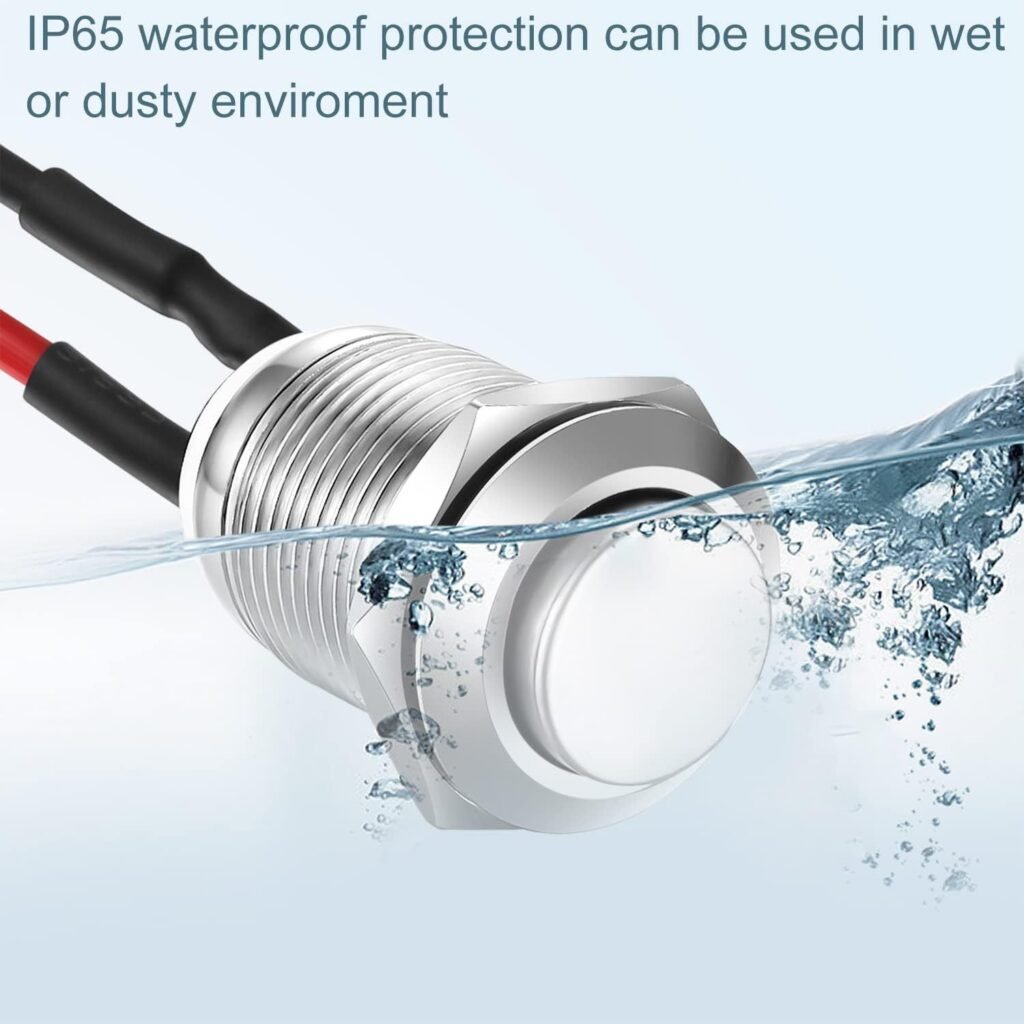
Threaded parts screw through the panel hole and tighten with a ring or nut. They fit panels needing higher sealing and long-term stability. For instance, industrial cabinets, vehicles, and outdoor energy systems rely on this style. Moreover, benefits are strong hold, good shock resistance, and easy seal integration. Design tips: size thread length to panel thickness, use metal or strong plastic, and control torque to avoid cracking.
Nut-Locking Mounting
Nut-locking is a threaded variant fixed by an external nut. It suits large, metal panels and high-protection needs. For example, military, aviation, heavy industry, and surgical gear use it. Furthermore, the hold is stable under frequent actuation and rough duty. Design tips: choose metal nuts, add lock washers, and keep the nut clear of live parts to prevent leakage.
Why Automated Assembly Compatibility Matters
Smart factories make wiring and mounting a line-efficiency issue, not just engineering. Standard pin pitch lets insertion machines place parts fast. In addition, modular bodies help robots locate and lock them. Also, quick mounts cut manual steps and cycle time. Finally, rework-friendly design supports auto test and repair. For instance, smart-home lines pair snap-in with pin terminals for robot assembly. Meanwhile, automotive lines combine quick-connect with nut locking for speed plus reliability.
Match the Wiring and Mounting to Your Industry
Different sectors demand different builds, so the table below gives a quick guide. Specifically, each industry pairs a push-button switch with its own build. Therefore, use it as a starting point, then refine with your own spec.
| Industry | Recommended Wiring | Recommended Mounting | Design Focus |
|---|---|---|---|
| Home Appliances / Consumer Electronics | Pin terminal / Solder type | Snap-in | Cost control, quick assembly, clean appearance |
| Industrial Automation | Screw terminal / Quick-connect terminal | Threaded / Lock-nut | Vibration-resistant, dust-proof, waterproof, easy maintenance |
| Medical Equipment | Pin terminal / Solder type | Snap-in / Threaded | Antibacterial, waterproof, mis-operation prevention |
| Automotive / Rail Transit | Quick-connect terminal / Screw terminal | Lock-nut | Vibration resistance, EMI immunity, stable & reliable |
| Outdoor Energy & Military | Screw terminal / Quick-connect terminal | Threaded / Lock-nut | High reliability, high IP rating, easy maintenance |
Summary
Overall, wiring and mounting are more than structure choices; they match a build method to a use case. Pin and snap-in fit high-volume, standard, automated lines. Screw and nut-locking fit industrial and energy sites that need reliability. Solder-wire fits small portable and cost-led products. Quick-connect fits frequent assembly and service. Therefore, when you spec a push-button switch, weigh appearance and ratings after assembly, wiring, and service. That thinking lifts the whole product’s competitiveness.
In short, the right wiring and mounting plan makes a push-button switch faster to build and safer to run. Review your panel, volume, and service needs before you commit. To compare options, browse our panel-mount control component range and our rugged latching button catalog for side-by-side choices.