Blog
Metal Push-Button Switch Surface Treatment: Processes for Wear and Corrosion Resistance

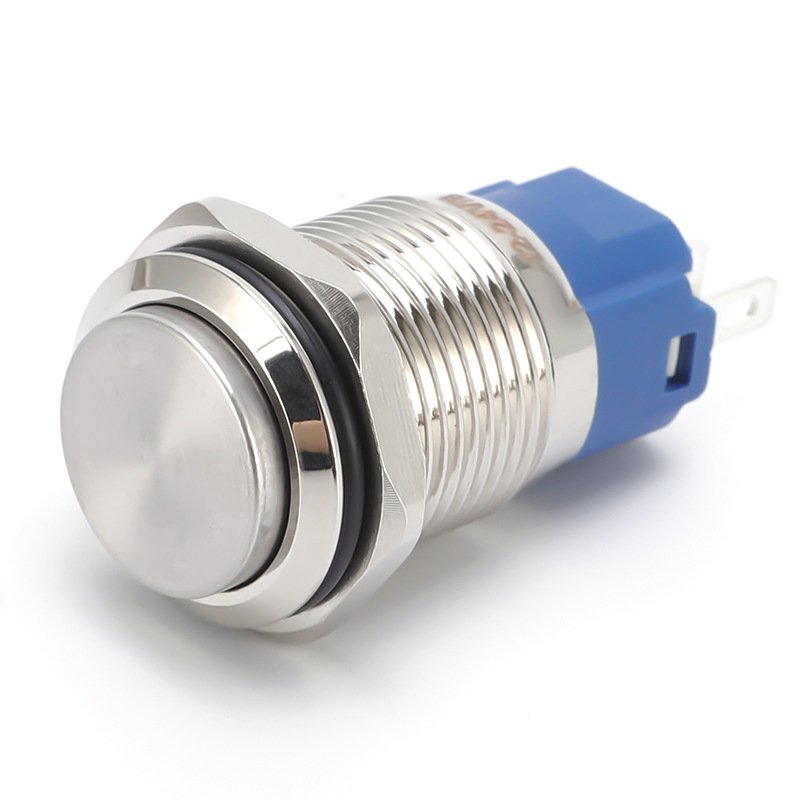
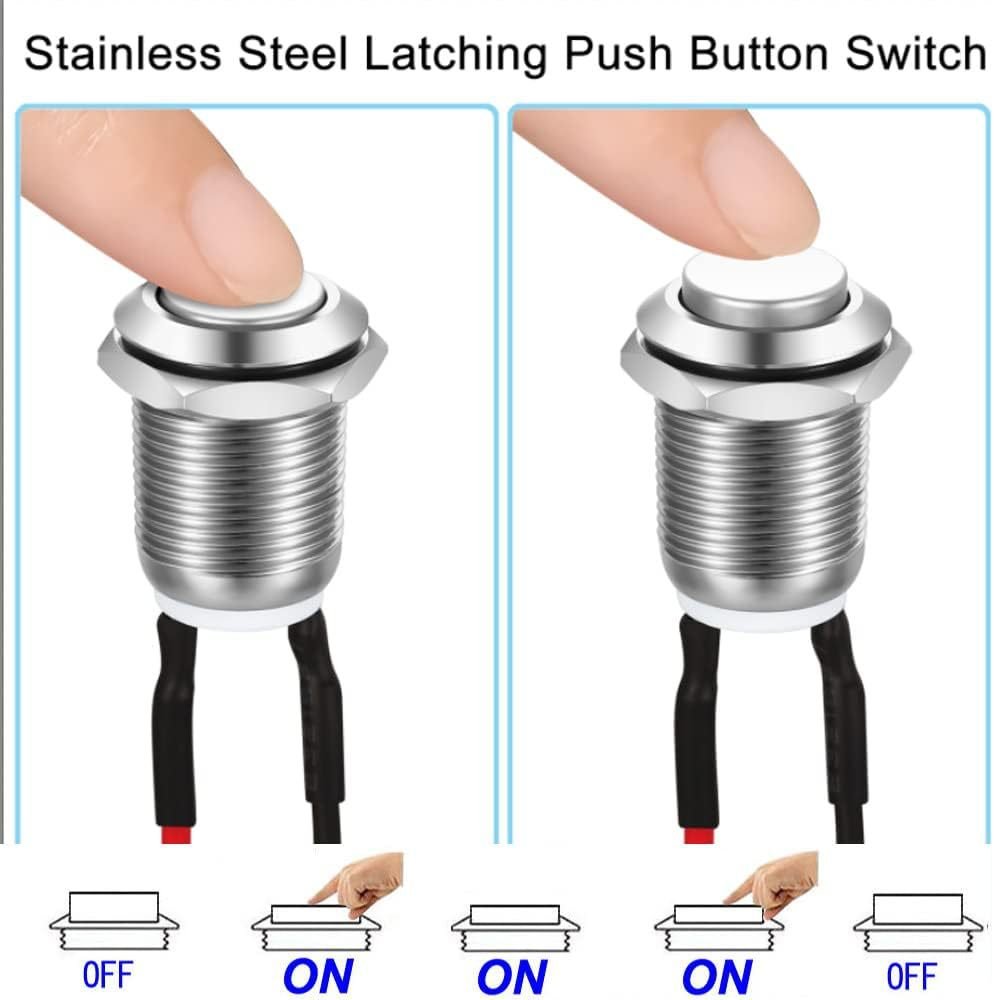
In industrial control, medical devices, automotive electronics, and smart home systems, the metal push-button switch is a core component. It combines mechanical strength with a premium look. However, bare metal surfaces face real threats from daily wear, oxidation, and corrosion. Therefore, surface treatment is no longer optional—it is a key step that protects performance and extends service life.
This guide explains three mainstream processes: anodizing, PVD coating, and nickel/chrome electroplating. Each one improves abrasion resistance, oxidation protection, and visual appeal. In addition, we review typical applications across industries so you can choose the right finish with confidence.
Read our Push button switch wiring guide.
Why Metal Push-Button Switches Need Surface Treatment
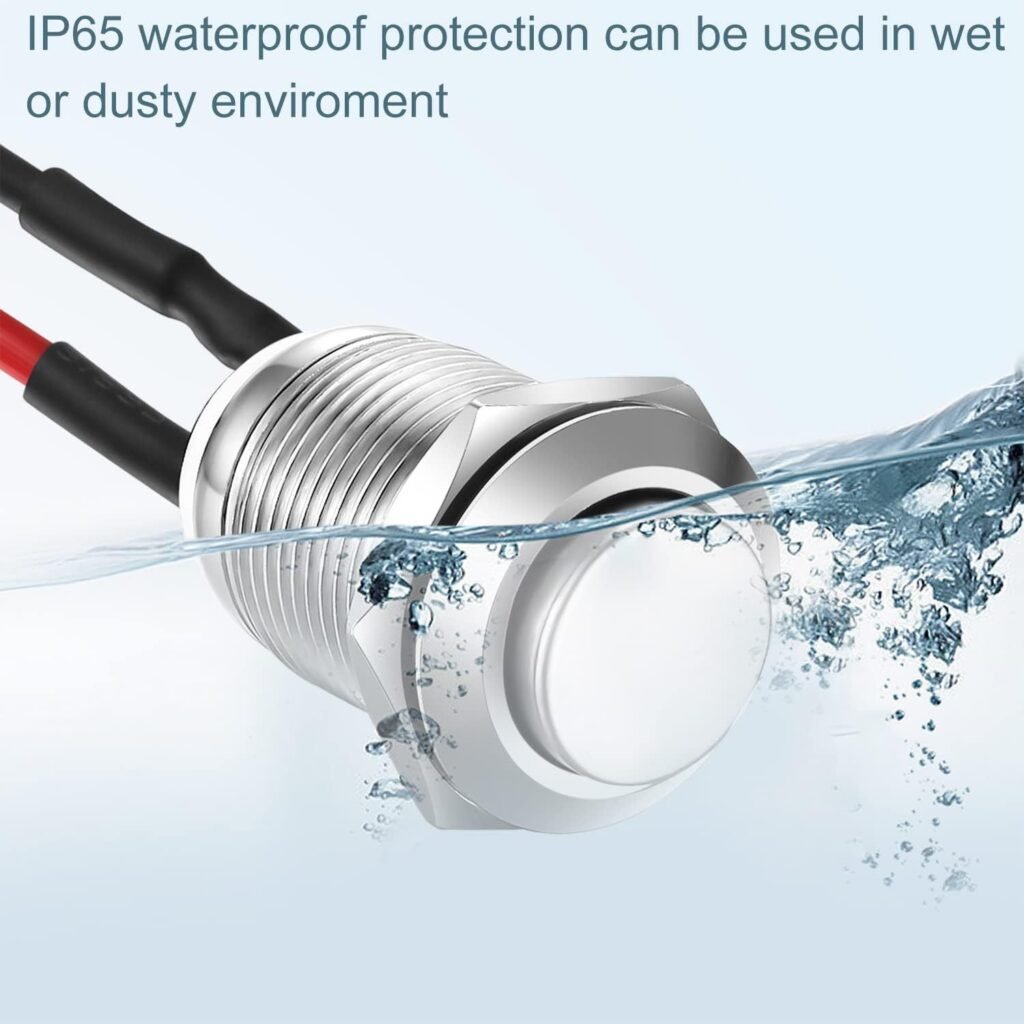
Common housings use stainless steel, aluminum alloy, or brass. Although these materials are strong, they still suffer in real environments. First, frequent pressing creates scratches that ruin the appearance. Second, aluminum oxidizes quickly, and even stainless steel can corrode in high-salt spray. Third, B2B buyers in medical and smart-home markets demand specific colors and textures. Finally, outdoor and rail applications require UV, salt-spray, and corrosion resistance. Consequently, surface treatment is both a protective and a branding decision.
Anodizing: Protecting Aluminum Alloy Push-Button Switches
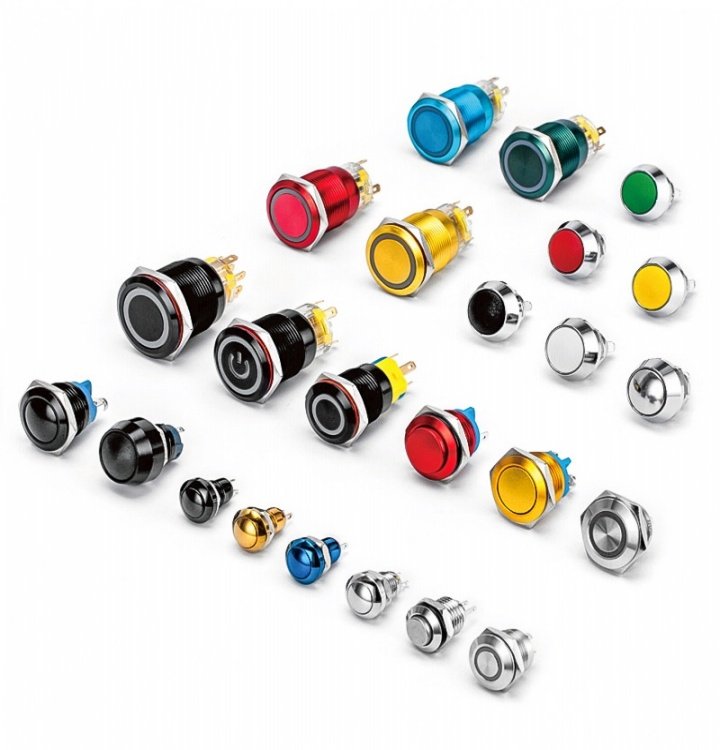
Anodizing is an electrochemical process that forms a dense oxide film on aluminum. Because this film is hard and sealed, it delivers strong practical benefits. Wear resistance improves markedly, since the film reaches HV300–500 and resists scratches. Corrosion resistance also rises, because the layer blocks air and moisture. Moreover, anodizing supports black, silver, red, and blue finishes that match brand requirements. For example, smart-home panels use anodized aluminum for a light yet stylish look. Medical equipment relies on the non-toxic, easy-to-clean surface.
PVD Coating: Ultra-Hard, High-End Metal Finishes
PVD (Physical Vapor Deposition) deposits a micron-thin, extremely hard film in a high-vacuum chamber. Typical layers include TiN (gold), TiC (black), and CrN (silver-white). The results are impressive. First, hardness can exceed HV1000, far above anodizing. Next, the coating resists oxidation and chemicals, which suits harsh rail and chemical settings. In addition, PVD creates gold, gunmetal, and mirror-black effects that lift product perception. Because it avoids heavy-metal waste, it is also more eco-friendly than traditional plating. Luxury cars, train control panels, and industrial machines all benefit from this durable finish.
Nickel and Chrome Electroplating: Proven and Cost-Effective
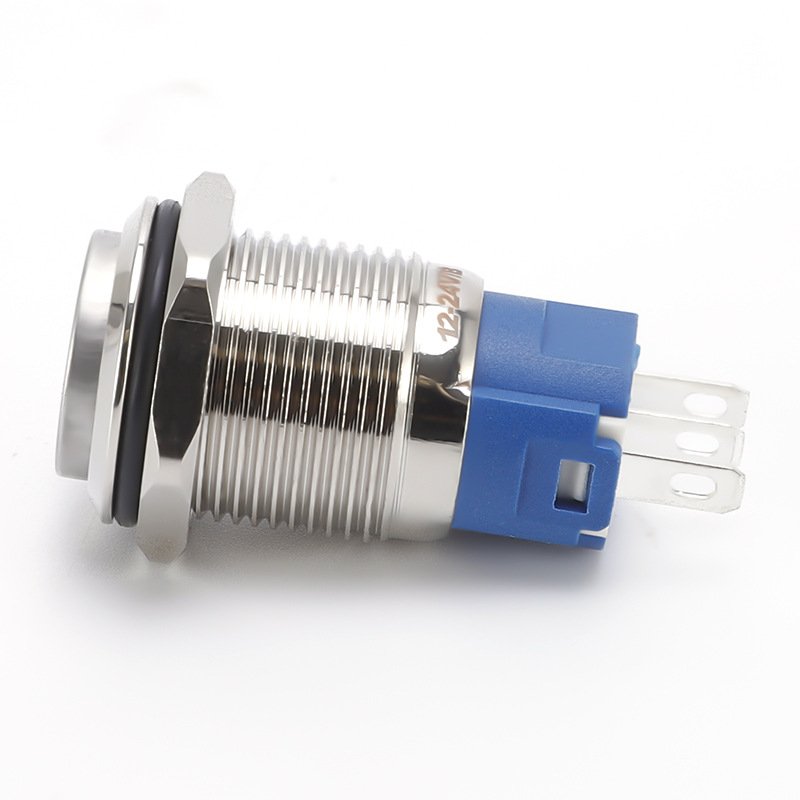
Electroplating deposits a nickel or chrome layer through an electrochemical bath. Nickel builds a corrosion-resistant base, while chrome adds hardness and shine. As a result, plated switches look bright and survive heavy use. Furthermore, plating costs less than PVD, which makes it ideal for high-volume industrial production. Industrial consoles and home appliances—such as coffee machines and water heaters—commonly use this mature, reliable process.
Other Useful Surface Treatments
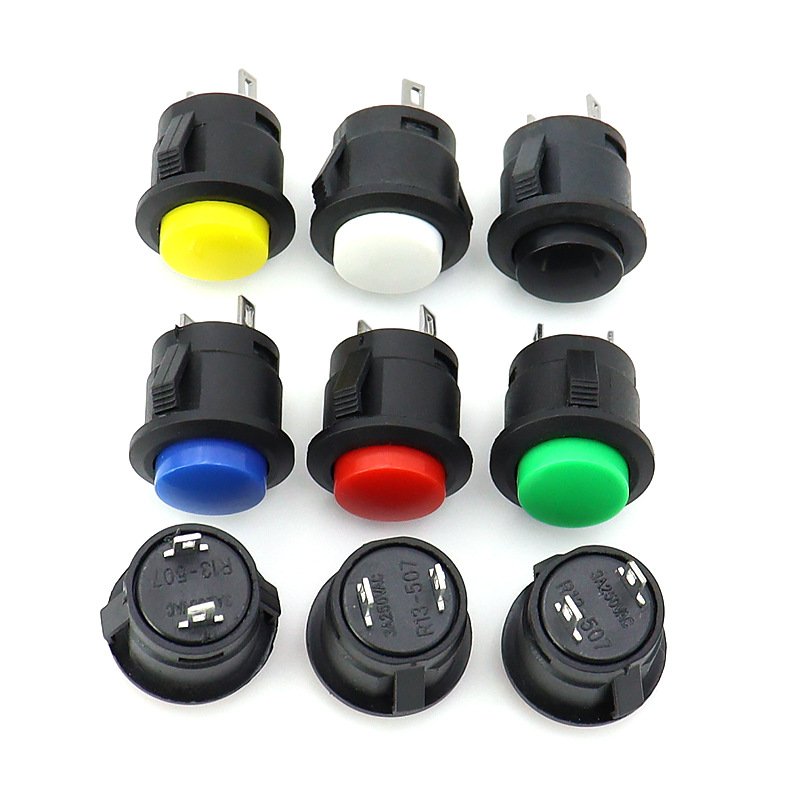
Beyond the three leaders, several supplementary processes add value. Sandblasting yields a matte, glare-free surface that suits medical gear. Brushed finishing creates a refined metal grain for consumer electronics. Antibacterial nano-silver coatings prevent bacterial growth in clinical settings. Powder coating or painting improves both decoration and corrosion resistance in appliances.
See our Push button switch indicator-light guide.
How to Choose the Right Process
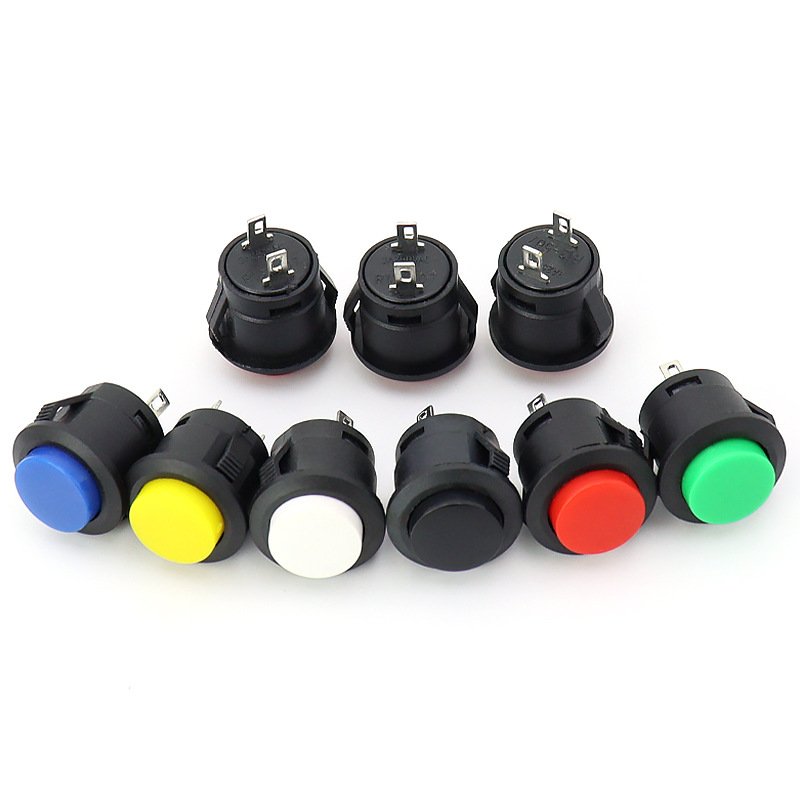
Selection should follow four factors. First, match the environment: outdoor parts need PVD or nickel/chrome, while indoor electronics can use anodizing. Second, define the look—PVD or brushed for premium feel, sandblasted anodizing for understated utility. Third, weigh cost: electroplating fits large batches. Fourth, consider lifespan: rail and auto applications favor PVD, and medical devices favor anodizing plus an antibacterial layer.
Future Trends in Surface Treatment
The field keeps evolving. Eco-friendly processes are replacing traditional plating. Smart surfaces now offer anti-fingerprint and self-cleaning nano-coatings. Functional films add conductivity, anti-static, or touch-sensing ability. Finally, CNC machining combined with anodizing and laser engraving enables custom logos and symbols on every switch.
Conclusion
Surface treatment for the metal push-button switch is far more than decoration. It is the foundation of reliability, safety, and industry fit. Anodizing leads for lightweight, colorful consumer and medical products. PVD excels where wear and corrosion are extreme. Electroplating remains the smart choice for cost-sensitive volume production. As demand for sustainability and personalization grows, these finishes will become even more functional, intelligent, and durable.