Blog
Metal Push-Button Switch Mechanical Life Enhancement: Structure and Materials

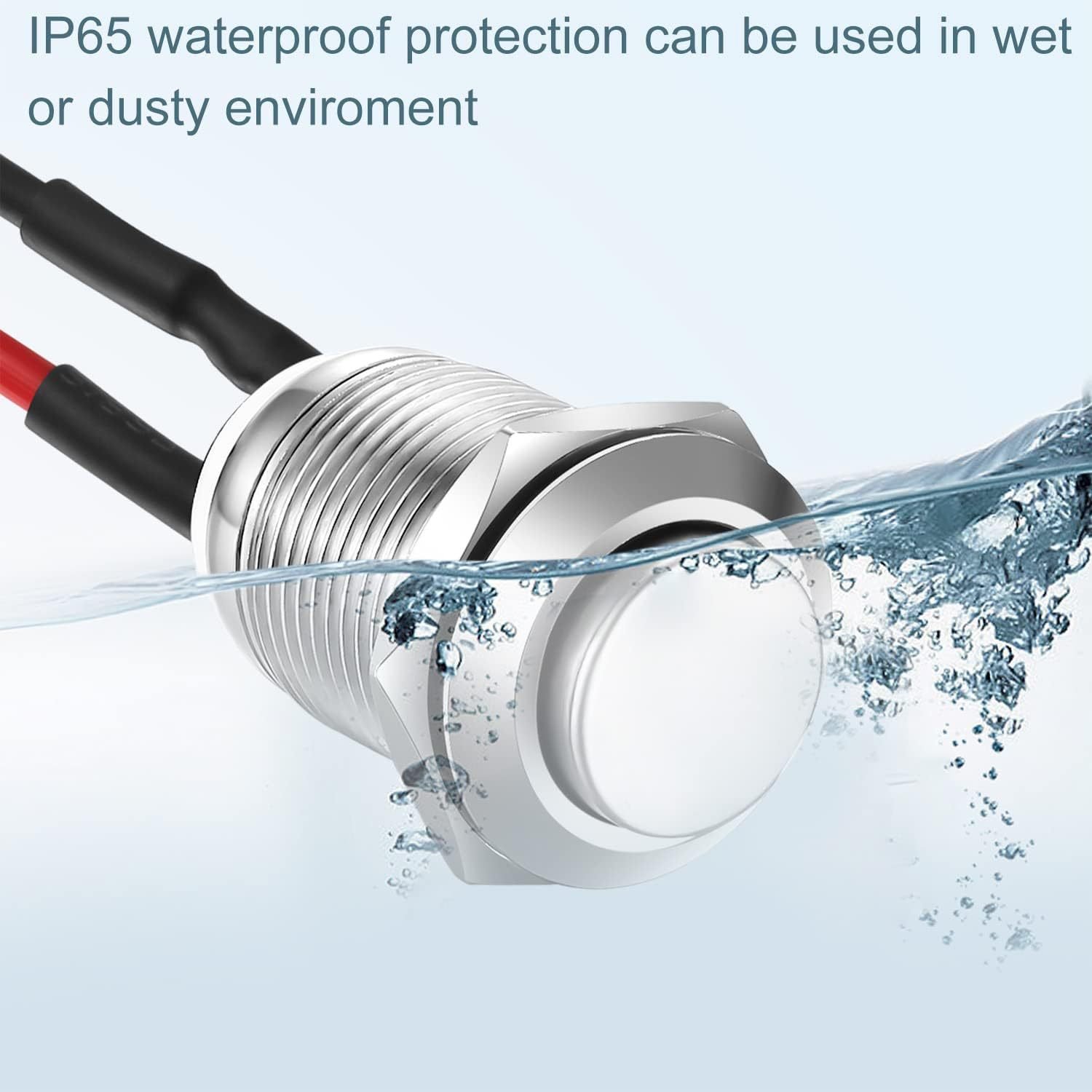
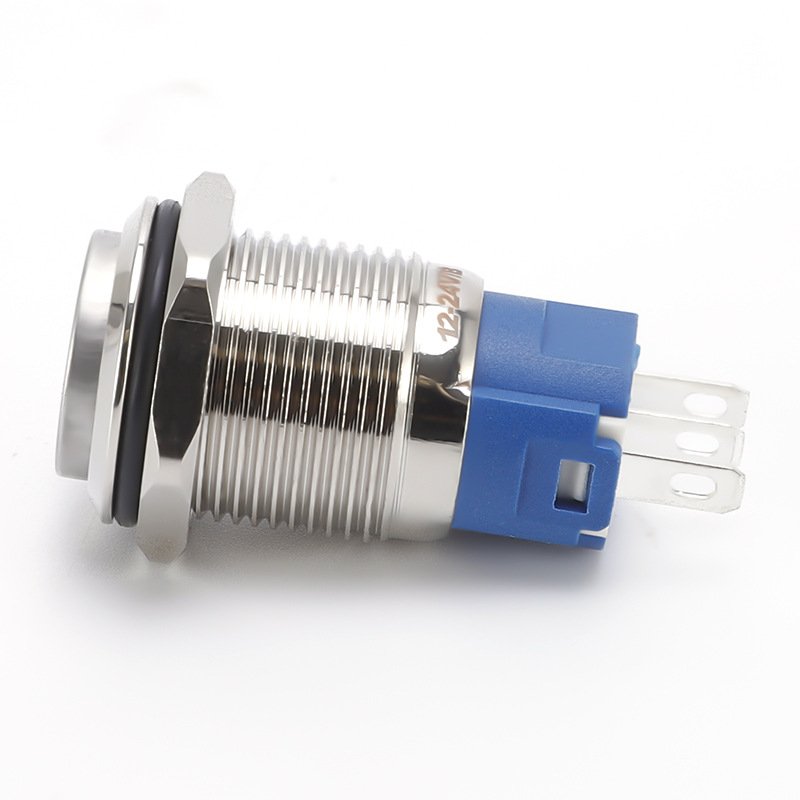
In industrial automation, medical devices, traffic control, and security terminals, the Metal Push-Button Switch is widely used for its structural strength, excellent interference resistance, and attractive appearance. However, as operating frequency rises, mechanical life becomes a core design target. In high-frequency scenes such as ATM terminals and industrial panels, a switch failure raises maintenance cost and may threaten the stability of the whole machine. Today, the mechanical life target for a metal push-button switch is usually set above 1,000,000 actuation cycles, and high-end uses may require over 5,000,000 cycles. Achieving this goal needs structure design, material choice, manufacturing process, and reliability verification working together.
Metal Push-Button Switch Structural Forms and Life Differences
The structure of a metal push-button switch directly decides its durability and feel. Three common forms show clear life differences.
Spring Dome Structure
The spring dome uses a metal dome, usually stainless steel, that conducts when pressed and returns when released. Its main advantage is a simple, fast, and low-cost design. However, metal fatigue is the life bottleneck; typical life is 1,000,000 to 3,000,000 cycles. Key factors include dome thickness and material, such as SUS304 versus SUS301, surface treatment like nickel or silver plating for corrosion resistance, and edge processing method such as shearing or laser cutting to control stress concentration.
Lever Plunger Mechanism
The lever or plunger mechanism transfers force to the contact to complete conduction. Its strength is high force feedback and precise trigger-point control. Life ranges widely, typically 2,000,000 to 10,000,000 cycles. Design optimization matters. First, a damping washer buffers rebound impact. Second, the fit precision between lever and guide sleeve decides friction wear. Third, engineering plastics such as POM or PA66, or ceramic sleeves, reduce wear.
Double Contact Dome
The double contact dome uses two layers of domes to form contact, which improves contact area and conduction stability. Its advantage is strong anti-pollution ability and stable contact, so it suits harsh environments. Moreover, it can reach over 5,000,000 cycles. The design point is precise alignment; otherwise repeated pressure causes early failure. In addition, good elastic coordination reduces local stress and extends metal fatigue life.
Key Strategies for Over 1,000,000 Cycles
First, control actuation force and travel precisely. The ideal force range is 1.5 to 3.5 N. Too high a force causes user fatigue and speeds up mechanism wear. Travel is usually 0.3 to 1.2 mm; precise control avoids over-travel damage to contacts. Second, choose dome and contact materials carefully. High-elastic stainless steel such as SUS301H or SUS304 gives excellent fatigue performance. Gold or silver plating keeps low-current signals stable. Alloy copper such as CuSn8 fits high-conductivity and anti-oxidation needs. For example, an ATM metal push-button switch required over 2,000,000 cycles in high humidity. The solution used SUS301-H domes with good rebound after heat treatment. In addition, gold-plated copper alloy contacts avoided silver sulfidation. Finally, structural travel limits prevented repeated overload of the metal dome.
Mechanical Process Optimization: Friction and Impact
First, control machining precision and fit tolerance. The internal transmission needs a fit clearance within ±0.02 mm to avoid early wear. CNC machining keeps component concentricity and prevents eccentric force from damaging the dome. Second, use lubrication and damping. High-end products often apply solid lubricant films such as PTFE or MoS2, or high-temperature silicone grease, to lower plunger-to-sleeve friction. Furthermore, a soft-landing rubber buffer reduces rebound impact, improving comfort and extending dome life.
Durability Verification and Life Prediction
First, run mechanical life tests. An automatic life tester sets a 1 to 3 Hz cycle frequency and records failure counts. Real-time electrical monitoring catches jitter or poor contact to judge functional failure. Second, build accelerated life test (ALT) models. High temperature, high humidity, and high frequency simulate real use. A Weibull distribution models life under normal conditions. In addition, the Arrhenius model links material aging speed to temperature. Therefore, engineers can predict field life before mass production.
Future Trends: Higher Life and Intelligence
First, ultra-high-life switches above 10,000,000 cycles use ceramic plungers with graphite lubricant sheets for nearly zero wear. Contacts use precious-metal thin films such as Pt or Au to greatly improve stability. Second, contactless electronic buttons are replacing some mechanical ones. Capacitive metal touch switches offer theoretically infinite life, yet they still face interference resistance and feel-feedback limits. As a result, hybrid designs are gaining attention.
Conclusion: Balancing Engineering for Long Life
The mechanical life of a Metal Push-Button Switch is more than a number; it reflects the balance of structure, material, process, and application. Through rational structure selection, material matching, and design optimization, stable life beyond one million cycles is achievable while keeping good feel. For B2B buyers, high life means lower maintenance frequency, higher equipment stability, and lower total cost of ownership. In future development, combining life-enhancement technology with smart control will let the metal push-button switch play a larger role in high-reliability fields.