Blog
Push Button Switch in EV Cockpit HMI Design

Push Button Switch in EV Cockpit HMI Design
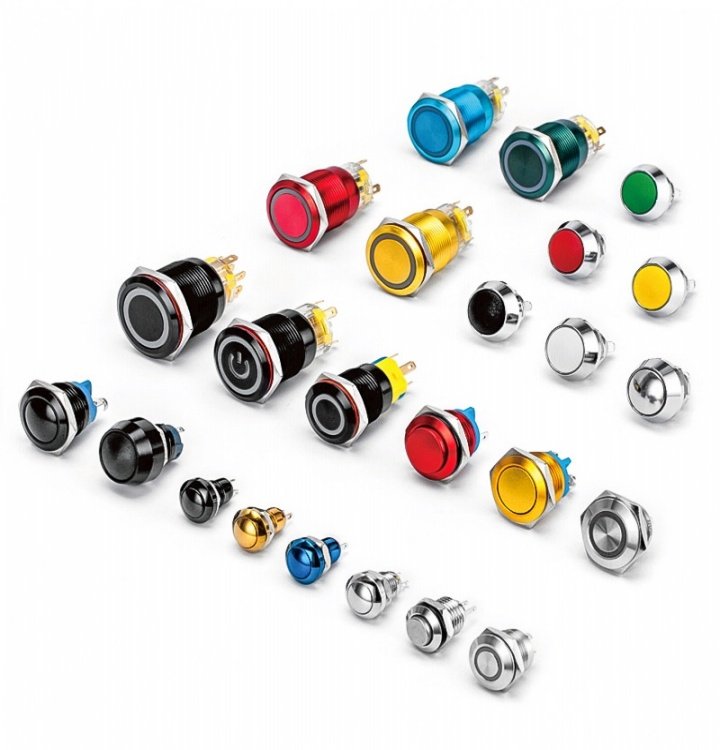
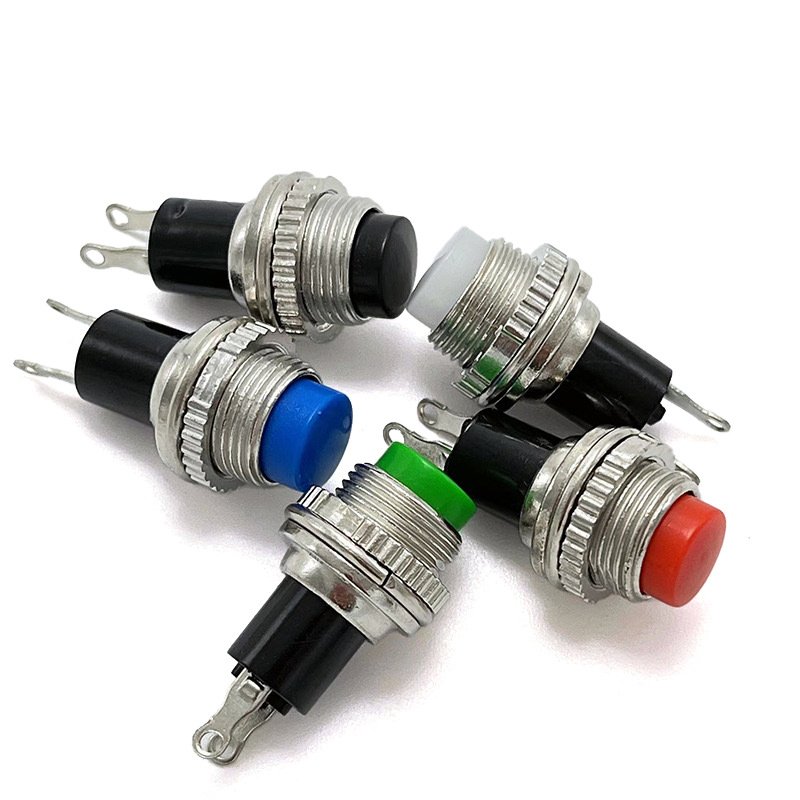
Electric vehicles are reshaping the modern cockpit. Screens grow larger, interfaces become smarter, and drivers expect more from every control. Still, the Push Button Switch remains a key part of that experience. Touchscreens and rotary knobs add flexibility, yet a metal push button delivers the direct, reliable, and premium feel that safety-critical functions demand. This article explains how the metal push button works with screens and knobs, and why its tactile feedback keeps drivers safer.
How the Push Button Switch Works with Touchscreen and Knob
Today’s cockpit is a multimodal human-machine interface. Three input layers share the dashboard: the touchscreen, the rotary knob, and the physical push button. Each layer covers the others’ weak points.
Touchscreen: Strength and Limits
The touchscreen offers flexible, dynamic control. First, it can change menus on demand and reduce the number of physical parts. However, it has clear limits while driving. For example, it lacks physical feedback, so drivers must look away to confirm a tap. Second, a capacitive screen often fails with wet hands or winter gloves. Third, some systems show lag or freeze, which hurts the driving experience.
The Rotary Knob
The knob suits volume and drive-mode control. It gives partial tactile cues and feels intuitive for continuous adjustment. Still, a knob rarely completes complex tasks alone. Instead, it works best when paired with other inputs.
The Role of the Metal Push Button Switch
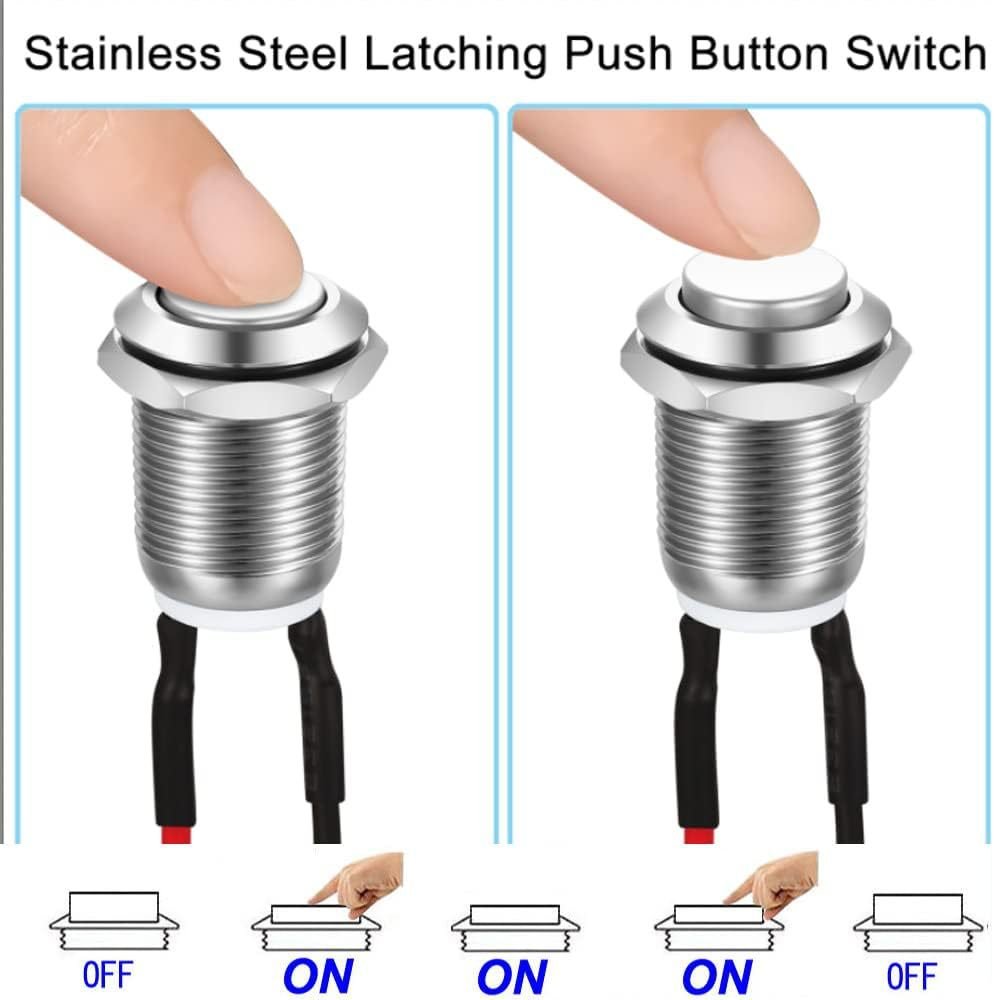
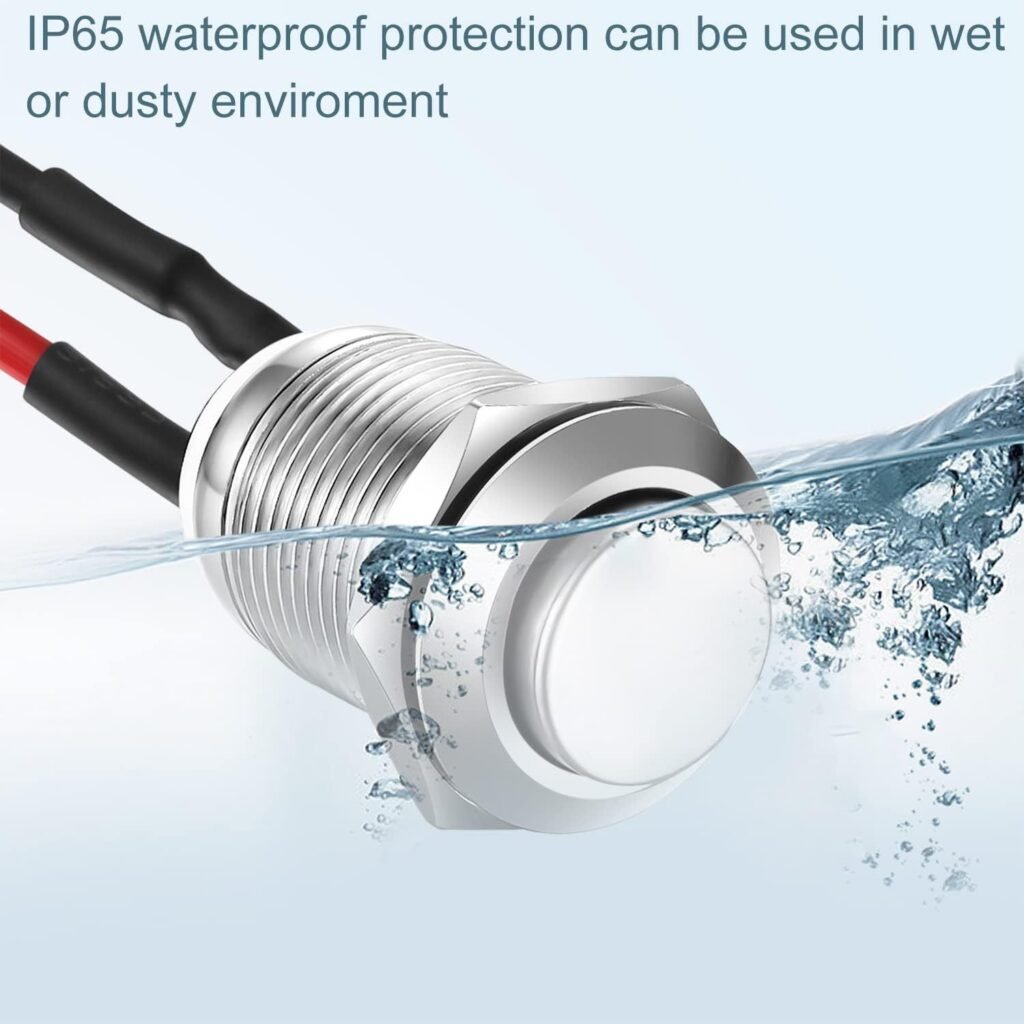
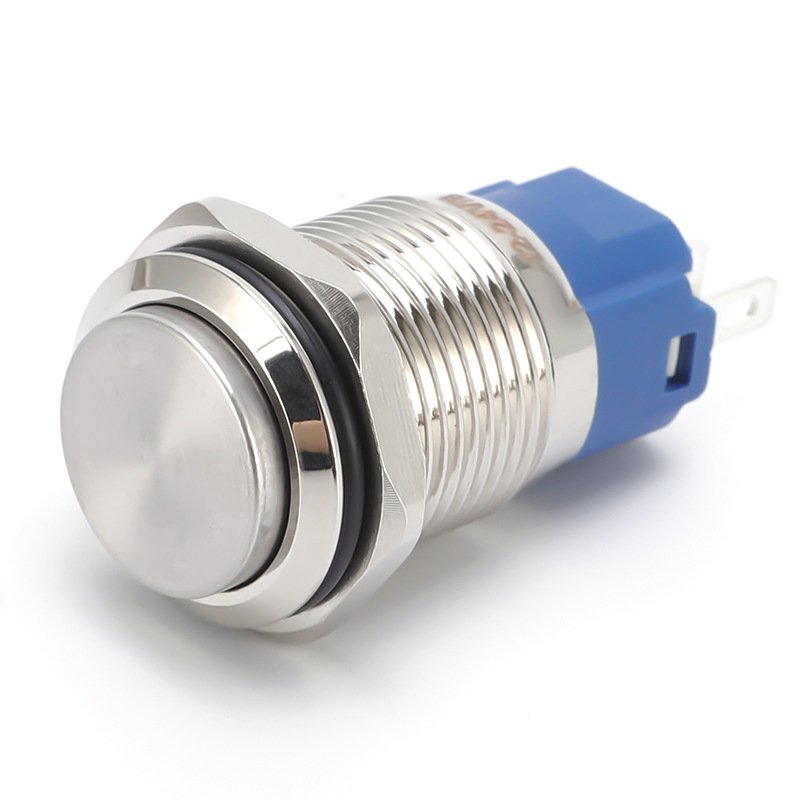
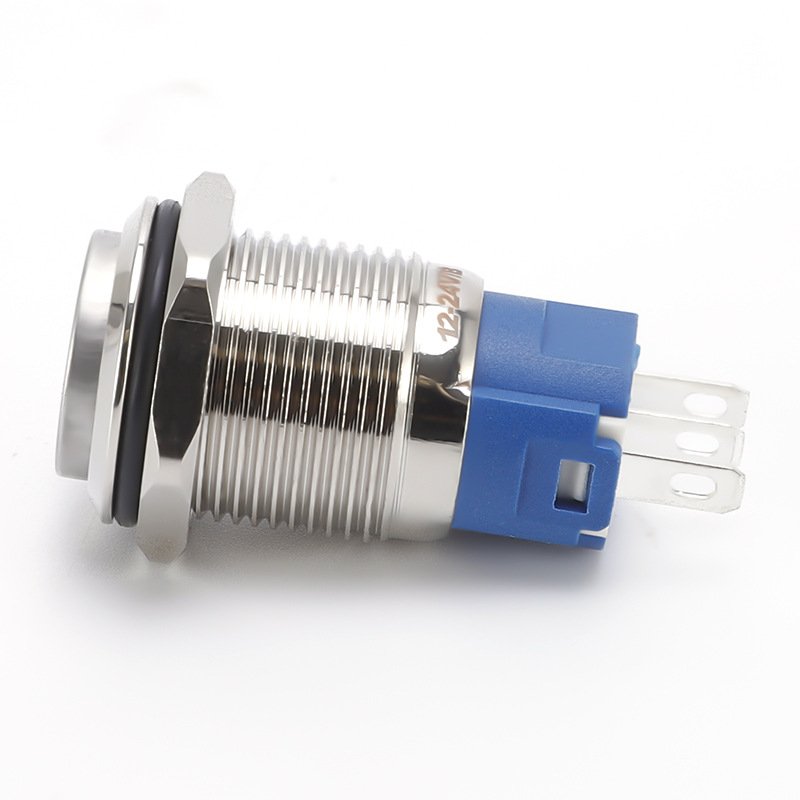
The metal Push Button Switch fills the gaps left by screens and knobs. It gives fast, clear, and dependable control where it matters most.
First, it handles critical functions. Start/stop, emergency shutdown, and drive-mode selection all need instant, unmistakable feedback. A metal button is the right tool for these jobs. Moreover, it improves safety: while driving, a person can find a button by touch and shape alone. As a result, this cuts visual distraction and keeps eyes on the road. Finally, it lifts the experience, because the mechanical click tells the driver the input worked.
Tactile Feedback and Driving Safety
Feedback feel is the metal push button’s biggest advantage. Good design turns a simple press into clear communication.
How Tactile Feedback Works
Travel distance sets the first impression. Specifically, short travel of 0.3 to 1.0 mm gives a crisp, fast response, whereas longer travel fits jobs that need more deliberate force.
Operating force matters too. A range of 3 N to 7 N avoids accidental presses while staying comfortable. In addition, the feedback type varies by design. Mechanical, micro-switch, and haptic-vibration schemes each suit different needs, so engineers pick the option that matches the use case.
Why Feedback Protects the Driver
Research shows physical feedback lowers mental load. For instance, a driver who feels the click needs no second look. BMW’s iDrive pairs a knob with a few physical buttons for this reason. By contrast, the Tesla Model 3 and Model Y removed most buttons and rely on the touchscreen. Some users report that the loss of physical controls makes simple actions less intuitive on the move. Therefore, the metal push button keeps that intuition intact.
Design Takeaways for EV Cockpits
The best cockpit blends inputs instead of replacing them. A screen handles rich menus, a knob handles continuous control, and a metal push button handles the functions where a wrong tap is unacceptable.
Above all, premium materials matter. A metal actuator signals quality and survives repeated use. Furthermore, it supports backlight and debounce designs that further improve clarity and signal stability.
Conclusion
The metal push button switch is far from a legacy part. It is a core piece of modern cockpit design. Future HMI will likely combine physical buttons, touch, and voice to serve every habit. For car makers, keeping the right push button in the right place is the key to safer, better-driving EVs.