

Blog
Rocker Switch Classification: Pole & Throw Types, Appearance and Mount Options

Related Posts
Medical Grade Rocker Switch: IEC 60601-1 Leakage Current and Reliability
Medical grade rocker switch design under IEC 60601-1: leakage current limits, PPS and ceramic insulation, creepage distance, dielectric testing and dialysis case study.
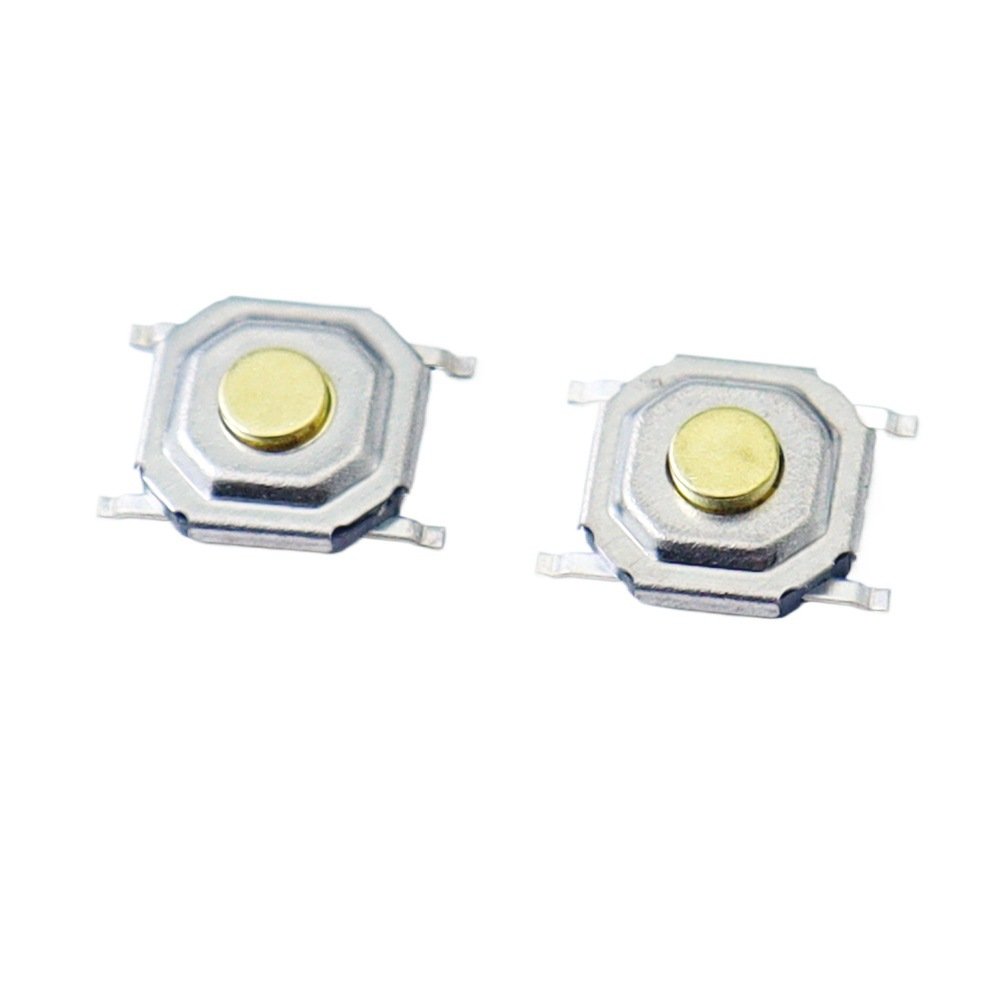
Micro Tactile Switch Trends in Wearables: Low Travel, High Density
How micro tactile switches evolve for TWS earbuds and smartwatches: sub-0.15mm travel, high-density FPC placement, integrated modules and wearable engineering challenges.
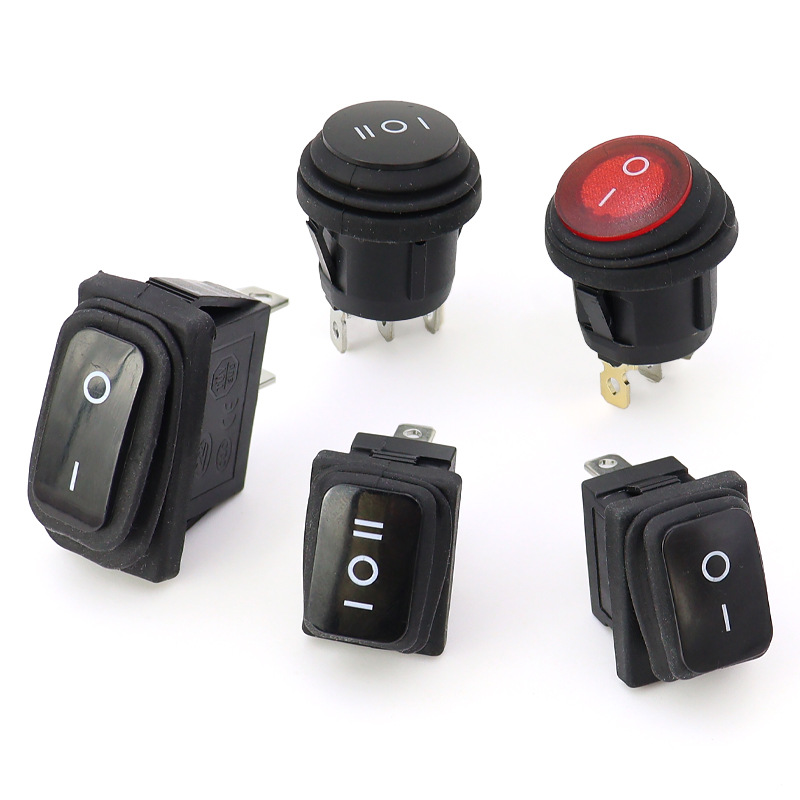
Rocker Switch Sealing Design: Waterproof and Dustproof Technology
A B2B guide to rocker switch sealing design: IP67/IP68 gaskets, potting materials, waterproof housings, dustproof failures and reliability cases.
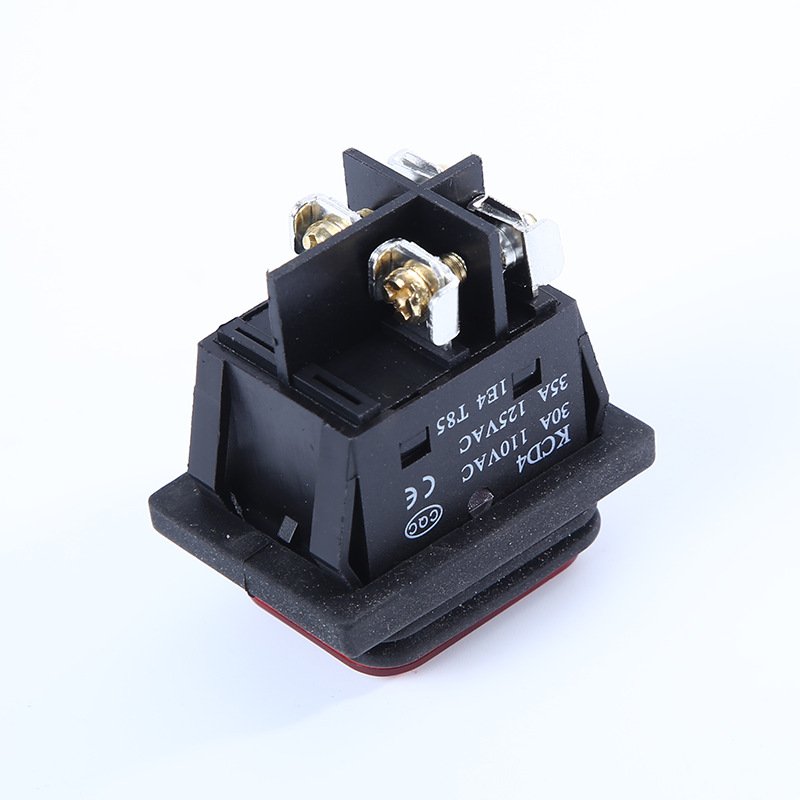
Rocker Switch Automated Manufacturing and Testing Process
A B2B guide to automated rocker switch production: auto pin insertion, spot welding, LED mounting, automated tests, machine vision and MES traceability.
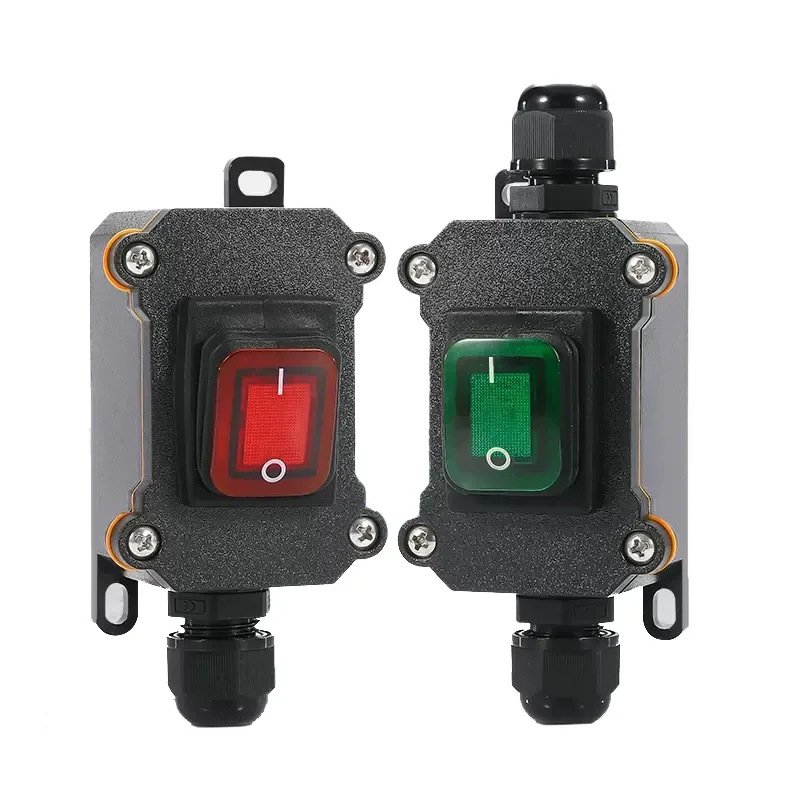
Rocker Switch Housing Materials: PA, PC, PPO Cold Brittleness Guide
A B2B guide to rocker switch housing plastics—PA66, PC and PPO brittleness points, pros, cons and cold-weather applications.
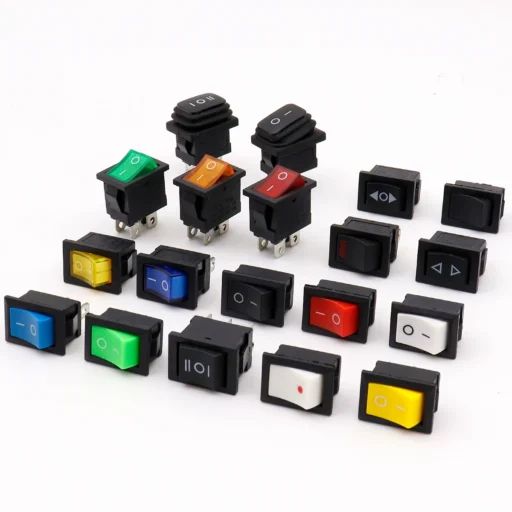
Rocker Switch Copper Plating: Silver, Gold & Nickel Compared
A practical B2B guide to silver, gold and nickel plating for rocker switch copper contacts—pros, cons and best applications.
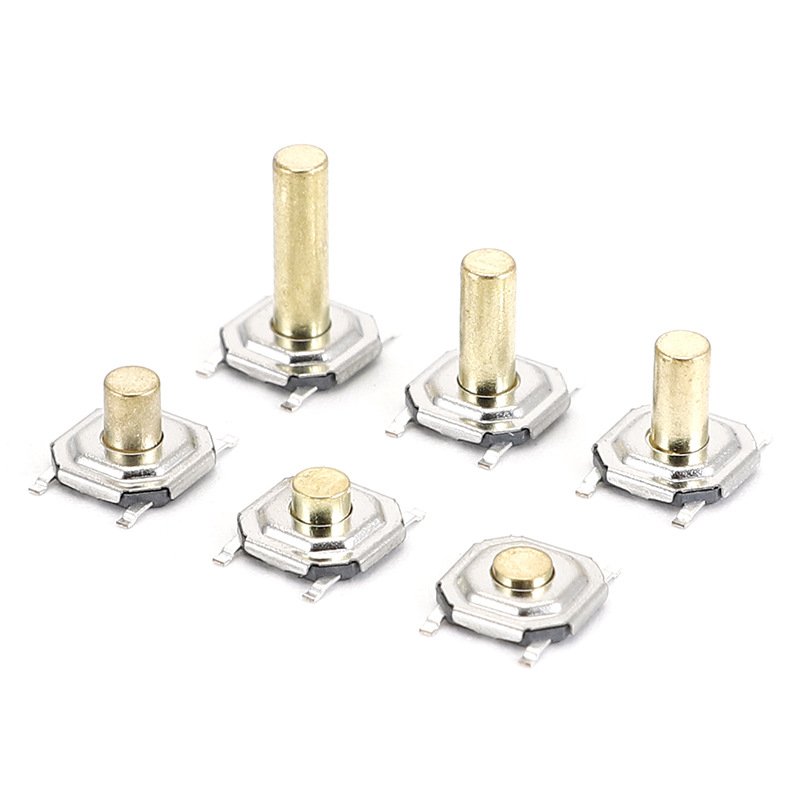
Tact Switch Housing Materials for High Temperatures: Selection and Thermal Aging
How to choose tact switch housing materials for high temperatures: PA66, PBT, LCP, PPS, PEEK compared with thermal aging risks and real cases.
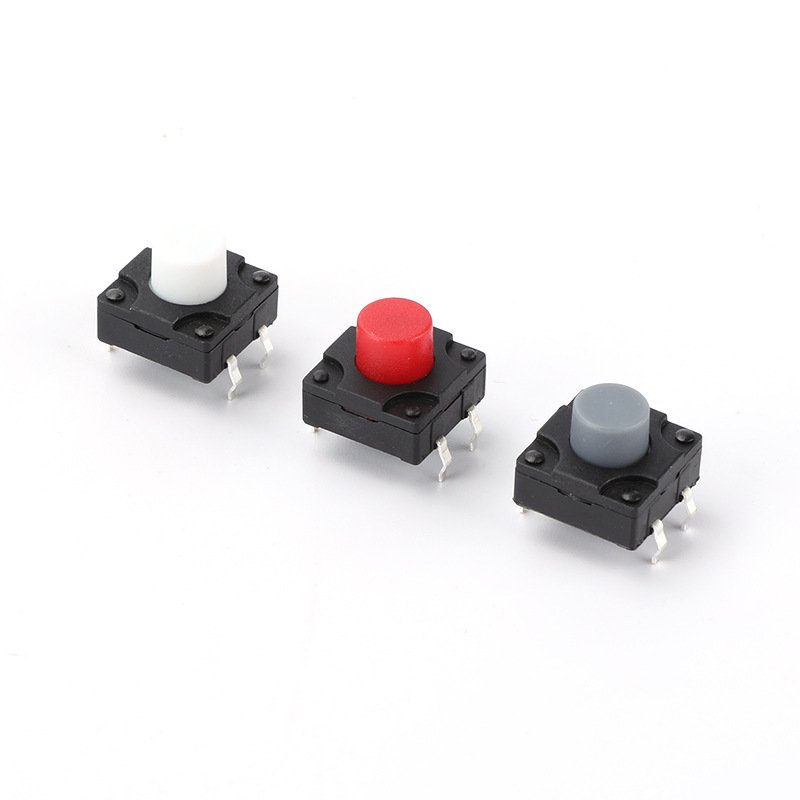
Tact Switch Contact Materials and Plating: How They Affect Electrical Life
How tact switch contact materials and plating affect electrical life: silver, gold, nickel, multi-layer options, failure cases, and a selection guide.
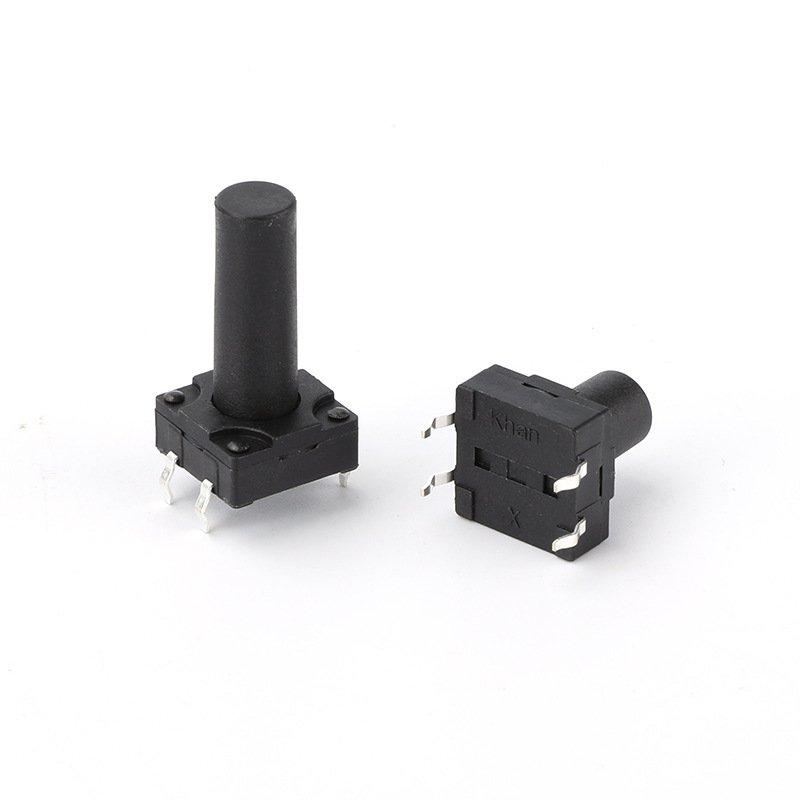
Tact Switch Mechanical Life: Innovative Design Tips
Tact Switch mechanical life: extend it with new spring materials, contact-structure optimization, and consistency design for harsh use.

Micro Switch Working Principle: Snap-Action Explained
Learn the micro switch working principle and how the snap-action mechanism gives instant switching, self-held contact force, and fast arc suppression.
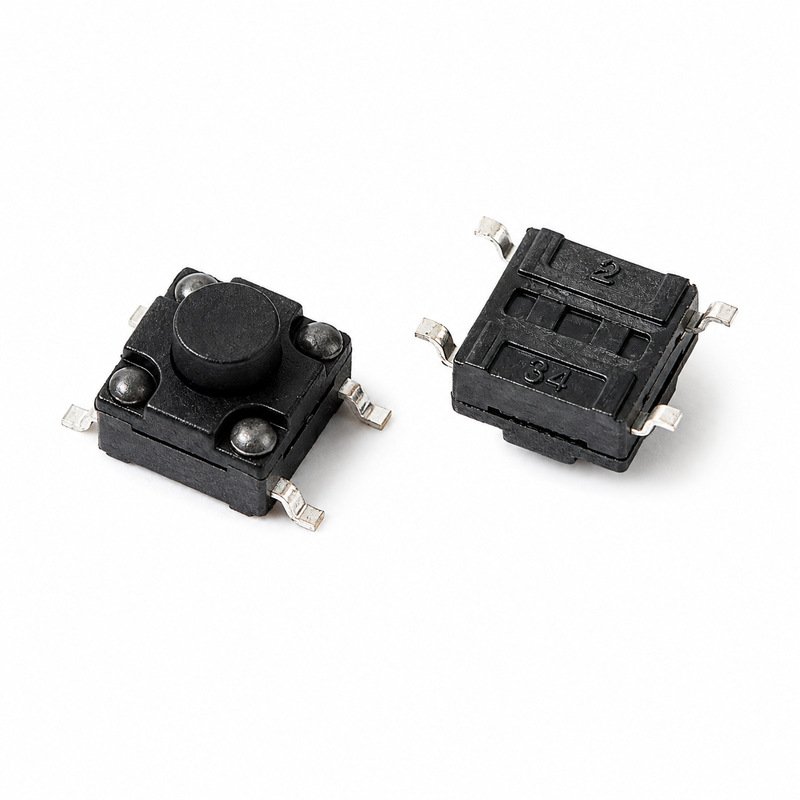
Waterproof Tact Switch: Key Selection Parameters Explained
Learn how to choose a waterproof tact switch. Compare IP65, IP67 and IP68 sealing methods, key materials, common failure causes, and buying tips.
Micro Switch Contacts Compared: Silver, Gold, or Copper?
Micro switch contacts compared: copper oxidizes fast, silver alloys rule 10-20A power switching, gold plating protects weak signals in harsh air.