Blog
Key Factors to Consider When Choosing Latching Tact Switches

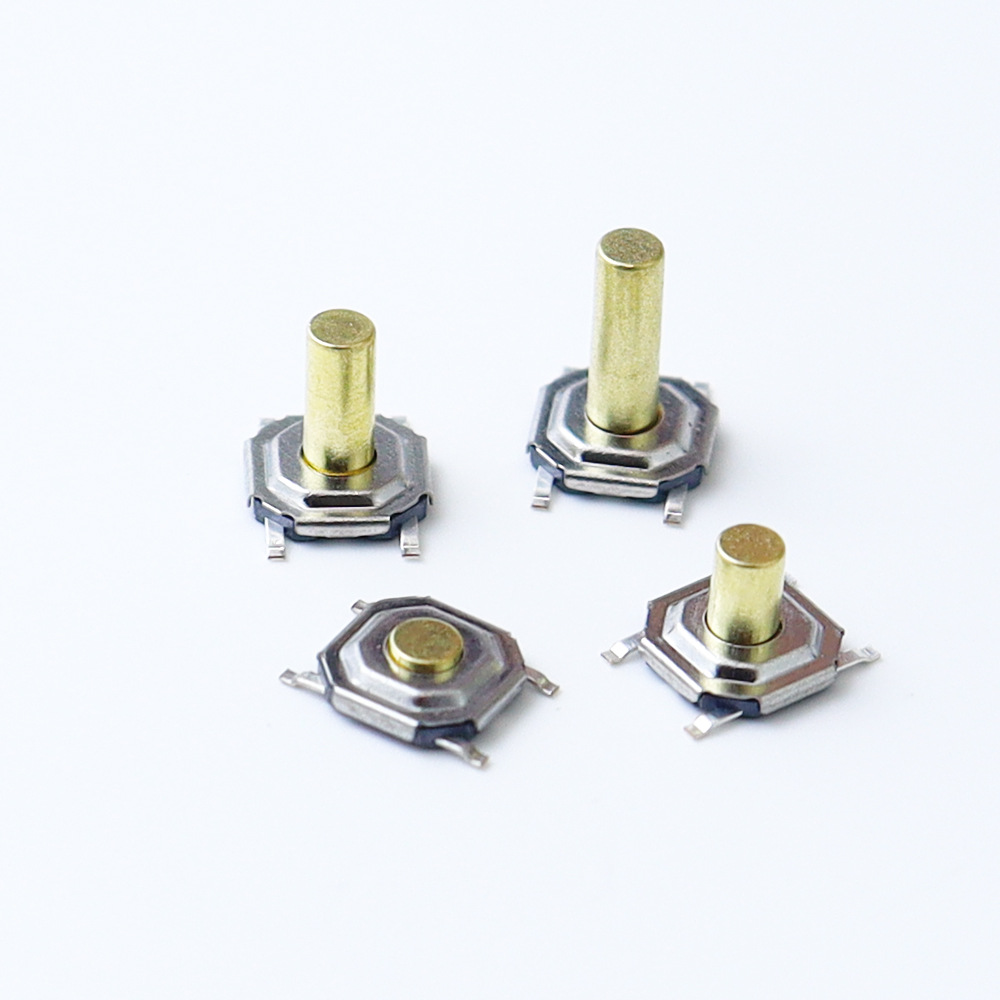
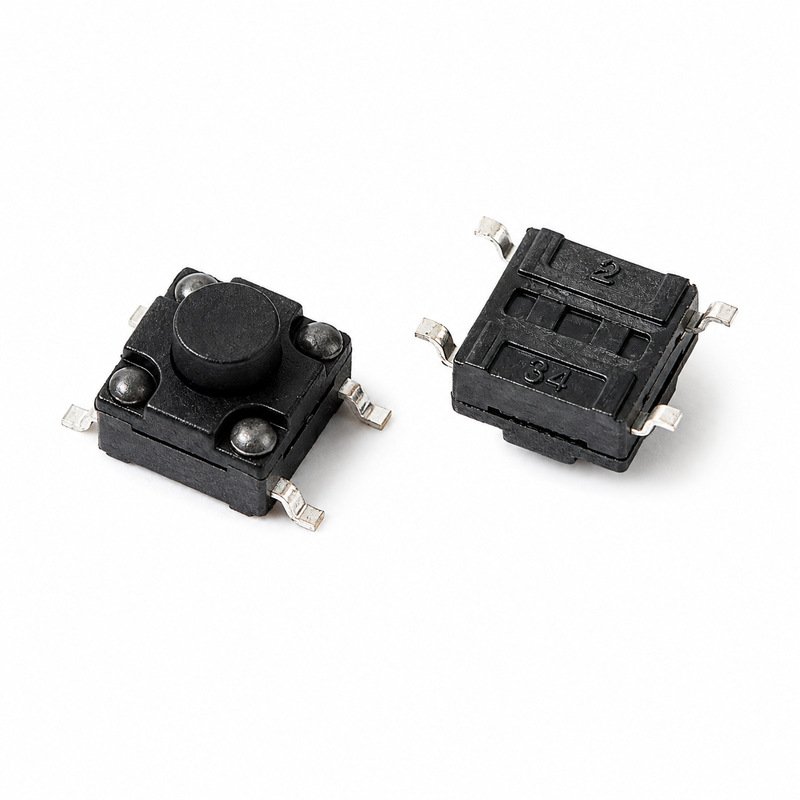
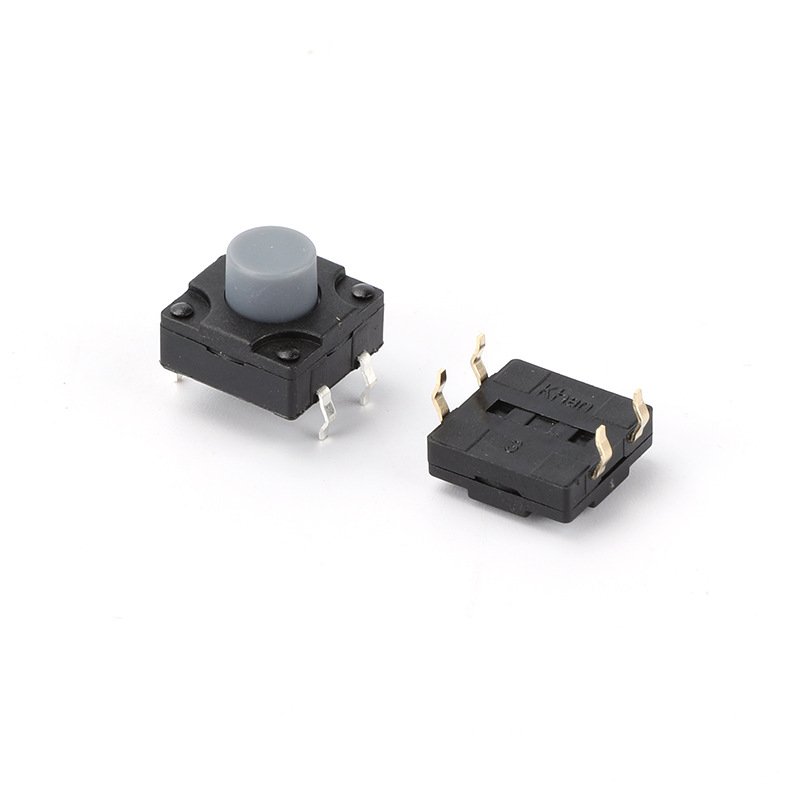
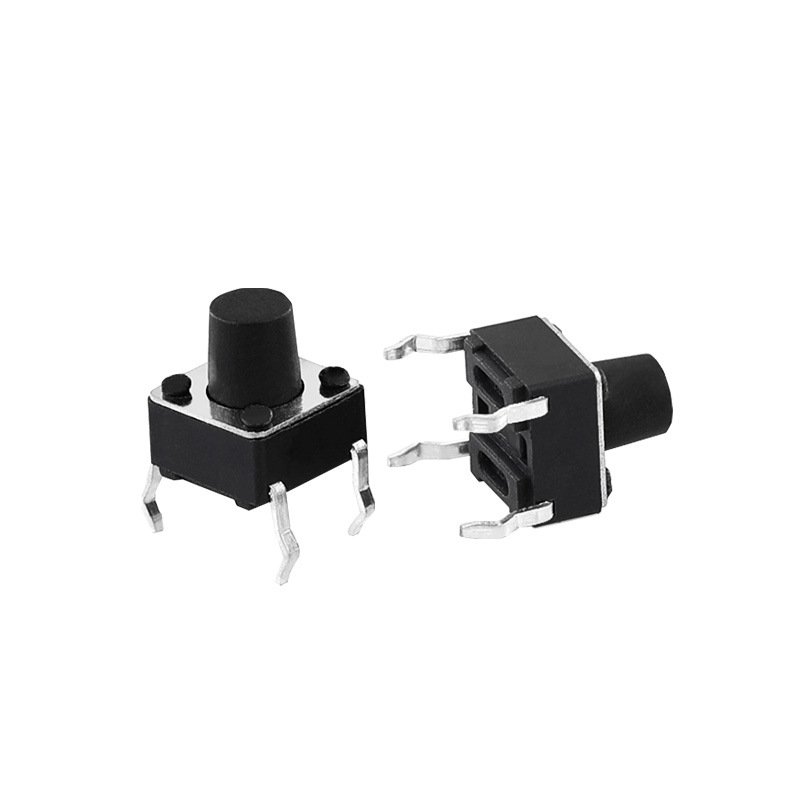
Latching tact switches are essential precision electronic components for modern household appliances and smart devices. They also serve industrial control equipment and consumer electronics. Different from ordinary momentary tact switches, latching tact switches lock the on or off state automatically after pressing. This delivers stable circuit switching without continuous force.
To select durable and cost-effective latching tact switches, you need to evaluate multiple core performance factors. Therefore, this article explains the key considerations for latching tact switch selection. This helps you avoid low-quality products and match the most suitable switch for your equipment.
1. Pin Base Material and Silver Plating Process
The pin base material and electroplating process directly determine conductivity, solderability, and oxidation resistance. High-quality latching tact switches adopt professional silver plating technology on pin surfaces. Then the silver plating thickness becomes the core standard for product grades.
According to industry specifications, silver plating above 0.3μm counts as thick silver plating. It features excellent conductivity and anti-oxidation performance. A thickness of 0.2μm is thin silver plating with basic performance. In contrast, 0.1μm is white silver plating with relatively weak stability.
A qualified silver plating layer reduces contact resistance and stabilizes circuit conduction. It also greatly optimizes PCB solderability. Besides silver plating treatment, a qualified protective agent layer must coat the pin surface. This process isolates air, moisture, and corrosive substances. As a result, it prevents pin oxidation, rust, and poor welding failure in long-term use.
Meanwhile, prioritize switches with reliable dustproof and waterproof performance. This avoids internal oxidation and functional failure from environmental moisture and dust.
2. Internal Contact Point Structure Design
The internal contact structure is the core factor for conduction stability and service life. Different contact structures bring huge differences in conduction accuracy, pressure resistance, and durability. Today the market offers three types of contact structures with distinct performance gaps.
The highest-grade structure is the crater-type O-shaped contact. During pressing, this design achieves full-surface fitting contact. So it delivers stable conduction, low contact resistance, and strong pressure resistance. It keeps an extremely low failure rate in high-precision equipment.
The second grade is the slotted two-point contact structure. It balances basic stability and cost for ordinary civilian electronic products. The lowest-grade is the flat-bubble one-point contact structure. It has a small contact area and unstable conduction. Therefore, it easily causes poor contact after long-term use. In fact, it only suits low-demand temporary equipment.
So you can select the matching contact structure for your application scenarios and quality requirements. This ensures long-term stable circuit switching.
3. Switch Service Life and Tactile Feedback
Service life and pressing hand feel are intuitive experience indicators. They depend on the matching precision of internal shrapnel and button stroke. Also, the coordination of high-precision shrapnel and optimized stroke design affects operating smoothness and fatigue resistance.
In general, switches with short button stroke and soft pressing sound have smaller internal mechanical loss. They also deliver uniform stress and longer service life.
On the contrary, switches with long stroke and hard pressing feedback bear greater mechanical torsion. The internal shrapnel is prone to fatigue and deformation. As a result, the overall service life becomes shorter and frequent use may cause jamming.
So test the pressing fluency, locking sensitivity, and reset stability before you order. This ensures no jamming, delayed locking, or failure in repeated cyclic operations.
Development Prospects of Latching Tact Switches
As household appliances and smart electronic equipment upgrade fast, demand for high-precision latching tact switches continues to grow. These switches offer small size, flexible operation, and stable locking performance. They also provide long service life. Therefore, they have become indispensable core components in many electronic products with broad market prospects.
Professional Latching Tact Switch Manufacturer Strength
Our company strictly controls the production quality and output of latching tact switches. So we can respond to growing market demand. We adhere to the ISO9001 quality management system with advanced production equipment and professional testing devices.
Our R&D and quality control team includes domestic and foreign industry experts. Thus we realize independent product development and scientific production management. Besides high-quality latching tact switches, we supply a full range of electronic components. These include multi-functional switches, vertical blue button switches, sliding switches, micro switches, headphone jacks, and DC sockets.
We always adhere to strict quality standards, competitive prices, and perfect after-sales service. In addition, we have won long-term trust and cooperation from global customers.
Conclusion
Selecting high-quality latching tact switches needs you to evaluate three core factors. They are pin silver plating quality, internal contact structure grade, and service life and tactile performance.
So reasonable selection for your application scenario improves equipment stability and reduces failure rates. It also extends the service life of electronic products. We provide high-quality custom latching tact switches with complete specifications and strict quality inspection. Moreover, we support fast small-batch delivery. So contact us for professional technical support and free product quotations.