Blog
Tact Switches in Public Transportation: Applications, Benefits and Future Trends

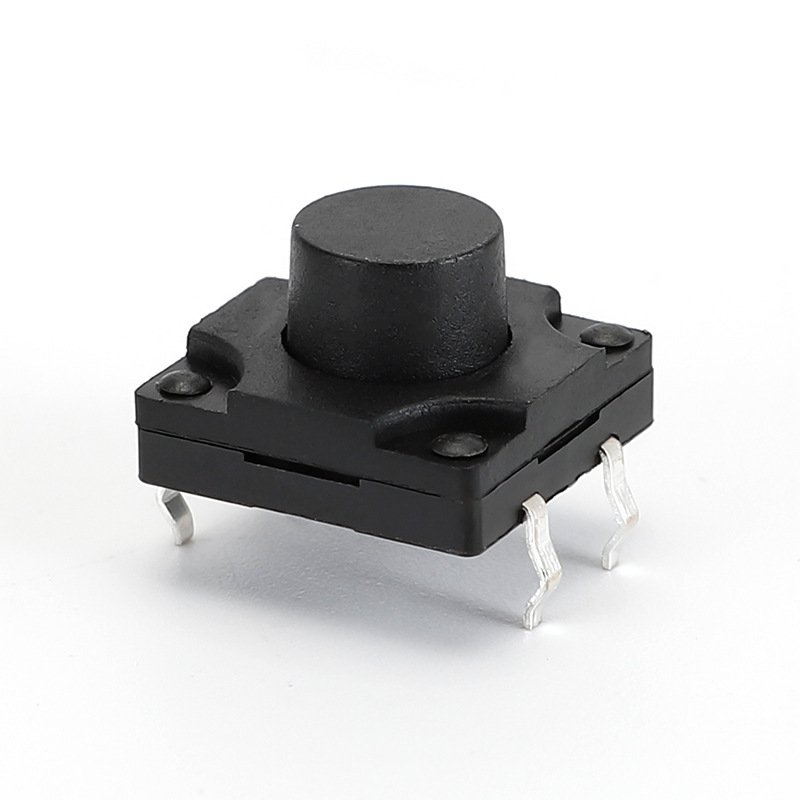
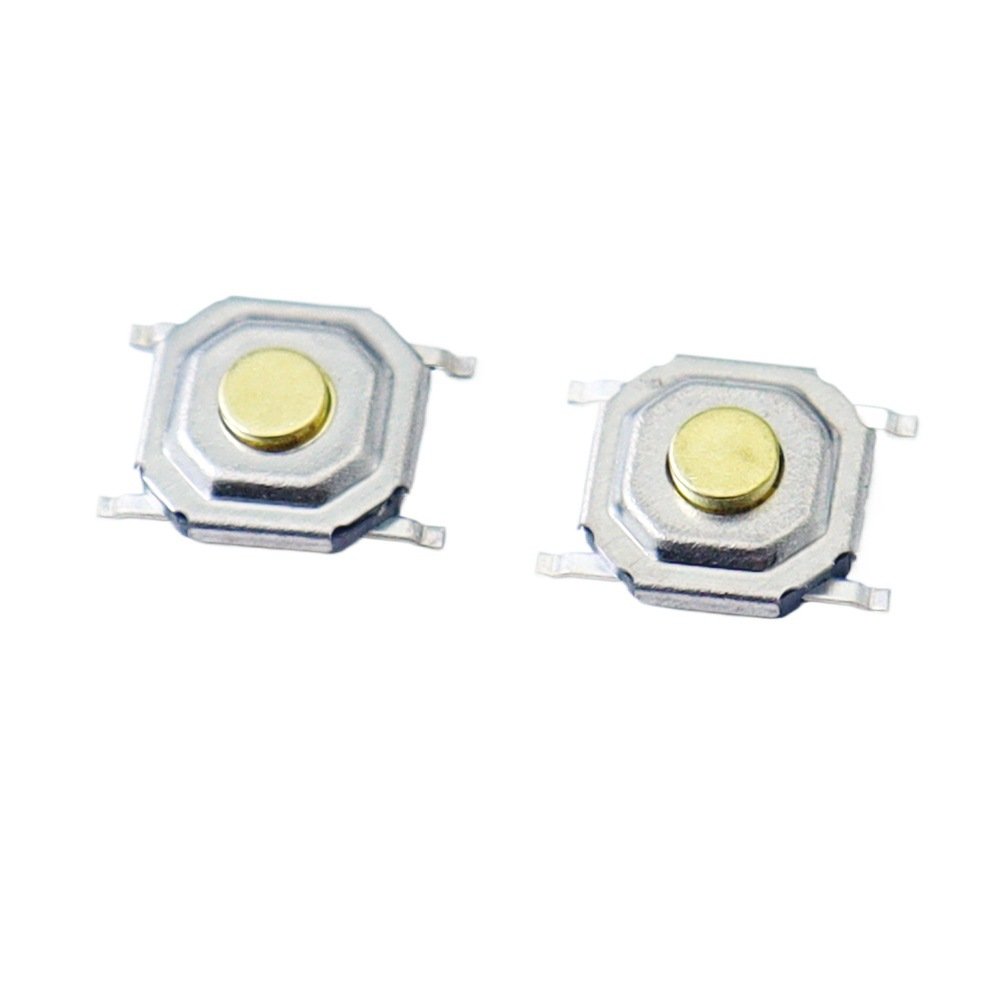
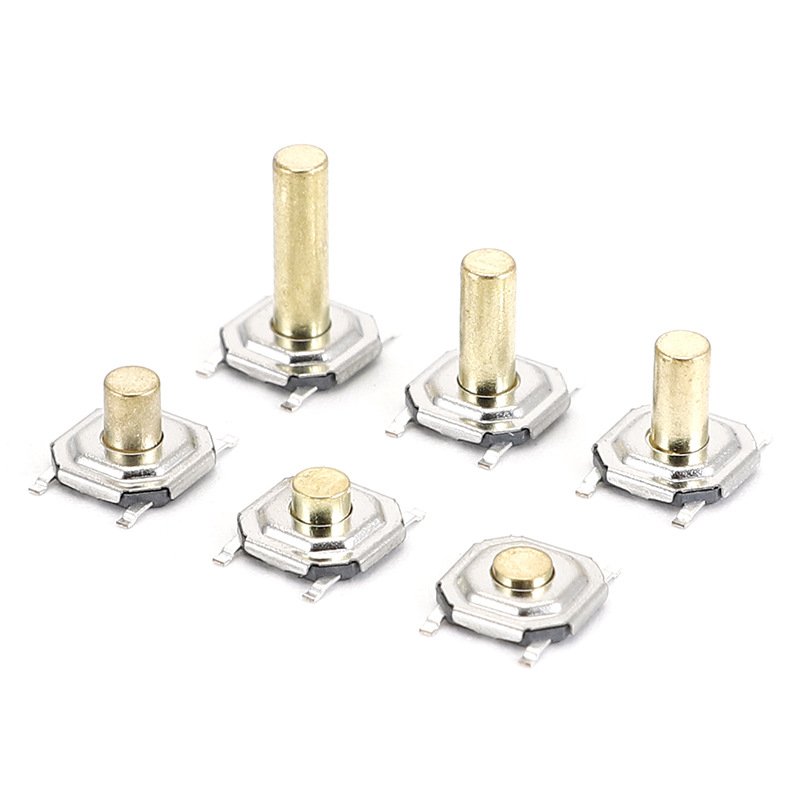
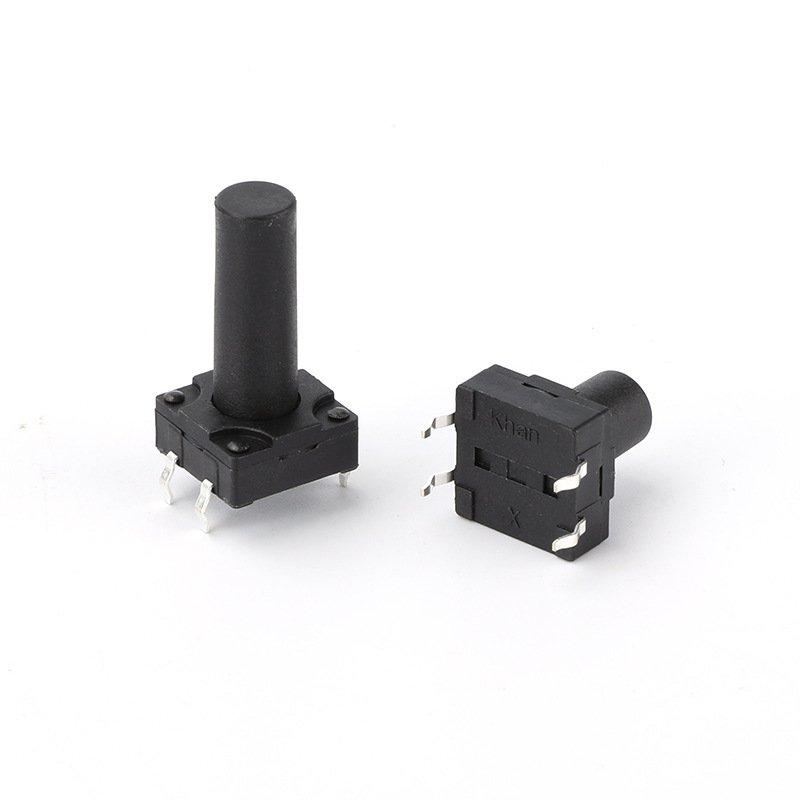
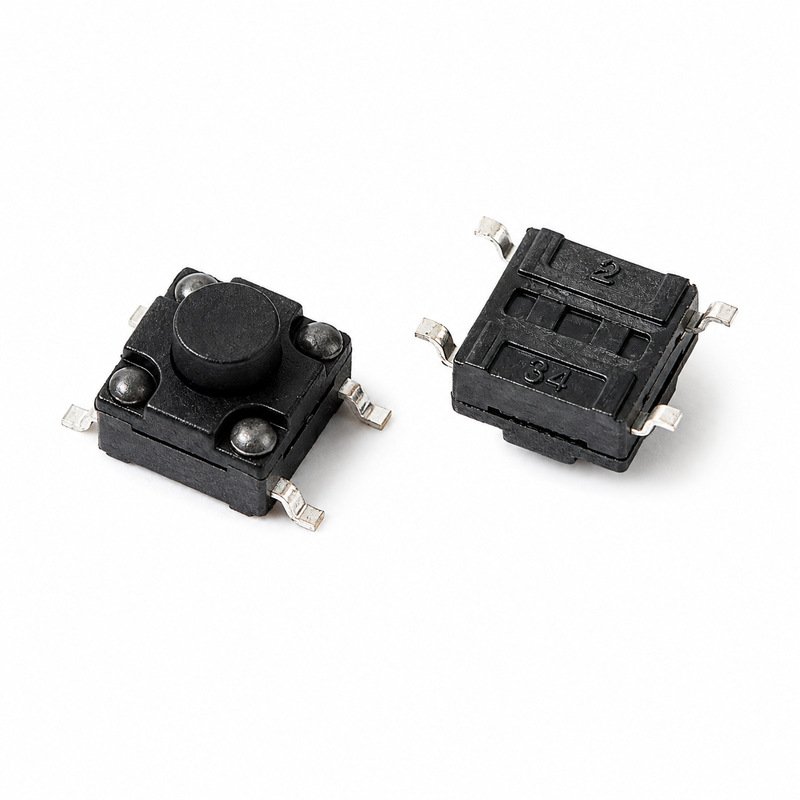
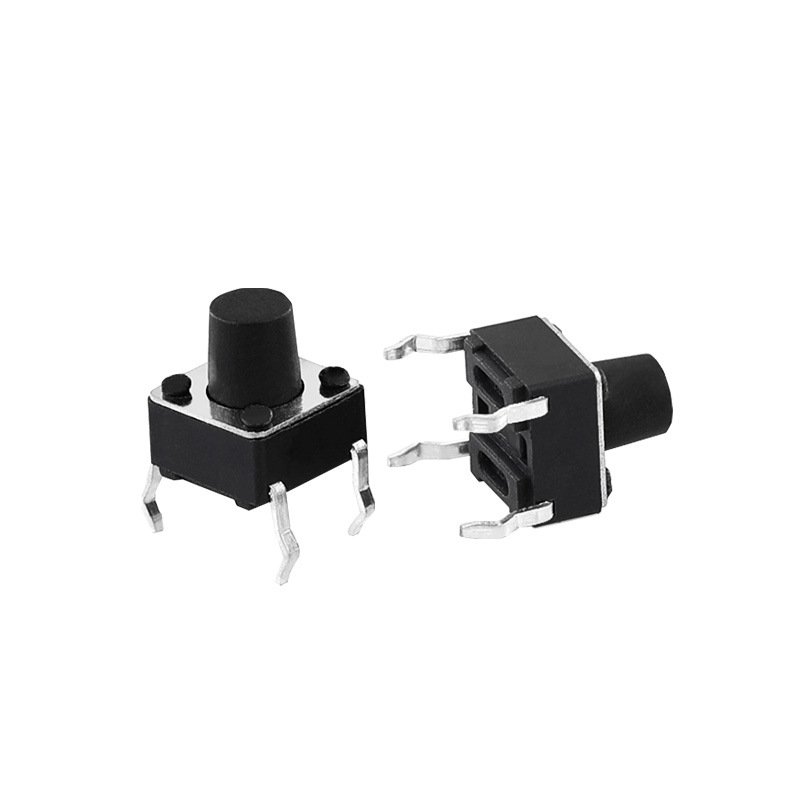
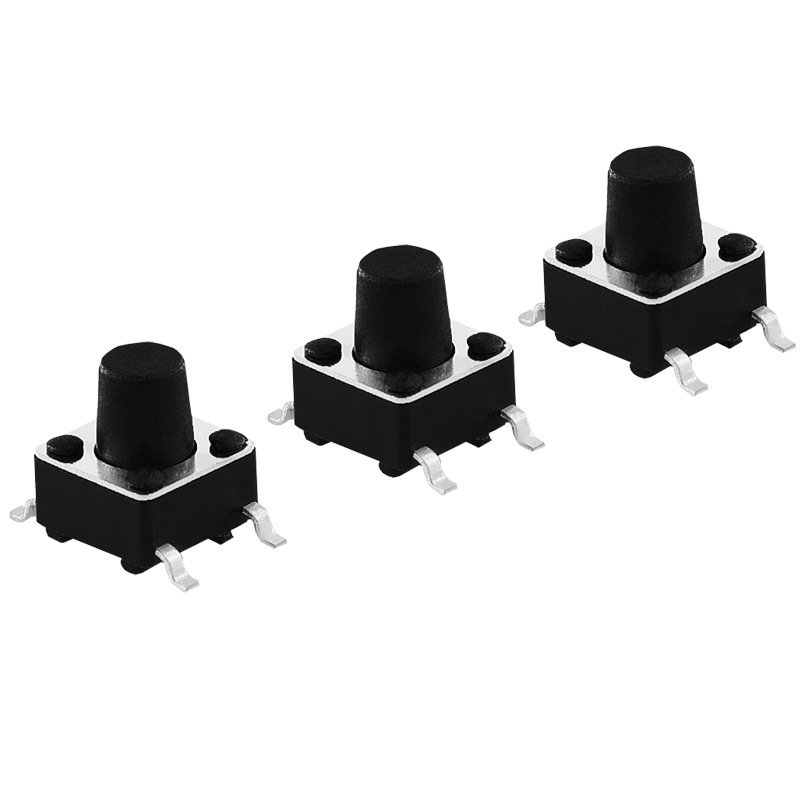
The Tact Switch is now a core electronic part in public transportation. It is widely used in buses, subways, high-speed rails and passenger vehicles. Because it is compact, it fits tight spaces with ease. Moreover, it gives clear tactile feedback and lasts for millions of cycles. As a result, it works well in harsh transit environments.
These switches support many different transit systems. For example, they power stop-request buttons and emergency calls. In addition, they run driver panels and self-service ticket machines. To see engineered options, explore our full range of Tact Switch products built for transit use.
Tact Switch: The Indispensable Core Component for Public Transit Equipment
Transit equipment needs stable and durable control parts. Therefore, it must run non-stop for long periods. Because passengers press buttons all day, the parts must be tough. As a result, the tact switch has become a key part of modern transit systems. It is used in passenger devices, onboard controls and station machines.
Ordinary buttons cannot meet these needs. However, professional tact switches can. For instance, they give clear feedback that reduces misoperation. In addition, they last for millions of cycles. Moreover, they come in waterproof and dustproof versions. Thus, they are the preferred choice for the transit industry.
Why Tact Switches Are the First Choice for Public Transportation Scenarios
Transit operators need durable and safe components. Consequently, they set strict standards for every switch. Tact switches meet these standards through smart design and good materials.
Million-Cycle Service Life Adapts to High-Frequency Operation
Transit facilities get thousands of presses each day. Therefore, switches must last a long time. Tact switches use metal domes that survive 500,000 to 1,000,000 cycles. As a result, maintenance drops and operating costs go down.
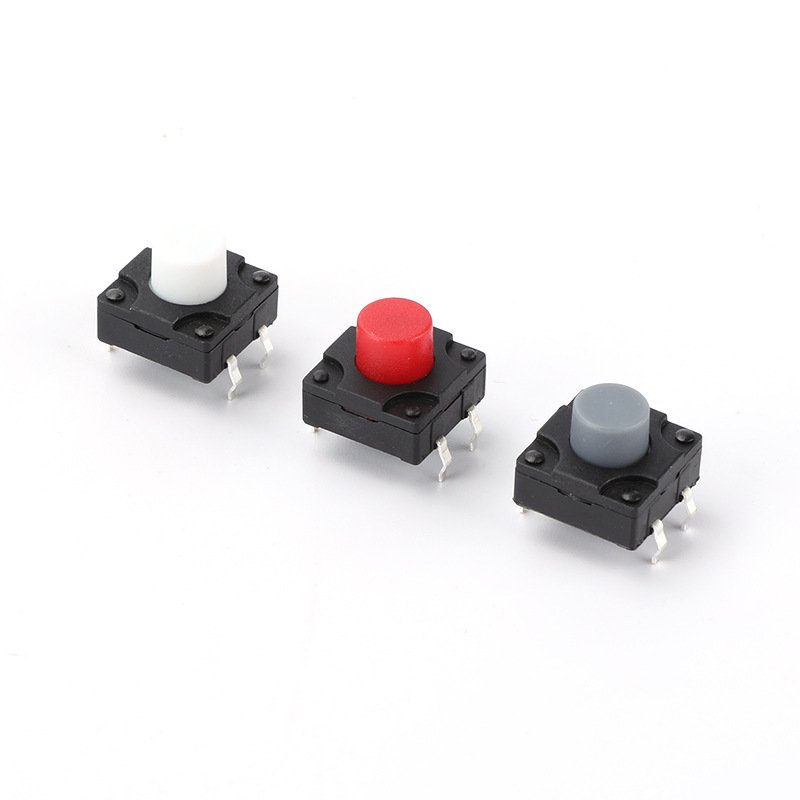
IP67 Waterproof and Dustproof Performance Resists Harsh Environments
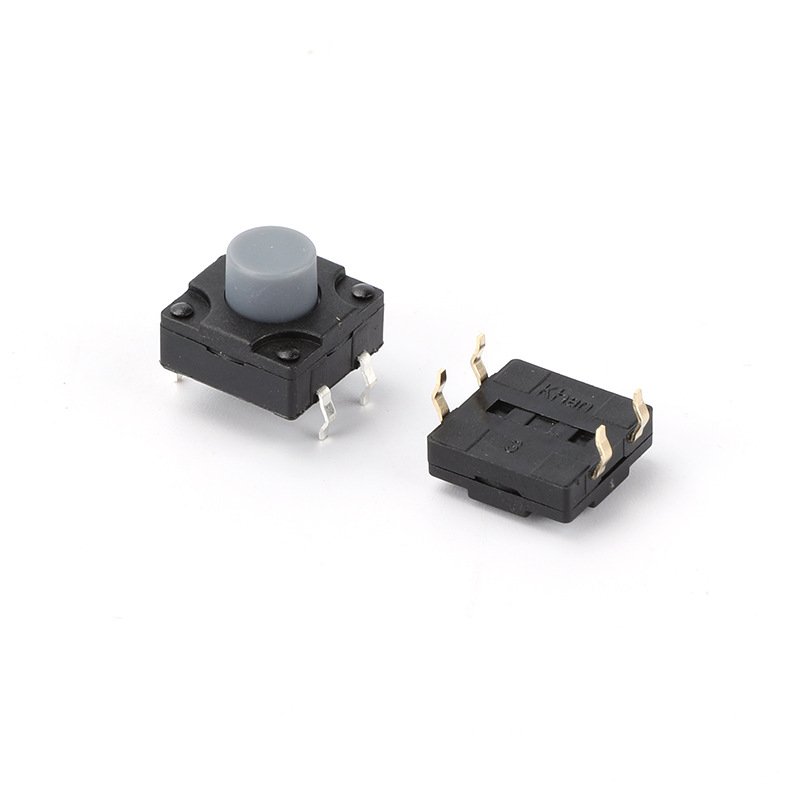
Many buttons sit in open or semi-open spaces. For example, bus stop buttons face rain and dust. However, IP67 tact switches block water and dust fully. Thus, they keep working in hard conditions.
Clear Tactile Feedback Optimizes Universal Passenger Experience
Good feedback helps every passenger. Moreover, it helps the elderly and visually impaired the most. Because the click is clear, users know the press worked. As a result, they do not press twice by mistake.
Low-Power Design Matches Intelligent Portable Terminals
Mobile transit devices need low power. In addition, they need reliable keys. Therefore, transit-grade tact switches fit handheld scanners and driver terminals. Consequently, these devices run longer on one charge.
Typical Application Scenarios of Tact Switches in Public Transportation
Tact switches cover all main transit carriers. The table below shows where they are used.
| Transit Carrier | Typical Tact Switch Applications |
|---|---|
| City Bus | Stop-request buttons, A/C panels, lighting and wiper keys |
| Subway and Rail | Emergency calls, vending keys, gate and carriage panels |
| High-Speed Rail | Reading-light switches, media keys, service calls |
Urban Bus Systems
City buses use tact switches in many places. For instance, they control stop-request buttons and A/C. In addition, they run interior lights and wiper keys. Because they resist wear, they are the top choice for new and old buses.
Subway and Rail Transit Systems
Subways move huge crowds every day. Therefore, their equipment must be very reliable. Tact switches sit in emergency buttons and gate controls. Moreover, they power vending machines and carriage panels. As a result, safety stays high even at peak hours.
High-Speed Rail and Passenger Vehicle Systems
High-speed trains focus on comfort. For example, they use tact switches for reading lights. In addition, they control media systems and service calls. Because the feel is smooth, passengers enjoy a better trip.
Core Values of Tact Switches for Public Transportation Operation
Improve Public Traffic Safety and Operational Stability
Safety comes first in transit. Therefore, equipment must stay stable. Tact switches resist shock, heat and cold. Consequently, emergency calls and stop prompts always work. Thus, potential hazards are avoided.
Optimize Inclusive Travel Experience for All Passengers
A clear click enables one-key confirmation. Moreover, it lowers the bar for special groups. As a result, everyone can use transit equipment with ease. In addition, satisfaction goes up across the board.
Reduce Long-Term Operation and Maintenance Costs
Long life means fewer failures. Therefore, replacement work drops sharply. Because downtime falls, operators save money. Consequently, large transit fleets gain the most.
Targeted Solutions for Harsh Public Transit Operating Challenges
Transit faces three big challenges. First, use is frequent. Second, the environment is harsh. Third, old equipment needs upgrades. Targeted switch choices solve all three.
Solve High-Frequency Fatigue with High-Life Structure
Passenger buttons are pressed often. Therefore, they age fast. However, a switch rated above 1,000,000 cycles solves this. As a result, it stays stable for years.
Resist Environmental Erosion with IP67 Protection Grade
Outdoor stations are wet and dusty. For example, rain can enter weak buttons. However, IP67 tact switches block both water and dust. In addition, they use anti-corrosion materials. Thus, failure from aging is avoided.
Realize Seamless Upgrading of Old Equipment
Old transit gear needs refresh. Therefore, adapters allow plug-and-play swaps. Meanwhile, physical buttons and touch screens can work together. As a result, safety and smart experience both improve.
Future Development Trends of Tact Switches in Smart Transportation
Smart transit keeps evolving. Consequently, tact switches are getting smarter too. They now move toward green, mini and high-precision designs.
First, smart monitoring becomes standard. For instance, new switches log press counts in real time. Therefore, failures can be predicted early. Second, wireless designs cut wiring work. In addition, recyclable materials support green goals. Moreover, multi-stage feedback gives different cues per button. Finally, ultra-mini models fit compact smart devices. For complete specs, browse our Tact Switch catalog for smart transit projects.
Conclusion
Tact switches are now vital in public transportation. Because they are durable and easy to use, they improve safety and comfort. In addition, they lower long-term costs. As a result, they support the growth of smart urban transit.
FAQ
Why are tact switches widely used in public transportation?
They offer million-cycle life and clear feedback. Moreover, they are compact and can be IP67 waterproof. Therefore, they fit buses, subways and high-speed rails well.
What is the service life of transit-grade tact switches?
Professional switches use quality metal domes. As a result, they support 500,000 to over 1,000,000 cycles. Consequently, maintenance costs drop.
Can tact switches work in humid and dusty transit environments?
Yes. IP67 waterproof and dustproof models resist rain and dust. In addition, anti-corrosion materials help them last outdoors.
What are the future upgrade directions of smart transportation tact switches?
Future switches add smart monitoring and wireless design. Moreover, they use recyclable materials and multi-stage feedback for smarter transit.