Blog
How Does a Micro Switch Work Inside a Toaster? Function & Application Guide

Introduction
Toasters are popular small kitchen appliances. They turn plain bread into crispy, golden toast for a quick breakfast. At the same time, this simple task needs precise electronic control. Therefore, a micro-switch acts as a key part inside the machine. It manages the heating cycle and keeps the appliance safe. This guide explains how a micro-switch works in a toaster and why it matters.
What Is a Toaster Micro-Switch?
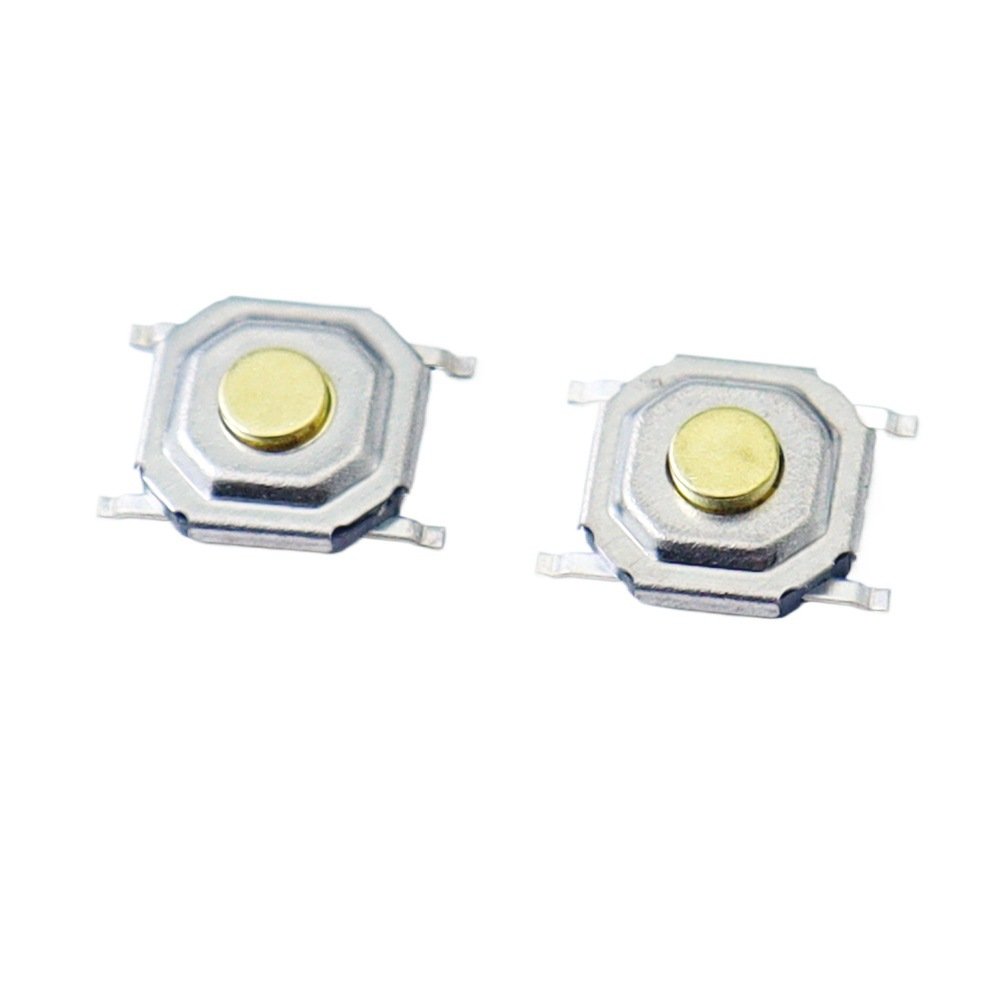
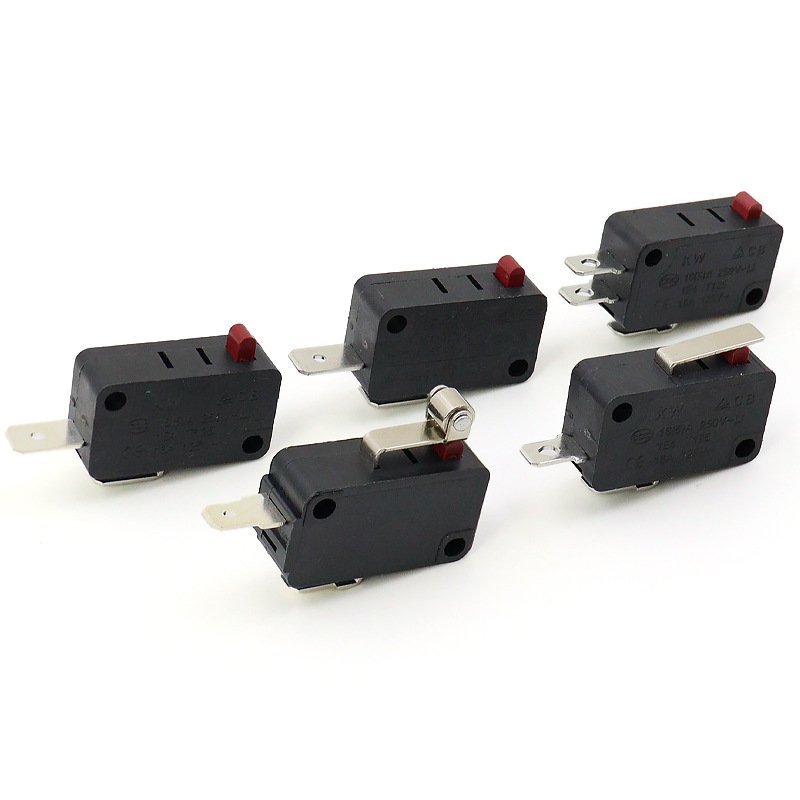
A toaster micro-switch is a small electronic component. It uses a tiny contact gap and a snap-action mechanism. In addition, it sits inside a protective housing. An actuator lever can be fitted to it for instant, responsive switching. As a result, it controls power to the heating elements. This guarantees normal and safe operation of the appliance.
How a Micro-Switch Works in a Toaster
A toaster bakes bread with infrared radiation. First, you place bread into the slots. Next, you push down the operating lever. This applies pressure to the micro-switch at the bottom of the mechanism. The pressure closes the contacts and completes the circuit. Then the heating coils glow red and bake the bread evenly.
When the timer ends, a spring lifts the bread upward. As the lever rises, pressure on the micro-switch disappears. Therefore, the switch opens and cuts power at once. This stops the heating process immediately. In short, the snap-action design prevents overheating and gives consistent results.
Recommended Micro-Switch Models for Toasters
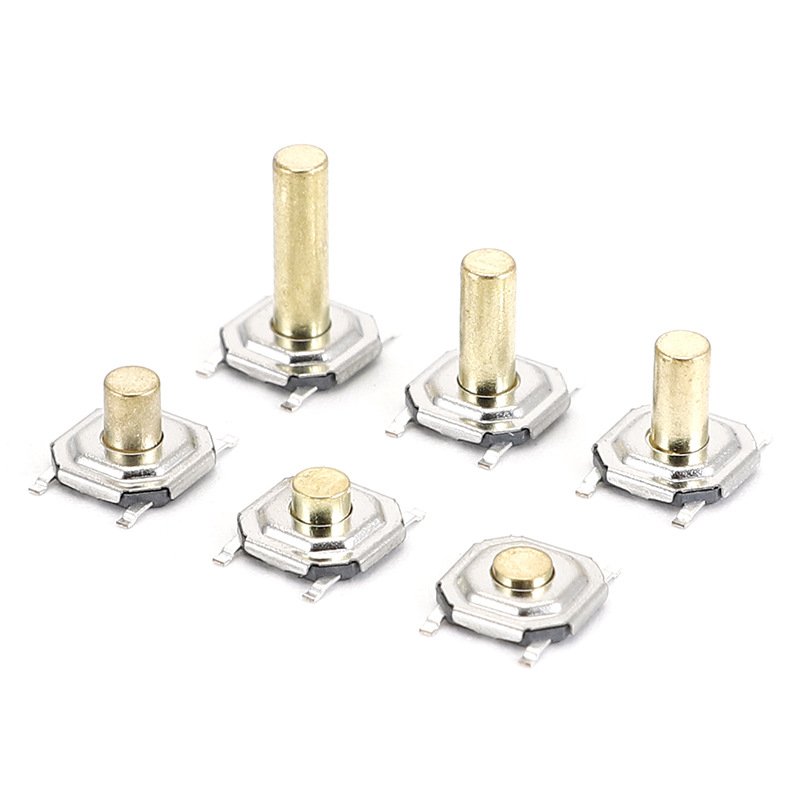
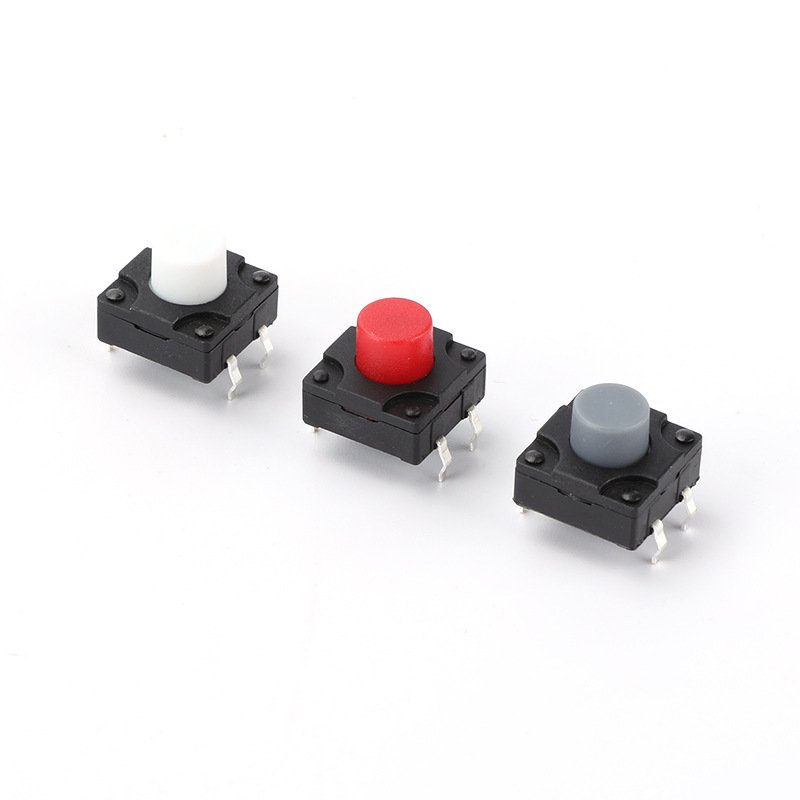
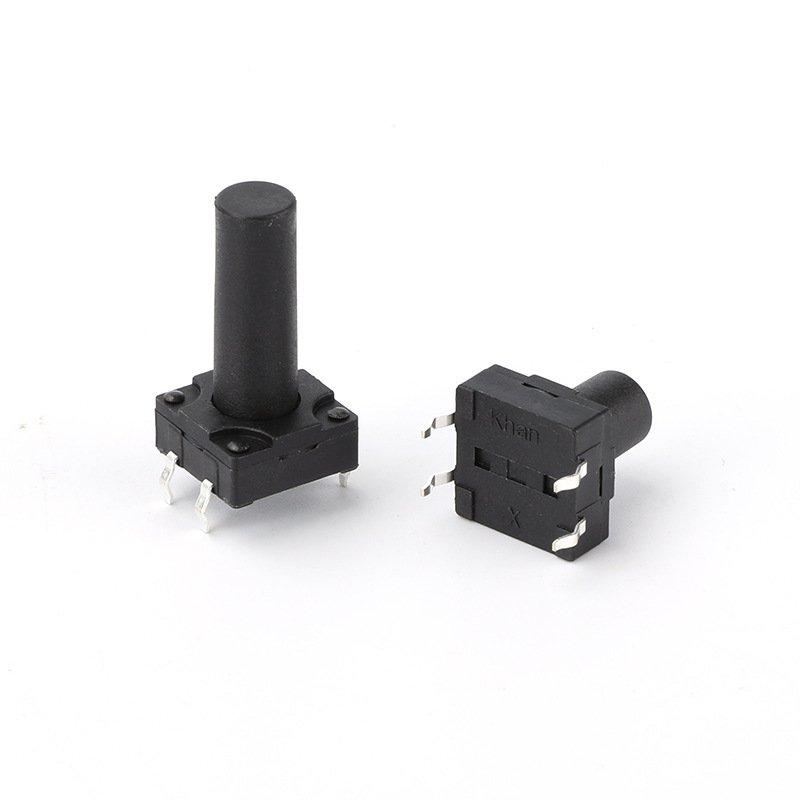
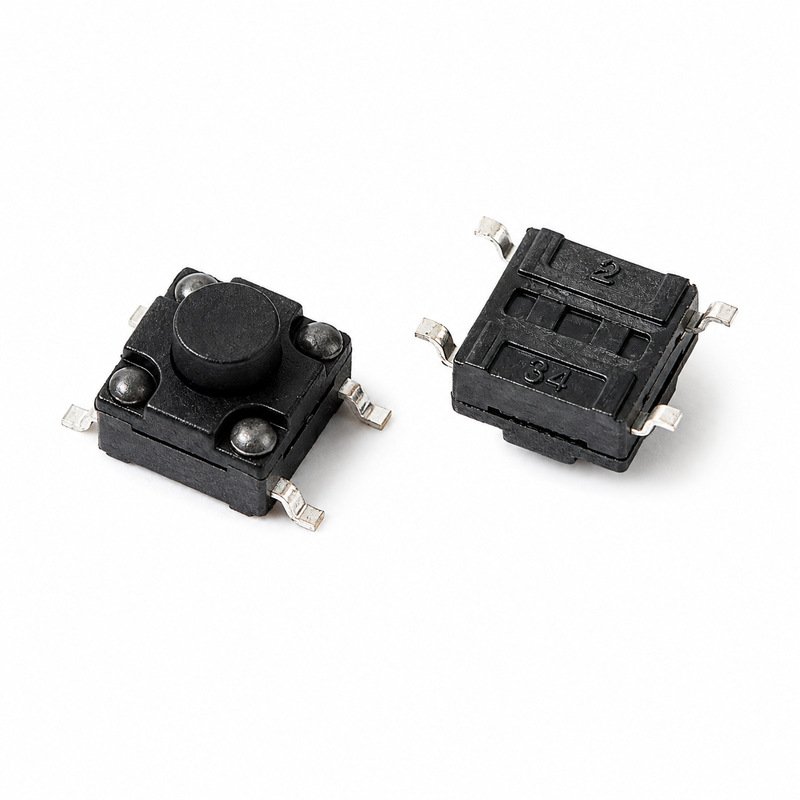
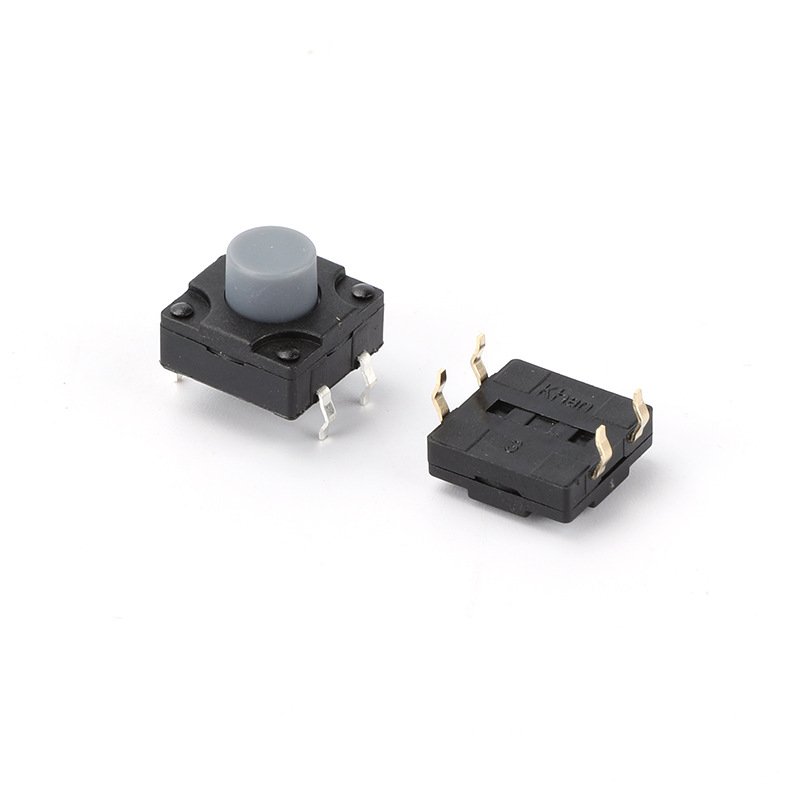
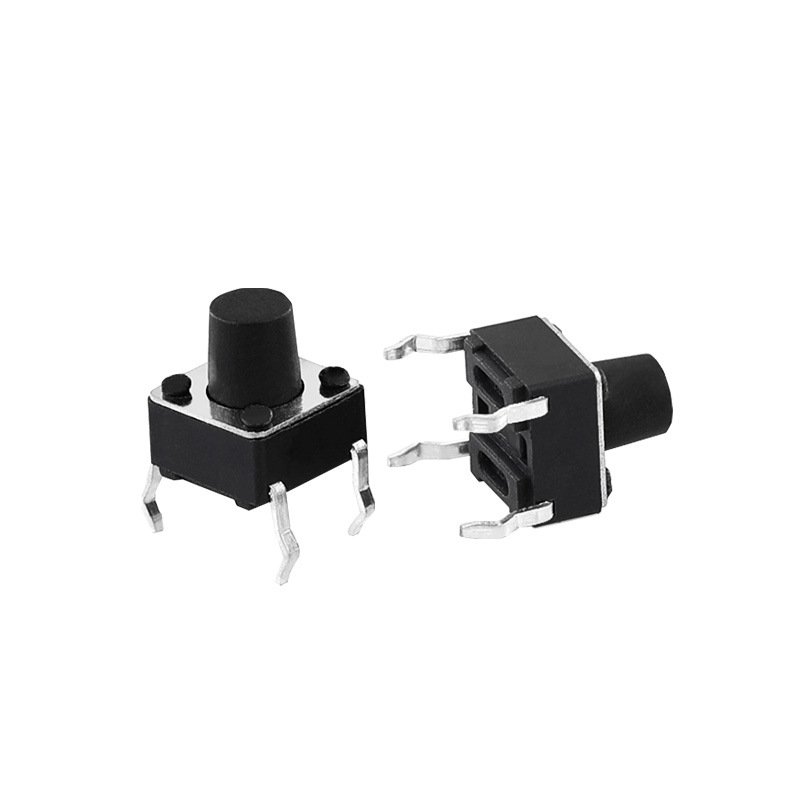
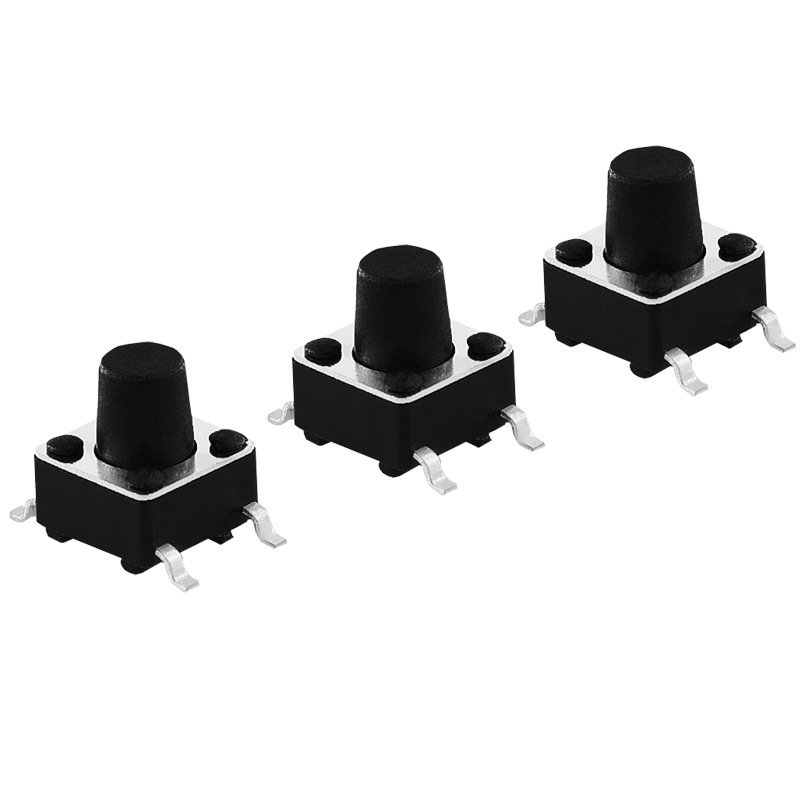
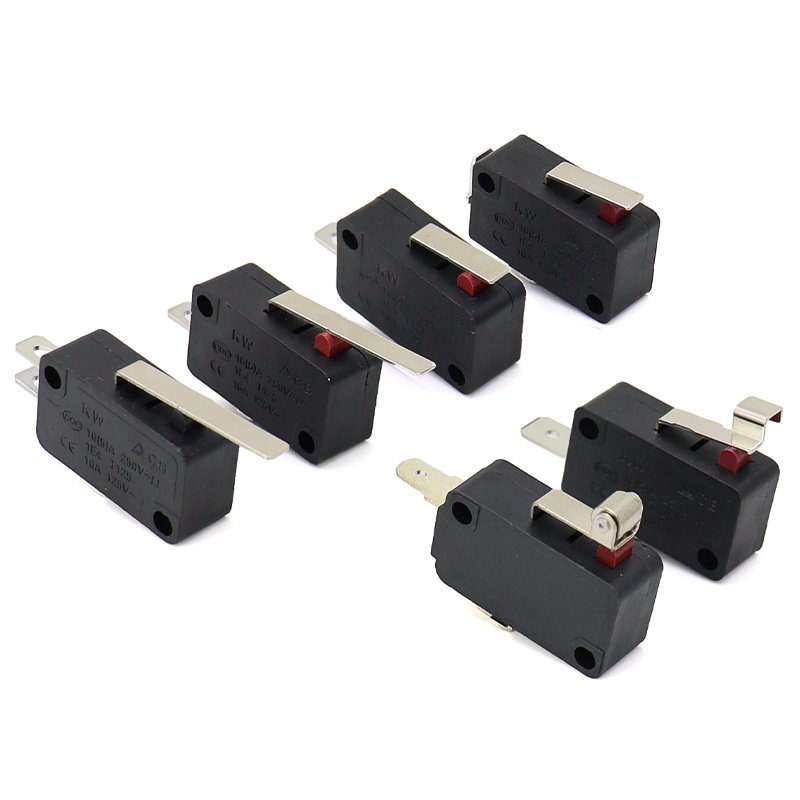
Three series work well inside toasters. They are the waterproof KW1 and KW2 series, plus the KW12 micro-switch series. These parts are small and compact, so they fit tight internal spaces. Moreover, they offer long service life and sensitive triggering. Thus, they turn heating elements on and off with stable accuracy. Suppliers also provide various terminals and actuator levers for custom designs.
Explore our full micro-switch range to match your toaster design needs.
Toaster Usage Precautions
Follow these tips to keep your toaster safe. First, run it empty for two to three minutes on first use. This preheats and sanitizes the cavity. Second, avoid touching the slots, because they get very hot. Third, clean the crumb tray often to stop debris buildup. Finally, wipe the outside with a damp cloth. Never submerge the whole unit in water.
Conclusion
A micro-switch is the quiet hero inside your toaster. It starts and stops the heat with precise snap action. In addition, compact models save space and last through daily use. As a result, your breakfast comes out evenly browned every time. Choosing the right micro-switch improves both safety and reliability.
Browse our complete micro-switch catalog to find the right model for your appliance.
FAQ
Q1: What happens if the toaster micro-switch fails?
A faulty micro-switch may stop the coil from heating. On the other hand, it may fail to cut power after baking. Either fault creates an overheating risk.
Q2: Why choose compact micro-switches for toasters?
Internal space is limited. Therefore, miniature micro-switches save room while keeping stable snap-action performance.
Q3: Are waterproof micro-switches required for household toasters?
Standard models can use common micro-switches. However, waterproof KW1 and KW2 variants suit moist environments better.
Q4: Can toaster micro-switches support customized actuators?
Yes. Suppliers offer many actuator levers and wiring terminals for custom product development.
Q5: What is the core advantage of micro-switches in small appliances?
They give fast response, long cycle life and stable on-off control under mechanical actuation.
Q6: Why clean the crumb tray regularly?
Built-up crumbs are a fire hazard. Moreover, they can block the internal micro-switch lever and affect movement.